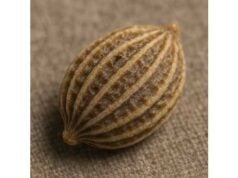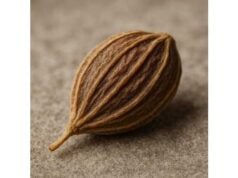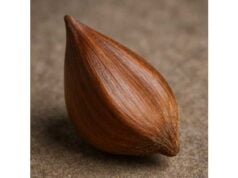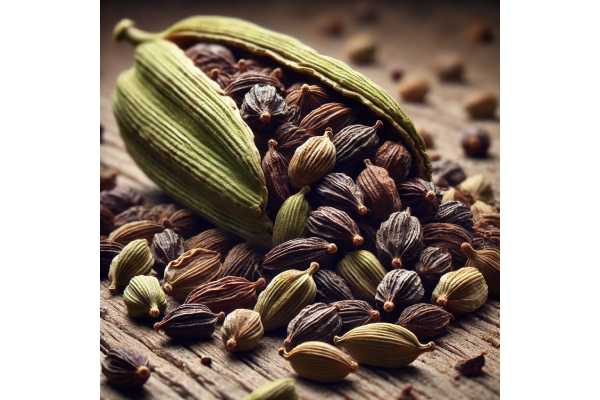
Cardamom seeds—tiny black or brown seeds tucked inside pale green pods—offer a bright, cooling aroma with hints of citrus, mint, and eucalyptus. Used whole, crushed, or ground, they lift both sweet and savory dishes: think masala chai, biryani, Scandinavian pastries, citrusy marinades, and velvety rice puddings. Culinary value aside, cardamom contributes fiber, minerals, and a spectrum of aromatic terpenes (notably 1,8-cineole and alpha-terpinyl acetate) that give the spice its distinctive fragrance. Because typical portions are small, cardamom improves meals more through flavor than macronutrients, yet frequent use adds up—especially for potassium, magnesium, and iron. This guide explains what cardamom seeds are, how to choose and store them, the per-100-g nutrition profile with % Daily Values, evidence-based benefits, safety considerations (including essential oil and pregnancy notes), and practical techniques to get the most aroma with the least waste.
Top Highlights
- Aromatic compounds (1,8-cineole, alpha-terpinyl acetate) deliver intense flavor that can reduce reliance on sugar and salt.
- Per teaspoon (≈2 g), calories are minimal; mineral and fiber contributions accumulate with regular use.
- Safety note: culinary seed use is generally well tolerated; avoid ingesting concentrated cardamom essential oil unless directed by a clinician.
- Typical culinary portion: ½–1 teaspoon (2–3 g) seeds or 3–5 pods per recipe, several times weekly.
- People who should limit or avoid: those with confirmed spice allergies (especially to Zingiberaceae) or anyone advised to avoid essential oils in pregnancy—stick to seed-level use.
Table of Contents
- Detailed Overview
- Nutrition Profile
- Evidence-Based Health Benefits
- Risks, Allergies and Interactions
- Selecting, Quality, Sustainability and Storage
- Preparation, Cooking and Nutrient Retention
- Portions, Comparisons and FAQs
Detailed Overview
What cardamom seeds are
Cardamom (primarily Elettaria cardamomum) is a perennial herb in the ginger family. The spice we cook with comes from dried pods that hold small, fragrant seeds. Green cardamom (often called “true cardamom”) is the most common; black cardamom (Amomum subulatum) is smokier and more camphor-like, better suited to hearty, long-simmered dishes. In most home kitchens, “cardamom seeds” refers to the decorticated seeds from green pods or a coarse grind of those seeds.
Why cardamom’s flavor is special
The essential oil—rich in 1,8-cineole (eucalyptol) and alpha-terpinyl acetate with supporting notes from linalool, limonene, and terpinenes—creates a cool, lucid aroma that cuts richness and brightens heavy foods. These volatiles are fat- and alcohol-soluble, which is why briefly blooming cardamom in butter, ghee, or oil perfumes an entire pot, and why cardamom pairs so well with dairy, coconut milk, and cocoa. Because aromatic intensity is high even at teaspoon levels, cardamom helps you lean on flavor rather than excess salt or sugar.
Where and how it’s used
- South Asia and the Middle East: chai blends; garam masala; kheer; gulab jamun; aromatic pilafs and stews.
- Scandinavia and Central Europe: sweet breads, cookies, and spirits.
- North America and beyond: citrus glazes, coffee drinks, chocolate desserts, yogurt parfaits, and fruit compotes.
Pods, seeds, or ground?
- Whole pods protect aroma for the longest time and are ideal for infusions (chai, rice).
- Seeds (decorticated) deliver more punch than pods because you’re using the aromatic core directly.
- Ground cardamom is convenient but fragile—volatile oils dissipate quickly. Grind small amounts fresh or buy in tiny packages and replace often.
Taste architecture in recipes
Cardamom sits at the crossroads of warm (like cinnamon) and bright (like citrus zest). In savory dishes, it lifts onions and tomatoes and tames lamb and game. In sweets, it balances sweetness and adds a cool finish that keeps dairy-rich desserts from feeling heavy. A pinch goes far; too much can read as medicinal.
Sustainability snapshot
Cardamom is often grown under forest canopy or in mixed agroforestry systems that shelter biodiversity. The biggest source of household waste is stale ground spice. Buy modest quantities, store well, and grind only what you need.
Nutrition Profile
How to use this section
Values below are for ground cardamom seeds per 100 g (dry). Typical kitchen portions are tiny (½–1 tsp ≈ 2–3 g), but the tables help compare cardamom with other spices. % Daily Values (%DV) use reference DVs for a 2,000-kcal diet.
Macros & Electrolytes (per 100 g)
| Nutrient | Amount | %DV |
|---|---|---|
| Energy | ~311 kcal | — |
| Protein | ~10.8 g | 22% |
| Total fat | ~6.7 g | 9% |
| Saturated fat | ~0.4 g | 2% |
| Carbohydrate | ~68.5 g | 25% |
| Dietary fiber | ~28.0 g | 100% |
| Total sugars | ~0 g | — |
| Sodium | ~18 mg | 1% |
| Potassium | ~1,119 mg | 24% |
| Water | ~8–10 g | — |
Interpretation: Cardamom is high-fiber for its weight and contributes meaningful potassium; at culinary doses, absolute amounts per serving are small.
Fats & Fatty Acids (per 100 g)
| Fatty Acid | Amount |
|---|---|
| Oleic acid (18:1 n-9) | ~2–3 g |
| Linoleic acid (18:2 n-6) | ~2–3 g |
| Alpha-linolenic acid (18:3 n-3) | small |
| Saturated fats (palmitic, stearic) | ~0.4–0.6 g total |
Protein & Amino Acids
- Protein: ≈11 g/100 g. In teaspoon-level use, protein contribution is minimal; culinary value is aroma and fiber.
Vitamins (per 100 g)
| Vitamin | Amount | %DV |
|---|---|---|
| Vitamin C | ~21 mg | 23% |
| Thiamin (B1) | ~0.20 mg | 17% |
| Riboflavin (B2) | ~0.18 mg | 14% |
| Niacin (B3) | ~1.1 mg | 7% |
| Vitamin B6 | ~0.23 mg | 14% |
| Folate (DFE) | ~13 µg | 3% |
| Vitamin K | ~22 µg | 18% |
| Vitamin E | ~0.2 mg | 1% |
Minerals (per 100 g)
| Mineral | Amount | %DV |
|---|---|---|
| Iron | ~14.0 mg | 78% |
| Calcium | ~383 mg | 29% |
| Magnesium | ~229 mg | 55% |
| Phosphorus | ~178 mg | 14% |
| Zinc | ~7.5 mg | 68% |
| Copper | ~0.4 mg | 44% |
| Selenium | ~5 µg | 9% |
Bioactives/Phytonutrients
- Essential oil profile: 1,8-cineole (eucalyptol), alpha-terpinyl acetate, linalool, limonene, and related monoterpenes.
- Polyphenols: flavonoids and phenolic acids in smaller amounts.
- Functional behavior: volatiles are heat- and time-sensitive; brief toasting or blooming maximizes aroma without excessive loss.
Allergens & Intolerance Markers
- Cardamom belongs to Zingiberaceae (ginger family). True IgE-mediated allergy is uncommon but possible. Cross-reactivity with other spices may occur in highly sensitive individuals.
Anti-nutrients
- Phytates occur as in most seeds; culinary quantities and varied diets limit practical impact.
Contaminants/Residues
- Primary quality issues are adulteration (with cheaper seeds) and oxidation from age or heat. Buy from reputable suppliers; store airtight, cool, and dark.
Footnote: Unfortified seeds assumed. Prepared foods (chai lattes, pastries) alter nutrients and may add sugar and saturated fat.
Evidence-Based Health Benefits
1) Flavor-forward strategies that improve diet quality
Cardamom’s intense aroma lets you build satisfying dishes with less added sugar or salt. In practice, a pinch of freshly ground cardamom in yogurt, fruit, or coffee can replace spoonfuls of sugar; blooming seeds in stews and pilafs boosts perceived savoriness without heavy sodium. Over time, these small substitutions support healthier overall patterns.
2) Digestive comfort and post-meal ease
Many cuisines use cardamom as a carminative with pulses, brassicas, and rich dishes. While human trials at culinary doses are limited, culinary tradition plus mechanistic data support a plausible benefit: monoterpenes such as 1,8-cineole can relax smooth muscle in model systems and modulate sensory perception of heaviness and gas. A warm cup of lightly sweetened cardamom tea after meals is a common, gentle practice.
3) Cardiometabolic signals in emerging research
Randomized trials in at-risk adults report modest improvements in select markers—such as triglycerides, some glycemic indices, or blood pressure—after weeks of cardamom powder use alongside standard diets. Effects vary by baseline status, dose, and study design, and results should be interpreted as adjunctive to overall diet quality and physical activity, not as stand-alone therapy.
4) Antioxidant support in food contexts
Cardamom’s aromatic terpenes and minor polyphenols can scavenge free radicals and may reduce lipid oxidation in food systems. The culinary payoff is fresher-tasting dishes and slightly better flavor stability in spice blends, pickles, and baked goods. As with most spices, whole-diet patterns matter far more than any single ingredient.
5) Appetite and sensory satisfaction
The cooling, complex aroma sharpens attention to flavor, helping smaller portions feel complete. In desserts, cardamom’s bright finish balances sweetness so you can reduce added sugar without losing perceived indulgence. In savory dishes, cardamom amplifies aromatics (onion, garlic, citrus zest) and complements warm spices (cinnamon, clove), enhancing satiety cues.
What the weight of evidence means for you
- Benefits are culinary-scale: cardamom helps you cook and enjoy more whole foods and plant-forward meals.
- Signals from trials are encouraging but not a substitute for medical care. If you have hypertension, diabetes, or dyslipidemia, treat cardamom as a flavorful adjunct to a clinician-guided plan.
Risks, Allergies and Interactions
Culinary seeds vs. essential oil
- Seeds/powder: Generally recognized as safe in food amounts (½–1 tsp per dish).
- Essential oil: A concentrated extract used in food manufacturing and aromatherapy. It is not equivalent to seasoning with seeds. Avoid internal use of essential oil unless advised by a clinician, and keep away from children.
Allergy and intolerance
True cardamom allergy is uncommon but can occur. Potential symptoms include oral itching, hives, wheeze, or GI upset. People with a history of spice allergies (e.g., ginger, turmeric) should introduce cardamom cautiously and seek medical advice if reactions occur.
Pregnancy and lactation
Culinary amounts of seed are widely used across cultures. Because concentrated essential oils can affect smooth muscle and have limited safety data in pregnancy, avoid ingesting essential oil and stick to food-level use unless you have specific medical guidance. If breastfeeding, culinary use is typical; as with any spice, watch for infant sensitivity to very aromatic foods.
Gastroesophageal reflux and sensitive digestion
Aromatics can aggravate reflux in some people. If you notice heartburn with heavily spiced foods, start with ¼–½ teaspoon per family-size dish, pair cardamom with lower-acid ingredients, and avoid late-night large portions.
Medication considerations
- Bile or pancreatic conditions: Rich, fat-bloomed dishes may be harder to tolerate; adjust fat and spice levels.
- Sodium-restricted diets: Cardamom itself is low in sodium and can help you flavor foods while reducing salt—but packaged cardamom treats can be high in sugar or sodium; read labels.
Quality and purity
Choose reputable brands. Pod color should be vibrant green for fresh stock; seeds should be dark, glossy, and highly aromatic when crushed. Avoid old, faded, or musty products.
When to seek care
Get urgent help for signs of anaphylaxis (throat tightness, wheeze, swelling, dizziness), or if severe GI symptoms follow ingestion of concentrated products.
Selecting, Quality, Sustainability and Storage
How to select
- Pods: Look for plump, intact green pods without splits. The greener and heavier they feel for their size, the fresher the seeds inside.
- Seeds (decorticated): Choose uniformly dark seeds with a glossy surface.
- Ground: Buy in small jars or sachets, ideally from a vendor with fast turnover. Avoid large bulk bags unless you’ll share or freeze portions.
Label literacy
- Species: Most home recipes assume Elettaria cardamomum (green cardamom). Black cardamom is a different species with smoky, camphor notes; use in robust, savory dishes rather than sweets.
- Processing: Steam sterilization can reduce microbial load without major aroma loss. “Oleoresin” or “oil” indicates concentrated extracts, not ground seed.
Sustainability
Cardamom often grows within shade-grown systems that support canopy cover and biodiversity. Favor suppliers who share sourcing details or partner with smallholders. The sustainability win at home is to minimize waste: buy modest amounts, protect aroma, and use what you buy.
Storage
- Airtight, cool, dark: Keep pods and seeds in sealed glass jars away from heat and light.
- Shelf life: Pods keep peak aroma 9–12 months; seeds 6–9 months; ground 1–3 months before noticeable fade.
- Freezer option: For long storage, freeze sealed portions; thaw sealed to avoid condensation.
Troubleshooting
- Weak aroma: Your spice may be old. Lightly toast seeds and grind fresh. Increase dose gradually to avoid bitterness.
- Bitter notes: Scorching causes bitterness; toast on low heat for 30–60 seconds, just until fragrant.
- Adulteration worries: Buy from reputable merchants; whole pods are harder to adulterate than ground spice.
Preparation, Cooking and Nutrient Retention
Core techniques
- Bloom in fat: Warm 1–2 teaspoons of ghee, butter, or oil over medium-low heat. Add 3–5 lightly crushed pods or ½–1 tsp seeds; cook 30–45 seconds until fragrant. Add aromatics or liquids.
- Infuse in liquids: Add whole pods to milk, cream, coconut milk, or stock; simmer 5–10 minutes, then strain. This preserves volatile oils and distributes flavor evenly.
- Grind fresh: Crack pods, harvest seeds, and grind with a mortar or spice grinder just before use. Ground cardamom fades quickly; fresh grinding is the single biggest upgrade in flavor.
- Bake smart: For breads and cookies, use freshly ground cardamom to survive oven time. Mix into sugars or fats first to trap aroma.
Pairings that shine
- Sweet: Citrus (orange, lemon), berries, stone fruit, honey, vanilla, chocolate, coffee, cinnamon.
- Savory: Onion, garlic, ginger, tomato, bay, black pepper, cumin, coriander, saffron.
- Bases: Yogurt, cream, coconut milk, ghee, clarified butter. Cardamom bridges fat and acid beautifully.
Retaining aroma and nutrients
- Keep heat gentle: High heat drives off 1,8-cineole and other volatiles. Bloom briefly, then cook covered or add ground spice closer to the end.
- Use whole pods in long simmers: Seeds protected inside pods release flavor slowly and withstand longer cooking.
- Mind storage: Aroma loss, not macronutrient change, is the biggest quality issue. Protect from oxygen, light, and heat.
Recipe ideas (portion-savvy)
- Masala chai for two: Lightly crush 4 green pods with 2 cloves and a small cinnamon stick; simmer with tea and milk, sweeten to taste.
- Cardamom-orange yogurt: Stir ¼ tsp freshly ground seed and orange zest into ½ cup yogurt; top with berries.
- Lemony cardamom rice: Bloom ½ tsp seeds in ghee, add rinsed basmati, water, salt, and a strip of lemon peel; cook as usual.
- Roasted carrots with cardamom-honey glaze: Warm ½ tsp ground cardamom in butter; whisk in honey and lemon; toss with roasted carrots to finish.
What to avoid
- Over-grinding far ahead: Ground spice stales fast—grind minutes, not weeks, before cooking.
- Confusing black and green cardamom: Their flavors differ dramatically; choose based on recipe style.
- Using essential oil like seasoning: It is far stronger and not a 1:1 swap for seeds.
Portions, Comparisons and FAQs
Practical portions
- Everyday cooking: ½ teaspoon (≈2 g) seeds or 3–5 pods per 4–6 servings.
- Baking: 1–2 teaspoons ground for a standard loaf or batch of cookies; adjust to taste.
- Tea/infusion: 2–4 pods, lightly crushed, per cup of liquid.
How does cardamom compare to similar spices?
- Cinnamon: Warm, sweet, woody; cardamom is cooler and more citrus-mint. Combining the two offers depth without extra sugar.
- Ginger: Hotter and spicier; cardamom is more aromatic and less pungent. Together they create layered warmth.
- Allspice/clove: Heavier and more phenolic; a pinch of cardamom “freshens” blends that include them.
- Black cardamom vs. green: Black is smoky, resinous, and best in braises; green is delicate and ideal for desserts and lighter savory dishes.
Is cardamom “good for digestion”?
Many people find cardamom-flavored meals feel lighter, especially with rich or legume-heavy dishes. Try a small, consistent amount and see how you feel. If you have reflux, start low and avoid late-night heavy meals.
Will it affect blood pressure or blood sugar?
Cardamom can be part of a heart- and metabolic-friendly pattern, but it’s not a medication. Some trials show modest improvements in certain markers when cardamom powder is added to the diet for weeks. Focus on whole-diet changes; use cardamom to make those foods more enjoyable.
Can I use it daily?
Yes—culinary amounts are appropriate for most healthy adults. Rotate spices for variety and to avoid palate fatigue. If pregnant or managing a medical condition, stay with seed-level culinary use and avoid ingesting essential oils.
Gluten-free and vegan?
Cardamom seeds are naturally gluten-free and plant-based. Check packaged goods (cookies, chai blends) for added ingredients.
Storage quick tips
Buy small quantities, keep pods/seed airtight and dark, and grind just before use. Replace ground cardamom every 1–3 months for peak fragrance.
References
- Nutrition Facts for Cardamom (2024)
- The effect of cardamom supplementation on serum lipids, glycemic indices, and blood pressure in pre-diabetic women (2017)
- Effect of cardamom consumption on inflammation and oxidative stress: a systematic review and meta-analysis (2023) (Systematic Review)
- Cardamom – Drugs and Lactation Database (LactMed®) (2025)
- Safety and efficacy of an essential oil from Elettaria cardamomum (L.) Maton (cardamom oil) for all animal species (2019) (Scientific Opinion)
Medical Disclaimer
This guide is for general education and is not a substitute for personalized medical advice, diagnosis, or treatment. If you are pregnant or breastfeeding, have a history of spice allergies, reflux, or chronic disease, or take prescription medications, consult a qualified healthcare professional about the form and amount of cardamom that is right for you. Seek urgent care for signs of a severe allergic reaction such as hives, wheeze, throat tightness, or dizziness.
If you found this article helpful, please consider sharing it on Facebook, X (formerly Twitter), or any platform you prefer. Your support helps us continue creating careful, evidence-based resources.