Cardiac fibroma is a rare, noncancerous tumor made mostly of tough fibrous tissue that grows inside the heart muscle. Although “benign” sounds reassuring, its location can make it serious. A fibroma may press on the heart’s chambers, interfere with valves, or disrupt the electrical pathways that control rhythm. In infants and children it is often found in the ventricles, and some cases are detected before birth during routine ultrasound. In adults, it is uncommon but can still cause symptoms—sometimes after years of silence. This guide explains what cardiac fibroma is, why it happens, who is at risk, how it feels, how doctors confirm the diagnosis, what treatment looks like, and how to plan safe follow-up care.
Table of Contents
- What cardiac fibroma is and how it affects the heart
- What causes cardiac fibroma and who is at risk
- Symptoms, red flags, and possible complications
- How cardiac fibroma is diagnosed
- Treatment options and what to expect
- Management, follow-up, and when to seek urgent care
What cardiac fibroma is and how it affects the heart
A cardiac fibroma is a solid mass that develops from fibroblasts (cells that form connective tissue). Unlike cancers, it does not spread to distant organs. The problem is that it can grow within the heart wall (intramural) and behave like a “space-occupying” lesion in a tightly engineered pump.
Where it tends to grow
- Most cardiac fibromas develop in the ventricles (the heart’s main pumping chambers), often within the wall of the left ventricle or the interventricular septum (the muscle between the ventricles).
- The tumor can blend into nearby heart muscle rather than sitting on a stalk. That feature matters because it can make full removal more complex.
How it can change heart function
- Obstruction: A larger fibroma can narrow the inflow or outflow paths of blood, especially if it bulges into the chamber cavity. This may mimic valve disease or cardiomyopathy.
- Valve effects: If it distorts the nearby valve ring or papillary muscles, it can contribute to leakage (regurgitation) or impaired opening.
- Electrical disruption: Fibromas may affect conduction tissue and trigger abnormal rhythms. In some people, rhythm issues appear before any heart failure symptoms.
- Reduced pumping efficiency: A tumor that stiffens part of the ventricle can reduce filling and contraction coordination. Over time, this may lower exercise tolerance and increase fatigue.
How it differs from other heart tumors
Cardiac fibroma is often discussed alongside other benign pediatric heart tumors. Some other tumors may shrink over time, but fibromas typically do not regress spontaneously. That difference shapes management: many teams treat fibroma as something to monitor closely, even when symptoms are mild.
Even though cardiac fibroma is rare, it is important to treat the diagnosis with respect. The best outcomes usually come from early recognition, careful imaging, and a plan tailored to location, size, rhythm risk, and symptoms—not just the word “benign.”
What causes cardiac fibroma and who is at risk
In many patients, there is no single identifiable cause. Cardiac fibroma is usually considered a developmental tumor—meaning it likely arises from abnormal growth signaling in heart tissue rather than from lifestyle exposures.
Age and timing
- Many cases are detected in infancy and early childhood, sometimes even before birth on prenatal ultrasound.
- Adult presentation is uncommon, but it can happen. In adults, discovery may be incidental (found during imaging for another reason) or triggered by palpitations, fainting, or shortness of breath.
Genetic and syndrome associations
Most patients have no known inherited condition. However, cardiac fibroma can be associated with certain genetic syndromes, most notably nevoid basal cell carcinoma syndrome (Gorlin or Gorlin-Goltz syndrome). In that setting, the fibroma may be one part of a broader pattern of findings. When a cardiac fibroma is diagnosed in a young patient—especially if there are unusual skin, jaw, or skeletal findings—clinicians may consider genetics referral.
Anatomical and clinical risk factors
There are no proven “modifiable” risk factors like diet or smoking for cardiac fibroma. Instead, risk tends to relate to:
- Tumor size and location: A fibroma within the septum or near key conduction pathways can raise the risk of rhythm problems.
- Involvement of ventricular muscle: Tumors that infiltrate or stiffen a large area may increase the risk of heart failure symptoms.
- History of arrhythmia or syncope: Prior fainting episodes, documented ventricular ectopy, or sustained tachycardia suggest higher clinical risk regardless of tumor size.
Why symptoms vary so widely
Two people with similarly sized fibromas can have very different experiences. A small tumor in a “quiet” spot may cause no symptoms, while a smaller tumor near the conduction system can provoke frequent palpitations or dangerous rhythms. That variability is why management is best guided by imaging details, rhythm monitoring, and symptoms rather than by a single rule.
If you or your child is diagnosed with cardiac fibroma, it is reasonable to ask whether there are features that suggest a genetic syndrome. This can shape screening recommendations for other organs and help family members understand potential risks.
Symptoms, red flags, and possible complications
Cardiac fibroma can be silent for a long time, but when symptoms occur they often fall into two categories: rhythm-related symptoms and pump/flow-related symptoms. Some symptoms are subtle; others require emergency care.
Common symptoms
- Palpitations: A fluttering, pounding, or “skipped beat” sensation, sometimes worse with stress or exertion.
- Chest discomfort: Not always classic pain; it may be tightness or pressure, especially during activity.
- Shortness of breath: Can appear with exertion first, then with routine tasks if obstruction or reduced pumping develops.
- Fatigue and low stamina: Often mistaken for poor conditioning, especially in teens or adults.
- Dizziness or near-fainting: A warning sign that rhythm or blood flow may be unstable.
- Fainting (syncope): More concerning, especially if sudden, exertional, or without warning.
Symptoms in infants and young children
In babies, signs may look different:
- Poor feeding, sweating with feeds, or breathing fast
- Poor weight gain
- Irritability, pale or bluish color, or repeated “spells”
- Sudden limpness or collapse (an emergency)
Possible complications
- Ventricular arrhythmias: Fibromas can trigger abnormal rhythms originating from the ventricles. These may range from frequent extra beats to sustained ventricular tachycardia.
- Sudden cardiac arrest: Rare overall, but the risk is real in a subset—particularly when malignant ventricular rhythms occur.
- Outflow obstruction: A tumor that narrows blood exit from the ventricle can cause exertional symptoms and, in severe cases, heart failure.
- Valve dysfunction: Distortion of valve structures can lead to regurgitation, adding volume load to the heart.
- Heart failure: Not everyone develops this, but large or strategically placed fibromas can reduce pumping effectiveness or filling capacity.
Red flags that deserve urgent evaluation
Seek urgent medical assessment (emergency services if severe) for:
- Fainting, especially during exercise or with palpitations
- Chest pain with shortness of breath, sweating, or nausea
- Sustained rapid heartbeat, especially with lightheadedness
- New confusion, collapse, or seizures
- In infants: breathing difficulty, blue lips, extreme lethargy, or poor feeding with sweating
A practical rule: palpitations are common in many benign situations, but palpitations plus fainting, chest pain, or shortness of breath should be treated as higher risk until proven otherwise.
How cardiac fibroma is diagnosed
Diagnosing cardiac fibroma is usually a stepwise process. The goal is to confirm that a mass is present, define its exact location and effect on heart function, assess rhythm risk, and distinguish it from other masses such as thrombus or different tumor types.
1) Clinical evaluation
A clinician will ask about:
- Palpitations, fainting, exercise intolerance, chest discomfort
- Family history of sudden unexplained death or inherited syndromes
- For children: growth patterns, feeding tolerance, and “spells”
A physical exam may be normal, or it may reveal a murmur, signs of heart failure, or irregular rhythm.
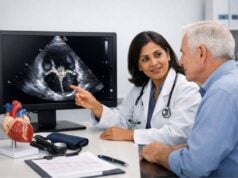
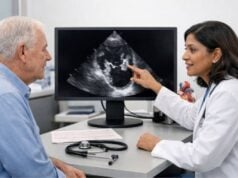
2) Echocardiography
Echocardiography (heart ultrasound) is often the first major test because it is fast and does not involve radiation. It can:
- Detect a mass and estimate size
- Show whether it bulges into a chamber or affects valve function
- Estimate pumping performance and blood flow patterns
However, echo can have blind spots depending on body size, tumor position, and image windows.
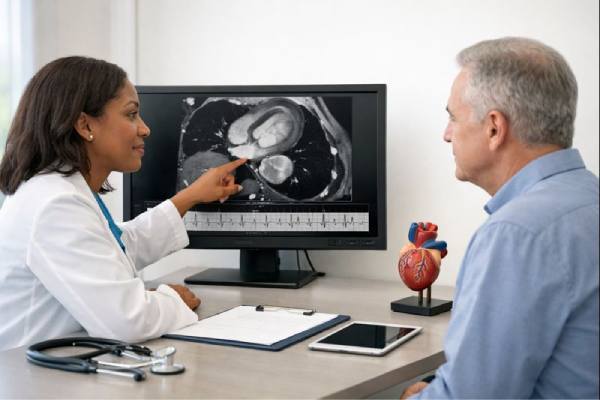
3) Cardiac MRI
Cardiac MRI is often the best test for tissue characterization. It can:
- Define tumor borders and depth of involvement in heart muscle
- Identify patterns (such as dense fibrous tissue) that support fibroma
- Assess function, scarring patterns, and ventricular volumes
MRI is especially valuable when surgical planning is being considered.
4) Cardiac CT
CT can provide high-resolution anatomy and is useful for:
- Clarifying relationships to coronary arteries and other structures
- Detecting calcifications within the mass
- Creating 3D reconstructions that help surgeons plan complex resections
CT involves radiation and contrast considerations, so clinicians weigh benefits and risks—particularly in children.
5) Rhythm assessment
Because rhythm risk can drive treatment decisions, doctors may use:
- ECG (electrocardiogram) to look for conduction changes
- Holter monitoring (24–48 hours) or longer patch monitoring
- Event monitoring when symptoms are intermittent
- In selected cases, an electrophysiology study to map arrhythmia triggers
6) When biopsy is considered
A biopsy can confirm diagnosis, but it is not always performed because accessing the heart safely can be challenging. Many cases are diagnosed based on imaging and clinical features, with confirmation at surgery if resection occurs.
The most important diagnostic outcome is not just naming the tumor, but building a risk profile: obstruction risk, rhythm risk, and the likelihood that complete resection is feasible without harming essential structures.
Treatment options and what to expect
Treatment is individualized. Some patients need surgery soon after diagnosis; others do well with monitoring and rhythm-focused care. Decisions usually weigh four factors: symptoms, rhythm behavior, tumor size, and location.
Observation and active surveillance
This approach may be reasonable when:
- The patient has no symptoms or only mild symptoms
- There is no significant obstruction or heart function impairment
- Rhythm monitoring shows low-risk patterns
Surveillance plans commonly include periodic imaging (often echo, sometimes MRI) and repeated rhythm monitoring. The interval depends on age, tumor features, and clinical stability.
Medications
Medications do not “shrink” fibroma, but they can control consequences:
- Antiarrhythmic therapy may reduce episodes of tachycardia or symptomatic ectopy.
- Heart failure medications may be used if pumping function is reduced or if there is significant valve leakage.
Medication choice depends on age, rhythm type, other conditions, and side-effect tolerance. In infants and children, dosing and monitoring are especially careful.
Implantable cardioverter-defibrillator (ICD)
An ICD may be considered when a patient has:
- Documented dangerous ventricular arrhythmias
- Prior cardiac arrest or high-risk rhythm features
- A tumor location or clinical pattern suggesting ongoing high risk
ICD decisions are complex because they involve long-term device management, especially in children who will grow and may require lead revisions.
Surgery
Surgical removal is often recommended when:
- The fibroma causes obstruction or valve dysfunction
- There are significant or malignant rhythm problems linked to the tumor
- Tumor growth or imaging features raise concern for worsening risk
Surgical goals may include:
- Complete resection when safe, which reduces recurrence risk
- Partial resection (debulking) when the tumor involves critical structures and complete removal would cause unacceptable harm
What recovery looks like varies. Many patients improve symptomatically after relieving obstruction or stabilizing rhythm triggers, but long-term follow-up remains important—particularly when the tumor was close to conduction tissue or when scar-related arrhythmias remain possible.
Heart transplantation
This is rare and typically reserved for situations where:
- The tumor is unresectable
- There is severe, persistent heart dysfunction
- Life-threatening arrhythmias cannot be controlled by other means
What to ask your care team
- Is the main concern obstruction, rhythm risk, or both?
- Is complete resection realistic, or is partial resection safer?
- What rhythm monitoring schedule do you recommend?
- What are the warning signs that should trigger immediate evaluation?
Treatment planning works best when cardiology, cardiac imaging, electrophysiology, surgery, and—when relevant—genetics collaborate on a single roadmap.
Management, follow-up, and when to seek urgent care
Living with cardiac fibroma often means living with a plan: follow-up schedules, symptom rules, and activity guidance that match the individual’s risk profile. A clear plan reduces anxiety and improves safety.
Follow-up and monitoring
Typical long-term management may include:
- Regular cardiology visits to review symptoms and exam findings
- Repeat echocardiograms to watch size, chamber effects, valve function, and pumping performance
- Periodic MRI or CT when detailed tissue and anatomy updates are needed
- Rhythm monitoring (Holter or patch) at intervals, and any time new symptoms appear
If surgery was performed, follow-up also focuses on scar-related rhythm risk, valve function, and ventricular performance.
Daily life and activity
Recommendations depend on rhythm history and obstruction risk:
- People without arrhythmias or obstruction may be able to do normal daily activities and many forms of exercise.
- If there is a history of fainting, dangerous rhythms, or significant obstruction, clinicians may recommend activity limits, sometimes including avoidance of competitive or high-intensity sports.
- For children, schools and caregivers should know what symptoms matter and what to do in an emergency.
Planning for procedures and anesthesia
If you need unrelated surgery or sedation, tell the anesthesia team about cardiac fibroma. They may request recent imaging or rhythm reports to plan safely.
Genetic and family considerations
If there are signs suggesting an inherited syndrome, genetic counseling can:
- Clarify whether family members need screening
- Guide broader health monitoring beyond the heart
- Help interpret the diagnosis in a long-term way
When to seek urgent care
Go to urgent care or emergency services for:
- Fainting, near-fainting, or collapse
- Chest pain with shortness of breath, sweating, or severe weakness
- Rapid heartbeat that does not settle, especially with dizziness
- New shortness of breath at rest, blue lips, or severe fatigue
- In infants: poor feeding with sweating, fast breathing, blue color, extreme sleepiness, or “spells”
Prevention
There is no proven prevention for developing a fibroma. The practical form of prevention is risk reduction:
- Detect rhythm problems early
- Treat obstruction before it strains the heart
- Keep follow-up consistent, even when symptoms are quiet
A good management plan should fit on one page: your current risk level, next tests and dates, medication list, activity guidance, and a short “if X happens, do Y” section.
References
- Cardiac Fibroma – StatPearls – NCBI Bookshelf 2024 (Clinical Review)
- Cardiac fibromas in adult patients: a case series focusing on rhythmology and radiographic features 2024 (Case Series)
- Surgical outcomes of cardiac fibroma in children: Early results 2025 (Clinical Study)
- Diagnosis and treatment of cardiac tumors 2025 (Review)
- Siblings with Gorlin-Goltz syndrome associated with cardiac tumors: a case report and review of literature 2023 (Review)
Disclaimer
This article is for general educational purposes and does not replace individualized medical advice, diagnosis, or treatment. Cardiac fibroma can be associated with serious rhythm problems and should be evaluated and followed by qualified clinicians. If you have symptoms such as fainting, chest pain, severe shortness of breath, or a sustained rapid heartbeat, seek urgent medical care. Always discuss testing, medications, activity limits, and treatment decisions with your cardiology team, especially for infants and children.
If you found this article useful, please consider sharing it on Facebook, X (formerly Twitter), or any platform you prefer, and follow us on social media. Your support through sharing helps our team continue producing clear, trustworthy health content.