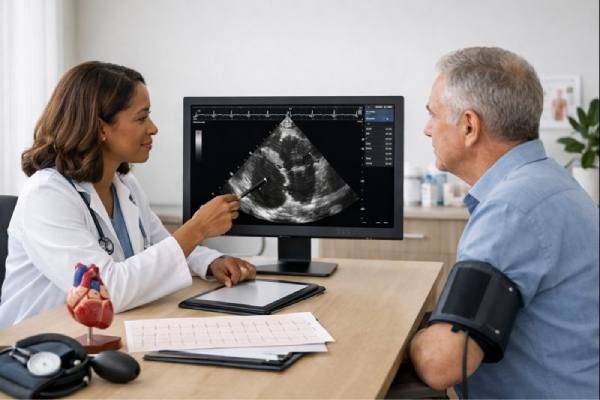
Cardiac hypertrophy means the heart muscle has become thicker than normal. Sometimes this thickening is a healthy adaptation, such as in well-trained endurance athletes. More often, it is the heart’s long-term response to stress—most commonly high blood pressure, valve disease, or an inherited cardiomyopathy. The problem is not only the extra muscle. Over time, thickened heart muscle can become stiff, making it harder for the heart to fill properly. It can also disrupt the heart’s electrical system, raising the risk of rhythm problems, shortness of breath, chest discomfort, or fainting.
If you have been told you have “LVH” (left ventricular hypertrophy) or “heart thickening” on an ECG or echocardiogram, the next step is understanding why it happened and what you can do to reduce risk and protect heart function.
Table of Contents
- What cardiac hypertrophy is and why it matters
- What causes cardiac hypertrophy and who is at risk
- Early symptoms, red flags, and common complications
- How cardiac hypertrophy is diagnosed
- Treatment options and what to expect
- Daily management, prevention, and when to seek care
What cardiac hypertrophy is and why it matters
Cardiac hypertrophy is an increase in heart muscle thickness and overall muscle mass. It most often affects the left ventricle, the main pumping chamber that sends blood to the body. You may see it described as left ventricular hypertrophy (LVH), “thickened walls,” or “increased LV mass.”
There are two broad patterns:
- Concentric hypertrophy: the wall gets thicker, and the chamber may become smaller. This typically happens with pressure overload, such as long-standing high blood pressure or a narrowed aortic valve.
- Eccentric hypertrophy: the chamber enlarges, and the wall may thicken as well. This is more typical of volume overload, such as significant valve leakage, or some forms of cardiomyopathy.
A helpful way to think about hypertrophy is that it starts as compensation. A thicker muscle can generate more force, which can help maintain output when the heart is under strain. The downside is that thicker muscle often becomes stiffer, so filling between beats can be harder. Over time, this can lead to:
- Diastolic dysfunction (impaired relaxation and filling)
- Higher oxygen demand of the heart muscle, sometimes contributing to chest pressure with exertion
- Electrical instability, which can trigger atrial fibrillation or other arrhythmias
- Fibrosis (scar-like changes) that can reduce efficiency and increase rhythm risk
Not all hypertrophy is harmful. “Athlete’s heart” can produce mild-to-moderate thickening that remains flexible and efficient. What separates a healthy adaptation from a risky one is the context (training versus disease), symptoms, family history, and imaging details such as cavity size, filling pressures, and whether scarring is present.
The goal after a diagnosis is to identify the driver—blood pressure, valve disease, sleep apnea, genetics, or something else—because hypertrophy often improves when the cause is treated early and consistently.
What causes cardiac hypertrophy and who is at risk
Cardiac hypertrophy is usually the heart’s response to repeated stress. The most common causes fall into a few practical categories.
1) Pressure overload (the heart pumps against resistance)
- High blood pressure (hypertension): the most frequent driver of LVH worldwide
- Aortic stenosis: a narrowed aortic valve forces the left ventricle to push harder
- Coarctation of the aorta: a congenital narrowing of the aorta
2) Volume overload (the heart handles extra blood volume)
- Aortic or mitral regurgitation: leaking valves increase the volume the ventricle must pump
- Shunts (less common in adults): abnormal connections that increase chamber workload
3) Primary heart muscle disease (cardiomyopathy)
- Hypertrophic cardiomyopathy (HCM): usually inherited; thickening is not explained by blood pressure or valve disease
- Dilated or restrictive cardiomyopathy patterns: hypertrophy can coexist with other remodeling changes
4) Metabolic, systemic, and infiltrative conditions
- Obesity and insulin resistance: increase workload and can promote remodeling
- Chronic kidney disease: affects blood pressure, volume status, and vascular stiffness
- Sleep apnea: repeated oxygen drops and blood pressure surges can contribute
- Infiltrative disease (less common but important): conditions like amyloidosis can mimic hypertrophy on imaging
Risk factors that raise the likelihood or speed of progression
- Uncontrolled blood pressure over years
- Family history of cardiomyopathy or sudden cardiac death
- Diabetes, high cholesterol, and smoking (often alongside hypertension)
- Long-standing anemia or thyroid disease (depending on type, can affect workload)
- Certain high-intensity training combined with underlying genetic susceptibility (rare, but relevant in athletes with symptoms)
One key point: the label “cardiac hypertrophy” is not a final diagnosis. It is a structural finding. Two people can have similar wall thickness for very different reasons—one may need tighter blood pressure control, another may need genetic evaluation, rhythm monitoring, or specialized cardiomyopathy care.
A smart next step is to pair the finding with its likely cause: blood pressure readings (home and clinic), medication history, valve assessment, sleep symptoms, and family history. That “why” determines the safest treatment plan.
Early symptoms, red flags, and common complications
Many people with cardiac hypertrophy feel normal at first—especially when the thickening is mild or has developed slowly. Symptoms often appear when stiffness increases, when the heart can’t relax well, or when rhythm problems begin.
Common early symptoms
- Shortness of breath with exertion, such as climbing stairs or walking uphill
- Reduced exercise tolerance or fatigue that feels “out of proportion”
- Chest pressure or tightness, especially with activity or stress
- Palpitations (awareness of heartbeat, fluttering, or pounding)
- Lightheadedness, particularly when standing quickly or during exercise
Symptoms that should be treated as urgent
- Fainting (syncope), especially during exertion
- New or worsening chest pain that does not resolve with rest
- Severe shortness of breath at rest, or waking up gasping for air
- Sudden, rapid heartbeat with dizziness, chest discomfort, or near-fainting
- Stroke-like symptoms (face droop, weakness on one side, trouble speaking)
Complications clinicians watch for
- Heart failure, especially the “stiff heart” pattern where pumping strength may look normal, but filling pressures are high
- Atrial fibrillation, which can cause palpitations, breathlessness, and stroke risk
- Ventricular arrhythmias (less common, but higher concern in certain cardiomyopathies)
- Ischemia (mismatch between oxygen supply and demand), sometimes causing angina-like discomfort
- Progressive valve problems, if valve disease is the underlying cause
Symptoms can also offer clues about the cause. For example, exertional dizziness and fainting raise suspicion for outflow obstruction in HCM or severe aortic stenosis. Nighttime choking sensations, loud snoring, and daytime sleepiness point toward sleep apnea, which is treatable and can meaningfully affect blood pressure and remodeling.
Practical tip: if you have intermittent symptoms, track them for 2–4 weeks—what you felt, how long it lasted, what you were doing, and any heart rate data from a wearable. That record can make rhythm testing and treatment decisions much more precise.
How cardiac hypertrophy is diagnosed
Diagnosis is usually a combination of history, exam, and targeted testing. The most important part is not only confirming thickening, but identifying what type it is and what is driving it.
1) Clinical evaluation
A clinician will usually ask about:
- Blood pressure history (including home readings)
- Exercise habits and training volume
- Sleep symptoms (snoring, witnessed apneas, morning headaches)
- Family history of cardiomyopathy, early heart failure, or sudden death
- Alcohol and stimulant use (including performance-enhancing substances)
2) Electrocardiogram (ECG)
An ECG can suggest LVH through voltage patterns and “strain” changes. However, ECG findings are not definitive. Some people with true hypertrophy have a normal ECG, and athletic training can create LVH-like patterns. ECG is still valuable for detecting:
- Rhythm problems (atrial fibrillation, frequent premature beats)
- Conduction delays
- Signs of prior injury or ongoing strain
3) Echocardiogram (heart ultrasound)
This is the workhorse test. It can measure:
- Wall thickness and chamber size
- Pumping function (ejection fraction)
- Diastolic filling and pressures
- Valve structure and severity of stenosis or regurgitation
- Outflow obstruction (important for HCM)
Echo reports may also include LV mass index and the geometric pattern (concentric versus eccentric). Those details help connect hypertrophy to likely causes.
4) Cardiac MRI (CMR)
MRI is often used when the cause is unclear or when cardiomyopathy is suspected. It provides highly accurate measurement of thickness and can detect fibrosis or scarring using contrast techniques. Scarring patterns can help distinguish hypertensive remodeling from HCM and from infiltrative conditions.
5) Additional testing based on the suspected cause
- Blood tests (kidney function, thyroid function, diabetes markers, sometimes iron studies)
- Sleep study if sleep apnea is likely
- Exercise testing if symptoms occur with exertion
- Rhythm monitoring (24-hour to 14-day monitors) for palpitations, fainting, or unexplained fatigue
- Genetic counseling and testing when HCM or inherited cardiomyopathy is suspected
A strong diagnostic approach answers three questions:
- Is the thickening mild, moderate, or severe?
- Is it explained by blood pressure, valves, or training?
- Is there evidence of scarring, obstruction, or rhythm risk that changes management?
Treatment options and what to expect
Treatment depends on the cause, the severity of thickening, symptoms, and whether complications (like arrhythmias or valve disease) are present. The central principle is simple: treat the driver, protect heart function, and reduce risk.
1) If high blood pressure is the cause
Consistent blood pressure control is one of the most effective ways to slow progression and, in many cases, reduce LV mass over time. Treatment often includes:
- A structured medication plan (commonly including medicines that lower afterload and improve remodeling)
- Clear home monitoring goals (often measured 4–7 days per week at first)
- Follow-up within weeks to adjust therapy rather than waiting months
Regression of hypertrophy is typically gradual. Many people see meaningful changes over 6–18 months when blood pressure is controlled and risk factors are addressed.
2) If valve disease is the cause
When hypertrophy is driven by a narrowed or leaking valve, medications can help symptoms, but the definitive treatment may be valve repair or replacement. Timing matters: treating severe valve disease earlier can prevent irreversible remodeling.
3) If hypertrophic cardiomyopathy is suspected or confirmed
Management is more specialized and may include:
- Medications to improve filling and reduce symptoms (and, in some cases, reduce outflow obstruction)
- Activity guidance tailored to symptoms and risk profile
- Rhythm monitoring and stroke prevention strategies when atrial fibrillation occurs
- Advanced options for obstruction that does not respond to medication, including procedures to reduce the obstructing tissue
- Risk assessment for sudden cardiac death and consideration of an implantable defibrillator in selected patients
4) Treating contributing conditions
These are often the “hidden levers” that make the biggest difference:
- Sleep apnea therapy (often improves blood pressure control)
- Diabetes and weight management
- Kidney disease optimization and salt balance
- Smoking cessation
- Careful review of stimulants and certain supplements
What to expect after starting treatment
- Symptom improvement can happen within 2–8 weeks, depending on the cause
- Structural improvement is slower; repeat imaging is often considered after 6–12 months unless symptoms change sooner
- Some people will have hypertrophy that stabilizes rather than reverses; that is still a win if function and rhythm risk remain controlled
Ask your clinician what success looks like in your case: a blood pressure target, symptom goals, activity goals, and when repeat imaging will be used to reassess risk.
Daily management, prevention, and when to seek care
Daily management is about lowering workload on the heart, protecting rhythm stability, and preventing progression. Small actions repeated consistently tend to matter more than one-time changes.
Daily and weekly habits that support regression and stability
- Home blood pressure monitoring: measure at the same times, record averages, and bring logs to appointments
- Movement: aim for steady aerobic activity most days of the week, building gradually; if you have HCM or significant symptoms, get individualized exercise guidance first
- Nutrition: prioritize vegetables, fruits, legumes, and minimally processed proteins; moderate salt intake can be especially important when blood pressure or fluid retention is an issue
- Sleep: target 7–9 hours; address loud snoring, witnessed apnea, or persistent morning fatigue
- Weight and waist management: even modest, sustained loss can reduce cardiac workload in many people
- Medication consistency: missed doses can undo weeks of progress, especially for blood pressure and rhythm control
Avoid common pitfalls
- Pushing through exertional chest pressure, severe breathlessness, or near-fainting
- Using stimulants (including some “pre-workout” products) without medical review
- Assuming a “normal ECG” means hypertrophy is harmless
- Skipping follow-up after an incidental finding; the cause matters
When to contact a clinician soon
- New palpitations that last more than a few minutes or recur frequently
- Gradually worsening exercise tolerance over weeks
- New leg swelling, persistent cough at night, or needing extra pillows to breathe comfortably
- Blood pressure consistently above your agreed target despite medication adherence
When to seek emergency care
- Fainting, especially during exercise
- Chest pain that persists more than a few minutes at rest
- Severe shortness of breath, confusion, or blue/gray lips
- Sudden weakness, facial droop, or speech difficulty
Finally, prevention is real: controlling blood pressure early, treating sleep apnea, staying active, and managing weight can reduce the likelihood that hypertrophy becomes symptomatic or progresses to heart failure. If you already have hypertrophy, these steps still reduce risk—and often improve quality of life within months.
References
- 2024 ESC Guidelines for the management of elevated blood pressure and hypertension 2024 (Guideline)
- 2023 ESH Guidelines for the management of arterial hypertension The Task Force for the management of arterial hypertension of the European Society of Hypertension: Endorsed by the International Society of Hypertension (ISH) and the European Renal Association (ERA) 2023 (Guideline)
- 2024 AHA/ACC/AMSSM/HRS/PACES/SCMR Guideline for the Management of Hypertrophic Cardiomyopathy: A Report of the American Heart Association/American College of Cardiology Joint Committee on Clinical Practice Guidelines 2024 (Guideline)
- Left Ventricular Hypertrophy: Etiology-Based Therapeutic Options 2022 (Review)
- Left Ventricular Hypertrophy 2023 (Clinical Review)
Disclaimer
This article is for educational purposes and does not replace medical advice, diagnosis, or treatment. Cardiac hypertrophy can have different causes with different levels of risk, so evaluation and management should be individualized by a qualified clinician. If you have chest pain, fainting, severe shortness of breath, or stroke-like symptoms, seek emergency care immediately.
If you found this article useful, please consider sharing it on Facebook, X (formerly Twitter), or any platform you prefer, and follow us on social media. Your support helps our team continue producing high-quality health content.