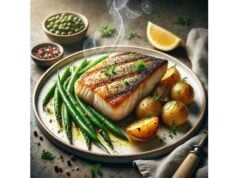
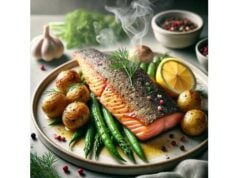
Carp is one of the world’s most widely farmed freshwater fish, valued for its mild flavor, affordability, and versatility in the kitchen. A typical serving delivers lean, complete protein along with omega-3 fats (EPA and DHA), selenium, phosphorus, and B-vitamins. Because carp thrives in ponds and low-input systems, it can be a sustainable option when raised responsibly. Home cooks appreciate its adaptable fillets for baking, steaming, pan-frying, or forming into fish cakes and dumplings. If you’ve heard carp can taste “muddy,” smart handling—skin removal, trimming the dark lateral flesh, and using aromatics—keeps flavors clean. As with any freshwater fish, it’s wise to follow local advisories for wild-caught fish and cook properly to reduce parasite risk. Below, you’ll find a detailed nutrition profile per 100 g, evidence-based benefits, clear safety notes, and practical tips for choosing, storing, and preparing carp so it tastes great and supports your health.
Quick Facts
- Provides ~23 g protein and ~0.56 g EPA+DHA per 100 g cooked.
- Typical serving: 100–150 g cooked, enjoyed 1–2 times weekly.
- Freshwater fish may carry local contaminant risks; follow regional advisories.
- People who are pregnant, nursing, or young children should limit high-contaminant fish and prefer tested sources.
Table of Contents
- Detailed Overview
- Nutrition Profile
- Evidence-Based Health Benefits
- Risks, Allergies and Interactions
- Selecting, Quality, Sustainability and Storage
- Preparation, Cooking and Nutrient Retention
- Portions, Comparisons and FAQs
Carp basics and culinary uses
Carp (most commonly Cyprinus carpio, or common carp) is a freshwater omnivorous fish that has been part of traditional cuisines across Europe and Asia for centuries. It’s often pond-raised, grows well on plant-forward feeds, and adapts to a range of water conditions, which explains its global popularity and relatively low price. In kitchens, carp is a “blank-canvas” fish: mild, slightly sweet, and firm enough to handle moist-heat methods like poaching or steaming, as well as dry-heat approaches such as roasting or pan-searing. Because fillets may contain fine intramuscular bones and a strip of darker “red” muscle near the skin, simple knife work—scoring, pin-boning, and trimming the darker band—improves texture and flavor.
Flavor management is all about handling. To keep the taste clean, remove the skin on strongly flavored fish, trim the lateral line, rinse and pat dry, then cook with fresh herbs, citrus, ginger, garlic, or light miso. Quick brining (2–3% salt for 15–20 minutes) firms the flesh and seasons evenly. For delicate applications, carp works in fish cakes, quenelles, dumplings, and soups, where its fine flakes bind well without becoming dry. In heartier dishes, try shallow-frying scored fillets until crisp, then finishing in a light sauce; or roast with root vegetables and a lemon-herb dressing.
Nutritionally, carp provides complete protein (all essential amino acids) and marine-type omega-3 fatty acids—EPA and DHA—albeit in lower amounts than cold-water oily species. It also supplies selenium, phosphorus, potassium, and several B-vitamins, with negligible carbohydrate. That profile suits many eating patterns: Mediterranean-style menus, lower-carb approaches, and balanced family meals. From a sustainability angle, responsibly farmed carp can be a resource-efficient choice, especially when sourced from audited farms.
Safety and sourcing deserve attention. Wild-caught freshwater fish can carry region-specific contaminants; check local advisories, especially for sensitive groups. Always cook thoroughly to an internal temperature of 145°F (63°C) or until the flesh turns opaque and flakes easily. With smart selection, careful handling, and right-sized portions, carp can be an economical, satisfying, and health-supportive seafood option.
Carp nutrition profile (100 g)
Serving context: Values below reflect cooked, dry-heat carp, per 100 g. Percent Daily Values (%DV) use current U.S. labeling DVs. Fatty acid values vary with diet and farming; numbers shown are representative.
Macros & Electrolytes (per 100 g cooked)
| Nutrient | Amount | %DV |
|---|---|---|
| Energy | 162 kcal | — |
| Protein | 22.8 g | 46% |
| Total fat | 7.2 g | 9% |
| Saturated fat | 1.4 g | 7% |
| Carbohydrate | 0 g | 0% |
| Sodium | 63 mg | 3% |
| Potassium | 427 mg | 9% |
| Water | ~69 g | — |
Fats & Fatty Acids
| Fatty acid category | Amount | %DV / Note |
|---|---|---|
| Monounsaturated fat | ~3.0 g | — |
| Polyunsaturated fat | ~1.8 g | — |
| Omega-3 (EPA+DHA+DPA) | ~0.56 g | No DV (general target: ≥0.25 g/day EPA+DHA) |
| – EPA (20:5n-3) | ~0.31 g | — |
| – DPA (22:5n-3) | ~0.11 g | — |
| – DHA (22:6n-3) | ~0.15 g | — |
| Omega-6 (mostly linoleic/ARA) | ~0.66 g | — |
| Cholesterol | ~84 mg | — (no established DV) |
Protein & Amino Acids
Carp provides complete protein. Typical 100 g portions cover ~40–85% of essential amino acid needs for an average adult, with lysine and methionine notably well represented. (Exact amino acid values vary by feed and life stage.)
Vitamins
| Vitamin | Amount | %DV |
|---|---|---|
| Thiamin (B1) | 0.14 mg | 12% |
| Riboflavin (B2) | 0.07 mg | 5% |
| Niacin (B3) | 2.1 mg | 13% |
| Vitamin B5 (pantothenic acid) | 0.87 mg | 17% |
| Vitamin B6 | 0.22 mg | 13% |
| Folate (DFE) | 17 µg | 4% |
| Vitamin B12 | 1.4 µg | 59% |
| Vitamin D | — | — (variable/limited data in freshwater fish) |
Minerals
| Mineral | Amount | %DV |
|---|---|---|
| Phosphorus | ~531 mg | 42% |
| Selenium | ~16 µg | 30% |
| Potassium | 427 mg | 9% |
| Magnesium | ~38 mg | 9% |
| Iron | ~1.7 mg | 9% |
| Zinc | ~1.9 mg | 17% |
| Calcium | ~52 mg | 4% |
| Copper | ~0.07 mg | 8% |
| Sodium | 63 mg | 3% |
Contaminants/Residues & Allergens (context)
Freshwater fish composition reflects local waters. Mercury is generally moderate to low compared with large ocean predators, but PCB/PFAS burdens can be higher in certain rivers and lakes. Fish is a major allergen; reactions can be severe.
Glycemic & Acid–Base Metrics
Carp contains essentially 0 g carbohydrate, 0 g sugars, and is glycemically neutral. Its moderate protein and minerals contribute to satiety and overall nutrient density.
Footnote: Values represent typical cooked common carp (dry heat). Omega-3 and micronutrient contents vary with feed, habitat, and farming practices.
Evidence-based health benefits of carp
1) High-quality protein for muscle and recovery
With ~23 g protein per 100 g cooked, carp helps meet daily protein needs for tissue repair, enzyme and hormone production, and immune function. Because fish protein is highly digestible and complete, it’s useful for athletes, older adults preserving lean mass, and anyone recovering from illness or surgery. Pairing carp with potassium-rich vegetables and whole grains yields a balanced amino acid profile and supports post-exercise rehydration and glycogen repletion.
2) Marine-type omega-3s that support heart and brain
Carp supplies EPA and DHA—the physiologically active long-chain omega-3 fats linked to cardiometabolic and neurocognitive benefits. A typical 100 g portion provides roughly 0.56 g EPA+DHA, enough to help reach common intake targets (about 250–500 mg/day for adults). Regular inclusion is associated with lower triglycerides, improved endothelial function, and anti-inflammatory signaling. While carp’s omega-3 content is lower than in salmon or mackerel, consistent weekly servings still move the needle for most diets.
3) Selenium and phosphorus for antioxidant defense and bone health
Selenium (≈30% DV per 100 g) is integral to glutathione peroxidases and thioredoxin reductases—enzymes that protect lipids and DNA from oxidative damage. Phosphorus (≈42% DV) supports energy metabolism (ATP), bone mineralization, and acid–base balance. Together with modest magnesium and potassium, carp helps meet mineral needs often under-consumed in Western diets.
4) B-vitamins for energy metabolism
Carp provides several B-vitamins—thiamin, niacin, B6, and B12—that act as coenzymes in carbohydrate, fat, and protein metabolism. B12, in particular (~59% DV per 100 g), supports red blood cell formation and neurological function, which is helpful for people with low meat intake or limited absorption.
5) Weight-smart and blood sugar-friendly
Carp is naturally free of carbohydrates and sugars, with a high protein-to-calorie ratio. Protein increases satiety and diet-induced thermogenesis, often leading to lower subsequent energy intake. When prepared with minimal added fat (e.g., steaming, baking, poaching), carp fits weight-management plans and has negligible impact on blood glucose.
6) Potential sustainability advantages
In many systems, pond-raised carp converts plant-based feeds efficiently, making it less reliant on wild fish oils and meals than marine carnivores. This can reduce pressure on forage fisheries and lower feed conversion ratios. Responsible farms also recycle nutrients, integrating carp into polyculture with plants or other species.
Practical tip: If your goal is omega-3 adequacy, plan two seafood meals per week, mixing carp with one higher-EPA/DHA fish (like sardines or salmon). If you’re prioritizing affordability and sustainability, lean recipes based on carp fillets or fish cakes can anchor budget-friendly, nutrient-dense meals.
Risks, allergies and interactions
Allergy risk
Fish is a major allergen. Reactions range from hives and wheeze to anaphylaxis. If you have a known fish allergy—or have reacted to related cyprinid species—avoid carp and discuss testing with an allergist. Cross-reactivity across fish species is common due to similar parvalbumin proteins.
Parasites and raw consumption
Freshwater fish can harbor parasites. To reduce risk, cook carp to 145°F (63°C) or until opaque and flaking. Commercial freezing regimes can inactivate many parasites in fish intended for raw service, but procedures vary and home freezers are not reliable for parasite control. When in doubt, cook thoroughly rather than eating carp raw.
Environmental contaminants
Contaminant profiles depend on local waters and farming practices:
- Mercury: Typically lower than large marine predators, but levels vary.
- PCBs/dioxins: Can be elevated in legacy-polluted rivers or lakes.
- PFAS: Recent research indicates locally caught freshwater fish in some U.S. waters may contribute meaningful PFAS exposure.
To minimize risk, follow regional fish advisories, trim skin and visible fat (where persistent pollutants may concentrate), and vary your seafood choices across species and sources.
Medication and nutrient interactions
- Anticoagulants/antiplatelets: Regular high intakes of omega-3 fats can have mild antiplatelet effects; standard dietary amounts are usually safe, but people on blood thinners should keep intake consistent and inform clinicians.
- Iodine/thyroid: Iodine content in carp is generally low compared with marine fish; those on thyroid therapy typically do not need to restrict carp for iodine reasons.
- Histamine intolerance: Spoiled fish can accumulate biogenic amines; buy from cold chains you trust and store promptly.
Food safety pointers
Keep carp at ≤40°F (4°C) from purchase to cooking. Use separate boards for raw fish and ready-to-eat foods. If marinating, do so under refrigeration and discard used marinades. Leftovers should be cooled quickly and eaten within 1–2 days, reheated to steaming.
Who should limit or avoid?
- People who are pregnant, trying to conceive, or breastfeeding, and young children: prefer tested, low-contaminant sources and heed local advisories for wild freshwater fish.
- Individuals with fish allergy: avoid carp entirely.
- Anyone under medical guidance to restrict phosphorus (e.g., some kidney conditions) should portion carefully, as carp is phosphorus-rich.
Selecting, quality, sustainability and storage
How to choose fresh carp
- Appearance: Moist, translucent fillets with no gaping; if whole, bright eyes and firm, springy flesh.
- Aroma: Clean and marine/freshwater-fresh, not fishy or “muddy.”
- Skin and dark flesh: If sensitive to strong flavors, ask for skin-off fillets and trim the darker lateral line.
- Bones: Expect fine pin bones; many markets offer pre-pin-boned fillets or will do it on request.
Sourcing smarter
- Farmed carp: Look for farms that document water quality, feed transparency, and responsible effluent management. Certifications (regional or global) and audited suppliers are strong signs of good practices.
- Wild-caught carp: Ideal from clean, well-monitored waters. Always check your region’s fish advisories for consumption guidance, especially for children and people who are pregnant.
Sustainability snapshot
Carp can be resource-efficient in polyculture and low-input pond systems, making use of plant-based feeds and agricultural by-products. When raised responsibly, it compares favorably with more feed-intensive marine carnivores. In some regions, wild common carp is considered invasive; harvesting can support habitat restoration—verify local regulations and ecological programs.
Storage basics
- Refrigeration: Hold at 32–34°F (0–1°C) on ice or the coldest shelf. Cook within 24–48 hours of purchase.
- Freezing: Wrap air-tight (plastic + freezer paper or vacuum-seal). For best quality, use within 3–4 months. Thaw in the refrigerator, never on the counter.
- Leftovers: Cool quickly; store 1–2 days. Reheat gently to retain moisture.
Quality boosters
Brine (2–3% salt, 15–20 minutes) for juicier texture. For cleaner flavor, marinate briefly with lemon, ginger, or light vinegar, then pat dry before cooking. Scoring the skin side (if kept on) and the thickest part of the fillet promotes even heat transfer and crisping.
Preparation, cooking and nutrient retention
Core safety standard
Cook carp to an internal temperature of 145°F (63°C) or until the flesh is opaque and flakes easily. This temperature balances safety (reducing parasite and pathogen risk) with good texture.
Flavor-forward prep
- Trim and dry: Remove skin if flavors run strong; trim the darker lateral band. Pat fillets very dry.
- Season smartly: Salt 15–30 minutes ahead (or quick-brine), then add aromatics (garlic, scallion, ginger), herbs (dill, parsley, cilantro), citrus, or miso.
- Choose a method:
- Steam/poach: Most tender, excellent nutrient retention. Finish with scallion-ginger oil or citrus-herb drizzle.
- Bake/roast (400°F/205°C): Convenient; brush with a thin layer of oil to prevent drying.
- Pan-sear: Crisp outside, moist inside. Sear 2–4 minutes per side depending on thickness.
- Shallow-fry: Score thick fillets, dust lightly with rice flour, fry until golden, and drain well.
- Mince into cakes/dumplings: Combine with egg white, aromatics, and a small amount of starch; steam or pan-sear.
Maximizing omega-3s and micronutrients
- Gentle heat wins: Steaming, poaching, and baking at moderate temperatures better preserve EPA/DHA than high-temperature deep-frying.
- Mind the oil: Frying in seed oils adds omega-6 and can lower the relative n-3:n-6 ratio of the meal. If you pan-sear, use just enough high-heat-tolerant oil and pair with omega-3-rich sides (e.g., walnuts, canola-flax blends).
- Minimal water loss: Overcooking squeezes out juices that carry water-soluble B-vitamins. Pull the fish as soon as it flakes.
- Acidic finishes: Lemon or vinegar after cooking brightens flavor without nutrient loss.
- Bone-in broths: Carp bones contribute calcium and collagen to soups; simmer gently and strain well to remove fine bones.
Five reliable recipes to try
- Steamed carp with ginger-scallion: 8–12 minutes over simmering water; finish with hot oil infused with ginger and scallion.
- Oven-roasted fillet with lemon-dill: 10–14 minutes at 400°F (205°C); serve with roasted potatoes and greens.
- Pan-seared carp with capers: Quick sear, then briefly simmer in lemon-capers-parsley.
- Carp fish cakes: Minced fillet, egg white, grated onion, herbs; pan-sear until golden.
- Tomato-herb carp stew: Poach chunks in a garlicky tomato base; finish with olives and parsley.
Leftovers and meal prep
Chill promptly. Reheat gently (low oven or covered skillet with a splash of broth). Flake into grain bowls, salads with citrus vinaigrette, or tuck into tacos with crunchy slaw.
Portions, comparisons and FAQs
How much carp is a serving?
For most adults, 100–150 g cooked (about 3.5–5 oz) per meal is reasonable. Enjoying carp 1–2 times weekly fits common seafood guidance while keeping room for variety (e.g., one higher-omega-3 fish and one lean white fish).
How does carp compare to other fish?
- Versus salmon/mackerel: Carp typically provides less EPA+DHA but still contributes meaningfully—about 0.56 g per 100 g cooked versus ~1–2 g in oily species.
- Versus tilapia/catfish: Carp usually offers more omega-3s than these very lean freshwater fish, with a similar or slightly higher fat content.
- Protein: Carp’s ~23 g/100 g is on par with most finfish.
- Minerals: Strong for phosphorus and selenium; potassium is moderate.
Is carp “muddy”? How do I avoid that?
Off-flavors are linked to compounds like geosmin/2-MIB from algae. Solutions: buy from cold, clean sources; skin and trim the dark lateral flesh; cook with aromatics and acid; and use fresh herbs. Rapid icing after harvest also helps.
Can I eat carp raw?
Not recommended at home due to parasite risk in freshwater fish. Commercial operations that serve carp raw should follow validated freezing protocols; if you cannot verify those, choose cooked preparations.
What about mercury and PFAS?
Mercury in carp is typically lower than in large marine predators, but freshwater fish can be affected by local contaminants, including PFAS in some regions. Follow your local fish advisories, favor tested sources, and vary species across the week.
What if I’m watching phosphorus or potassium?
Carp is phosphorus-rich (~42% DV per 100 g). If you have kidney disease or a medically prescribed low-phosphorus plan, consult your clinician and dietitian about portion size and frequency.
Budget and availability tips
Buy whole fish (have it filleted in store) for savings. Frozen fillets from reputable processors are excellent; thaw slowly in the refrigerator. Minced carp stretches into patties or dumplings for cost-effective meals.
Bottom line
Carp is an accessible, versatile way to add high-quality protein and essential nutrients to your week. Source smartly, cook simply, and keep portions moderate—your taste buds and health will both benefit.
References
- Advice about Eating Fish 2024 (Guidance)
- Selecting and Serving Fresh and Frozen Seafood Safely 2024 (Guidance)
- Locally caught freshwater fish across the United States are likely a significant source of exposure to PFAS 2023 (Study)
- About Anisakiasis 2024 (Guidance)
- Nutrition Facts for Fish, carp, cooked, dry heat 2024 (Database)
Disclaimer
This article provides general nutrition and safety information for educational purposes. It is not a substitute for personalized medical advice, diagnosis, or treatment. Always consult a qualified healthcare professional about your specific health needs, especially regarding pregnancy, breastfeeding, allergies, chronic conditions, or medication use. Follow local fish consumption advisories and food safety guidance in your area.
If you found this guide helpful, please consider sharing it on Facebook, X (formerly Twitter), or the platform you prefer to support our continued work on high-quality, evidence-based content. Thank you.