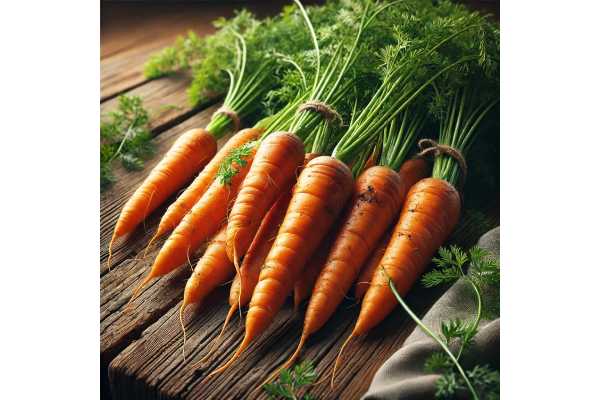
Carrots are one of the most familiar vegetables on the plate, yet they have far more to offer than a sweet crunch and bright orange color. As a root vegetable, carrot fits easily into everyday meals, from raw snack sticks and salads to soups, stews, roasted trays, and smoothies. Beneath that colour is a rich mix of carotenoids, fiber, vitamin K, potassium, and other micronutrients that support eye health, heart health, and overall wellbeing. Carrots are naturally low in calories and relatively affordable, making them a practical choice whether you cook at home regularly or are just starting to improve your diet.
This article walks you through what is actually inside a carrot, how research links carrot intake with specific health outcomes, and how to choose, store, and cook carrots to preserve both flavour and nutrients. You will also find guidance on realistic portions, safety points, and answers to common questions.
Carrot Nutrition Snapshot
- One 80–100 g raw carrot provides around 40 kcal, 2–3 g fiber, and a high amount of vitamin A activity from beta carotene.
- Regular carrot intake is associated with better markers of eye, heart, and metabolic health as part of an overall balanced diet.
- A reasonable serving for most adults is 1 medium carrot (80–100 g) once or twice per day as part of mixed vegetables.
- People with true carrot or related pollen allergies, or those who juice large volumes with kidney or potassium issues, may need stricter limits.
- Carrots are generally considered low in FODMAPs and usually well tolerated in irritable bowel syndrome at common serving sizes.
Table of Contents
- Carrot varieties, forms and roles
- Carrot nutrition profile in detail
- Carrot health benefits explained
- Carrot risks, allergies and interactions
- Choosing and storing carrots sustainably
- Cooking carrots for best nutrition
- Carrot portions, comparisons and FAQs
Carrot varieties, forms and roles
Carrot (Daucus carota subsp. sativus) is a cool-season root vegetable originally domesticated from a tougher, more bitter wild plant. Modern cultivated carrots are bred for sweetness, tenderness, and uniform shape. While the familiar supermarket carrot is bright orange, older and specialty varieties can be yellow, white, red, or deep purple, each with slightly different mixes of pigments and phytonutrients.
In food classification systems, carrots sit within non-starchy vegetables, meaning they are lower in calories and carbohydrate than root crops such as potatoes. They are naturally free of cholesterol and contain only trace fat, so their main “energy” contribution comes from natural sugars and starch. At the same time, they supply dietary fiber and a very high amount of provitamin A carotenoids, especially beta carotene, which gives orange carrots their colour.
You will usually see carrots sold in several forms:
- Whole carrots, sometimes with the leafy tops still attached.
- Pre-trimmed or “baby-cut” carrots made from larger roots.
- Shredded, sliced, or matchstick carrots for salads and stir fries.
- Frozen sliced or mixed vegetables containing carrot.
- Carrot juice, smoothies, purées, and baby food.
Each form has similar core nutrients when you adjust for weight, but the texture, convenience, and potential nutrient losses differ. For example, juicing removes almost all the fiber yet concentrates sugar and carotenoids, while lightly cooked sliced carrots keep most of their fiber and nutrients but may lose some vitamin C.
Culinarily, carrots are extremely adaptable. Raw, they add crunch and sweetness to salads, slaws, and snack platters. Cooked, they become tender and slightly caramelised, fitting into soups, braises, roasts, curries, and even cakes and desserts. Because they pair well with both savoury and sweet flavours, carrots are an easy “bridge” vegetable for children and adults who are still expanding their palate.
Carrot nutrition profile in detail
Standard food composition data for raw carrots show a low energy density with meaningful amounts of fiber, potassium, and several vitamins, especially those related to eye and immune function. The values below are for 100 g of raw carrot (about one medium carrot), with approximate adult Daily Values (%DV) based on a 2,000 kcal diet.
Macros and electrolytes (per 100 g raw carrot)
| Nutrient | Amount per 100 g | Approx. %DV | Notes |
|---|---|---|---|
| Energy | 41 kcal | — | Low energy density |
| Water | 88 g | — | High water content |
| Protein | 0.9 g | 2% | Small contribution to protein intake |
| Total fat | 0.2 g | 0% | Almost fat free |
| Carbohydrate, total | 9.6 g | 3% | Mostly natural sugars and starch |
| Dietary fiber | 2.8 g | 10% | Mix of soluble and insoluble fiber |
| Total sugars | 4.7 g | — | Mainly sucrose and glucose |
| Sodium | 69 mg | 3% | Naturally present, moderate |
| Potassium | 320 mg | 7% | Supports normal blood pressure |
Vitamins (per 100 g raw carrot)
| Vitamin | Amount per 100 g | Approx. %DV | Role |
|---|---|---|---|
| Vitamin A (as retinol activity equivalents) | 835 µg | 90–95% | Vision, immune function, skin and mucosal health |
| Vitamin K (phylloquinone) | 13.2 µg | 11% | Blood clotting, bone health |
| Vitamin C (ascorbic acid) | 5.9 mg | 7% | Antioxidant, collagen synthesis |
| Vitamin B6 (pyridoxine) | 0.14 mg | 8% | Amino acid metabolism, nervous system |
| Folate (vitamin B9) | 19 µg | 5% | DNA synthesis, red blood cell formation |
Minerals (per 100 g raw carrot)
| Mineral | Amount per 100 g | Approx. %DV | Role |
|---|---|---|---|
| Potassium | 320 mg | 7% | Fluid balance, blood pressure control |
| Manganese | 0.1 mg | 4–5% | Enzyme cofactor, antioxidant enzymes |
| Calcium | 33 mg | 3% | Bone health (modest contribution) |
| Magnesium | 12 mg | 3% | Muscle and nerve function |
| Phosphorus | 35 mg | 3% | Bone and cell membrane structure |
Bioactive compounds
Beyond classical vitamins and minerals, carrots are notable for several phytonutrients:
- Carotenoids: beta carotene, alpha carotene, lutein, and others. Orange carrots are particularly rich in beta carotene, while purple and red carrots also supply anthocyanins and lycopene-like pigments.
- Polyphenols and phenolic acids: such as chlorogenic acid, which may contribute antioxidant and anti-inflammatory effects.
- Soluble and fermentable fibers: that act as a substrate for beneficial gut bacteria.
These compounds are not always listed on nutrition labels but help explain why carrots feature in studies on heart, eye, and metabolic health.
Notes:
- All values are approximate and can vary with carrot variety, growing conditions, and storage.
- Daily Values are rounded for simplicity and are intended for general comparison, not clinical dosing.
- Values refer to raw, unfortified carrot without added salt, oil, or sauces.
Carrot health benefits explained
When people talk about carrots being “good for you,” they are usually referring to their high carotenoid content, fiber, and mix of vitamins and minerals. Research explores how these components relate to real-world health outcomes in several areas.
1. Eye health and vision
Carrots are famous for eye health because beta carotene can be converted by the body into vitamin A, which is essential for maintaining normal vision, especially in low light, and for keeping the surface of the eye and surrounding tissues healthy. Diets that provide enough vitamin A help prevent deficiency-related problems such as night blindness, though carrots will not give you “superhuman” night vision.
Carrots also provide lutein and zeaxanthin, carotenoids that accumulate in the retina and may help protect against age-related eye changes when combined with an overall nutrient-dense dietary pattern.
2. Heart and blood vessel support
Population research suggests that people who regularly eat carotenoid-rich vegetables, including carrots, tend to have lower rates of cardiovascular disease over time, although these studies cannot prove cause and effect. Likely contributors include:
- Potassium, which helps counterbalance sodium and supports healthy blood pressure.
- Soluble and insoluble fiber, which can modestly support cholesterol management and healthier body weight.
- Carotenoids and polyphenols with antioxidant and anti-inflammatory actions, which may play a role in protecting blood vessels from everyday oxidative stress.
3. Cancer-related findings
Analyses that combine data from many observational studies have found that higher carrot intake is often associated with lower incidence of several cancers, including some digestive and lung cancers. These associations appear dose-responsive in some analyses, meaning risk tended to drop as carrot intake rose within usual dietary ranges.
These findings are promising but should be interpreted carefully. Carrot eaters often have generally healthier diets and lifestyles. Still, the pattern supports including carrots and other colourful vegetables as part of long-term cancer prevention strategies.
4. Metabolic, weight, and blood sugar effects
Carrots are relatively low in calories and provide fiber that promotes fullness, which can help with weight management when they replace more energy-dense snacks. Raw carrots have a relatively low glycemic load because a typical serving does not contain a large amount of carbohydrate, and the fiber slows digestion.
Cooked carrots can have a higher glycemic index than raw, but in realistic portions, especially when eaten alongside protein, fats, and other vegetables, they fit well within most blood sugar management plans.
5. Gut and immune support
Carrot fiber adds bulk to stool and feeds beneficial gut bacteria, contributing to regularity and a more diverse microbiome. The combination of carotenoids and vitamin C supports immune function indirectly by maintaining healthy mucous membranes and providing antioxidant activity that helps protect cells against everyday oxidative stress.
Overall, carrots work best not as a “magic bullet” but as a frequently used, versatile vegetable that supports multiple systems when eaten regularly alongside other plant foods, lean proteins, and healthy fats.
Carrot risks, allergies and interactions
For most people, carrots are safe, affordable, and well tolerated. However, there are some specific situations where caution or individual adjustment is important.
1. Carrot allergy and oral allergy syndrome
Some individuals experience allergic reactions to carrots, particularly when eaten raw. This can be part of oral allergy syndrome, a condition where proteins in certain fruits and vegetables cross-react with tree or weed pollen. In the case of carrots, cross-reactivity is often seen with birch or mugwort pollen.
Typical symptoms include:
- Itching or tingling in the mouth or throat after eating raw carrot
- Swelling of lips, tongue, or throat
- Less commonly, stomach discomfort or more general allergic symptoms
Many people with this pattern tolerate well-cooked carrot, because heating changes the structure of the allergenic proteins. Anyone with more severe reactions (breathing difficulty, widespread hives, or dizziness) should avoid carrots and seek medical assessment.
2. Skin discoloration from excessive intake
Very high, long-term intake of carotene-rich foods like carrots can cause a harmless condition called carotenodermia, where the skin—especially on the palms and soles—turns yellow-orange. This is not the same as jaundice and usually resolves when intake is reduced. It is more likely when large amounts of carrot juice or purée are consumed daily.
3. Digestive tolerance and FODMAPs
Carrots are generally considered low in fermentable carbohydrates and are commonly tolerated in people with irritable bowel syndrome at ordinary servings (for example, 75–90 g). Larger servings may still cause fullness or discomfort in very sensitive individuals, so it is sensible to increase portions gradually and monitor symptoms.
4. Blood sugar management
While carrots contain natural sugars, their overall carbohydrate load per serving is modest. Raw carrot sticks are usually more blood sugar friendly than large glasses of carrot juice, which concentrate sugars and remove fiber. People with diabetes or prediabetes do not usually need to avoid carrots but may wish to prioritise whole forms and include them within their planned carbohydrate allowance.
5. Potassium, kidney health, and medications
A standard serving of carrots does not provide excessive potassium for most people. However, regularly drinking large volumes of carrot juice or smoothies could contribute meaningful potassium loads. Individuals with advanced kidney disease who have been instructed to restrict potassium should discuss appropriate portion sizes with their renal dietitian or physician.
Carrots contain modest vitamin K, so they are unlikely to dramatically affect vitamin K–sensitive medications at normal portions. Even so, people taking warfarin or similar drugs are often advised to keep vitamin K intake reasonably consistent from day to day, including from carrots and other vegetables.
Choosing and storing carrots sustainably
Good selection and storage help you get the best flavour and nutrition from carrots while keeping waste low.
How to select quality carrots
Look for the following when shopping:
- Firm, crisp roots without soft spots or obvious cracks.
- Bright, even colour (orange, purple, yellow, or white depending on the variety).
- Minimal browning or blackening at the tip or top.
- If greens are attached, they should be fresh and vibrant, not limp or yellowing.
Smaller or medium-sized carrots often taste sweeter and more tender than very large ones, which can sometimes be woody in the centre. Pre-cut baby carrots are convenient but may dry out faster and are usually slightly more expensive per kilogram.
Organic, conventional, and sustainability considerations
Carrots can accumulate some residual pesticides in the skin because they grow underground, although regulatory limits are designed to protect consumers. Washing under running water and peeling where appropriate helps reduce residues and soil. Choosing organic carrots can reduce pesticide exposure and may align with environmental preferences, but it is not essential for health if budget is tight.
From a sustainability perspective:
- Prioritise local or regional carrots when possible to reduce transport distance.
- Buy loose carrots instead of heavily packaged options to cut down on plastic.
- Use the entire carrot where safe: tender tops can be blended into pesto-like sauces or used sparingly in soups for extra flavour.
Storage for freshness and nutrient retention
To keep carrots fresh:
- Remove leafy tops shortly after purchase, as they draw moisture from the root.
- Store carrots in the refrigerator, ideally in the crisper drawer, in a breathable bag or container.
- To prevent drying, many people keep peeled or cut carrots submerged in cold water in the fridge, changing the water every day or two.
- Keep carrots away from ethylene-producing fruits like apples, pears, and bananas, which can accelerate spoilage.
Whole carrots can last several weeks in the refrigerator when stored correctly. Pre-cut carrots have a shorter shelf life and should usually be eaten within a few days for best texture and flavour.
Cooking carrots for best nutrition
Cooking can both enhance and reduce different aspects of carrot nutrition. Understanding these trade-offs helps you choose methods that fit your health priorities and taste.
Raw versus cooked carrots
- Raw carrots preserve heat-sensitive nutrients like vitamin C and some polyphenols. Their crunchy texture and higher chewing effort can promote satiety and slow eating.
- Cooked carrots tend to have softer texture and sweeter taste due to breakdown of cell walls and starches. Gentle cooking actually improves the bioavailability of fat-soluble carotenoids, because heat and cell disruption make them easier to release and absorb, especially when eaten with a small amount of fat.
A mix of raw and cooked carrots across the week offers the best of both worlds.
Comparison of cooking methods
- Steaming: Minimises contact with water, helping retain water-soluble vitamins while softening texture. Usually a good default method.
- Microwaving with minimal water: Quick and generally protective of nutrients when carrots are not overcooked.
- Sautéing or stir-frying: Uses a small amount of oil, which can help carotenoid absorption. Limit high temperatures and prolonged cooking to avoid burning.
- Roasting: Produces rich flavour and caramelisation. Some vitamin C is lost, but carotenoid availability can increase.
- Boiling: Simple, but water-soluble nutrients may leach into the cooking water. This is less of an issue if the liquid is used in soups or stews.
Practical tips for nutrient-conscious cooking
- Cut carrots into larger pieces if you plan to cook them for a long time, such as in stews, to reduce surface area for nutrient loss.
- For quick side dishes, lightly steam or sauté sliced carrots until just tender, not mushy.
- Pair carrots with a source of healthy fat (olive oil, nuts, seeds, avocado, or oily fish) to support carotenoid absorption.
- Use cooking liquids (for example, from soups or braises) rather than discarding them, as they may contain dissolved vitamins and minerals.
Popular preparation ideas
- Raw sticks with hummus, yogurt dip, or nut butter.
- Grated carrots in salads, slaws, or wraps.
- Roasted carrot wedges with herbs and spices.
- Carrots simmered in lentil or bean soups.
- Lightly glazed carrots using a small amount of honey or maple syrup balanced with vinegar and spices.
- Carrot-based smoothies and juices, preferably combined with other fruits and vegetables and not relied on as the main vegetable intake.
Carrot portions, comparisons and FAQs
Portion size matters both for nutritional adequacy and for avoiding excessive intake of any one food.
Realistic carrot portions
For most adults, a typical serving of carrots is:
- About 80–100 g raw carrot (one medium carrot), or
- Around ½ cup cooked sliced carrot, or
- Roughly ½ cup raw grated carrot.
As part of general vegetable recommendations, including carrots several times per week, and up to one or two moderate servings per day, suits most healthy adults. Those who rely heavily on carrot juice or eat very large quantities daily may wish to moderate intake to reduce the chance of skin discoloration or excessive carotene intake.
Carrots compared with other vegetables
- Carrots versus potatoes: Carrots are lower in calories and carbohydrate and higher in vitamin A but provide less vitamin C and less starch-based energy.
- Carrots versus sweet potatoes: Sweet potatoes generally contain even more beta carotene per 100 g and more carbohydrate and energy. Carrots are crisper and easier to eat raw.
- Carrots versus leafy greens: Leafy greens often offer more vitamin K and folate, while carrots stand out for provitamin A carotenoids and their unique role as a crunchy snack vegetable.
Frequently asked questions
Are carrots good for diabetes?
In typical portions, yes. Whole carrots have a modest effect on blood glucose, especially when eaten with protein, fat, and other vegetables. Carrot juice is more concentrated in sugars and should be portion controlled in blood sugar management plans.
Can I eat carrots every day?
Most people can safely eat carrots daily as part of a varied diet. If you notice your skin developing a yellow-orange tint, especially on the palms and soles, reduce very large intakes, particularly from juice or purées.
Do carrots really improve night vision?
Adequate vitamin A intake is essential for normal night vision. Carrots help maintain vitamin A status, especially in diets that are otherwise low in carotenoids and animal sources of vitamin A. However, once your vitamin A stores are adequate, eating more carrots will not keep improving vision.
Are carrot tops edible?
Yes, in moderation. Young, fresh carrot greens can be used much like parsley in pestos, soups, and grain dishes. They should be thoroughly washed to remove soil. People with known carrot or related pollen allergies should be cautious.
Are carrots suitable for low FODMAP diets?
Standard portions of carrot are typically considered low in fermentable carbohydrates and are often recommended as a well-tolerated vegetable choice in this context. Individual tolerance varies, so adjust portions based on personal comfort.
References
- Carrots, raw – FoodData Central 2024 (Database)
- Exploring the health benefits and utility of carrots and carrot pomace: a systematic review 2024 (Systematic Review)
- Carotenoids intake and cardiovascular prevention: a systematic review and meta-analysis of prospective studies 2024 (Systematic Review)
- Carrots intake is consistently negatively associated with cancer incidence: a systematic review and meta-analysis of observational studies 2024 (Systematic Review)
- Are carrots low FODMAP? 2023 (Overview of FODMAP tolerance)
Disclaimer
The information in this article is intended for general educational purposes only and is not a substitute for personalised medical advice, diagnosis, or treatment. Nutritional needs and health risks vary between individuals. Always consult a qualified healthcare professional, such as a physician or registered dietitian, before making significant changes to your diet, using carrot products in large amounts (for example, juices or supplements), or if you have medical conditions such as diabetes, kidney disease, food allergies, or are taking prescription medications.
If you found this article useful, you are warmly invited to share it with friends, family, or colleagues on Facebook, X (formerly Twitter), or any platform you prefer. Thoughtful sharing helps support the continued creation of clear, evidence-informed nutrition content.