Cassava (also called yuca or manioc) is a starchy root that feeds hundreds of millions of people worldwide. It is naturally gluten free, adapts well to poor soils, and can be turned into many foods, from boiled roots and fries to tapioca flour and pearls. For home cooks, cassava can be a versatile alternative to potatoes, rice, or wheat-based products. For people with celiac disease or grain intolerance, properly processed cassava and tapioca can expand meal options.
At the same time, cassava is not a food to eat casually in its raw state. The plant naturally contains cyanogenic compounds that must be removed through peeling, soaking, fermenting, drying, or thorough cooking. When these steps are done correctly, cassava can be a safe, enjoyable source of energy and resistant starch. This guide explains how cassava works nutritionally, what research says about its health effects, and how to prepare it safely in your kitchen.
Cassava Nutrition Snapshot
- Cassava is a high-carbohydrate root that provides about 160 kcal and 38 g of carbs per 100 g raw root, with small amounts of fiber and vitamin C.
- Proper processing (peeling plus soaking, fermenting, drying, or boiling) is essential to reduce naturally occurring cyanogenic compounds to safe levels.
- A typical cooked serving is 80–100 g (about ½–1 cup cooked), eaten a few times per week as part of a balanced diet for most healthy adults.
- People with poorly controlled diabetes or those following low-carbohydrate diets may need to limit cassava because of its high glycemic index and starch content.
- Individuals in areas where cassava is a staple should be especially careful to follow traditional detoxification methods to reduce the risk of chronic cyanide exposure and related neurological problems.
Table of Contents
- Cassava origins, types and uses
- Nutrients in cassava root
- Evidence-based benefits of cassava
- Cassava safety, risks and interactions
- Selecting cassava and storage
- Preparing cassava and nutrients
- Cassava servings, comparisons and FAQs
Cassava origins, types and uses
Cassava (Manihot esculenta) is a tropical root crop native to South America that has become a staple across Africa, Asia, and Latin America. It is valued because it tolerates drought, grows in poor soils, and can stay in the ground for months as a “living food reserve.” For many rural households, cassava is a safety net crop during times of food shortage.
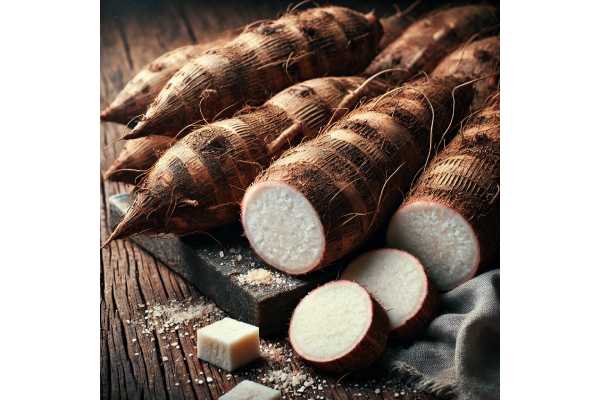
The plant looks like a shrub with palmate leaves, but the edible part is the underground storage root. Roots are long and tapered, with a brown, woody skin and firm white or yellow flesh. Cassava varieties are often described as “sweet” or “bitter.” This does not refer only to taste; it mainly reflects the concentration of cyanogenic compounds. Sweet types have relatively lower levels and are used more often for fresh cooking, while bitter types usually undergo more intense processing (like grating, fermenting, and drying) before eating.
Cassava is usually eaten as:
- Fresh root: peeled and boiled, steamed, roasted, or fried, served like potatoes.
- Fermented products: such as gari, fufu, lafun, or chikwangue, depending on the region.
- Dried chips and flours: ground into cassava flour or starch (tapioca) for baking or thickening sauces.
- Tapioca pearls: used in desserts and beverages, especially bubble tea.
Beyond the root, cassava leaves are consumed as leafy greens in some regions. They are high in protein and micronutrients but also contain cyanogenic compounds and anti-nutrients, so they require thorough boiling or processing before eating.
In many countries, cassava plays an economic role as well. It feeds humans, supports livestock feed and starch industries, and is increasingly used as a raw material for bioethanol and biodegradable packaging. As demand grows, responsible production and safe processing remain central to its value.
Nutrients in cassava root
Cassava is primarily a source of carbohydrate energy. Compared with many other roots, it is relatively low in protein, fat, and most vitamins and minerals, although it does contribute some fiber, vitamin C, and potassium.
Unless noted, the following values are approximate for raw cassava root per 100 g, with % Daily Value (%DV) based on general adult reference intakes. Actual content varies by variety, soil, and processing.
Macros and electrolytes (per 100 g raw cassava)
| Nutrient | Amount (per 100 g) | %DV* |
|---|---|---|
| Energy | 160 kcal | 8% |
| Carbohydrates (total) | 38 g | 14% |
| Dietary fiber | 1.8 g | 6% |
| Sugars | 1.7 g | — |
| Protein | 1.4 g | 3% |
| Total fat | 0.3 g | <1% |
| Sodium | 14 mg | <1% |
| Potassium | 270 mg | 6% |
| Water | ~60 g | — |
*%DV values are rounded estimates based on common reference standards.
Cassava’s carbohydrates are largely starch. When cassava is cooked and cooled (for example in refrigerated boiled pieces or in certain starch products), some of this starch can convert to resistant starch, which behaves like fermentable fiber in the colon.
Vitamins (per 100 g raw cassava)
| Vitamin | Amount (per 100 g) | %DV |
|---|---|---|
| Vitamin C (ascorbic acid) | 20–21 mg | 22% |
| Folate (vitamin B9) | 25–30 µg | 6–8% |
| Vitamin B6 (pyridoxine) | 0.1 mg | 6% |
| Thiamin (vitamin B1) | 0.1 mg | 6% |
| Riboflavin (vitamin B2) | 0.05 mg | 4% |
| Niacin (vitamin B3) | 0.6 mg | 4% |
| Vitamin A, E, K | Trace | — |
Fresh cassava can contribute modest vitamin C intake but is not a rich source of most other vitamins. Boiling and drying reduce vitamin C further, so cassava-heavy diets should be paired with fruits and vegetables that supply more diverse micronutrients.
Minerals and selected bioactives
| Mineral / Compound | Amount (per 100 g) | %DV / Notes |
|---|---|---|
| Calcium | 15–20 mg | 1–2% |
| Magnesium | 20–21 mg | 5% |
| Phosphorus | 27 mg | 4% |
| Iron | 0.3–0.4 mg | 2% |
| Manganese | 0.4 mg | 17% |
| Copper | 0.1 mg | 11% |
| Zinc | 0.3 mg | 3% |
| Resistant starch (cooked) | Variable, often several grams per serving depending on preparation | |
| Phytochemicals (polyphenols) | Low–moderate in root; higher in leaves |
Cassava leaves, while outside the main focus of this article, are considerably richer in protein (often 20–30 g per 100 g dry weight), beta-carotene, vitamin C, and minerals, but they require careful processing because of higher anti-nutrient and cyanogenic content.
Glycemic and acid–base aspects
Cassava root has a high glycemic index (often reported around 90 or higher when boiled), meaning it can raise blood glucose more quickly than many other carbohydrate sources. Processing methods like fermenting, drying, and combining cassava with fat, protein, and fiber from other foods can moderate this effect somewhat, but cassava remains a high-glycemic food overall.
Evidence-based benefits of cassava
Cassava’s main contribution is energy, but its role in food systems and specific functional components can offer additional advantages when it is handled safely.
1. Reliable energy source in challenging conditions
Because cassava grows well in poor soils and during drought, it helps maintain food security where other crops fail. Its roots store in the ground for long periods, so families can harvest gradually instead of all at once. This resilience supports stable carbohydrate intake in many tropical regions.
2. Naturally gluten free and grain free
Cassava root and its starch (tapioca) contain no gluten. For people with celiac disease or non-celiac gluten sensitivity, cassava flour and tapioca can replace wheat flour in many recipes or act as thickening agents in soups and sauces. They are also grain free, which may help individuals who avoid grains for cultural or medical reasons.
3. Source of resistant starch and prebiotic effects
When cassava starch is cooked and cooled, a portion turns into resistant starch. This type of starch escapes digestion in the small intestine and is fermented by gut bacteria in the colon, producing short-chain fatty acids such as butyrate. Research on cassava and derived starches suggests potential benefits for:
- Improving markers related to insulin sensitivity and post-meal glucose response
- Supporting beneficial gut microbes
- Increasing satiety in some individuals
These effects depend on processing details, portion size, and overall diet.
4. Potential functional compounds
Systematic reviews of cassava have identified a range of bioactive constituents, including certain phenolic compounds and peptides, that show antioxidant, anti-inflammatory, and other pharmacological activities in experimental models. At this time, most evidence comes from cell cultures and animal studies; human data are still limited. Cassava should therefore be viewed first as a staple food, not as a concentrated “functional” supplement.
5. Flexible ingredient for special diets
Processed cassava products can help diversify diets for people who need low-FODMAP, gluten free, or low-allergen starch sources. Tapioca starch, in particular, is low in fermentable carbohydrates and is often well tolerated in irritable bowel syndrome when eaten in appropriate portions alongside balanced nutrients.
Even with these benefits, cassava remains nutrient poor compared with many whole grains, legumes, and colorful vegetables. To make the most of cassava, it is best combined with protein-rich foods, healthy fats, and micronutrient-dense vegetables and fruits.
Cassava safety, risks and interactions
Cassava’s main safety concern is its content of cyanogenic glycosides, particularly linamarin and lotaustralin. When cassava is peeled, grated, chewed, or otherwise damaged, these compounds can be converted to hydrogen cyanide by enzymes present in the plant. Without adequate processing, residual cyanide can pose acute and chronic health risks.
Cyanide toxicity and konzo
Improperly processed cassava, especially bitter varieties and roots grown under drought conditions, can contain high levels of cyanogenic glycosides. Repeated exposure to cyanide from cassava has been linked to:
- Acute cyanide poisoning with symptoms like headache, vomiting, rapid breathing, and confusion
- A disabling neurological condition known as konzo, characterized by sudden onset of irreversible leg weakness and walking difficulty
- Goiter and thyroid dysfunction, particularly where iodine intake is low
These problems are primarily reported in regions where cassava is a major staple and traditional processing steps are shortened during food shortages.
How processing reduces risk
Traditional methods such as peeling, grating, soaking, fermenting, pressing, and sun-drying can remove 80–95% or more of cyanogenic compounds, especially when combined. Boiling alone reduces cyanide to some degree but is less reliable if peeling is incomplete or cooking water is reused. Recent evaluations confirm that fermentation-based methods and extended soaking are among the most effective approaches to detoxification.
For consumers, practical safety steps include:
- Never eating cassava or cassava leaves raw
- Always peeling roots and discarding the peel
- Avoiding soaking or cooking water from cassava as an ingredient in other dishes
- Preferring products from reputable producers that follow standardized processing
Other anti-nutrients and sensitivities
Cassava roots and leaves also contain anti-nutrients such as phytates and tannins, which can reduce mineral absorption to some degree, and trypsin inhibitors, which can affect protein digestion. These compounds are reduced by boiling, fermenting, and drying.
Allergic reactions to cassava are rare but have been reported, including cross-reactions in some individuals with latex or certain nut allergies. People with known complex food allergies should introduce cassava cautiously, ideally under medical guidance.
Interactions and special populations
- People with diabetes or metabolic syndrome: Because cassava has a high glycemic index, large portions can raise blood glucose rapidly. Combining cassava with protein, fat, and fiber-rich foods, and choosing cooled preparations rich in resistant starch, may help moderate this effect but does not remove it.
- Pregnancy and breastfeeding: Properly processed cassava eaten in normal food amounts is generally considered acceptable, but avoiding any risk of underprocessed products is especially important.
- Low-iodine areas: Populations with low iodine intake who rely heavily on cassava are more vulnerable to thyroid effects from chronic cyanide exposure and should prioritize both safe processing and adequate iodine nutrition.
For most people consuming properly processed cassava occasionally or a few times per week within a varied diet, the benefits can outweigh the risks. The key is strict attention to preparation techniques.
Selecting cassava and storage
Choosing good-quality cassava and handling it correctly at home help reduce waste and maintain safety and taste.
Selecting fresh cassava roots
When buying fresh roots:
- Look for firm, heavy roots without soft spots or cracks.
- The skin should be intact, with no mold, bruising, or black streaks.
- When cut, the flesh should be white or cream colored without gray, brown, or bluish lines, which can indicate spoilage.
- Very large, old roots may be more fibrous; medium-sized roots are usually more tender.
If you have access to labeled varieties, “sweet” cassava types are typically preferred for home boiling and frying. However, even sweet cassava must still be peeled and thoroughly cooked before eating.
Purchasing processed cassava products
Common options include:
- Frozen peeled cassava pieces: Often partially processed and ready to boil or fry after cooking from frozen.
- Cassava flour: Finely ground, used in flatbreads, pancakes, and baking; often already detoxified.
- Tapioca starch or flour: A refined starch suitable for thickening and gluten free baking.
- Tapioca pearls: Used in desserts and beverages; typically fully processed and safe to eat after boiling.
Choose reputable brands and check packaging for instructions and any safety notes. For imported products, official quality marks and clear labeling are helpful signs of good manufacturing practices.
Storage at home
Fresh cassava deteriorates faster than potatoes:
- At room temperature, it may keep only a few days before developing blackened streaks and off-odors.
- In the refrigerator, unpeeled roots loosely wrapped can sometimes last up to a week, but quality declines quickly.
- For longer storage, peel the roots, cut into chunks, briefly blanch, cool, and freeze in airtight containers for several months.
Cassava flour and tapioca starch should be stored in a cool, dry place in sealed bags or jars to prevent moisture and insect infestation. Properly stored, they often keep for many months to over a year, depending on packaging and humidity.
Sustainability considerations
Cassava can support climate resilience because of its drought tolerance and ability to produce yields on marginal land. However, sustainable production still requires attention to soil health, crop rotation, and responsible fertilizer and pesticide use. In some regions, integrating cassava with legumes or other crops helps maintain soil fertility and provides more balanced nutrition.
Preparing cassava and nutrient retention
Proper preparation of cassava has two goals: making it safe by reducing cyanogenic compounds and creating enjoyable dishes while preserving as much nutritional value as possible.
Core safety steps for cassava root
- Peeling: Remove all brown outer skin and the thin pinkish layer underneath. Cyanogenic compounds are concentrated in the peel and outer tissues.
- Cutting and soaking (for higher-risk varieties): Cut into small pieces or grate, then soak in ample water for several hours or overnight, discarding the water afterward.
- Boiling, steaming, fermenting, or sun-drying: Apply sufficient heat or fermentation time; avoid undercooking. Many traditional foods combine several of these steps for maximum detoxification.
For commercially processed cassava flour or tapioca, follow package instructions; these products are typically already detoxified.
Common cooking methods and nutrient impact
- Boiling: Widely used for fresh cassava; greatly reduces cyanogenic compounds and softens the root. Water-soluble nutrients like vitamin C and some B vitamins leach into the cooking water, so the vitamin content of boiled cassava is lower than raw.
- Steaming: Similar safety benefits with somewhat less nutrient loss compared with boiling in large volumes of water.
- Frying: Pan-fried or deep-fried cassava can be very palatable but greatly increases calorie and fat content. If cassava is thoroughly boiled first, frying time can be shorter.
- Baking and roasting: Provide a firmer, drier texture and can be used for wedges or whole roots, often after parboiling.
- Fermenting and drying: Used to make products like gari or lafun. Fermentation can reduce cyanide and anti-nutrients while contributing flavor and sometimes small amounts of beneficial microbial byproducts.
Retaining resistant starch and moderating glycemic impact
To increase resistant starch and potentially reduce the glycemic response:
- Cook cassava thoroughly (for safety), then cool it in the refrigerator for several hours or overnight.
- Reheat gently if desired; some resistant starch remains even after reheating.
- Combine cassava with legumes, vegetables, and healthy fats to slow overall digestion.
Practical meal ideas
- Boiled cassava pieces served with grilled fish and a vegetable-rich sauce
- Baked cassava wedges with a side of beans and salad
- Gari or other fermented cassava products paired with leafy greens and protein-rich stews
- Gluten free baking using a mix of cassava flour and other flours to improve texture and nutrient density
In every case, the priority is complete cooking after adequate peeling and, where appropriate, soaking or fermentation. If cassava tastes unusually bitter after cooking or has an off smell, it is safer to discard it.
Cassava servings, comparisons and FAQs
Because cassava is energy dense but relatively nutrient poor, thoughtful portioning and pairing with other foods are important.
Typical serving sizes and frequency
For most healthy adults, a reasonable cooked serving is:
- About 80–100 g cooked cassava (roughly ½–1 cup pieces or mash)
- Eaten a few times per week as part of a mixed diet that also includes legumes, whole grains, vegetables, fruits, and protein sources
People with smaller energy needs or those monitoring blood glucose may choose smaller portions. Those engaged in intense physical labor or with higher calorie needs may eat more, but still benefit from balancing cassava with nutrient-rich foods.
Cassava versus other starchy foods
Approximate comparisons per 100 g cooked (values vary by preparation):
- Cassava vs potatoes: Cassava typically provides more calories and carbohydrates than boiled potatoes, with similar or slightly less fiber. Potatoes often provide more potassium and some additional vitamins.
- Cassava vs rice: Plain white rice and cassava are both mainly starch. Cassava offers vitamin C (if not completely lost in cooking) and resistant starch when cooled, while rice is often lower in vitamin C but may be fortified with certain nutrients depending on the region.
- Cassava vs wheat-based products: Cassava is naturally gluten free and may be better tolerated by people with gluten-related disorders, but most wheat products (especially whole grain) provide more protein, fiber, and B vitamins.
Frequently asked questions
Is cassava good for weight loss?
Cassava itself is not a weight loss food; it is calorie dense and high in carbohydrates. However, when portion sizes are controlled and cassava replaces more processed snacks or refined baked goods, it can fit into a balanced eating pattern. Preparations that emphasize boiling, baking, or steaming rather than deep-frying are more weight-management friendly.
Can cassava be eaten on a low-carb or ketogenic diet?
Cassava is generally not suitable for strict low-carbohydrate or ketogenic diets because of its high starch content and high glycemic index. Small amounts may be possible in more moderate carbohydrate plans, but people following such diets usually rely on lower-carb vegetables instead.
Is tapioca the same as cassava?
Tapioca is a highly refined starch extracted from cassava root. It is almost pure carbohydrate with very little protein, fat, or micronutrients. While both come from the same plant, tapioca contributes mainly texture and energy, whereas whole cassava root, even after peeling and cooking, still contains fiber and small amounts of vitamins and minerals.
Can children safely eat cassava?
Yes, children can eat properly processed cassava as part of diverse meals. It is especially important to ensure thorough peeling and cooking and to serve cassava alongside protein sources, vegetables, and fruits to support growth and micronutrient intake.
What about cassava leaves?
Cassava leaves are nutrient dense but have higher cyanogenic potential and anti-nutrient content than roots. They must be finely chopped and boiled in plenty of water, often more than once, with the water discarded each time. Where traditional recipes for cassava leaves exist, following them closely is the safest approach.
References
- Cassava (Manihot esculenta Crantz): A Systematic Review for a Multi-Purpose Crop 2023 (Systematic Review)
- Safety of Cassava and Cassava-Based Products 2025 (Systematic Review)
- The Phytochemical Insights, Health Benefits, and Functional Food Applications of Cassava 2025 (Review)
- Nutrition, Healthcare Benefits and Phytochemical Properties of Cassava (Manihot esculenta Crantz) Leaves 2022 (Review)
- Processing Techniques to Reduce Toxicity and Anti-Nutritional Factors in Cassava 2008 (Review)
Disclaimer
The information in this article is intended for general educational purposes and does not replace personalized advice from a licensed physician, registered dietitian, or other qualified health professional. Cassava can pose health risks if it is not processed correctly, especially in settings where it is a major staple food. Always follow local food safety guidance and product instructions, and seek professional advice if you have medical conditions such as diabetes, thyroid disorders, neurological symptoms, or complex food allergies before making significant changes to your diet.
If you found this article useful, you are warmly invited to share it with others on Facebook, X (formerly Twitter), or any platform you prefer. Your support in sharing helps our team continue to develop clear, evidence-informed nutrition content for a wider audience.