Cauliflower has gone from a humble side dish to a modern “shape-shifter” in healthy cooking. As a cruciferous vegetable in the Brassica family (along with broccoli and cabbage), it offers an appealing mix of mild flavor, versatility, and meaningful nutrition. Per 100 grams, cauliflower is very low in calories yet provides substantial vitamin C, some vitamin K, folate, and fiber, making it useful for heart health, digestion, and overall diet quality.
Home cooks now use cauliflower well beyond steaming: it appears as “rice,” pizza crust, mash, steaks, and even creamy sauces for people who want more vegetables or fewer refined carbs. At the same time, questions often arise about gas and bloating, goitrogens, pesticide residues, and how much is safe to eat.
This guide explains what is actually in cauliflower, the evidence behind its health benefits, how to choose, cook, and store it, and who may need to limit intake.
Cauliflower at a Glance
- Provides about 25 kcal, ~2 g protein, and ~2 g fiber per 100 g with high vitamin C and some vitamin K and folate.
- Regular intake of cruciferous vegetables, including cauliflower, is linked with better cardiometabolic health and potentially lower cancer risk when part of an overall healthy diet.
- Main safety concern is digestive discomfort (gas, bloating) in sensitive people and potential issues for those with unmanaged thyroid disease when eaten in very large raw amounts.
- A practical portion is 80–100 g cooked (about 1 cup) once daily or several times per week, adjusted to appetite and tolerance.
- People with irritable bowel syndrome on a low FODMAP plan, significant thyroid disease with low iodine intake, or a confirmed Brassica allergy should discuss portion limits with a clinician or dietitian.
Table of Contents
- Understanding Cauliflower in Depth
- Cauliflower Nutrition Facts and Profile
- Health Benefits of Cauliflower
- Risks, Allergies and Interactions
- Choosing and Storing Cauliflower Well
- Cooking Cauliflower for Best Nutrition
- Portions, Comparisons and Common Questions
Understanding Cauliflower in Depth
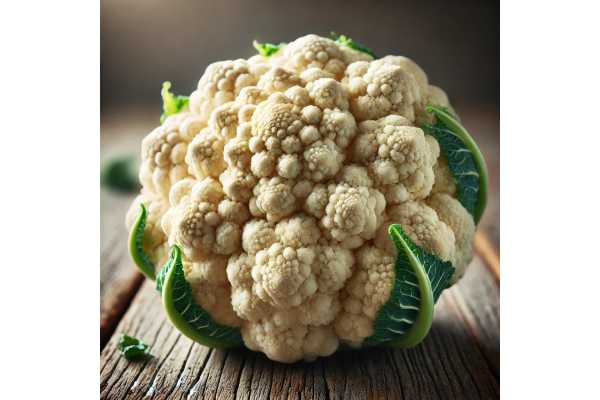
Cauliflower (Brassica oleracea var. botrytis) is part of the cruciferous vegetable family, a group known for sulfur-containing compounds called glucosinolates. When the plant tissue is cut or chewed, these can convert into isothiocyanates, which are being studied for potential protective roles in cardiometabolic and cancer prevention contexts. In everyday terms, cauliflower is a compact flower head (“curd”) surrounded by thick green leaves that shield it from light, keeping most varieties creamy white.
Although white cauliflower is most common, you can also find purple, orange, and green forms (including romanesco). These naturally colorful varieties contain additional pigments like carotenoids and anthocyanins, but their basic nutrition and uses are similar. Fresh cauliflower is typically sold as whole heads or pre-cut florets; frozen cauliflower is blanched and ready to cook, often with a similar nutritional profile aside from minor changes in heat-sensitive vitamins.
Culinarily, cauliflower’s mild, slightly nutty flavor makes it unusually adaptable. It can be eaten raw with dips, shaved into salads, lightly steamed, stir-fried, roasted until caramelized, or blended into soups and sauces. Its low starch content and fine texture after chopping allow it to stand in for higher-carbohydrate foods such as rice, mashed potatoes, or part of a pizza crust. This makes it attractive for people managing weight, blood sugar, or overall refined carbohydrate intake.
Cauliflower also fits easily into vegetarian, vegan, gluten-free, and Mediterranean-style patterns. Used regularly, it contributes to the general recommendation of several servings of vegetables per day, with the added advantage of bringing in cruciferous-specific phytochemicals that other vegetable groups do not provide in the same way.
Cauliflower Nutrition Facts and Profile
Most of cauliflower is water, which helps keep its calorie density very low. At the same time, it offers a useful mix of fiber, micronutrients, and bioactive compounds per gram. The following values are approximate for 100 g of raw white cauliflower; actual content varies with variety, soil, and freshness.
Macros and Key Electrolytes (per 100 g, raw)
| Nutrient | Amount per 100 g | % Daily Value* |
|---|---|---|
| Energy | 25 kcal | 1% |
| Total carbohydrate | 5.0 g | 2% |
| Dietary fiber | 2.0 g | 7% |
| Total sugars | 2.0 g | N/A |
| Protein | 1.9 g | 4% |
| Total fat | 0.3 g | 0% |
| Saturated fat | 0.1 g | 1% |
| Sodium | 30 mg | 1% |
| Potassium | 300 mg | 6% |
*%DV based on a 2,000 kcal diet where applicable.
The carbohydrate content is modest, and around 40 percent of it comes from fiber. Net carbohydrates (total carbs minus fiber) are low, which means cauliflower has a low glycemic load and is unlikely to raise blood glucose sharply when eaten in standard portions.
Vitamins (per 100 g, raw)
| Vitamin | Amount per 100 g | % Daily Value |
|---|---|---|
| Vitamin C (ascorbic acid) | 48 mg | 54% |
| Vitamin K (phylloquinone) | 15.5 µg | 13% |
| Folate | 57 µg | 14% |
| Vitamin B6 (pyridoxine) | 0.18 mg | 11% |
| Pantothenic acid (vitamin B5) | 0.67 mg | 13% |
| Niacin (vitamin B3) | 0.5 mg | 3% |
| Thiamin (vitamin B1) | 0.05 mg | 4% |
| Choline | 44 mg | ~8% (AI) |
Vitamin C is the standout: a 100 g portion provides roughly half of an adult’s daily requirement, supporting immune function, collagen formation, and antioxidant defenses. Folate and vitamin B6 contribute to normal homocysteine metabolism and red blood cell formation. Vitamin K plays roles in blood clotting and, at higher intakes over time, in bone health.
Minerals (per 100 g, raw)
| Mineral | Amount per 100 g | % Daily Value |
|---|---|---|
| Calcium | 22 mg | 2% |
| Magnesium | 15 mg | 4% |
| Phosphorus | 44 mg | 4% |
| Manganese | 0.16 mg | 7% |
| Iron | 0.4 mg | 2% |
| Zinc | 0.3 mg | 3% |
Cauliflower is not a major source of any single mineral, but it contributes small amounts of several, particularly manganese and phosphorus. Its potassium content is helpful for people aiming to improve their potassium-to-sodium ratio, which supports blood pressure management.
Bioactives and Other Components
| Component / Group | Notes (no %DV) |
|---|---|
| Glucosinolates | Precursors of isothiocyanates like sulforaphane |
| Isothiocyanates (formed after chopping) | Studied for anti-inflammatory and cytoprotective roles |
| Carotenoids (higher in colored varieties) | Contribute antioxidant activity |
| Phenolic compounds | Add to overall antioxidant capacity |
These compounds do not have official daily values, but they are one reason cruciferous vegetables are often discussed in relation to cardiometabolic and cancer prevention research.
Overall, cauliflower offers dense nutrition for very few calories, with particular strengths in vitamin C, fiber, and glucosinolate-derived compounds.
Health Benefits of Cauliflower
Most of cauliflower’s health benefits reflect what it adds (fiber, micronutrients, phytochemicals) and what it can replace (refined starches and energy-dense sides). The strongest evidence comes from large observational studies of vegetable intake and more targeted research on cruciferous vegetables and glucosinolates.
1. Support for cardiometabolic health
Cauliflower contributes to heart and metabolic health in several ways:
- Fiber and weight management: Its combination of low energy density and moderate fiber helps people feel satisfied with fewer calories. Replacing part of high-calorie sides with cauliflower “rice” or mash can lower overall energy intake without shrinking plate volume.
- Blood pressure and vascular health: The potassium content, though moderate per 100 g, adds up when cauliflower is part of an overall high-vegetable pattern, which is linked with healthier blood pressure and reduced cardiovascular risk.
- Glycemic impact: With low net carbohydrates and a low glycemic load, cauliflower has minimal effect on blood glucose when eaten in normal amounts, making it a useful alternative to refined grain side dishes for people with insulin resistance or type 2 diabetes, provided the whole meal is balanced.
2. Possible cancer-protective effects as part of a cruciferous pattern
Cruciferous vegetables are being studied for their potential role in lowering risk of certain cancers, particularly colorectal and some hormone-related cancers. Mechanisms proposed in human and experimental research include:
- Enhanced detoxification of some carcinogens via upregulation of phase II enzymes.
- Modulation of inflammation and oxidative stress.
- Influences on cell cycle regulation and programmed cell death in abnormal cells.
It is essential to emphasize that cauliflower cannot “treat” cancer and does not guarantee protection. However, including it and other cruciferous vegetables several times per week in a vegetable-rich diet aligns with current evidence for long-term risk reduction.
3. Gut health and microbiome support
The fiber in cauliflower contributes bulk to stool and supports regularity. Non-digestible carbohydrates in cruciferous vegetables can act as fermentable substrates for gut microbes, helping to produce short-chain fatty acids such as butyrate, which support intestinal barrier integrity. Some people with sensitive digestion may experience gas or bloating from this fermentation; strategies to manage that are discussed in the risks section.
4. Brain, pregnancy, and healthy aging
Cauliflower provides choline and folate, two nutrients involved in methylation reactions, cell membrane structure, and brain development. While it is not an especially high source compared with eggs or liver, it contributes to overall intake in people who prefer plant-forward patterns. Combined with vitamin C and other antioxidants, regular cauliflower consumption can support broader healthy aging strategies that emphasize nutrient-dense plant foods.
5. Practical dietary pattern benefits
Because cauliflower blends, shreds, and roasts easily, it can be a “bridge” food that helps people increase vegetable intake without feeling they are sacrificing familiar dishes. Cauliflower-based soups, sauces, or crusts can subtly raise vegetable portions in meals for children or picky eaters, contributing to better long-term habits.
Risks, Allergies and Interactions
For most healthy adults, cauliflower is safe and beneficial when eaten in usual food amounts. A few groups, however, should take note of possible issues.
1. Digestive discomfort and FODMAP sensitivity
Cauliflower contains fermentable carbohydrates (FODMAPs), including some oligosaccharides and sugar alcohols. In sensitive individuals, especially those with irritable bowel syndrome, these can trigger:
- Bloating
- Gas
- Abdominal discomfort
- Changes in bowel habits
People on a clinically supervised low FODMAP diet are often advised to limit or avoid cauliflower during the strict elimination phase. Later, small portions (for example, ½ cup cooked) may be re-introduced and tested individually. Thorough cooking and eating cauliflower as part of a mixed meal instead of on an empty stomach can improve tolerance for some people.
2. Thyroid considerations (goitrogens)
Raw cruciferous vegetables contain compounds that can interfere with iodine uptake in the thyroid when eaten in very large amounts. For people with adequate iodine intake and normal thyroid function, typical servings of cauliflower are not considered problematic.
However, individuals with significant, unmanaged hypothyroidism, particularly in combination with low iodine status, should avoid extremely high intakes of raw crucifers (for example, large raw smoothies or juices daily). Normal culinary use—such as a serving of cooked cauliflower several times per week—is generally considered compatible with thyroid health in the context of adequate iodine and medical care.
3. Vitamin K and anticoagulant medication
Cauliflower contains some vitamin K, though less than leafy greens. People taking vitamin K–antagonist anticoagulants (such as warfarin) do not usually need to avoid cauliflower, but they do need consistency. Abruptly increasing or decreasing total vitamin K intake from all foods can affect medication dosing. Anyone on such medication should follow their clinician’s dietary advice and maintain a relatively stable pattern of cruciferous vegetable intake.
4. Allergy and cross-reactivity
True allergy to cauliflower is rare but possible. Symptoms may include itching or swelling in the mouth, hives, or—rarely—more serious reactions. Individuals with known allergies to other Brassica vegetables or certain pollens may experience cross-reactions. Any suspected allergic symptoms after eating cauliflower warrant evaluation by an allergist.
5. Contaminants and food safety
As with other fresh produce, cauliflower can occasionally carry bacteria from soil, water, or handling. To reduce risk:
- Rinse whole heads and florets under running water before cutting or cooking.
- Use clean knives and cutting boards, ideally separate from raw meat.
- Refrigerate leftovers promptly, and avoid keeping cooked cauliflower at room temperature for extended periods.
Choosing cauliflower from reputable sources and storing it correctly (see later section) further lowers risk.
Choosing and Storing Cauliflower Well
Good selection and storage help you get the most nutrition and flavor from cauliflower while avoiding waste.
How to choose a high-quality head
When shopping, look for:
- Compact curd: The florets should be tightly packed, not separating. Loose, “ricey” surfaces suggest age.
- Even color: For white cauliflower, the head should be creamy white with minimal brown spots or discoloration. Colored varieties should be vivid, not dull or grey.
- Fresh leaves: Outer leaves should be crisp and green rather than wilted or yellow. They help protect the curd and indicate how long the head has been stored.
- Firm texture: The head should feel heavy for its size, without soft patches or off odors.
Organic certification may appeal to those prioritizing lower pesticide inputs, but cauliflower is not typically among the highest-residue vegetables. Washing under running water and trimming damaged areas is beneficial whether the product is organic or conventional.
Storage at home
To keep cauliflower fresh:
- Refrigerate promptly: Store it in the crisper drawer, ideally in a perforated bag or loosely wrapped to allow some airflow while preventing drying.
- Keep it whole until use: Whole heads retain quality better than pre-cut florets. If you cut it in advance, store florets in a sealed container with a paper towel to absorb excess moisture.
- Typical shelf life: Fresh whole cauliflower usually keeps 3–7 days in the refrigerator, depending on initial freshness. Pre-cut florets keep 2–4 days.
Frozen cauliflower is a convenient alternative. Because it is blanched before freezing, some vitamin C is lost, but most minerals, fiber, and many phytonutrients remain. Frozen florets are useful for quick stir-fries, soups, and mashes with minimal prep.
Minimizing waste and improving sustainability
Cauliflower is relatively efficient to grow and, like other vegetables, has a much lower environmental footprint than meat. You can enhance sustainability by:
- Buying in season and, when practical, from local producers.
- Using the whole plant where possible: stems and tender leaves can be sliced for stir-fries, soups, or stocks.
- Planning ahead so you cook cauliflower a few days after purchase, before quality declines.
Thoughtful use of stems and leaves increases fiber and phytonutrient intake while reducing food waste, an often overlooked but meaningful sustainability step.
Cooking Cauliflower for Best Nutrition
How you prepare cauliflower affects its texture, taste, and some aspects of its nutrient profile, especially water-soluble vitamins and heat-sensitive phytochemicals.
Raw versus cooked
- Raw cauliflower keeps maximum vitamin C and certain glucosinolates intact. Thinly sliced or finely chopped, it adds crunch to salads and slaws. However, raw forms can be more gas-producing for sensitive people.
- Cooked cauliflower is easier to digest for many and allows you to eat larger portions comfortably. Some compounds, such as certain carotenoids in colored varieties, may become more bioavailable after gentle cooking with a small amount of fat.
Cooking methods and nutrient retention
From a nutrition standpoint, these points are useful:
- Steaming and microwaving with minimal water tend to preserve vitamin C and B vitamins better than prolonged boiling because fewer nutrients leach into cooking water. Short cooking times (for example, 4–6 minutes until just tender-crisp) are generally favorable.
- Boiling can lead to greater losses of vitamin C and glucosinolates, especially when water is discarded. If you do boil cauliflower, consider using the cooking liquid in soups or sauces to capture some leached nutrients.
- Roasting at moderate temperatures (for example, 200 °C / 400 °F) with a little oil brings out sweetness and complex flavors through browning. Some heat-sensitive compounds decline, but the appealing taste can encourage higher overall vegetable intake, which is valuable at the diet level.
- Stir-frying small florets or “rice” in a pan with a small amount of oil for a short time also preserves many nutrients while providing satisfying texture.
Examples of nutrient-aware preparations
- Cauliflower rice: Pulse raw florets in a food processor, then sauté in a pan with a small amount of oil and herbs for 5–7 minutes. This preserves more vitamin C than long boiling and works well as a lower-carbohydrate side.
- Mashed cauliflower: Steam florets until soft, then blend with a little olive oil or yogurt, garlic, and seasonings. Combining with a small portion of potato can improve texture while still reducing overall starch.
- Roasted steaks or florets: Slice the head into thick slabs or break into even florets, toss with oil and spices, and roast until browned at the edges. Pair with a protein source and another vegetable for a balanced meal.
- Soups and sauces: Simmer cauliflower with onions, garlic, and stock until tender, then blend for a creamy base that can replace part of cream in sauces.
Tips to balance nutrition and comfort
If you are prone to bloating, start with smaller portions of well-cooked cauliflower and gradually increase as tolerated. Combining cauliflower with other vegetables, using herbs like fennel or caraway, and chewing thoroughly can also help digestion.
Portions, Comparisons and Common Questions
Understanding realistic portion sizes and how cauliflower compares with other foods helps you use it effectively in your own eating pattern.
How much cauliflower counts as a serving?
Dietary guidelines often treat around 80–100 g of cooked vegetables (about 1 cup) as a standard serving. For cauliflower, that typically corresponds to:
- 1 cup cooked florets, or
- 1–1½ cups raw florets, or
- About one quarter of a medium head.
Most people can comfortably include 1 serving daily or several servings spread across the week. Very high intakes (for example, large portions at multiple meals every day) are not necessary for benefit and may be uncomfortable for those with sensitive digestion.
Who might benefit most from using cauliflower regularly?
- Individuals aiming to manage weight who want to reduce refined starches without shrinking meal volume.
- People with pre-diabetes or type 2 diabetes, when cauliflower replaces higher-glycemic sides as part of a carefully planned meal.
- Those following Mediterranean, plant-forward, or gluten-free patterns looking for versatile vegetable options.
Who should limit or adjust intake?
- People with irritable bowel syndrome or marked FODMAP sensitivity may need to keep portions small, especially of raw cauliflower.
- Individuals with significant thyroid disease and low iodine intake should avoid very large raw intakes and discuss cruciferous vegetables with their care team.
- Anyone with suspected allergy or unusual symptoms after eating cauliflower should seek medical advice before re-exposure.
How does cauliflower compare with other vegetables and starches?
- Versus potatoes or white rice: Per 100 g, cauliflower has far fewer calories and carbohydrates, more vitamin C, and similar or higher fiber. Swapping part of these starches for cauliflower can lower meal energy and glycemic load.
- Versus broccoli: Both share many nutrients and glucosinolates. Broccoli often has slightly more vitamin C and vitamin K per serving, while cauliflower tends to be milder in flavor and more adaptable as a base for mash, rice, or crust. Ideally, include both.
- Versus leafy greens: Leafy greens are usually higher in vitamin K and sometimes in folate, whereas cauliflower provides more bulk per serving and is easier to transform into familiar starch-like dishes.
Frequently asked questions
- Is it safe to eat cauliflower every day?
For most healthy people, daily servings of cooked cauliflower are safe and compatible with balanced diets. Vary your vegetables to ensure broader nutrient and phytochemical coverage. - Is cauliflower good for low carbohydrate or ketogenic diets?
Yes, cauliflower’s low net carbohydrate content makes it a common ingredient in lower-carb plans. Balance it with adequate protein, healthy fats, and other non-starchy vegetables. - Does freezing destroy cauliflower’s benefits?
Freezing slightly reduces some vitamin C, but fiber, minerals, and many phytonutrients remain. Frozen cauliflower is still a nutritious choice, especially when it helps you cook vegetables more often. - Are colored cauliflowers healthier than white?
Purple, orange, and green varieties contain additional pigments and may offer slightly higher levels of specific antioxidants. However, differences are modest; variety can be pleasant, but white cauliflower remains highly nutritious.
References
- Nutrition Information for Raw Vegetables, 2017 (Government Dataset). ([U.S. Food and Drug Administration][1])
- Systematic Review on the Metabolic Interest of Glucosinolates and Their Bioactive Derivatives for Human Health, 2023 (Systematic Review). ([PMC][2])
- Vegetable and Fruit Intake Variety and Cardiovascular Health and Mortality: A Systematic Review and Meta-Analysis of Observational Studies, 2023 (Systematic Review). ([MDPI][3])
- Effect of Cruciferous Vegetable Intake on Cancer: An Umbrella Review of Systematic Reviews and Meta-Analyses, 2024 (Umbrella Review). ([Wiley Online Library][4])
Disclaimer
The information in this article is intended for general education and should not be considered a substitute for personalized medical advice, diagnosis, or treatment. Nutrient needs, health risks, and appropriate portion sizes can vary considerably between individuals. Always consult your physician, registered dietitian, or other qualified health professional before making significant changes to your diet, especially if you have existing medical conditions, take prescription medications, are pregnant or breastfeeding, or have food allergies or intolerances.
If you found this guide on cauliflower helpful, you are warmly invited to share it with others—on Facebook, X (formerly Twitter), or any platform you prefer. Your supportive sharing helps our team continue to create balanced, evidence-informed nutrition content for a wider community.