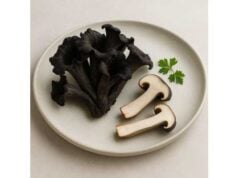
The cauliflower mushroom (most often Sparassis crispa and its close relatives) is a forager’s delight and a cook’s secret weapon. Shaped like a ruffled coral or a rustic head of cauliflower, this woodland fungus is prized for its crunchy-tender bite, clean woodsy aroma, and knack for absorbing sauces. It sautés to a pleasant chew, holds texture in soups and braises, and fries to a lacy crisp when sliced thin. Like many culinary mushrooms, it’s naturally low in calories and fat yet contributes B vitamins, potassium, copper, and selenium. Sparassis also stands out for its unusually high beta-glucan content—the soluble fibers that lend body to broths and are widely studied for immune-modulating roles. Because most specimens are wild or small-farm cultivated, good identification, careful cleaning, and thorough cooking matter. If you’re new to it, start with modest portions to gauge tolerance, and source from a trusted vendor or experienced guide. This guide brings together plain-English nutrition data, evidence-based benefits, smart buying and storage tips, safe-use advice, and chef-tested cooking methods to help you enjoy this ruffled mushroom with confidence.
Essential Insights
- Delivers fiber, B vitamins, copper, selenium, and potassium with ~20–30 kcal per 100 g raw.
- Rich in beta-glucans; UV-exposed mushrooms can add meaningful vitamin D (5–10 µg per 100 g).
- Typical serving: 75–100 g cooked (about 1–1½ cups), enjoyed 1–3 times weekly in season.
- Must be cooked and well cleaned; avoid foraging near polluted sites due to potential contaminant uptake.
- People with mushroom allergy, recurrent intolerance, or who require strict potassium restriction should limit or avoid.
Table of Contents
- Cauliflower mushroom essentials
- Cauliflower mushroom nutrition profile
- Cauliflower mushroom health benefits
- Safety, allergies and interactions
- Buying, sustainability and storage
- Cooking and nutrient retention
- Portions, comparisons and FAQs
Cauliflower mushroom essentials
What it is and where it grows. The cauliflower mushroom is the common name for species in the Sparassis genus, most notably Sparassis crispa (“crispa” for its curly fronds) and closely related species sold under the same market name. Instead of a classic cap and stem, Sparassis forms a compact, brain-like mass of thin, ruffled folds. You’ll usually find it at the base of conifers like pine or spruce, where its creamy to pale tan fronds can span the size of a grapefruit to a soccer ball. In many regions it appears from late summer through autumn, especially after rains.
Flavor and texture. Sparassis holds a rare position among mushrooms: it’s at once delicate and sturdy. The fronds stay pleasantly springy after cooking, never slimy, and the flavor is clean and savory with gentle nutty notes. Those crinkled folds soak up stock, wine, and aromatics, so a small amount seasons a whole dish. Think of it somewhere between a noodle and a crouton in soups—substantial and satisfying without heaviness.
Kitchen uses that play to its strengths.
- Soup enhancer: a handful transforms chicken, barley, or miso soup with sip-worthy body.
- Pan-sauté star: brown with shallot, thyme, and a splash of wine; finish with butter or olive oil.
- Crispy garnish: thin slices tossed in starch and pan-fried into frilly “chips” for salads or risotto.
- Noodle stand-in: wide ruffles mimic egg noodles in brothy bowls.
- Flavor carrier: braise with roast chicken or pork so the fronds absorb pan juices.
Identification and sourcing. Sparassis is distinctive, yet good practice still applies: new foragers should tag along with an expert or purchase from reputable markets. Watch for firm, elastic fronds and a fresh, woodsy scent. Avoid mushy, darkened, or ammonia-smelling specimens. Because the ruffles trap pine needles and forest grit, gentle but thorough cleaning is essential (details in Section 6).
Storage at a glance. Keep unwashed pieces in a paper bag or vented container in the refrigerator for 3–4 days. For longer keeping, par-sauté, cool, and refrigerate up to 4 days, or freeze after cooking. Sparassis also dehydrates well: dry until brittle, then store airtight; rehydrate in warm stock and use the soaking liquid.
Nutrition in context. Like other culinary mushrooms, Sparassis is low in energy and fat. It contributes B vitamins (especially riboflavin and niacin), minerals (potassium, copper, selenium), and mushroom-specific compounds such as ergothioneine and beta-glucans. Vitamin D content varies; mushrooms exposed to UV light after harvest can provide useful amounts of vitamin D2.
Bottom line. If you enjoy mushrooms that keep their bite and carry flavors beautifully, the cauliflower mushroom belongs on your seasonal shortlist—provided you clean it well and always cook it through.
Cauliflower mushroom nutrition profile
How to read these tables. Values below reflect typical raw Sparassis per 100 g. Natural variation is expected by species, age, habitat, and handling. Use these as practical meal-planning estimates; labels on cultivated products may differ.
Macros and electrolytes (per 100 g raw)
| Nutrient | Amount | %DV |
|---|---|---|
| Energy | 22–28 kcal | — |
| Water | 89–92 g | — |
| Protein | 2.0–2.8 g | — |
| Total carbohydrate | 4.0–5.5 g | — |
| Dietary fiber | 2.0–3.0 g | 7–11% |
| Total sugars | 1.0–1.8 g | — |
| Total fat | 0.2–0.5 g | — |
| Sodium | 5–10 mg | 0% |
| Potassium | 300–400 mg | 6–9% |
Vitamins (per 100 g raw)
| Vitamin | Amount | %DV |
|---|---|---|
| Riboflavin (Vitamin B2) | 0.25–0.40 mg | 19–31% |
| Niacin (Vitamin B3) | 3.0–4.5 mg | 19–28% |
| Pantothenic acid (Vitamin B5) | 1.0–1.6 mg | 20–32% |
| Folate (DFE) | 15–30 µg | 4–8% |
| Vitamin B6 | 0.05–0.10 mg | 3–6% |
| Vitamin D2 (baseline) | ~0.2–0.5 µg | 1–3% |
| Vitamin D2 (UV-exposed)* | 5–10 µg | 25–50% |
*Vitamin D rises when mushrooms are exposed to UV light after harvest; some producers label “high vitamin D.”
Minerals (per 100 g raw)
| Mineral | Amount | %DV |
|---|---|---|
| Copper | 0.20–0.35 mg | 22–39% |
| Selenium | 8–15 µg | 15–27% |
| Phosphorus | 80–110 mg | 6–9% |
| Magnesium | 8–15 mg | 2–4% |
| Iron | 0.5–1.0 mg | 3–6% |
| Zinc | 0.5–0.8 mg | 5–7% |
| Manganese | 0.05–0.15 mg | 2–7% |
Fats and fatty acids (per 100 g raw)
| Component | Amount |
|---|---|
| Saturated fat | 0.03–0.07 g |
| Monounsaturated fat | 0.03–0.10 g |
| Polyunsaturated fat | 0.10–0.25 g |
| Cholesterol | 0 mg |
Protein and amino acids (highlights)
| Component | Amount |
|---|---|
| Protein | 2.0–2.8 g |
| Notes | Glutamic and aspartic acids predominate and enhance savory flavor. |
Bioactives / phytonutrients
- Beta-glucans: Sparassis is notable for high beta-glucan content by dry weight; per 100 g fresh, practical intakes are modest but meaningful within a mixed diet.
- Ergothioneine and glutathione: antioxidant compounds common to edible mushrooms.
- Phenolics and terpenoids: present in small amounts; contribute to aroma and antioxidant capacity.
Allergens and intolerance markers
- Heat-labile proteins: cooking improves tolerance for most people.
- Individual sensitivity: a minority experience GI upset even with thorough cooking—start small.
Anti-nutrients
- No major anti-nutrients of concern in typical culinary amounts; like many mushrooms, raw consumption is not recommended.
Contaminants / residues
- Heavy metals and radiocesium: wild mushrooms can accumulate contaminants from polluted soils or post-nuclear fallout zones; choose clean provenance and avoid foraging near roadsides or industrial sites.
Glycemic and acid–base metrics
- Low glycemic impact and low energy density; contributes potassium with minimal sodium.
Label note on fortification and additives. “UV-exposed” signals natural vitamin D2 formation from ergosterol; no chemical additive is required.
Cauliflower mushroom health benefits
Nutrient density without calorie load. Per 100 g raw, Sparassis typically provides around 22–28 kcal with 2–3 g protein and 2–3 g fiber, plus potassium, copper, and selenium. For people aiming to increase nutrient density while moderating calories, this is a convenient swap-in for part of refined grains or fattier meats.
Beta-glucans for gut and immune support (contextualized). Sparassis is widely recognized for its high beta-glucan content (particularly 1,3-β-glucans with branch points). In food-level portions, these soluble fibers add viscosity to broths and may support a healthy gut environment. Experimental and early clinical research on Sparassis-derived extracts explores immune-modulating and wound-healing roles. Those studies often use concentrated preparations; everyday culinary amounts are best seen as a supportive, not therapeutic, intake.
Antioxidant contributions unique to fungi. Mushrooms supply ergothioneine and glutathione—thiol antioxidants not abundant in most plants. Diets including a variety of mushrooms increase exposure to these compounds, which concentrate in tissues under oxidative stress. While cause-and-effect health outcomes need more trials, this distinctive antioxidant pattern adds to overall dietary resilience.
Vitamin D option when UV-exposed. When producers or home cooks expose mushrooms to UV light, ergosterol in cell walls converts to vitamin D2. UV-exposed packs can deliver roughly 5–10 µg vitamin D2 per 100 g. The vitamin remains fairly stable through common cooking methods, making Sparassis a practical contributor to daily vitamin D intake during low-sun seasons.
Culinary benefits that support better patterns. Because Sparassis absorbs flavorful liquids, it “stretches” sauces and stocks, allowing you to cook with less meat and more vegetables without losing satisfaction. This shift often lowers saturated fat and raises fiber and potassium—two pattern changes linked to better cardiometabolic profiles.
Digestive comfort for many, with caveats. Thoroughly cooked Sparassis tends to be well tolerated and provides gentle fiber and moisture. If you have a history of mushroom intolerance, begin with 50–75 g cooked and evaluate over 24 hours before enjoying larger portions.
A realistic take. The strongest research on Sparassis centers on its beta-glucans and bioactive extracts. For home cooks, the smart play is variety: include Sparassis alongside other mushrooms and plenty of vegetables, whole grains, legumes, nuts, and seeds. The whole pattern delivers the benefits; the cauliflower mushroom adds texture, flavor, and a distinctive fiber profile.
Safety, allergies and interactions
Identification and misidentification. Sparassis is unusually distinctive thanks to its ruffled, “cauliflower-like” mass. Even so, correct identification should involve multiple traits (growth at the base of conifers, firm elastic fronds, pale cream to tan color, and season). If you have any doubt, don’t eat it—purchase from a trusted seller or consult local mycology experts.
Always cook thoroughly. Like other wild fungi, cauliflower mushrooms should not be eaten raw. Cooking denatures heat-labile compounds, improves digestibility, and brings out flavor. Aim for tender, glossy fronds with lightly browned edges or a full simmer in soups and braises.
Contaminant awareness. Wild mushrooms can accumulate heavy metals (e.g., cadmium, lead) from polluted soils and may retain radiocesium in certain regions affected by past nuclear fallout. Avoid roadside, industrial, or otherwise contaminated areas; buy from transparent vendors who disclose harvesting locations when relevant. Vary species and keep portions moderate when foraging frequently.
Allergy and intolerance. True mushroom allergy is uncommon but documented; symptoms may include itching, hives, swelling, wheeze, or digestive upset. Some people experience GI discomfort from mushrooms even when well cooked. If you’re new to Sparassis, try a half-cup cooked portion first and avoid alcohol the first time you try it.
Medication and condition considerations.
- Potassium watchers: 100 g raw provides roughly 300–400 mg potassium; those with advanced kidney disease should coordinate intake with a clinician.
- Immunocompromised or pregnant individuals: prioritize properly stored, well-cooked mushrooms; avoid leftovers held more than 3–4 days.
- Histamine sensitivity: a minority react to certain mushroom dishes, especially when older or fermented; fresher, simply cooked preparations are usually better tolerated.
Food safety at home. Keep raw mushrooms chilled, clean them just before cooking, and cook to steaming hot throughout. Refrigerate leftovers promptly in shallow containers and reheat to piping hot. Discard mushrooms that become slimy, sticky, or strongly sour-smelling.
Bottom line. Correct ID, clean habitats, careful cleaning, and thorough cooking make cauliflower mushrooms a safe and rewarding addition to seasonal menus for most people.
Buying, sustainability and storage
Finding quality. Choose firm clusters with crisp, resilient fronds and a fresh woodsy scent. Avoid heavy, waterlogged pieces or those with darkened, slimy, or fishy-smelling spots. Small to medium clusters are often easiest to clean and cook evenly.
Cultivated vs. wild. While most Sparassis on the market is wild, small-scale cultivation is expanding. Cultivated clusters tend to be cleaner and more uniform, which reduces waste and handling time. Either way, provenance matters: ask vendors about harvest location and timing, and support responsible pickers who avoid overharvesting.
Sustainability snapshot. Mushrooms generally have a light environmental footprint compared with many animal foods. Responsible foraging practices sustain fungal life cycles: harvest modestly from a patch, don’t rake or damage surrounding mycelium, and leave over-mature or decaying clusters to spore. In regulated parks and forests, follow local limits and guidance.
Smart storage.
- Short term (3–4 days): keep unwashed in a paper bag or a vented container lined with a dry towel in the refrigerator’s main compartment.
- Medium term (up to 1 week cooked): dry-sauté to release moisture, cool quickly, and refrigerate in a shallow, covered container.
- Long term (months): dehydrate fully until brittle and store airtight in a cool, dark place; or freeze after cooking to preserve texture.
Cleaning without waterlogging. Break the cluster into manageable fronds. Use a soft brush or your fingers to dislodge debris. A quick rinse under running water is acceptable for gritty spots—just do it right before cooking and dry thoroughly in a salad spinner or on towels. The goal is to remove grit without soaking.
Budget tips.
- Mix a modest amount of Sparassis with more affordable cultivated mushrooms in sautés or soups; its texture and aroma will season the whole dish.
- Buy in season and preserve: dehydrate or par-sauté and freeze to enjoy later.
Flavor pairings. Cauliflower mushroom loves shallot, garlic, thyme, bay, parsley, dill, lemon, white wine, Madeira, soy sauce, miso, chicken or vegetable stock, browned butter, and olive oil. It works with eggs, grains (barley, farro), potatoes, roast chicken, and trout.
Quality troubleshooting.
- Gritty bite: clean more thoroughly and trim thicker bases.
- Rubbery texture: cook longer or slice thinner for quick sautés.
- Watery pan: don’t crowd; start dry to release moisture, then add fat and aromatics.
Cooking and nutrient retention
Why technique matters. Sparassis is mostly water held in a lacework of fronds. Managing moisture is the key to both flavor concentration and nutrient retention. Water-soluble vitamins and minerals end up in pan juices—keep and enjoy them.
Core methods that work.
- Dry-sauté, then enrich. Heat a wide pan over medium-high. Add cleaned, well-dried fronds to a dry pan; they’ll steam and release water. Stir until the sizzle replaces steam (6–8 minutes). Add butter or olive oil with shallot and thyme; season and finish with lemon or white wine.
- High-heat roast. Toss fronds with oil and salt; spread on a preheated sheet pan and roast at 220–230 °C for 12–18 minutes, turning once, until edges crisp.
- Brothy simmer. For soups and braises, sauté aromatics first, add mushrooms to coat in fat, then add stock or wine and simmer until the fronds are tender and infused.
Retention tips.
- Keep the liquid. Avoid boiling and discarding; those juices hold B vitamins, potassium, and flavor.
- Size matters. Larger pieces lose fewer soluble nutrients; slice thin only when you want maximum crisp.
- Salt timing. Season after moisture release to encourage browning, not stewing.
- Microwave jump-start. Brief microwaving can drive off surface moisture before pan cooking, reducing added fat without sacrificing browning.
Vitamin D boosting (optional). To nudge vitamin D2 levels for home use: slice fronds 3–5 mm thick and place gill-side (inner folds) up under direct midday sun for 30–60 minutes on a clean rack. Then cook thoroughly the same day. Results vary by sun angle and time; don’t depend on this for precise dosing.
Food-safe handling. Cook to steaming hot throughout; refrigerate leftovers promptly in shallow containers and reheat to piping hot. Avoid keeping cooked mushrooms longer than 3–4 days.
Three fast, flavor-focused ideas.
- Golden fronds on toast: dry-sauté, then add butter, garlic, and parsley; pile onto sourdough with lemon zest.
- Barley and Sparassis soup: sauté onion and celery, add mushrooms and barley, deglaze with white wine, add stock, and simmer; finish with dill and a knob of butter.
- Crispy frill garnish: dust dry slices with rice flour, pan-fry until lacy, and sprinkle with salt and smoked paprika.
Bottom line. Start dry, finish flavorful, and keep the juices in the dish. You’ll capture both taste and the nutrients that make cauliflower mushrooms a standout.
Portions, comparisons and FAQs
Practical portions and frequency. A typical serving is 75–100 g cooked (about 1–1½ cups). Enjoy 1–3 times per week in season, paired with a variety of vegetables, grains, and proteins. New to Sparassis? Start with 50–75 g cooked to check tolerance, then scale up.
How Sparassis compares to other mushrooms.
- Versus button/cremini: similar calories and B vitamins; Sparassis is crunchier and more absorbent, ideal for broths and sautés where texture matters.
- Versus chanterelles: both are aromatic and hold shape; chanterelles skew fruitier and denser, while Sparassis offers more “noodle-like” frills.
- Versus wood ear: both stay crisp; wood ear is thinner and almost glassy, while Sparassis is thicker and more savory.
Substitutions and pairings. If you can’t find Sparassis, try a mix of oyster mushrooms (for tenderness) and a small amount of wood ear (for crunch). Season with thyme, soy, or miso to mimic Sparassis’s savory depth.
Frequently asked questions
- Can I eat cauliflower mushroom raw? No. Cook thoroughly for flavor and digestibility.
- Why is cleaning so fussy? The frilly folds trap debris. Break into pieces, brush well, and quick-rinse only where needed; dry thoroughly.
- Is it gluten-free and vegan? Yes; watch added sauces.
- Does drying affect nutrition? Drying concentrates nutrients per gram and preserves beta-glucans; rehydration returns texture. Keep and use the soaking liquid.
- Is it safe to forage everywhere? No. Avoid roadsides, industrial zones, and areas with known fallout; follow local rules and only harvest when certain of ID.
Bottom line. Treat the cauliflower mushroom as a flavor-sponge with a satisfying bite. Portion sensibly, cook well, and lean on its strengths—texture, absorbency, and savory depth—to elevate simple meals.
References
- Medicinal, nutritional, and nutraceutical potential of Sparassis crispa s. lat.: a review 2022 (Systematic Review)
- Mushrooms: a food-based solution to vitamin D deficiency to include in dietary guidelines 2024 (Systematic Review)
- Heavy Metals and Associated Risks of Wild Edible Mushrooms Consumption: Transfer Factor, Carcinogenic Risk, and Health Risk Index 2024
- Promising Potential of Crude Polysaccharides from Sparassis crispa against Colon Cancer: An In Vitro Study 2021
- Radioactive contamination of mushrooms and wild game 2024 (Official Guidance)
Disclaimer
This guide is for general education and is not a substitute for personalized medical advice, diagnosis, or treatment. Wild mushrooms should be identified by qualified experts, sourced from reputable sellers, and always cooked thoroughly. If you have kidney disease, a known mushroom allergy, are pregnant or immunocompromised, or take prescription medications, consult a healthcare professional before changing your diet. Suspected mushroom poisoning requires urgent medical care.
If this article helped you, please consider sharing it on Facebook, X (formerly Twitter), or any platform you prefer—your support helps us continue creating clear, evidence-based food guides. Thank you.