Celeriac, also called celery root, is one of those vegetables that looks intimidating at first glance but quickly proves its worth in the kitchen. Beneath its knobbly, rough surface is a pale, aromatic flesh with a flavor that combines mild celery notes with earthy sweetness. It works well roasted, mashed, in soups, or shaved raw into salads, and it is a popular potato alternative in many European dishes.
From a nutrition perspective, celeriac offers a satisfying balance of fiber, vitamins B6, C and K, and minerals such as potassium, phosphorus, and manganese, yet provides relatively few calories per 100 grams. When you use it regularly in place of more refined starches, it can help you build meals that are both comforting and nutrient-dense. At the same time, there are considerations—like its relationship to celery allergy and its use in people with digestive sensitivity or kidney disease—that deserve attention. This guide brings together the practical and scientific aspects to help you use celeriac safely and confidently.
Essential Insights for Celeriac
- Provides about 42 kcal, ~9 g carbohydrate, ~2 g fiber, and 1.5 g protein per 100 g, plus vitamins B6, C, K and potassium.
- Regular use in place of higher starch sides may support weight management, blood sugar control, and heart health as part of an overall vegetable-rich diet.
- Main safety considerations are cross-reactivity with celery allergy, higher potassium load for advanced kidney disease, and portion size in people with sensitive digestion.
- A practical serving is 80–100 g cooked (about ½–1 cup) once daily or several times per week, adjusted to appetite, goals, and tolerance.
- People with known celery or celeriac allergy, advanced kidney disease, or medically managed irritable bowel syndrome should discuss individualized limits with a clinician or dietitian.
Table of Contents
- Celeriac background and uses
- Celeriac nutrition data and macros
- Science based benefits of celeriac
- Celeriac risks allergies and interactions
- Buying storing and sustainability tips
- Cooking celeriac and preserving nutrients
- Serving sizes comparisons and answers
Celeriac background and uses
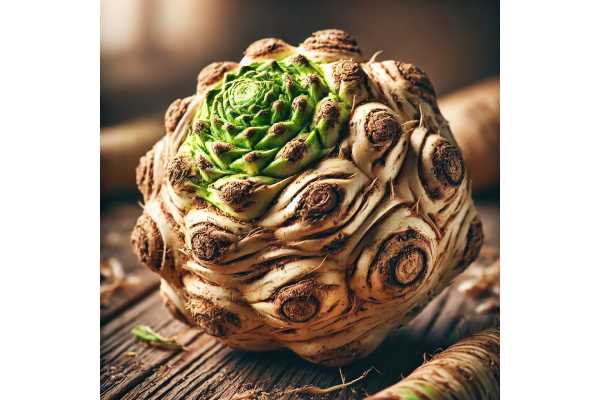
Celeriac (Apium graveolens var. rapaceum) is a variety of celery cultivated mainly for its swollen underground stem. It belongs to the Apiaceae family, along with stalk celery, parsley, and carrots. Unlike standard celery, where the crisp stalks are the star, celeriac is valued for its dense, aromatic root, while the stems and leaves are often trimmed away before sale.
Visually, celeriac can seem unappealing: a bulbous, beige ball covered with rootlets and irregular bumps. Once peeled, however, the interior is smooth and cream colored, with a firm texture that holds up well to many cooking methods. Raw, it has a crisp bite and a clean, herbal flavor reminiscent of celery and parsley. Cooked, it turns tender and slightly nutty, with a mild sweetness that works well alongside meats, legumes, and other vegetables.
Celeriac has long roots in European cooking, particularly in French, German, and Scandinavian cuisines. Classic preparations include:
- Finely shredded in a mustard- or yogurt-based dressing as “celeriac remoulade.”
- Cubed in vegetable soups and stews.
- Mashed with or without potatoes as a lighter alternative to pure potato mash.
- Roasted in wedges or cubes until caramelized on the edges.
Because it is lower in carbohydrate and energy than many starchy roots, celeriac has become more visible in modern low carbohydrate and blood-sugar-conscious recipes, where it can replace part of the potatoes or grains without sacrificing comfort or volume.
In addition to the root, research has begun to focus on the leaves and stalks, which are usually discarded but appear to be rich in polyphenols such as flavones and furanocoumarins with anti-inflammatory activity in experimental models. While this work is still early and does not yet translate into specific dosage advice, it supports the broader practice of using more of the plant where culinary tradition and taste allow.
Overall, celeriac is best seen as a versatile, aromatic root vegetable that can bridge the gap between familiar comfort foods and more nutrient-focused eating patterns.
Celeriac nutrition data and macros
Celeriac is relatively low in calories yet provides a meaningful mix of fiber, vitamins, and minerals. Values below refer to approximately 100 g of raw celeriac and are based on standard nutrient composition data. Actual values vary by soil, cultivar, and storage.
Macros and electrolytes (per 100 g, raw)
| Nutrient | Amount per 100 g | % Daily Value* |
|---|---|---|
| Energy | 42 kcal | 2% |
| Total carbohydrate | 9.2 g | 3% |
| Dietary fiber | 1.8 g | 6–7% |
| Total sugars | 1.6 g | N/A |
| Protein | 1.5 g | 3% |
| Total fat | 0.3 g | <1% |
| Saturated fat | 0.08 g | <1% |
| Sodium | 100 mg | 4% |
| Potassium | ~300 mg | 6% |
*%DV are approximate for a 2,000 kcal diet.
Carbohydrate content is moderate for a root vegetable and lower than the same weight of potatoes or parsnips. Combined with its fiber, this helps keep the glycemic load of typical servings relatively modest, especially when celeriac is prepared with protein and healthy fat. Estimated glycemic index values are generally in the low to moderate range.
Vitamins (per 100 g, raw)
| Vitamin | Amount per 100 g | % Daily Value |
|---|---|---|
| Vitamin C (ascorbic acid) | 8–13 mg | 9–14% |
| Vitamin K (phylloquinone) | ~40–50 µg | 33–42% |
| Vitamin B6 (pyridoxine) | ~0.16–0.30 mg | 10–18% |
| Folate (total folates as DFE) | ~10–20 µg | 3–5% |
| Pantothenic acid (vitamin B5) | ~0.5 mg | 10–11% |
| Thiamin (vitamin B1) | ~0.1 mg | 6–8% |
| Riboflavin (vitamin B2) | ~0.1 mg | 6–7% |
| Niacin (vitamin B3) | ~1.1 mg | 7% |
Celeriac is particularly notable for vitamin K and vitamin B6, with a respectable contribution of vitamin C. Vitamin K supports blood clotting and bone health, while vitamin B6 is involved in amino acid metabolism and nervous system function. Vitamin C adds antioxidant support and aids collagen synthesis.
Minerals (per 100 g, raw)
| Mineral | Amount per 100 g | % Daily Value |
|---|---|---|
| Phosphorus | ~180 mg | 14–18% |
| Magnesium | ~30 mg | 7–8% |
| Calcium | ~70 mg | 5–7% |
| Iron | ~1.1 mg | 6–8% |
| Manganese | ~0.16 mg | 7–8% |
| Zinc | ~0.5 mg | 4–5% |
| Copper | ~0.1 mg | 10–12% |
| Selenium | ~1 µg | 2% |
The relatively high phosphorus and meaningful magnesium, along with potassium, contribute to muscle function, nerve signaling, and bone support.
Bioactives and other components
| Component / Group | Notes (no %DV) |
|---|---|
| Polyphenols (flavones, furanocoumarins, phenolic acids) | Present in both root and aerial parts; show antioxidant and anti-inflammatory activity in experimental models. |
| Phthalides | Aromatic compounds in celery species, studied for potential vascular effects. |
| Nitrates (variable) | Contribute modestly to overall nitrate intake compared with leafy greens. |
Overall, celeriac delivers a “quietly dense” nutrient package with more vitamins and minerals than its mild flavor might suggest, making it a valuable addition to a varied vegetable pattern.
Science based benefits of celeriac
Direct human trials on whole celeriac are limited, but its nutrient profile, its relationship to celery, and emerging phytochemical research help outline plausible benefits when it is used regularly as part of an overall healthy diet.
1. Cardiometabolic support through nutrient density and substitution
Celeriac offers a combination of relatively low energy density, moderate fiber, and meaningful potassium with very little saturated fat. Replacing part of higher starch sides (such as potatoes or refined grain dishes) with celeriac can help lower meal calories and glycemic load, which may support weight management and blood glucose control over time.
Broad evidence shows that higher vegetable intake, especially when it includes a variety of types, is linked with reduced risk of cardiovascular disease and mortality. While these data are not specific to celeriac, they suggest that regularly including vegetables like celeriac in meals is a sound strategy for heart health.
2. Possible blood pressure and vascular benefits
Celeriac contributes potassium and small amounts of nitrates and phthalides, compounds that, in celery species, are under investigation for their potential to influence vascular tone and blood pressure. Research on celery extracts suggests small improvements in blood pressure and lipid parameters in some groups, though results are mixed and not directly transferable to typical culinary doses of celeriac.
These findings do not turn celeriac into a treatment for hypertension, but they support its role as one of many vegetable options in a heart-friendly pattern that emphasizes potassium-rich, minimally processed plant foods.
3. Anti-inflammatory and antioxidant potential
Laboratory studies of celeriac’s root and aerial tissues have identified a range of phenolic compounds and shown that extracts can reduce inflammatory mediators and support antioxidant activity in cell models. While doses and forms used in these experiments differ from typical culinary use, they reinforce the idea that celeriac is more than just “white starch” and that it contributes bioactive compounds alongside its vitamins and minerals.
4. Digestive and metabolic health via fiber
Celeriac’s fiber, though modest per 100 g, still adds bulk and contributes to stool regularity when it appears consistently in the diet. Fiber-containing vegetables are also associated with increased satiety and improved diet quality, which in turn can support better weight regulation and metabolic health.
5. Practical culinary benefits that support adherence
From a behavioral perspective, one of celeriac’s strengths is how easily it blends into familiar dishes:
- In mash or purée, it can replace some potatoes with little impact on comfort.
- In soups and stews, it adds flavor and thickness without significantly raising calories.
- When shaved raw into salads, it boosts vegetable variety and adds crunch.
These uses make it easier for many people to meet vegetable intake targets, which is often a bigger challenge than finding a single “hero” ingredient.
Celeriac risks allergies and interactions
For most people, celeriac is safe when eaten in typical culinary amounts. Still, several issues deserve careful attention, especially in sensitive groups.
1. Allergy and cross-reactivity
Celeriac can provoke allergic reactions, particularly in individuals who are already sensitized to celery or certain pollens. In some regions, celeriac allergy is a recognized cause of food-related reactions, and cross-reactivity between celery, celeriac, and related pollens has been documented. Symptoms can range from oral itching and mild swelling to hives, gastrointestinal discomfort, or, in rare cases, more serious reactions.
Anyone with a known celery allergy or a history of unexplained reactions to mixed vegetable dishes that might contain celeriac should seek evaluation from an allergist before consuming it again. Processed foods may label celeriac as “celery root,” so careful label reading is important.
2. Digestive tolerance and FODMAP considerations
Unlike stalk celery, which can be high in certain fermentable carbohydrates (FODMAPs) at larger servings, celeriac is often better tolerated in moderate amounts. Several low FODMAP diet resources describe moderate portions as more suitable, with larger servings potentially providing enough mannitol and other fermentable carbohydrates to provoke symptoms in sensitive individuals.
People with irritable bowel syndrome or functional bloating may therefore:
- Start with small, cooked portions (for example, ½ cup cooked).
- Avoid very large servings in a single meal.
- Monitor symptoms and adjust portion size accordingly, ideally with guidance from a dietitian familiar with FODMAPs.
3. Kidney disease and potassium load
Celeriac’s potassium content is moderate per 100 g but can add up for people who must restrict potassium because of impaired kidney function. In such cases, total daily potassium from all foods is usually the key focus, not a single vegetable. Anyone with chronic kidney disease or taking certain medications that affect potassium should follow individualized advice about portion sizes.
4. Sodium and processed forms
Fresh celeriac itself is not high in sodium, but prepared products such as instant soups, ready-made mash, or restaurant dishes can include substantial added salt. People monitoring blood pressure or sodium intake should pay attention to the whole dish and not just the root vegetable.
5. Interactions with medications and supplements
Most concerns about interactions involve concentrated celery seed extracts used as herbal preparations rather than culinary amounts of celeriac. However, because celery species contain compounds that may have mild diuretic, vasodilatory, or anticoagulant-like effects in experimental settings, people taking medications for blood pressure, blood thinning, or fluid balance should inform their healthcare provider about any high-quantity supplement use. Normal food uses of celeriac in standard recipes are generally considered compatible with such medications, assuming diet remains relatively stable.
6. Food safety
As a root vegetable, celeriac can carry soil residues and microorganisms on its surface. To reduce foodborne illness risk:
- Scrub and rinse the whole root under running water before peeling.
- Use a clean cutting board and knife, separate from raw meats.
- Refrigerate cut or cooked celeriac promptly and avoid leaving it at room temperature for extended periods.
Buying storing and sustainability tips
Selecting good-quality celeriac and storing it properly helps you get the best texture and flavor while minimizing waste.
Choosing a fresh root
When you buy celeriac, look for:
- Firm, heavy bulbs: The root should feel dense and solid for its size. Soft spots suggest internal decay.
- Even color: A creamy beige surface with minimal dark patches is ideal. Minor surface blemishes can be cut away, but widespread browning or mold is a sign to avoid.
- Moderate rootlets: A few root threads are normal; an excessive tangle may indicate age or dehydration.
- Fresh tops, if attached: Occasionally, celeriac is sold with leafy stalks. They should look green and relatively crisp, not wilted or slimy.
Celeriac is typically in peak season during the cooler months, but in many regions it is available almost year-round.
Storage at home
Celeriac stores well if handled correctly:
- Refrigeration: Keep the unpeeled root in the refrigerator, ideally in the crisper drawer. It can last from one to three weeks, depending on initial freshness.
- Do not wash until needed: Excess moisture encourages spoilage. Brush off soil, but wait to wash and peel until just before cooking.
- Separate tops: If leafy stalks are still attached, remove them before storage and use them promptly in soups or stocks. They wilt faster than the root.
- Cut celeriac: Once peeled and cut, store pieces in an airtight container in the fridge and use within a few days. To reduce browning, you can briefly toss pieces in water acidified with lemon juice before cooking.
Freezing is also possible. Blanching cubes or slices for a few minutes, cooling quickly, and then freezing in portions preserves texture reasonably well for later soups and mash, though there will be some change compared with fresh.
Reducing waste and improving sustainability
Celeriac has a lower environmental footprint than animal products and can be part of a climate-conscious eating pattern. You can further enhance sustainability by:
- Planning meals that use the whole root over a week (soups, mash, roasted sides, and salads).
- Incorporating peeled trimmings into stocks or pureed soups instead of discarding them.
- Using the leaves and stems where their stronger, slightly bitter flavor is welcome, such as in broths or finely chopped into sauces.
Buying local, seasonal celeriac when available supports regional growers, reduces transport distance, and often improves flavor, as the roots may be fresher and less dehydrated.
Cooking celeriac and preserving nutrients
Celeriac’s dense flesh and aromatic flavor respond well to a variety of cooking techniques, but some methods retain nutrients better than others.
Preparation basics
First, trim the top and bottom to create flat surfaces, then stand the root on a cut end and carefully slice away the thick skin in downward strokes. Work generously enough to remove fibrous outer layers. The peeled flesh oxidizes and turns brown when exposed to air, so if you are not cooking it immediately, place pieces in a bowl of cold water with a little lemon juice or vinegar. This slows browning without significantly altering nutrition.
Cooking methods and nutrient impact
- Boiling: Common for mash and purées. Prolonged boiling in a large volume of water can lead to losses of water-soluble vitamins like vitamin C and some B vitamins, especially if the cooking water is discarded. Using just enough water and keeping cooking time moderate can reduce these losses.
- Steaming: Uses less water and tends to preserve vitamin C and B vitamins better than boiling. Steamed celeriac cubes or slices can be served as a side dish or further mashed.
- Roasting: Tossing cubes or wedges with a small amount of oil and roasting at moderate to high heat brings out sweetness and browned flavors. Some heat-sensitive nutrients decline, but roasting often leads to higher vegetable intake because of improved palatability.
- Sautéing or stir-frying: Thin matchsticks or small cubes cook quickly in a pan with oil, herbs, and aromatics. Short cooking times help retain texture and many micronutrients while creating a flavorful side dish.
- Microwaving: With a small amount of water, microwaving can be efficient and relatively gentle on nutrient losses when cooking times are kept short.
Examples of nutrient-conscious dishes
- Celeriac and potato mash: Combine steamed celeriac with a smaller amount of boiled potato, olive oil, and herbs to reduce overall starch while keeping a familiar texture.
- Roasted celeriac “steaks”: Thick slices roasted with spices can stand in for part of a meat portion or serve as a hearty vegetable centerpiece.
- Creamy celeriac soup: Simmer celeriac with onion, garlic, and stock, then blend. Adding a small amount of dairy or plant milk gives creaminess without needing heavy cream.
- Raw salads and slaws: Finely shredded raw celeriac, dressed with lemon juice, yogurt, mustard, or vinegar-based dressings, preserves vitamin C and maintains a crisp texture. People prone to digestive discomfort may prefer lightly cooked versions.
Balancing nutrition with tolerance
For individuals with sensitive digestion, fully cooking celeriac (steaming, boiling, roasting) usually provides better tolerance than raw forms. Starting with small portions and increasing gradually allows you to observe your own response while still gaining the benefits of its nutrient profile.
Serving sizes comparisons and answers
Understanding realistic portion sizes and how celeriac compares with other staples can help you use it effectively.
Typical serving sizes
A practical serving for most adults is:
- 80–100 g cooked celeriac (about ½–1 cup), or
- Roughly one quarter of a medium root, depending on size.
Within a balanced diet, having this portion once a day or several times per week is reasonable for most healthy people. There is no standard “maximum” for the general population, but extremely large servings (for example, several cups at once) add unnecessary carbohydrate load and may increase digestive symptoms for some.
Who may benefit most?
Celeriac may be particularly useful for:
- People aiming to reduce refined starch intake while still enjoying mashed or roasted sides.
- Individuals following moderate low carbohydrate patterns who want more variety than cauliflower alone can provide.
- Those looking to increase vitamin K and potassium intake from plant sources without relying solely on leafy greens.
Who may need to limit or adjust intake?
- Individuals with celery or celeriac allergy should avoid it unless cleared by an allergist.
- People with advanced chronic kidney disease or on medications that affect potassium should follow medical advice on total daily potassium, which may limit celeriac portions.
- Those with irritable bowel syndrome may tolerate small, cooked portions but react to large servings, particularly if other high-FODMAP foods are present in the same meal.
Comparisons with other common sides
Per 100 g cooked:
- Celeriac vs potatoes: Celeriac generally has fewer calories and carbohydrates than an equivalent amount of white potato and a higher share of vitamin K, while potatoes often provide more vitamin C and sometimes more fiber, depending on preparation.
- Celeriac vs parsnips and carrots: Parsnips are sweeter and higher in carbohydrate; carrots offer more beta-carotene (vitamin A activity). Celeriac sits between them, with a more savory profile and stronger vitamin K contribution.
- Celeriac vs stalk celery: Stalk celery is lower in energy and often eaten in small amounts as a snack or flavoring. Celeriac is more energy dense but tends to be eaten in larger, main-dish portions, contributing more total nutrients per serving.
Common questions
- Is celeriac suitable for low carbohydrate or ketogenic diets?
In moderate portions, celeriac can fit into many lower carbohydrate patterns, especially when used to replace higher carbohydrate sides. Very strict ketogenic plans may still require careful weighing and counting of its carbohydrate content. - Can you eat celeriac raw every day?
Many people can safely include small amounts of raw celeriac in salads or slaws on a regular basis. If you notice bloating or discomfort, switch to cooked forms or reduce portion sizes. - Is organic celeriac nutritionally superior?
Organic and conventional celeriac have broadly similar nutrient profiles; differences, if any, are small compared with the impact of overall diet. Choosing organic may reduce certain pesticide residues and can support environmental priorities, but eating more vegetables in whichever form is accessible remains the higher priority for most people. - Can celeriac be juiced?
Yes, but juicing removes most of the fiber and can concentrate natural sugars and certain bioactives. When aiming for gut and metabolic health, using celeriac in whole-food dishes is usually preferable to relying heavily on juice.
References
- What Is Celeriac? A Root Vegetable With Surprising Benefits, 2018 (Narrative Review / Consumer Health Article).
- Celery Root Nutrition Facts and Health Benefits, 2022 (Evidence-Based Consumer Summary).
- Phytochemical Profiling and Anti-Inflammatory Effects of Aerial and Underground Parts of Apium graveolens var. rapaceum (Celeriac): Potential Health Benefits of Discarded Aerial Parts, 2025 (Experimental Study).
- Effects of Celery (Apium graveolens) on Blood Pressure, Glycemic and Lipid Profile in Adults: A Systematic Review and Meta-Analysis of Randomized Controlled Trials, 2025 (Systematic Review and Meta-Analysis).
- Cardiovascular Health Benefits of Specific Vegetable Types: A Narrative Review, 2018 (Narrative Review).
Disclaimer
The material in this article is for general information only and is not intended to replace personalized medical advice, diagnosis, or treatment. Nutrient needs, health risks, allergies, and medication interactions can vary widely between individuals. If you have an existing health condition, follow a therapeutic diet, take prescription medications, are pregnant or breastfeeding, or suspect a food allergy or intolerance, consult your physician, registered dietitian, or other qualified health professional before making significant changes to your intake of celeriac or any other food.
If you found this overview of celeriac helpful, you are kindly invited to share it on Facebook, X (formerly Twitter), or any platform you prefer. Your thoughtful sharing helps support our work and allows us to continue producing careful, evidence-informed nutrition content for a wider audience.