Celery seeds are tiny, aromatic powerhouses harvested from Apium graveolens. Despite their size, they bring concentrated flavor—earthy, herbal, and slightly bitter—with warm notes that anchor pickles, brines, salad dressings, spice rubs, and classic blends like celery salt. Nutritionally, celery seeds deliver fiber, plant protein, and a standout package of minerals including calcium, iron, and magnesium. Their essential oil contributes terpenes and phthalides that account for the signature scent and a long history of culinary and traditional use. You will find them whole, ground, or infused in vinegars and salts; each form offers different strengths in cooking. This guide frames what most cooks and health-minded readers want to know: how celery seeds are processed, how to read their per-100-gram nutrition, realistic evidence for benefits, who should be cautious (allergy and photosensitivity get special attention), how to shop and store for quality, and techniques to unlock flavor while protecting nutrients.
Essential Insights
- Typical serving: ½–1 teaspoon (1–2 g) used 3–5 times per week in cooking; higher amounts fit best inside overall sodium and calorie goals.
- Key nutrients per 100 g: ~18 g protein, ~41 g carbohydrate (≈12 g fiber), ~25 g fat, and notable calcium, iron, magnesium, and potassium.
- Safety note: celery is a regulated allergen in the EU; seeds and seed-based seasonings must be declared on labels.
- Limit or avoid if you have a confirmed celery allergy, are photosensitive to furanocoumarins, or must restrict potassium or sodium for medical reasons.
Table of Contents
- Detailed Overview
- Nutrition Profile
- Evidence-Based Health Benefits
- Risks, Allergies and Interactions
- Selecting, Quality, Sustainability and Storage
- Preparation, Cooking and Nutrient Retention
- Portions, Comparisons and FAQs
Detailed Overview
What celery seeds are.
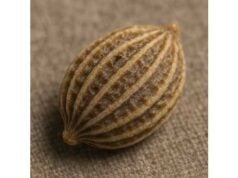
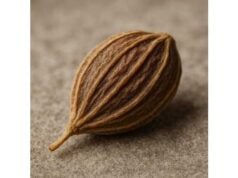
Celery seeds are the small, brown seeds of Apium graveolens (celery). They are technically fruits (schizocarps) that split into two mericarps—what we call “seeds.” Their aroma comes from essential oil rich in limonene, selinene, and related terpenes, along with phthalides that lend the classic celery scent. Compared with stalk and leaf, seeds are far more intense; you need only a pinch to season a dish.
Culinary roles and forms.
- Whole seeds: Best for brines, pickles, and slow-cooked broths where time softens texture and releases oils.
- Ground seed: Disperses flavor fast in dressings, spice rubs, sausages, and vegan “chicken-style” seasonings.
- Celery salt: A blend of ground seed and salt; a staple for Chicago-style hot dogs, Bloody Mary rims, seafood boils, and sandwich dustings.
- Infused vinegars and oils: Capture aroma for finishing vegetables, grains, and legumes.
Sourcing and processing.
Commercial seeds are dried and cleaned after harvest, then graded for size, color, and volatile oil content. Ground products lose aroma faster than whole seeds; quality brands grind in small batches and use airtight packaging. Because celery is a declared allergen in the EU, reputable manufacturers maintain strict labeling and cross-contact controls for seed-based ingredients.
Flavor science in the kitchen.
Heat unlocks the essential oil, but excessive frying can scorch bitter notes. Bloom seeds in a small amount of fat (oil or butter) over low heat for 30–60 seconds, or steep in hot vinegar for 10–15 minutes to marshal savory complexity without harshness. Balancing partners include citrus, mustard, coriander, dill, pepper, garlic, and sweet elements like apple or carrot.
Everyday nutrition context.
Celery seeds are concentrated, so practical portions are small; they bring minerals, fiber, and phytochemicals without many calories. The concentrated sodium in celery salt is about the salt you add, not the seed itself. For those watching blood pressure, using whole or ground seeds instead of salt-forward blends keeps the celery character while limiting total sodium.
Nutrition Profile
How to use this section.
Numbers below describe unfortified celery seeds per 100 g with approximate % Daily Values (%DV) for a 2,000-kcal diet. A typical culinary serving of 1–2 g supplies ~1–2% of these values. Values are compiled from standard nutrient references for “Spices, celery seed.”
Macros and Electrolytes (per 100 g)
| Nutrient | Amount | %DV |
|---|---|---|
| Energy | ~392 kcal | — |
| Protein | ~18.1 g | 36% |
| Total Fat | ~25.3 g | 32% |
| Saturated Fat | ~2.0 g | 10% |
| Monounsaturated Fat | ~15.5 g | — |
| Polyunsaturated Fat | ~3.7 g | — |
| Carbohydrate | ~41.4 g | 15% |
| Dietary Fiber | ~11.8 g | 42% |
| Total Sugars | ~0.5–1.0 g | — |
| Sodium | ~160 mg | 7% |
| Potassium | ~1,400 mg | 30% |
| Water | ~6–7 g | — |
Interpretation: A calorie-dense spice with meaningful fiber and minerals; fat is predominantly monounsaturated with a moderate polyunsaturated share.
Fats and Fatty Acids (per 100 g)
| Fatty Acid | Amount |
|---|---|
| Oleic acid (18:1 n-9) | ~15.5 g |
| Linoleic acid (18:2 n-6) | ~3.5 g |
| Alpha-linolenic acid (18:3 n-3) | ~0.2 g |
| Palmitic + stearic acids | ~1.7 g combined |
Kitchen note: Light toasting heightens aroma without excessive oxidation; avoid dark frying that can degrade these oils.
Vitamins (per 100 g)
| Vitamin | Amount | %DV |
|---|---|---|
| Vitamin C | ~17 mg | 19% |
| Thiamin (B1) | ~0.5 mg | 42% |
| Vitamin B6 | ~1.0 mg | 59% |
| Folate (DFE) | ~10 µg | 2% |
| Vitamin E (alpha-tocopherol) | ~1.0 mg | 7% |
| Vitamin K | ~0–5 µg | 0–4% |
Reality check: Seeds are modest in most vitamins but not insignificant for B-vitamins given their small use amounts.
Minerals (per 100 g)
| Mineral | Amount | %DV |
|---|---|---|
| Calcium | ~1,765 mg | 136% |
| Iron | ~45 mg | 250% |
| Magnesium | ~440 mg | 105% |
| Phosphorus | ~545 mg | 44% |
| Potassium | ~1,400 mg | 30% |
| Manganese | ~7.5 mg | 326% |
| Zinc | ~7 mg | 64% |
| Copper | ~1.5 mg | 167% |
| Sodium | ~160 mg | 7% |
| Selenium | ~12 µg | 22% |
Context: These numbers make sense only in per-100-g terms. Real-world servings (1–2 g) contribute trace but meaningful amounts across a week of cooking.
Bioactives and Phytonutrients
- Phthalides (notably 3-n-butylphthalide) that define aroma.
- Terpenes (limonene, selinene) and phenolics in the essential oil.
- Furanocoumarins occur in Apium tissues; sensible use and proper handling mitigate phototoxicity risks (see Safety).
Allergens and Intolerance Markers
- Celery is a regulated allergen in the EU; seeds and derivatives (e.g., celery salt) require label disclosure.
- Cross-contact can occur where multiple spices are processed; choose brands with transparent allergen controls if needed.
Contaminants/Residues
- Mycotoxins: Low risk when seeds are well dried and stored; buy from reputable suppliers.
- Heavy metals: As with many spices, trace contamination risk exists from soil and processing; diversify brands and avoid very old stock.
Footnote: Values reflect plain seeds. Celery salt contains additional sodium; flavored mixes vary. Fortified products are uncommon for this spice.
Evidence-Based Health Benefits
1) Flavor-first sodium reduction
Because celery’s aroma screams “savory,” small amounts of ground seed can let you use less added salt without losing satisfaction. In dressings, slaws, poultry rubs, and bean salads, ¼ teaspoon of ground celery seed often replaces ¼–½ teaspoon of salt. Over a week, these swaps move the needle far more than any single “superfood.”
2) Support for blood pressure in dietary patterns
When celery seed extracts are studied in controlled trials, researchers often examine their effect on blood pressure. Findings generally suggest modest reductions in systolic and diastolic measures in adults with elevated blood pressure when standardized seed extracts are added to usual care. The most robust wins still come from foundational steps—balanced eating patterns, activity, and sodium moderation—with celery seed as a culinary adjunct rather than a stand-alone intervention.
3) Antioxidant and vasodilatory signals from aromatic compounds
Phthalides and certain terpenes in celery seed oil demonstrate vasodilatory and antioxidant actions in preclinical work. In the kitchen, blooming ground seeds in a little oil disperses these volatile compounds into the dish, where they contribute both flavor and a favorable nutrient matrix (unsaturated fats, minerals, and fiber). These effects complement—not replace—medical therapy.
4) Digestive comfort and culinary diversity
As a spice, celery seed supports palatability of fiber-rich foods (legumes, whole grains, crucifers). Better flavor drives better adherence to eating plans associated with cardiometabolic health. Many home cooks also use celery seed to add “celery flavor” when fresh stalk is out of season or too watery for a recipe.
What to expect in real life
- A tiny seed can change the salt-to-flavor ratio of your meals.
- Consistent, pattern-level use (½–1 teaspoon most days) is more impactful than sporadic “supplement” doses.
- If you are under care for hypertension, do not change medications based on seasoning habits; discuss any supplement-grade extracts with your clinician.
Risks, Allergies and Interactions
Allergy
Celery is a major declarable allergen in the EU. Reactions can be severe and may include oral itching, hives, wheeze, vomiting, or anaphylaxis. If you have a diagnosed celery allergy, avoid celery seeds and celery salt and check labels for spice blends, sauces, cured meats, and flavored snacks where celery hides. Cross-reactivity can occur among Apiaceae spices (celery, coriander, caraway, fennel) in sensitized people—work with an allergist for testing and a plan.
Photosensitivity (furanocoumarins)
Parts of the celery plant contain furanocoumarins which can cause phototoxic reactions when combined with UVA exposure. These incidents are rare from culinary use of seed, but they have been documented with high exposures from fresh plant handling, juices, or therapies involving UVA light. If you have known photosensitivity or undergo PUVA therapy, be cautious with large exposures and avoid concentrated topical applications of celery extracts.
Blood pressure medications and supplements
If using standardized celery seed extract capsules (a different exposure than culinary seasoning), monitor with your clinician—especially if you take antihypertensives or diuretics—since additive blood-pressure-lowering or diuresis is possible. Culinary amounts (½–1 teaspoon) are not known to interact meaningfully for most people.
Sodium awareness
Celery salt is mostly salt. A teaspoon can deliver ~2,000 mg sodium depending on the blend. Reach more often for plain seeds or custom mixes where you control the salt.
Kidney disease and mineral restrictions
Celery seeds contain potassium and phosphorus; those with advanced chronic kidney disease or on dialysis may need to limit amounts. Check with your renal dietitian.
Pregnancy and lactation
Culinary use is considered typical and is widely practiced. Avoid high-dose extracts unless your prenatal clinician approves them—safety data are limited at supplement doses.
When to seek help
Any severe allergic symptoms (throat tightness, wheeze, dizziness, vomiting) after exposure require emergency care. For unusual rashes after garden or kitchen contact, photograph the area, note sun exposure, and consult a clinician.
Selecting, Quality, Sustainability and Storage
How to buy
- Whole vs. ground: Whole seeds hold aroma best; grind small amounts fresh in a spice grinder. If buying ground, choose airtight, opaque containers from brands that date their batches.
- Color and scent: Quality seeds look clean and uniform, with a warm, penetrating celery smell. Avoid dusty jars or faded labels.
- Organic or conventional: Either can be excellent; prioritize freshness, packaging, and supplier transparency.
Sourcing and ethics
Celery seed production occurs across India, Europe, and other regions with spice infrastructure. Ethical suppliers document labor conditions and invest in farmer training (drying, storage, and quality testing) to minimize contamination and waste. Supporting brands that publish origin and processing information helps build a more sustainable spice chain.
Storage
- Airtight + dark + cool: Transfer to a sealed glass jar; store away from oven heat.
- Shelf life: Whole seeds keep 12–18 months; ground seed 6–9 months if sealed tightly. Celery salt follows the shorter timeline due to caking risk.
- Freezing is optional: For long holding, freeze well-sealed portions; thaw in a closed container to prevent condensation.
- Rancidity and staleness: Off-aromas (paint, musty) or flat flavor signal oxidation—replace.
Reducing waste
- Buy sizes you can finish in under a year.
- Keep a small working jar and refill from a larger, well-sealed bag stored cool and dark.
- Revive sleepy spices by blooming them gently in oil just before use.
Preparation, Cooking and Nutrient Retention
Core techniques
- Blooming: Warm ¼–½ teaspoon ground celery seed in 1–2 teaspoons oil over low heat for 30–60 seconds until fragrant; remove from heat and whisk into dressings, slaws, or warm grain bowls.
- Steeping: For pickles and quick brines, simmer 1 teaspoon whole seeds per cup of vinegar, then let stand 10–15 minutes before straining or bottling.
- Grinding fresh: Blitz whole seeds 10–20 seconds in a spice grinder for bright, lifted flavor. Clean grinders between spices to avoid cross-flavor.
- Dry toasting: Toast whole seeds in a dry skillet over medium-low heat for 1–2 minutes, stirring. Aim for a shade darker and a nutty scent, not smoke.
Retention tips
- Avoid scorching: Bitter notes emerge with high heat; keep temperatures moderate and exposure brief.
- Add late in cooking: To protect aroma and oils, add ground seed near the end of simmered dishes.
- Use quality oils: Unsaturated fats (olive, canola, high-oleic sunflower) help dissolve and carry celery volatiles throughout the dish.
Flavor pairings
- Savory: Mustard, dill, coriander, black pepper, garlic, onion, bay, smoked paprika.
- Acidic: Cider vinegar, lemon, dill pickle brine.
- Sweet balance: Apple, carrot, roasted squash—sweetness rounds out celery’s bitterness.
Practical, portion-savvy ideas
- Herbed potato salad (serves 4): Bloom ½ tsp ground celery seed and ½ tsp mustard powder in 1 tbsp oil; whisk with 2 tbsp cider vinegar and 2 tbsp yogurt or vegan mayo; fold into 700 g warm potatoes with dill and scallion.
- Crunchy slaw dressing: Shake ¼ tsp ground celery seed, ½ tsp sugar or honey, 2 tbsp vinegar, 1 tbsp oil, pinch salt and pepper; toss with shredded cabbage and carrot.
- Bean salad upgrade: Add ½ tsp ground celery seed and lemon zest to a can of white beans with parsley, olive oil, and capers.
What to avoid
- Relying on celery salt as the default. Start with plain seed and add salt to taste.
- Storing open jars near heat or light; the essential oil dissipates quickly.
- Treating culinary seed use as a medication substitute; keep expectations grounded in pattern-level improvements.
Portions, Comparisons and FAQs
How much should I use?
For everyday cooking, ½–1 teaspoon (1–2 g) seasons a family dish. If you are experimenting with sodium reduction, start on the lower end and pair celery seed with acid (lemon, vinegar) and herbs to amplify flavor with less salt.
Celery seed vs. celery salt
- Celery seed: Pure spice; no sodium added.
- Celery salt: Usually a 1:1 blend of salt and ground seed (ratios vary). Choose seed when you want control, salt when you need consistency in classic recipes—and measure mindfully.
How does celery seed compare with similar spices?
- Dill seed: Brighter and more citrusy; less bitter.
- Caraway: Anise-like and toasty; dominates rye breads.
- Coriander seed: Nutty citrus; more versatile in sweet applications.
All three rotate well with celery seed in pickles and slaws; mix to taste.
Is it gluten-free and vegan?
Yes. Pure celery seed is naturally gluten-free and vegan. As with any spice, check blends for anticaking agents or flavor carriers if you have specific dietary needs.
Can I use celery seed instead of fresh celery?
For flavor, yes—in dressings, salads, and rubs. For bulk and crunch, no; combine seed with diced cucumber, fennel, or celery root if you need texture.
Will celery seed raise or lower my blood pressure?
Used as a seasoning, celery seed mainly helps you replace some salt and enjoy high-fiber foods more often—both supportive of blood pressure control. Supplement-grade extracts are a different exposure; talk with your clinician before using them alongside medications.
Storage reminder
Write the open date on the jar. If the aroma fades or the taste turns flat or bitter, replace the spice. Freshness matters more than brand.
References
- Nutrition Facts for Celery Seed (2024)
- Effect of celery (Apium graveolens) seed extract on hypertension: A randomized, triple-blind, placebo-controlled, cross-over, clinical trial (2022) (RCT)
- Beneficial effects of celery seed extract (Apium graveolens) on hypertension: A randomized, triple-blind, placebo-controlled clinical trial (2023) (RCT)
- Antihypertensive Property of Celery: A Narrative Review on Its Mechanisms and Clinical Effectiveness (2024) (Systematic Review)
- Commission Delegated Regulation (EU) 2024/2512 of 17 April 2024 amending Regulation (EU) No 1169/2011 as regards the indication of the list of ingredients for certain alcoholic beverages and the list of substances or products causing allergies or intolerances (2024)
- New Insights Concerning Phytophotodermatitis Induced by Furanocoumarins and Their Efficacy in Photochemotherapy (2024) (Review)
Medical Disclaimer
This article provides general information and is not a substitute for professional medical advice, diagnosis, or treatment. Always work with your healthcare professional—especially if you have a confirmed celery allergy, photosensitivity, chronic kidney disease, hypertension, or you are considering supplement-grade celery seed extracts. Seek urgent care for signs of severe allergic reaction such as hives, wheeze, throat tightness, vomiting, dizziness, or fainting.
If you found this guide useful, please consider sharing it on Facebook, X (formerly Twitter), or any platform you prefer to help others discover reliable, food-first advice.