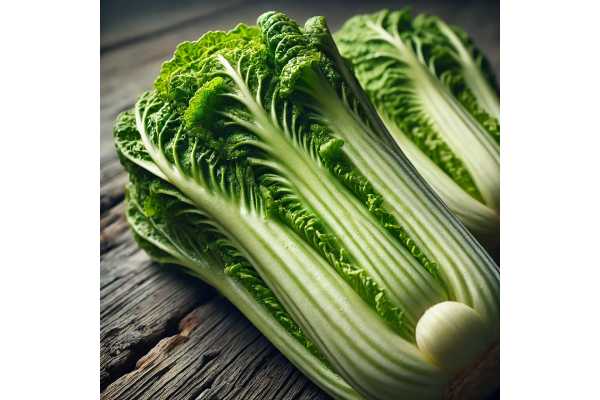
Celtuce is one of those vegetables that feels new even if you are very comfortable in the kitchen. Also called stem lettuce, asparagus lettuce, or Chinese lettuce, it combines tender leafy tops with a thick, crisp stem that behaves more like a vegetable than a salad green. The flavor sits somewhere between lettuce and asparagus, with a gentle nuttiness and mild bitterness that softens with cooking.
From a nutrition perspective, celtuce is low in calories yet offers hydration, fiber, carotenoids with vitamin A activity, vitamin C, and helpful minerals such as potassium and manganese. It fits naturally into lighter meals, but it is substantial enough to carry a stir fry, soup, or noodle bowl. At the same time, it shares some of the safety considerations of other leafy vegetables, such as nitrate accumulation, possible pesticide residues, and rare allergy concerns. This guide pulls together what is currently known so you can make informed choices about using celtuce regularly and safely.
Fast Facts for Celtuce
- About 18 kcal, roughly 3.5–3.7 g carbohydrate, 1.7 g fiber, and around 0.9 g protein per 100 g raw celtuce stem, plus notable vitamin A, vitamin C, and potassium.
- Regular use of celtuce in place of more refined or energy-dense sides can support weight management, hydration, and overall vegetable diversity in the diet.
- Main safety issues are potential nitrate accumulation in intensively fertilized crops, general leafy-vegetable contamination risks, and rare cross-allergy within the lettuce family.
- A practical serving is 80–100 g (about 1 cup sliced stem and leaves) once daily or several times per week, adjusted for appetite, goals, and digestive comfort.
- People with diagnosed lettuce allergy, those on very strictly controlled vitamin K or nitrate intakes, or individuals with highly sensitive digestion should discuss their specific limits with a healthcare professional or dietitian.
Table of Contents
- Celtuce origins and culinary roles
- Celtuce nutrition profile and macros
- Health benefits of celtuce leaves and stems
- Celtuce risks allergies and interactions
- Selecting storing and sustainability for celtuce
- Preparing and cooking celtuce for nutrition
- Portions comparisons and FAQs about celtuce
Celtuce origins and culinary roles
Celtuce (Lactuca sativa var. augustana or asparagina) is a specialized type of lettuce grown for its elongated, thick stem as well as its leaves. It is widely used in China and Taiwan, where it is known under names such as wosun and woju, and has recently begun appearing in farmers’ markets and restaurant menus in Europe and North America. Unlike common head lettuce, where leaves are the main product, celtuce is harvested once the stem has thickened and elongated, usually to a length of 15–30 cm and a diameter of about 3–4 cm.
Botanically, celtuce is still lettuce, so it shares some characteristics with romaine or loose-leaf lettuces: a relatively shallow root system, preference for cool weather, and susceptibility to bolting in heat. What distinguishes it is the crisp, juicy stem. When peeled, this stem reveals pale jade green flesh with a texture somewhere between cucumber and broccoli stem. Raw, it is crunchy, slightly sweet, and mildly bitter. Cooked, it becomes tender and absorbs surrounding flavors while keeping a pleasing bite.
Culinarily, celtuce is extremely versatile. In Chinese cooking, the stem is often sliced into thin coins, matchsticks, or ribbons and then quickly stir fried with garlic, chili, or fermented condiments. It can also be lightly blanched and dressed as a cold salad, pickled, or added to soups and hot pots. The leaves, meanwhile, are used much like other lettuce greens: tossed with dressing, added to noodle bowls, or quickly wilted in a hot pan.
Because it behaves both like a leafy green and a tender stem vegetable, celtuce fits in many roles:
- As a refreshing, hydrating ingredient in warm-weather salads.
- As a low energy-density, high-volume component in stir fries and noodle dishes.
- As a crunchy accent in grain bowls, wraps, or spring rolls.
- As a mild, vegetable-forward side when simply stir fried with ginger and sesame oil.
For home cooks, one of its biggest advantages is that a single vegetable can provide both salad greens and “main” vegetable material, making it easier to increase vegetable portions without adding complexity to meal planning.
Celtuce nutrition profile and macros
Celtuce is a classic example of a high-water, low-calorie vegetable that still contributes important micronutrients. Nutrition databases consistently describe raw celtuce stems as containing around 18 kcal per 100 g, with very little fat and modest carbohydrate and protein. At the same time, celtuce delivers notable carotenoids (provitamin A), vitamin C, certain B vitamins, and minerals such as potassium and manganese.
The tables below summarize typical values for raw celtuce per 100 g. Actual composition can vary with variety, soil, and growing conditions, so these numbers should be seen as approximate guides rather than exact laboratory results.
Macros and electrolytes (per 100 g, raw)
| Nutrient | Amount per 100 g | % Daily Value* |
|---|---|---|
| Energy | 18 kcal | 1% |
| Total carbohydrate | 3.5–3.7 g | 1% |
| Dietary fiber | ~1.7 g | 6% |
| Net carbohydrate | ~2.0 g | — |
| Total sugars | ~1.0–1.5 g | — |
| Protein | ~0.8–0.9 g | 2% |
| Total fat | ~0.3 g | <1% |
| Saturated fat | ~0.05 g | <1% |
| Sodium | ~15–20 mg | <1% |
| Potassium | ~200–250 mg | 4–5% |
*%DV based on a 2,000 kcal diet; values rounded.
Celtuce is mostly water, but its fiber content is still meaningful given the very low calorie load. The combination of modest fiber and high water contributes to satiety and supports bowel regularity.
Vitamins (per 100 g, raw)
| Vitamin | Amount per 100 g | % Daily Value |
|---|---|---|
| Vitamin A (as carotenoids) | ~175 µg RAE | ~19% |
| Vitamin C (ascorbic acid) | ~15–20 mg | 17–22% |
| Vitamin K (phylloquinone) | modest | estimated 10–20% |
| Folate (total folates as DFE) | ~30–40 µg | 7–10% |
| Vitamin B6 (pyridoxine) | ~0.05–0.08 mg | 3–5% |
| Thiamin (vitamin B1) | small amounts | 2–3% |
| Riboflavin (vitamin B2) | small amounts | 2–4% |
| Niacin (vitamin B3) | ~0.5 mg | 3–4% |
The standout features here are vitamin A activity and vitamin C. Regular inclusion of celtuce alongside other colorful vegetables helps support eye health, immune function, and collagen formation.
Minerals (per 100 g, raw)
| Mineral | Amount per 100 g | % Daily Value |
|---|---|---|
| Calcium | ~40–50 mg | 4–5% |
| Magnesium | ~15–20 mg | 4–5% |
| Phosphorus | ~30–40 mg | 3–5% |
| Iron | ~0.5–0.8 mg | 3–5% |
| Manganese | moderate | 5–10% |
| Zinc | ~0.2 mg | 2% |
While celtuce will not replace legumes or animal products as major mineral sources, it contributes consistently to daily totals, especially for calcium, magnesium, and manganese.
Bioactives, nitrates, and other components
Like other lettuce varieties, celtuce contains:
- Polyphenols, including flavonoids and phenolic acids, which contribute antioxidant and signaling effects.
- Sesquiterpene lactones, compounds that give lettuce some of its mild bitterness and may influence inflammatory pathways.
- Chlorophyll and carotenoids, contributing antioxidant activity and vitamin A.
Celtuce, particularly when grown under high nitrogen fertilization, can accumulate nitrates in its tissues. These nitrates are not inherently harmful; in fact, vegetable-derived nitrates may support vascular health in adults when consumed in reasonable amounts. However, they are part of the broader discussion about nitrate exposure, especially in infants and certain medical situations, which is covered in the safety section.
Overall, celtuce is nutritionally similar to other robust lettuce types but with a slightly denser, more “vegetable-like” contribution thanks to its thicker stem.
Health benefits of celtuce leaves and stems
Research specifically isolating celtuce is still limited, but it belongs to the lettuce family, which has been studied for its nutrient content and bioactive compounds. By combining that broader knowledge with celtuce’s particular nutrient profile and culinary uses, we can outline several plausible benefits when it is eaten regularly as part of a balanced diet.
1. Supporting weight management and energy balance
Celtuce is very low in calories yet provides considerable volume and crunch. A 100 g serving offers only about 18 kcal, roughly the same as a small bite of bread, but takes up real space on the plate. When you build meals around vegetables like celtuce, you often feel satisfied on fewer total calories, which can help with weight management over time. The modest fiber content and the need to chew also contribute to slower eating and greater perception of fullness.
2. Eye, skin, and immune support
The combination of carotenoids, vitamin A activity, and vitamin C gives celtuce a helpful role in maintaining healthy skin and mucous membranes, supporting normal vision, and assisting immune function. Carotenoids accumulate in the retina and skin, where they help modulate light exposure and oxidative stress, while vitamin C supports collagen production and acts as a water-soluble antioxidant. Celtuce will not replace more concentrated sources like carrots or sweet potatoes, but it adds to your daily carotenoid and vitamin C pool in a low-calorie package.
3. Antioxidant and anti-inflammatory potential
Lettuce species, including stem lettuce, contain polyphenols and sesquiterpene lactones that have been shown in laboratory studies to neutralize reactive oxygen species and modulate inflammatory signaling. While these experiments often use extracts at higher concentrations than you would get from a serving of celtuce, they support the general idea that lettuce is more than just “water and fiber.” Eating celtuce alongside other polyphenol-rich foods (such as herbs, spices, and colorful vegetables) helps build a dietary pattern associated with lower long-term risk of cardiovascular disease and some chronic conditions.
4. Cardiometabolic health and blood pressure
Celtuce provides potassium with very little sodium, a combination that supports healthy blood pressure in most people when viewed within the context of the whole diet. Its low carbohydrate content and minimal effect on post-meal blood glucose make it especially suitable in meals for people trying to moderate blood sugar excursions, though it should be seen as one ingredient in a complete pattern rather than a stand-alone tool.
5. Digestive health and microbiome support
The fiber in celtuce is modest per 100 g but adds up when servings are generous. Fiber and associated plant compounds serve as fuel for beneficial gut bacteria, promoting the production of short-chain fatty acids that help maintain the intestinal lining and influence metabolic and immune function. Because celtuce is relatively low in fermentable carbohydrates compared with onions, garlic, or some pulses, many people with sensitive digestion find it easier to tolerate than more challenging vegetables, especially when it is cooked until just tender.
6. Practical and behavioral advantages
Finally, there is a practical benefit: celtuce is interesting. Its dual-use nature (leaves and stems) and its slightly unusual appearance can make vegetable dishes feel new and appealing. When people enjoy the food in front of them, they are more likely to maintain a vegetable-rich pattern in the long term, which is often more impactful than the theoretical difference between two similar nutrient profiles.
Celtuce risks allergies and interactions
For most healthy people, celtuce is very safe when eaten in typical culinary amounts. Still, it shares some of the cautions that apply to leafy vegetables and to the lettuce family more broadly, and a few specific groups should pay closer attention.
1. Allergy and cross-reactivity
Celtuce is a cultivar of lettuce, which belongs to the Asteraceae family (the same broad family as chicory, endive, and some other leafy vegetables). True lettuce allergy is relatively uncommon but can occur. Symptoms may include oral itching or tingling, hives, swelling, breathing difficulty, or gastrointestinal distress. In some cases, cross-reactivity arises in people with pollen allergies because their immune systems recognize similar protein structures in lettuce.
Anyone with a known allergy to lettuce, or unexplained reactions after eating salads, should consult an allergist before trying celtuce. Because the stems and leaves share proteins, switching from head lettuce to celtuce is not a reliable way to avoid an established lettuce allergy.
2. Nitrates and special populations
Like other leafy vegetables, celtuce can accumulate nitrates, especially when grown with high nitrogen fertilization or under low-light conditions. For the general adult population, vegetable-derived nitrates are usually considered safe and may even contribute to beneficial nitric oxide production, which supports vascular function. However, certain groups need special care:
- Infants under six months are more vulnerable to nitrite-related changes in hemoglobin if they consume very high nitrate loads, which is one reason why homemade purees of nitrate-rich vegetables are approached cautiously for very young babies.
- Individuals with specific rare enzyme deficiencies or conditions affecting red blood cells may receive individualized advice about nitrate-containing foods.
For most older children and adults, including celtuce as one of several leafy and stem vegetables is compatible with good health. Washing, trimming, and discarding heavily yellowed or damaged leaves helps minimize both nitrate and microbial load.
3. Pesticide and contaminant concerns
Celtuce has a textured surface and is often eaten with minimal peeling on the leafy portions, so it can retain residues of agricultural chemicals and soil contaminants. Thorough washing under running water, combined with peeling of the thicker stem, helps reduce surface residues and microbes. Choosing produce from farms that follow good agricultural practices, and opting for organic when feasible, can further limit exposure, although washing remains important regardless of growing system.
4. Digestive tolerance
Most people tolerate celtuce well, especially when it is cooked until tender-crisp. Very large raw portions may cause bloating or discomfort in individuals with sensitive digestion simply because of the volume of fiber and water. People with irritable bowel syndrome or other functional gut disorders may prefer to:
- Start with small servings (for example, a half-cup cooked).
- Favor lightly cooked preparations over very large raw salads.
- Observe their own response and adjust frequency and portion size.
5. Interactions with medications and medical diets
Celtuce contains some vitamin K, though generally not as much as very dark leafy greens. People taking vitamin K–antagonist anticoagulants (such as warfarin) are usually advised to maintain a consistent intake of vitamin K–rich foods rather than avoiding them altogether. Introducing large or highly variable amounts of any new leafy vegetable, including celtuce, should be discussed with the prescribing clinician.
In medically supervised low-potassium or very restricted-nitrate diets, celtuce may also need to be portioned carefully or limited. Again, this is usually a consideration only for people with specific conditions, such as advanced kidney disease, not the general population.
When handled and eaten in realistic quantities, celtuce is a low-risk food. The key is to treat it with the same respect as other fresh produce: wash it well, store it safely, and take extra care if you have known allergies or complex medical conditions.
Selecting storing and sustainability for celtuce
Because celtuce is still relatively niche in many regions, choosing good quality stems and handling them well is especially important. When you find a reliable source and learn how to store celtuce properly, it can become a regular, low-waste addition to your kitchen rotation.
Selecting fresh celtuce
Look for:
- Firm, straight stems. The stem should feel solid and heavy for its size, with minimal soft spots or shriveling. Deep wrinkles, cracks, or spongy areas suggest age or poor storage.
- Smooth, pale green skin. A few freckles or small blemishes are fine and can be peeled away, but widespread dark spots or mold are warning signs.
- Healthy leaves. If leaves are still attached, they should look fresh and green, not wilted, slimy, or strongly yellowed. Leaves will often deteriorate faster than stems, so slight wilting at the edges is acceptable, but extensive damage points to age.
- Clean cut ends. The bottom of the stem should not be excessively dried, split, or blackened. A small amount of browning is normal; heavy discoloration can indicate long storage or dehydration.
If you are buying from a farmers’ market or Asian grocer, do not hesitate to ask how recently the celtuce was harvested or delivered. Fresher stems will be sweeter, crisper, and more aromatic.
Storing celtuce at home
- Refrigeration: Store whole celtuce stems in the refrigerator, ideally in the crisper drawer. Wrap them loosely in a reusable cloth or paper towel and place them in a perforated bag to maintain moisture without trapping excess condensation.
- Remove damaged leaves: Trim any heavily damaged or slimy leaves before storage. You can keep healthy leaves attached until you are ready to use them, or wash and spin them dry before storing separately for salads.
- Use within a week: For best texture and nutrient retention, aim to use celtuce within five to seven days of purchase. The stem keeps longer than the leaves, but overall quality declines over time as moisture is lost.
Once peeled and sliced, celtuce should be used within a day or two. Store cut pieces in an airtight container in the refrigerator. If you have prepared them ahead for cooking, placing them in cold water can help maintain crispness for a few hours, but change the water regularly and avoid leaving them at room temperature.
Sustainability and reducing waste
Celtuce typically has a smaller environmental footprint than animal-based foods and can fit comfortably into climate-conscious eating patterns. You can improve its sustainability further by:
- Using both stem and leaves, not discarding the leafy top.
- Incorporating peelings and trimmings into vegetable stocks, as long as they are washed and free from decay.
- Buying from local growers or seasonal suppliers when available, which reduces transport distances and can improve freshness.
Because celtuce is still a specialty crop in many places, demand from consumers who use the whole plant and value sustainable practices can encourage farmers to grow it in environmentally responsible ways.
Preparing and cooking celtuce for nutrition
Celtuce is particularly rewarding to prepare once you understand its structure. The goal is to remove the fibrous outer layer of the stem while preserving the tender, pale interior, and to make good use of the leaves rather than discarding them.
Step by step preparation
- Separate leaves and stem. Cut off the leafy top and set it aside for salads or quick cooking.
- Trim the ends. Slice a thin piece from the bottom and, if necessary, the very top of the stem to remove dried sections.
- Peel the stem. Use a sharp knife or sturdy vegetable peeler to remove the outer skin and any fibrous bands just beneath it. You should see a uniform, pale green interior with a smooth texture.
- Slice as desired. For stir fries, cut into thin coins or matchsticks. For salads, use a vegetable peeler or mandoline to create ribbons. For soups, cubes or half-moons work well.
The leaves can be washed and spun dry, then torn into salad-sized pieces or roughly chopped for quick wilting in a hot pan.
Cooking methods and nutrient retention
- Raw salads and ribbons: Thinly sliced or shaved celtuce stem adds crunch and a mild bitterness that pairs well with citrus, sesame, soy, or vinegar-based dressings. Raw use preserves vitamin C and heat-sensitive phytochemicals but may be less suitable for people with very sensitive digestion.
- Quick stir fries: One of the most popular methods is to stir fry celtuce briefly over high heat with garlic, ginger, and chili. This softens the texture without overcooking, preserving a bright color and much of the vitamin C content. Adding a small amount of oil improves carotenoid absorption.
- Blanching and dressing: Blanch sliced celtuce in boiling water for 30–60 seconds, then cool quickly in cold water. Toss with sesame oil, soy sauce, vinegar, and aromatics for a lightly cooked salad. Blanching can reduce surface microbes and some nitrate content while retaining a pleasant crunch.
- Soups and braises: Adding celtuce towards the end of cooking gives soups and stews additional texture and mild sweetness. Extended simmering will soften the stems further and leach some water-soluble vitamins into the broth, which you then consume.
- Pickling: Lightly salted or vinegared celtuce, sometimes with chili and garlic, keeps well in the refrigerator for several days. Pickling can be a practical way to use extra stems while maintaining some crunch.
Maximizing nutrition in practice
To make the most of celtuce’s nutrients:
- Pair it with a source of fat, such as sesame oil, avocado, nuts, or seeds, to help absorb fat-soluble carotenoids.
- Combine it with protein and whole grains in meals so that celtuce contributes to a balanced plate instead of being the only focus.
- Vary your preparation methods: use some raw, some quickly cooked, and some in soups or stews to balance texture, flavor, and nutrient retention.
For people with delicate digestion, fully cooked celtuce (gently stir fried or simmered) tends to be better tolerated than large bowls of raw ribbons. Starting with small cooked portions and increasing slowly is often a comfortable strategy.
Portions comparisons and FAQs about celtuce
Understanding sensible serving sizes and how celtuce compares to more familiar vegetables makes it easier to include it regularly without guesswork.
Typical serving size and frequency
A realistic serving for an adult is:
- Around 80–100 g of trimmed celtuce stem (about 1 cup of sliced pieces), plus some leaves if desired.
This provides roughly:
- 15–20 kcal.
- About 3.5 g carbohydrate, including around 1.7 g fiber.
- Modest amounts of vitamin A, vitamin C, folate, and potassium.
For most people, eating celtuce a few times per week or even daily during its season is sensible, as long as it is part of an overall varied vegetable intake.
Who may benefit most?
Celtuce may be especially helpful for:
- Individuals seeking low calorie, high-volume foods that support weight management without leaving them hungry.
- People interested in glucose-friendly meals, since celtuce has little impact on blood sugar.
- Home cooks and families who want one vegetable that serves as both green and main vegetable, making it easier to assemble balanced plates.
- Those exploring East Asian cuisines, where celtuce fits naturally into many traditional and modern dishes.
Who may need to limit or avoid celtuce?
- People with a documented lettuce allergy or history of significant reactions to salads should seek medical advice before trying celtuce.
- Infants under six months and individuals with rare conditions affecting nitrate handling may have specific guidance limiting high-nitrate leafy vegetables; parents and caregivers should follow pediatric and medical recommendations.
- Those on strictly controlled vitamin K or potassium intakes should introduce celtuce carefully and in consultation with their care team.
For most others, there is no defined upper limit; instead, common sense portioning and variety matter more than strict caps.
Comparisons with other vegetables
- Celtuce vs romaine lettuce: Both are low in calories and rich in water, with romaine usually contributing somewhat more folate and vitamin K per 100 g, while celtuce emphasizes stem texture and comparable carotenoids.
- Celtuce vs iceberg lettuce: Iceberg is milder and often lower in micronutrients; celtuce generally offers more vitamin A, vitamin C, and fiber, along with a more complex flavor.
- Celtuce vs celery: Celery stalks and celtuce stems share crispness and low calories. Celery is usually higher in sodium and has a stronger aroma; celtuce offers more carotenoids and a lettuce-like bitterness rather than celery’s distinct fragrance.
Common questions
- Can celtuce be eaten raw every day?
Many people can enjoy raw celtuce frequently, especially in thin slices or ribbons. If you notice bloating or discomfort, try smaller portions, combine it with other foods, or switch to lightly cooked preparations. - Are the leaves as nutritious as the stem?
The leaves are generally richer in some vitamins, particularly vitamin K and certain carotenoids, while the stem provides more bulk and crunch. Using both gives you the best overall nutritional return. - Is celtuce suitable for people with diabetes?
Celtuce is very low in carbohydrate and has minimal impact on blood glucose when eaten in normal amounts. It can be a useful way to increase vegetable volume in meals designed for blood sugar management, as long as the whole meal pattern is considered. - Is there a best cooking method for health?
There is no single best method. Quick stir frying with a small amount of oil balances nutrient retention with digestibility and flavor. Including some raw celtuce, when tolerated, adds extra vitamin C, while soups and stews provide comfort and make it easy to consume larger quantities of vegetables overall. - Can you freeze celtuce?
Freezing is possible but will soften the texture. If you choose to freeze it, blanch sliced stems briefly, cool quickly, and freeze in thin layers. Use them later in soups or stir fries where crispness is less critical.
References
- Celtuce Nutrition (100 Grams), 2024 (Database Summary).
- Nutrition Facts for Raw Celtuce, 2024 (Nutrient Database).
- Celtuce Nutrition Facts and Health Benefits, 2023 (Evidence-Informed Consumer Overview).
- Stem Lettuce and Its Metabolites: Does the Variety Make Any Difference in Health-Promoting Properties, 2020 (Experimental Study).
- Bioactive Compounds in Lettuce: Highlighting the Benefits to Human Health, 2022 (Comprehensive Review).
Disclaimer
This article is intended for general educational purposes and does not provide personalized medical, nutritional, or dietary advice. Individual needs and risks can vary depending on age, medical history, medications, allergies, and overall eating patterns. If you have chronic health conditions, follow a therapeutic diet, take prescription drugs, are pregnant or breastfeeding, or suspect an allergy or intolerance to lettuce or related vegetables, consult a physician, registered dietitian, or other qualified health professional before making substantial changes to your intake of celtuce or other foods.
If you found this guide to celtuce useful, you are kindly invited to share it on Facebook, X (formerly Twitter), or any platform you prefer. Thoughtful sharing helps support the continued creation of careful, evidence-informed nutrition content for a wider audience.