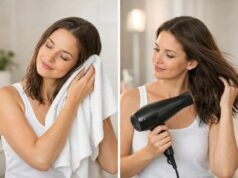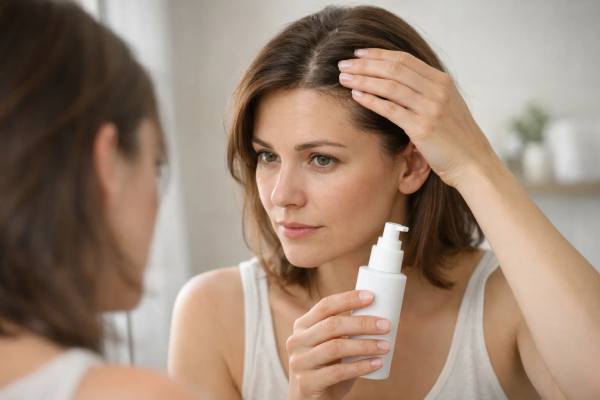
When a scalp feels persistently dry, tight, or “reactive,” the problem is often less about what you can see and more about what your scalp can no longer do quietly in the background: hold water, keep irritants out, and stay calm through washing, styling, and weather changes. That protective function is your scalp barrier, and ceramides are a major part of its structure. Ceramides are waxy lipids that help create the mortar-like “seal” between skin cells. When ceramides are depleted—or when the barrier is repeatedly stressed—water escapes more easily, products sting more often, and even normal routines can start to feel uncomfortable. The right ceramide product can make a scalp feel steadier: less tight after shampooing, less prone to flaking from dryness, and less sensitive to everyday exposures. This guide explains how ceramides work on the scalp, how to recognize barrier disruption, and which product formats are most practical for different scalp types.
Top Highlights
- Ceramides help reduce dryness and sensitivity by supporting the scalp’s lipid “seal” and lowering water loss.
- Lightweight ceramide leave-ins often improve comfort faster than heavy oils on sensitive or flake-prone scalps.
- Barrier repair is usually gradual; noticeable changes often take 2–4 weeks of consistent, low-irritation routines.
- If burning, oozing, pustules, or patchy hair loss occur, treat it as a medical check-in rather than a product problem.
- Apply ceramide products to a slightly damp scalp after washing, using small amounts and focusing on itchy or tight zones.
Table of Contents
- What ceramides do for scalp barrier
- Dryness and sensitivity signs to notice
- Why scalp barrier gets disrupted
- Best ceramide product types
- How to use ceramides effectively
- When to get checked
What ceramides do for scalp barrier
Ceramides are naturally occurring lipids found in the outermost layer of skin (the stratum corneum). Think of the stratum corneum as a brick wall: skin cells are the “bricks,” and the lipid mixture between them is the “mortar.” Ceramides are a major component of that mortar, helping the wall stay tightly sealed so the scalp can retain water and block irritants.
Why a lipid barrier matters on the scalp
Your scalp is not just “skin with hair.” It has a high density of follicles, frequent exposure to surfactants (shampoo), and regular mechanical stress (combing, scratching, hats, heat styling). That combination makes the scalp especially sensitive to barrier disruption. When the barrier is strong, these exposures are tolerable. When it is weak, the scalp can feel stinging, tight, or chronically itchy even if it looks mostly normal.
Ceramides support the barrier in three practical ways:
- They reduce water loss: Less water escapes through the scalp surface, so tightness and “parched” sensation ease.
- They improve tolerance: A better seal can reduce stinging from products, sweat, and hard water exposure.
- They support a calmer surface ecosystem: A stable barrier makes it harder for minor irritations to snowball into inflamed, scratchy skin.
Real ceramides and pseudo-ceramides
In products, you may see ceramides listed as Ceramide NP, AP, EOP (and similar), often paired with cholesterol and fatty acids to mimic the skin’s natural lipid mix. You may also see “pseudo-ceramides,” which are ceramide-like molecules designed to behave similarly in the barrier. Both can be helpful; what matters most is whether the formula is tolerable, spreads evenly, and fits your scalp type.
Why pH quietly influences ceramides
The scalp’s mildly acidic “acid mantle” helps regulate enzymes that build and organize barrier lipids. When routines repeatedly push the scalp toward a higher pH—through harsh cleansers, very hot water, or frequent stripping—the barrier can repair more slowly and feel more reactive. If you suspect pH-related irritation or flakes that worsen after cleansing, you may find it helpful to review how scalp pH influences flakes, oil, and itch and then adjust with gentler, more consistent habits.
Dryness and sensitivity signs to notice
Barrier disruption on the scalp rarely announces itself in one obvious way. More often, it shows up as a pattern: small discomforts that become frequent, then persistent. Recognizing the pattern helps you choose the right product type and avoid the most common missteps, like treating dryness as “dirty scalp” and washing even more aggressively.
Dryness signs that point to barrier stress
Dryness is not only flaking. Look for combinations such as:
- Tightness after shampooing, especially within an hour of drying
- Fine, powdery flakes that worsen in cold weather or after long hot showers
- A “papery” feel at the part line or temples
- Itching that improves briefly after washing but returns quickly
- Increased static or flyaways at the roots (often from lack of surface moisture)
These signs often intensify in winter or in dry indoor air. If your symptoms reliably spike with cold weather and heated rooms, why dry scalp happens in winter can help you separate seasonal dryness from ongoing inflammatory conditions.
Sensitivity signs that suggest an impaired seal
Sensitivity often means the scalp has become less tolerant of normal exposures. Common clues include:
- Stinging when water hits the scalp
- Burning or prickly sensation after applying “gentle” products
- Redness that comes and goes without a clear rash pattern
- Tenderness when brushing or wearing hats
- A sudden increase in “reactivity” after you started rotating strong actives (anti-dandruff shampoos, acids, frequent clarifying)
An important nuance: sensitivity can exist with minimal visible change. Hair hides mild redness, and some forms of irritation are mostly felt rather than seen.
Dry scalp versus dandruff-style flaking
Dryness flakes tend to be finer and less oily. Dandruff and seborrheic patterns often look greasier and may come with more itch and recurrent flare-ups. The distinction matters because heavy occlusive products may soothe dryness but can worsen greasy flaking in some people. If you are uncertain, treat the first two weeks as a “diagnostic reset”: simplify products, avoid harsh actives, and see whether the scalp becomes calmer with barrier-focused care.
Why scalp barrier gets disrupted
Most scalp barrier problems are not caused by one dramatic event. They are usually caused by repeated, smaller stressors that accumulate until the scalp becomes persistently dry or reactive. Knowing the common triggers helps you reduce “background damage” so ceramides have a fair chance to work.
Over-cleansing and surfactant load
The fastest way to stress a barrier is to strip it repeatedly. This can happen through:
- Shampooing more often than your scalp tolerates
- Using strong clarifying shampoos too frequently
- Scrubbing hard with nails or rough scalp brushes
- Very hot water and long wash sessions
Even well-intended routines—like “double cleansing” the scalp daily—can become a problem if your scalp is already sensitive.
Actives and treatments that are helpful but easy to overdo
Anti-dandruff and exfoliating ingredients can be useful, but frequent rotation without recovery time can leave the scalp feeling raw. Common examples include salicylic acid, high-fragrance botanical blends, alcohol-heavy scalp tonics, and strong essential oils used daily. If your sensitivity began after “upgrading” your routine, consider whether you added intensity without adding barrier support.
Hair color, bleach, and fragrance exposure
Hair dye and bleach can irritate the scalp directly, and fragrance is a frequent culprit in recurrent, low-grade scalp inflammation. If symptoms track with a new shampoo scent, a leave-on scalp spray, or color appointments, prioritize ingredient reduction over more treatments. For a clearer way to evaluate fragrance risk without guessing, fragrance allergy and itchy scalp ingredients can help you identify common triggers that show up across many product types.
Friction, sweat, and environmental stress
Tight hairstyles, frequent hats or helmets, and sweat trapped under product buildup can make a fragile barrier feel worse. Cold wind and dry indoor air can also increase tightness and flaking. In these cases, the solution is usually “less friction, less stripping, more consistent moisture,” not stronger scrubs.
The most helpful mindset is to treat barrier recovery like physical rehabilitation: consistency and gentleness beat intensity.
Best ceramide product types
Ceramides can show up in many formats, but not all formats make sense for the scalp. The best option depends on two things: how reactive your scalp is and how easily it builds up residue.
Rinse-off products: shampoos and conditioners
Ceramide shampoos and conditioners can support comfort, but their benefits depend heavily on the cleanser system. A gentle shampoo with barrier-supportive additives can be helpful for maintenance. However, if a shampoo is strongly stripping, the presence of ceramides may not fully offset that.
Conditioners with ceramides can help the scalp when applied briefly and rinsed well, especially for very dry scalps. The downside is that richer formulas can weigh down roots or worsen buildup in oily scalps.
Leave-on products: serums, lotions, and tonics
For barrier repair, leave-on products are often the most noticeable because they stay on the scalp longer. Useful formats include:
- Lightweight scalp serums: good for sensitivity without heaviness
- Lotions or milky tonics: helpful for dry, tight scalps that need more cushion
- Sprays: convenient for sensitive scalps that dislike rubbing and friction
If you are flake-prone, choose lighter, non-greasy leave-ons and keep the application close to the scalp skin rather than saturating hair.
Scalp masks and overnight treatments
Masks can help severe dryness, but they are easy to over-apply. If you use a heavier product, treat it as a scheduled treatment (once weekly or less), and confirm you can wash it out comfortably without harsh clarifying.
How to choose when dandruff or seborrheic patterns are present
Many people have a mix: dryness plus recurrent greasy flakes. In these cases, barrier repair still matters, but you may also need a targeted anti-dandruff strategy. Ceramides can fit alongside medicated shampoos by reducing tightness and improving tolerance, especially between flares. If your flaking is persistent, oily, or recurrent, seborrheic dermatitis symptoms and shampoo strategies can help you decide whether you need an antifungal approach in addition to barrier support.
How to use ceramides effectively
Ceramides work best when you pair them with a routine that stops “re-breaking” the barrier each day. The goal is not to apply more product; it is to reduce irritation while delivering enough barrier lipids consistently.
Start with a two-week barrier reset
If your scalp is actively stinging or tight, begin with a simplified routine:
- Wash with lukewarm water and a gentle cleanser.
- Avoid strong exfoliants, frequent clarifying, and heavily fragranced leave-ons.
- Apply a ceramide leave-on to the scalp after washing, focusing on tight or itchy zones.
- Keep styling friction low: gentle brushing, looser hairstyles, less heat at the roots.
Many people feel a shift in comfort within 7–14 days, but texture changes and flaking patterns may take longer.
How much to apply and where
A common mistake is applying scalp products the way you apply hair oils. With ceramide leave-ons, aim for targeted coverage:
- Part hair into 4–6 sections.
- Apply a thin line along each part, then press lightly into the scalp.
- Stop before the scalp looks shiny. Comfort usually comes from a thin film, not saturation.
If you have fine hair or an oily scalp, concentrate on the perimeter (temples, hairline, behind ears) and the part line, where dryness and irritation often show first.
Layering with actives and medicated shampoos
Ceramides can fit around actives, but timing matters:
- If you use a medicated anti-dandruff shampoo, rinse thoroughly and apply ceramides afterward to reduce tightness.
- If you use exfoliating acids, reduce frequency and avoid applying them on the same day you are already irritated.
- If you use leave-on medications, allow them to dry and absorb before adding a ceramide layer so you do not dilute the treatment.
Preventing buildup without stripping
Barrier repair should not create a residue problem. If your scalp starts to feel coated, itchy, or heavy, do not jump straight to harsh clarifying. First, reduce product amount and frequency. If you still need a reset, choose a gentle approach that protects sensitive skin. scalp exfoliation without irritation offers practical ways to lift residue while keeping the barrier intact.
When to get checked
Ceramides can improve dryness and sensitivity, but they cannot treat everything that causes scalp discomfort. Knowing when to escalate is part of safe care, especially because some scalp conditions require prescription therapy or a specific diagnosis to protect hair follicles long term.
Red flags that deserve prompt evaluation
Seek medical assessment sooner rather than later if you notice:
- Burning pain that persists or worsens despite simplifying products
- Oozing, crusting, blistering, or rapidly spreading redness
- Pus-filled bumps, fever, or significant tenderness to touch
- Thick plaques, severe scale, or bleeding from the scalp
- Patchy hair loss, broken hairs in localized areas, or widening bald patches
- Symptoms lasting longer than 3–4 weeks with no meaningful improvement
If burning or stinging is a dominant symptom, it can help to compare your pattern with other common causes and triggers. burning scalp sensation causes and triggers can help you recognize whether your experience fits irritation, inflammation, infection, or nerve-related sensitivity.
What a clinician may consider
Depending on your symptoms and scalp appearance, a clinician may evaluate for conditions such as contact dermatitis, seborrheic dermatitis, psoriasis, eczema, folliculitis, fungal infection, or nerve-related scalp pain patterns. They may use magnified scalp examination, swabs or scrapings, patch testing for allergies, or (in select cases) biopsy to clarify persistent or atypical symptoms.
How to make the visit more useful
Bring a short timeline and evidence, not just a description:
- A list of new or recently changed products (including hair dye dates)
- Photos of flares in good lighting
- Where it itches or burns most (part line, crown, hairline, behind ears)
- What makes it worse (hot water, sweat, fragrances, specific shampoos)
- What has helped, even slightly (cool rinses, reduced washing, specific textures)
Ceramide products are excellent supportive care, but persistent scalp pain, visible inflammation, or hair loss changes deserve diagnosis-first thinking.
References
- Skin Lipid Barrier: Structure, Function and Metabolism – PMC 2024 (Review)
- Skin 101: Understanding the Fundamentals of Skin Barrier Physiology—Why is This Important for Clinicians? – PMC 2025 (Review)
- A daily regimen of a ceramide‐dominant moisturizing cream and cleanser restores the skin permeability barrier in adults with moderate eczema: A randomized trial – PMC 2021 (RCT)
- The Efficacy of Moisturisers Containing Ceramide Compared with Other Moisturisers in the Management of Atopic Dermatitis: A Systematic Literature Review and Meta-Analysis – PMC 2023 (Systematic Review)
- INDIVIDUAL ARTICLE: A Clinical Evaluation of Scalp Barrier Function, Ceramide Levels, and Microbiome in Diverse Dandruff Patients – PubMed 2025
Disclaimer
This article is for educational purposes only and does not provide medical advice, diagnosis, or treatment. Scalp dryness, sensitivity, and flaking can result from many causes, including dermatitis, psoriasis, infection, allergic reactions, medication effects, and nerve-related pain conditions. Stop any product that causes burning, swelling, blistering, or worsening rash. Seek urgent care for rapidly spreading redness, fever, pus, facial swelling, or severe pain. If symptoms persist beyond a few weeks, recur frequently, or are accompanied by hair loss, consult a licensed clinician or dermatologist for individualized evaluation.
If you found this guide helpful, please share it on Facebook, X (formerly Twitter), or your preferred platform so others can recognize scalp barrier issues early and choose safer routines.