Chayote (Sechium edule) is a crisp, mild-tasting gourd with a pear-like shape and a long culinary history across Mexico, Central America, the Caribbean, and Southeast Asia. Often called sayote, choko, or vegetable pear, it stands out for its light, fresh flavor and its versatility—ready to be shaved raw into salads, simmered in soups, sautéed in stir-fries, or quick-pickled for crunch. Nutritionally, chayote is impressively lean: about 19 kcal per 100 g, with low sugars, modest fiber, and standout folate alongside vitamin C and helpful minerals like potassium and magnesium. That combination makes it a smart choice for people who want a low-energy, high-hydration vegetable that plays well with almost any cuisine. Beyond the fruit, the tender shoots, leaves, and even the soft seed are edible, which helps reduce food waste. Below, you will find a practical, evidence-based guide to chayote’s nutrition, potential health benefits, buying and storage, cooking techniques that protect nutrients, and portion guidance—so you can use this humble gourd more confidently at home.
At a Glance
- Delivers folate (~93 µg/100 g) and vitamin C (~7.7 mg/100 g) with very few calories (≈19 kcal/100 g).
- Mild flavor and firm texture suit raw slaws, quick sautés, soups, and pickles; seed and shoots are edible.
- Typical serving: 1 cup raw (≈132 g), 3–5 times weekly within a varied diet.
- Safety note: avoid any extremely bitter cucurbits; wear gloves when peeling to prevent skin irritation from sap.
- People with severe chronic kidney disease on potassium-restricted diets or those using glucose-lowering drugs should moderate portions and monitor responses.
Table of Contents
- Chayote: Detailed Overview
- Chayote Nutrition Profile (per 100 g)
- Evidence-Based Health Benefits
- Risks, Allergies and Interactions
- Selecting, Quality, Sustainability and Storage
- Preparation, Cooking and Nutrient Retention
- Portions, Comparisons and FAQs
Chayote: Detailed Overview
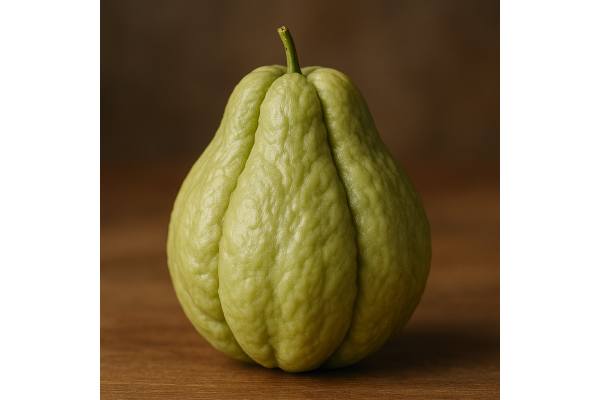
Chayote is a warm-climate climbing vine in the Cucurbitaceae family—the same group as zucchini, cucumbers, and winter squash. Its pale-green fruit looks like a wrinkled pear, with crisp, almost cucumber-like flesh and a very mild, slightly sweet flavor. Because it is so neutral, chayote absorbs seasonings effortlessly, adding crunch and volume without weighing down dishes.
Culinary versatility. You can treat chayote like a cross between cucumber and zucchini. Raw, it takes well to fine shredding or slicing for slaws and salads, where a squeeze of citrus and a pinch of salt awaken its natural sweetness. Cooked, chayote stays pleasantly firm if you keep heat times short—perfect for quick sautés with garlic and chili, veggie tacos, or clear broths with herbs. The soft, flat seed at the core is edible and delicate; many cooks consider it a treat. The vine’s tender shoots and leaves (often called tops) are common greens in Filipino, Mexican, and Vietnamese cooking.
Texture and flavor tips. The peel ranges from smooth to slightly prickly depending on variety. Younger fruits don’t need peeling; older ones do, and the raw sap can feel drying or numb on the skin. A simple fix: wear gloves or rinse hands frequently while peeling. Once cut, chayote resists browning but gradually loses moisture; keep slices chilled and covered if prepping ahead.
Why people choose it. Three features make chayote a kitchen staple: very low energy density (≈19 kcal per 100 g), high water content (≈94%), and nutrient density skewed toward folate and vitamin C, with modest fiber and potassium. That profile makes it useful in weight-conscious meals, lighter carb patterns, and mixed-vegetable sides where you want bulk and crunch without excess calories or sugar.
Beyond the fruit. Using the seed and shoots reduces food waste and increases nutrient variety. Shoots behave like mild spinach or pea tendrils—great quickly wilted with aromatics. Because nearly the whole plant is edible, chayote can be an efficient home-garden crop in suitable climates.
Sourcing and seasonality. Availability is increasingly year-round in many markets, with peaks depending on region. Look for firm fruits, consistent coloring from pale to medium green, and no soft or weeping spots.
Chayote Nutrition Profile (per 100 g)
All values below are for raw chayote, per 100 g edible portion. %DV uses adult Daily Values commonly applied on nutrition labels. Slight variations occur by variety and growing conditions.
Macros and Electrolytes
| Nutrient | Amount (per 100 g) | %DV |
|---|---|---|
| Energy | 19 kcal | — |
| Water | ~94 g | — |
| Carbohydrate, total | 4.5 g | 2% (275 g DV) |
| Dietary fiber | 1.7 g | 6% (28 g DV) |
| Total sugars | ~1.7 g | — |
| Protein | 0.8 g | 2% (50 g DV) |
| Total fat | 0.13 g | 0% (78 g DV) |
| Sodium | 2 mg | 0% (2,300 mg DV) |
| Potassium | ~125 mg | 3% (4,700 mg DV) |
| Magnesium | ~12 mg | 3% (420 mg DV) |
Carbohydrates
| Metric | Amount | Notes |
|---|---|---|
| Net carbs (est.) | ~2.8 g | Total carbs minus fiber |
| Intrinsic sugars | ~1.7 g | Mostly glucose/fructose |
| Added sugars | 0 g | Naturally sugar-light |
Fats and Fatty Acids
(Chayote is essentially fat-free; amounts are trace.)
| Nutrient | Amount | %DV |
|---|---|---|
| Saturated fat | ~0.03 g | 0% |
| Monounsaturated fat | ~0.01 g | — |
| Polyunsaturated fat | ~0.07 g | — |
Vitamins
| Vitamin | Amount | %DV |
|---|---|---|
| Vitamin C | ~7.7 mg | 9% (90 mg DV) |
| Folate (DFE) | ~93 µg | 23% (400 µg DV) |
| Vitamin B6 | ~0.07–0.10 mg | 4–6% (1.7 mg DV) |
| Vitamin K | ~4–5 µg | 3–4% (120 µg DV) |
| Pantothenic acid (B5) | ~0.25–0.33 mg | 5–7% (5 mg DV) |
| Niacin (B3) | ~0.5–0.6 mg | 3–4% (16 mg DV) |
| Thiamin (B1) | ~0.03 mg | 3% (1.2 mg DV) |
| Riboflavin (B2) | ~0.03–0.04 mg | 2–3% (1.3 mg DV) |
| Choline | ~9–12 mg | ~2% (550 mg DV) |
Minerals
| Mineral | Amount | %DV |
|---|---|---|
| Calcium | ~17–22 mg | 1–2% (1,300 mg DV) |
| Iron | ~0.34–0.45 mg | 2–3% (18 mg DV) |
| Phosphorus | ~18–24 mg | 1–2% (1,250 mg DV) |
| Manganese | ~0.19–0.25 mg | 8–11% (2.3 mg DV) |
| Copper | ~0.12–0.16 mg | 13–18% (0.9 mg DV) |
| Zinc | ~0.2–0.7 mg | 2–6% (11 mg DV) |
Bioactives / Phytonutrients
- Polyphenols (e.g., chlorogenic acid, flavonoids such as apigenin and quercetin derivatives)
- Carotenoid traces (varies), vitamin C–linked antioxidant activity
- Cucurbitacins in minute amounts in normal, non-bitter fruit (see Safety)
Glycemic and Acid–Base Metrics
- Glycemic load per 100 g: very low (≈1–2 based on low available carbs)
- PRAL (potential renal acid load): slightly negative (alkaline-forming), commonly reported around −2 to −3 per 100 g
Additives and Fortification
- Fresh chayote is not fortified.
- Canned or pickled products may contain added sodium (check labels).
Footnote: Values reflect raw, unfortified fruit. Ranges account for variety, maturity, and data-set differences.
Evidence-Based Health Benefits
1) Supports healthy folate intake. Chayote provides roughly 93 µg of folate per 100 g, contributing meaningfully toward the 400 µg daily target. Folate supports normal cell division and red blood cell formation. In food-based patterns, folate-rich produce like chayote can help close gaps for people who struggle to reach daily intakes through leafy greens alone. For those who are pregnant or may become pregnant, chayote can complement (but not replace) folic acid from prenatal supplements and fortified foods.
2) A light, hydrating choice for calorie control. With ~19 kcal per 100 g and ~94% water, chayote adds chew and bulk to meals with minimal energy. Swapping part of a starchy side for sautéed or roasted chayote can lower a dish’s calorie density without shrinking portion size—an approach associated with easier calorie management. Its mild sweetness satisfies cravings for “fresh and crisp” textures common in salads and quick sautés.
3) Gentle on blood sugar within mixed meals. Chayote is naturally low in sugars and low in net carbs (~2.8 g/100 g). Early clinical research has explored chayote concentrates in older adults with metabolic syndrome and has reported favorable changes in glycemic markers and oxidative stress over several months. While results are encouraging, they apply to specific products and populations; whole-fruit chayote remains a helpful, low-carbohydrate vegetable that fits glucose-aware eating patterns.
4) Antioxidant support from vitamin C and polyphenols. Each 100 g serving supplies ~7.7 mg of vitamin C, with additional phenolic compounds that contribute to antioxidant capacity. Diets that regularly include vitamin C–containing produce are linked to healthier immune and skin function due to collagen synthesis and protection against oxidative stress. Chayote’s polyphenols complement vitamin C by scavenging reactive oxygen species in model systems and small human studies using chayote-derived preparations.
5) Cardiometabolic-friendly profile. Low sodium, modest potassium (~125 mg/100 g), and small amounts of magnesium and manganese support balanced mineral intake. When chayote replaces higher-sodium sides (e.g., pickles with added salt) or higher-sugar produce, meals may shift toward a more cardiometabolic-friendly nutrient mix. Its fiber—while modest—still nudges satiety and digestive regularity.
6) Culinary flexibility that promotes vegetable diversity. Because chayote is so adaptable, it can help you hit “five-a-day” targets by slotting into many cuisines: shredded into citrus slaw, simmered with tomatoes and herbs, tossed into noodle stir-fries, or folded into bean soups. Variety itself is a nutrition win, broadening micronutrients and phytochemicals across the week.
What this does not mean. Chayote is not a cure or treatment for any disease. Whole-food benefits arise within overall dietary patterns, physical activity, sleep, and clinical care. If you’re using chayote concentrates or supplements, consult a clinician—especially if you take medications that affect blood glucose or blood pressure.
Risks, Allergies and Interactions
Contact irritation from sap. When peeling or cutting older chayote, a latex-like sap can stick to skin and feel drying or mildly numbing (“chayote hand”). This is harmless for most people and fades within hours. Prevention: wear gloves, oil your hands lightly before peeling, or blanch whole fruits for 1–2 minutes and then peel under running water.
Bitter taste warning (cucurbitacins). All cucurbits can occasionally produce very bitter compounds (cucurbitacins) under environmental stress or cross-pollination. If any chayote tastes extremely bitter, discard it. Although rare and usually associated with other gourds (e.g., bottle gourd), ingestion of very bitter cucurbits has been linked to acute gastrointestinal distress and, in severe cases, hypotension. Normal, safe chayote tastes mild—not strongly bitter.
Allergy and cross-reactivity. True chayote allergy is uncommon. People with known reactions to other cucurbits (zucchini, cucumber, certain squashes) should introduce small amounts with caution. Those with contact dermatitis to plant saps may also experience irritation while peeling.
Potassium considerations. Chayote isn’t high in potassium, but people on potassium-restricted diets (e.g., advanced chronic kidney disease) should count it toward their daily allowance. Speak with your renal dietitian about appropriate portions.
Drug interactions and supplements. Whole-food chayote is not known to interact with medications. However, chayote extracts or concentrates may modestly affect glycemic control in some research contexts; if you use such products alongside blood sugar–lowering medications, monitor values and review with your clinician.
Food safety. Wash whole fruits under running water and dry with a clean towel. Refrigerate cut chayote promptly in a covered container and enjoy within 3–5 days. Discard if it smells fermented, feels slimy, or shows mold.
Selecting, Quality, Sustainability and Storage
How to choose.
- Firmness: Pick fruits that feel dense and springy with no soft spots.
- Color: Pale to medium green with uniform tone; minor surface wrinkles and faint lines are normal.
- Skin: Smooth types are easiest to peel; spiny types are fine to eat once peeled.
- Size: Medium fruits (about 200–250 g) balance tenderness and texture.
Sustainability and low waste.
- Whole-plant use: Fruit, seed, and tender shoots are edible, reducing trim waste.
- Storage efficiency: Long-keeping in the crisper drawer minimizes spoilage.
- Local sourcing: In suitable climates, chayote grows vigorously on trellises; home gardeners can harvest shoots and fruits for months, lowering transport footprints.
- Packaging: Buy loose fruit when possible; store in reusable produce bags.
Storage guide.
- Uncut: Refrigerate in a perforated bag for 1–2 weeks. Keep away from ethylene-heavy fruit (apples, bananas) to preserve texture.
- Cut: Cover and refrigerate for 3–5 days.
- Freezing: For best texture, blanch 1–2 minutes, drain, chill, and freeze in a single layer. Use within 8–10 months in cooked dishes.
- Pickling: Quick-pickled chayote (with vinegar and spices) keeps 2–3 weeks refrigerated; note added sodium if you are watching salt.
Quality troubleshooting.
- Weeping liquid or sour aroma: Likely overripe—avoid.
- Dry, tough peel with astringent feel when peeling: Normal sap exposure; use gloves and rinse.
- Softness or sunken areas: Bruising or age; choose firmer fruit.
Preparation, Cooking and Nutrient Retention
Prep basics (5 minutes).
- Rinse and pat dry.
- For older fruits, peel with a sharp peeler (gloves help). Young, tender fruits can be used unpeeled.
- Halve and remove the seed if desired (the soft seed is edible and mild).
- Slice, dice, julienne, or shave thinly with a mandoline.
Cooking methods and approximate times.
- Raw: Shave thinly for slaws; marinate 5–10 minutes with lime, salt, and olive oil.
- Quick sauté: 4–6 minutes over medium-high heat with garlic, onion, and chili; finish with lime or vinegar.
- Steam: 6–8 minutes until crisp-tender; toss with herbs and a drizzle of oil.
- Roast: 200°C (400°F), 15–20 minutes, cut into sticks; great with cumin and paprika.
- Soup/stew: Add in the last 8–10 minutes to keep texture.
- Pickle: Thin slices in hot vinegar brine; chill at least 2 hours.
Flavor pairings. Citrus (lime, lemon), aromatics (garlic, scallion, ginger), herbs (cilantro, mint, basil), spices (cumin, coriander, chili), and savory boosters (soy sauce, fish sauce, sesame oil). It also blends seamlessly with tomatoes, sweet peppers, carrots, shrimp, tofu, and beans.
Protecting nutrients.
- Vitamin C is heat- and water-sensitive. Favor short cooking (quick sauté or steam) and larger cuts to reduce surface area.
- Minimal liquid. If boiling, use the cooking liquid in soups to retain water-soluble nutrients (folate, vitamin C, B vitamins).
- Acid helps texture. A splash of citrus or vinegar near the end brightens flavor and can help chayote stay crisp.
- Cold storage. Keep cut chayote chilled and covered to limit moisture loss and oxidation.
Zero-waste ideas.
- Seed: Slice and sauté with butter and herbs, or add to omelets.
- Shoots/leaves: Treat like pea shoots—stir-fry quickly with garlic and a dash of soy.
- Peel (from tender fruit): Fine julienne adds crunch to slaws if not too tough.
Two quick recipes.
- Citrus–Herb Chayote Slaw: Julienne 2 cups chayote, ½ cup carrot, ¼ cup red onion. Toss with 2 tbsp lime juice, 1 tbsp olive oil, pinch of salt, chopped cilantro, and a touch of honey or chili flakes. Rest 10 minutes.
- Garlic–Chili Sautéed Chayote: Heat oil; sizzle sliced garlic and crushed chili. Add chayote batons; sauté 4–5 minutes. Splash with rice vinegar, scatter scallions, and serve.
Portions, Comparisons and FAQs
What is a typical serving?
- 1 cup raw (≈132 g) or about ½–1 medium fruit. Most adults can enjoy 3–5 servings per week within a varied diet; adjust to appetite and overall vegetable intake.
How does chayote compare to similar vegetables?
- Versus cucumber: Chayote is firmer, holds shape when cooked, and offers more folate and vitamin C per 100 g.
- Versus zucchini: Similar calories, but chayote stays crisper and is milder; zucchini often provides more vitamin A (from carotenoids), while chayote leans on folate and vitamin C.
- Versus winter squash: Winter squash is sweeter, higher in carbs and beta-carotene. Chayote is much lower in sugars and ideal for lighter dishes.
- For low-carb patterns: With ~2.8 g net carbs per 100 g, chayote is an easy stand-in for higher-carb sides.
Who should limit or avoid it?
- People on potassium-restricted diets should include chayote within their daily allowance (its potassium is modest but additive).
- Anyone with cucurbit allergies should trial small portions carefully.
- If a fruit tastes extremely bitter, do not eat it. Discard immediately.
FAQs
- Is the skin edible? Yes, when thin and tender. For older or spiny fruits, peel.
- Can I eat the seed? Yes—soft, mild, and often prized.
- Are the leaves and shoots edible? Yes; cook briefly like tender greens.
- Is chayote keto-friendly? It’s one of the lower-carb vegetables and fits many low-carb meal plans.
- Can pets have chayote? Small, plain, cooked amounts are generally tolerated by many dogs, but avoid added seasonings; when in doubt, ask your veterinarian.
- Does chayote cause gas? It’s typically gentle; individual tolerance varies. Introduce gradually if your diet is currently low in fiber.
References
- Food Search | USDA FoodData Central 2025.
- Nutrition Facts for Chayote, fruit, raw 2025.
- Chayote (Sechium edule): A review of nutritional composition, bioactivities and potential applications 2019 (Systematic Review).
- The consumption of Sechium edule (chayote) has antioxidant effect and prevents telomere attrition in older adults with metabolic syndrome 2023 (RCT).
- Hypoglycemic Effects of Sechium edule (Chayote) in Older Adults: A Systematic Review and Meta-Analysis of Clinical and Preclinical Trials 2025 (Systematic Review).
- Bitter bottle gourd poisoning: A case report and review of literature 2022 (Case Report).
Disclaimer
This guide is for educational purposes and is not a substitute for personalized medical advice, diagnosis, or treatment. Nutrition and health responses vary by individual. If you have a medical condition, take prescription medications (especially those affecting blood glucose or potassium), are pregnant, or plan to use chayote extracts or supplements, consult your healthcare professional for tailored guidance.
If you found this article useful, please consider sharing it with friends or colleagues on Facebook, X (formerly Twitter), or any platform you prefer. Your support helps us continue creating clear, practical nutrition content.