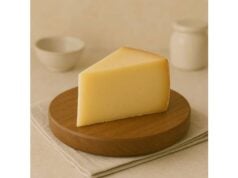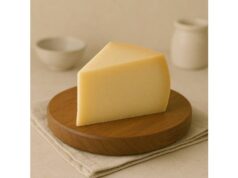
Cheddar cheese is one of the world’s most versatile foods—equally at home on weeknight tacos, in a sharp grilled-cheese sandwich, or grated over roasted vegetables. Beyond comfort and flavor, cheddar brings meaningful nutrition: high-quality protein for muscles, abundant calcium for bones and teeth, and essential B vitamins that support energy metabolism and nerve health. Because cheddar is a firm, naturally aged cheese, it’s very low in lactose, and pasteurized versions are considered safe in pregnancy when handled properly. Still, like most cheeses, cheddar concentrates milk fat and salt, so portions and balance matter. This guide offers a people-first view of cheddar: what it is, what a realistic portion delivers, how to use it well in everyday cooking, who should be cautious, and how to choose and store it for best flavor and safety. You’ll also find a comprehensive, per-100 g nutrition profile—formatted for quick scanning—and clear answers to common questions, from tyramine and medications to freezing and melting behavior.
Essential Insights
- Provides complete protein (~25 g/100 g) and ~55% DV calcium per 100 g; a 30 g serving delivers meaningful amounts.
- Choose pasteurized cheddar and handle it cold; it’s a hard cheese with low moisture and very low lactose.
- Typical serving: 30 g (1 oz), enjoyed a few times per week; adjust based on saturated fat and sodium goals.
- Limit intake if you need to restrict saturated fat or sodium, have advanced kidney disease, or take MAOIs (tyramine caution).
Table of Contents
- Cheddar cheese: detailed overview
- Cheddar nutrition profile (per 100 g)
- Evidence-based health benefits
- Risks, allergies and interactions
- Selecting quality, sustainability and storage
- Preparation, cooking and nutrient retention
- Portions, comparisons and FAQs
Cheddar cheese: detailed overview
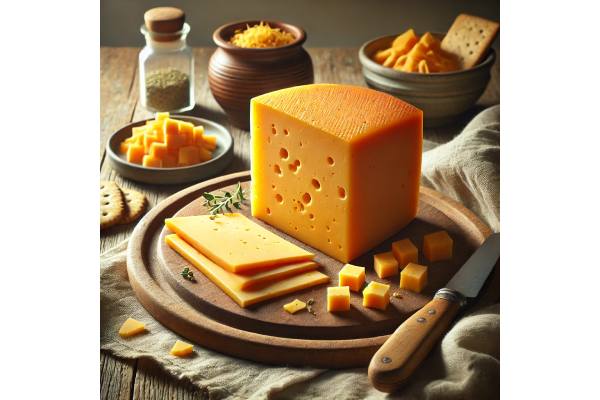
Cheddar is a firm, cow’s-milk cheese that originated in the English village of Cheddar and is now made worldwide in styles ranging from mild to extra sharp. Its signature process—cheddaring—involves stacking and turning slabs of curd to expel whey, creating a dense, sliceable texture and concentrated flavor. Aging runs from a few months (mild, creamy) to multiple years (very sharp, crumbly). Color may be white or orange; the latter comes from annatto seed, which adds color but essentially no flavor or nutrients.
As a hard, ripened cheese, cheddar is low in moisture and high in milk solids. That composition has three practical implications. First, it’s nutrient-dense: protein and minerals are concentrated compared with milk. Second, it contains very little lactose because bacteria consume most of the milk sugar during fermentation and aging. Third, its sturdy texture and relatively low water activity make it more shelf-stable than fresh cheeses when refrigerated, though it still requires careful handling.
Flavor depends on milk quality, starter cultures, and aging conditions. Mild cheddar is buttery and mellow; medium and sharp versions develop nutty, tangy notes; extra sharp can show crystalline crunch from calcium lactate or tyrosine. “Farmhouse” and clothbound cheddars often have earthy complexity and a drier, crumbly paste; block cheddars tend to be smoother and more uniform, designed for melting and slicing.
Modern shoppers will see terms that signal style and standards. “Traditional/West Country Farmhouse Cheddar” (in the UK) indicates protected regional methods. “Pasteurized” means the milk was heat-treated for safety, an important label for pregnant people and others at higher risk from foodborne illness. “Raw milk” cheddars exist and are typically aged at least 60 days, but they are not appropriate for everyone. “Vegetarian rennet” or “animal rennet” references the enzyme used to set the curd; the choice affects suitability for some dietary preferences.
Culinarily, cheddar shines in everyday cooking: it melts smoothly in sauces and casseroles, adds savory depth to eggs and vegetables, and offers a satisfying contrast on cheese boards. Because it’s salty and rich, small amounts go a long way to elevate dishes: a handful of grated cheddar can transform roasted broccoli or a baked potato into a complete, satisfying side.
Cheddar nutrition profile (per 100 g)
The values below reflect plain, natural cheddar cheese. Actual numbers vary by brand, age, and sodium level. Percent Daily Values (%DV) use adult DVs for a 2,000-kcal pattern.
Macros & Electrolytes
| Nutrient | Amount (per 100 g) | %DV |
|---|---|---|
| Energy | 403 kcal | — |
| Protein | 24.9 g | 50% |
| Total Fat | 33.1 g | 42% |
| Saturated Fat | 19.4 g | 97% |
| Carbohydrate | 1.3 g | — |
| Total Sugars | 0.5 g | — |
| Dietary Fiber | 0 g | — |
| Sodium | 621 mg | 27% |
| Potassium | 98 mg | 2% |
| Cholesterol | 105 mg | 35% |
| Water | ~36 g | — |
Fats & Fatty Acids
| Component | Amount |
|---|---|
| Monounsaturated Fat | ~9 g |
| Polyunsaturated Fat | ~1.3 g |
| Trans Fat (natural ruminant) | ~1 g |
| Conjugated Linoleic Acid (CLA) | trace–small |
Protein & Amino Acids
Cheddar provides complete protein with all essential amino acids. Casein predominates and contributes to a slow, sustained amino-acid release, supporting satiety and muscle maintenance.
Vitamins
| Vitamin | Amount | %DV |
|---|---|---|
| Vitamin A (RAE) | 265 µg | 29% |
| Riboflavin (B2) | 0.35 mg | 27% |
| Vitamin B12 | 0.83 µg | 35% |
| Vitamin D | ~0.5 µg | 3% |
| Vitamin K2 (menaquinones) | trace–variable | — |
Minerals
| Mineral | Amount | %DV |
|---|---|---|
| Calcium | 721 mg | 55% |
| Phosphorus | 512 mg | 41% |
| Zinc | 3.5 mg | 32% |
| Selenium | 28 µg | 51% |
| Magnesium | 28 mg | 7% |
| Iodine | variable | — |
Allergens & Intolerance Markers
- Contains milk proteins (casein, whey) and milk fat.
- Very low lactose due to fermentation and aging; many with lactose intolerance tolerate small portions.
- Tyramine increases with age; see interaction notes in the safety section.
Additives & Fortification
- Natural cheddar is typically free of emulsifying salts; pre-shredded products may include anti-caking agents (e.g., cellulose) and natamycin on the surface to inhibit mold.
- Orange cheddar uses annatto for color; nutrient impact is negligible.
Contaminants/Residues
- As with all dairy, quality and safety depend on pasteurization, hygiene, and cold-chain handling.
- Hard cheeses made with pasteurized milk are considered lower risk for Listeria compared with soft, high-moisture cheeses.
Glycemic & Acid–Base Metrics
- Minimal carbohydrate and negligible glycemic impact; glycemic load effectively zero at typical portions.
- As a high-protein, high-mineral food, cheddar is acid-forming in standard PRAL models; balance with potassium-rich vegetables and fruits.
Notes: Values are approximate averages for natural cheddar; sodium varies widely by brand and style. %DV uses current FDA DVs (2,000-kcal pattern).
Evidence-based health benefits
1) Supports bone and dental health. Cheddar is a concentrated source of calcium and phosphorus, two minerals that mineralize bones and teeth. A 30 g serving can supply roughly 15–20% of the calcium most adults aim for daily. Cheddar also delivers vitamin B12 and a bit of vitamin D—small on their own but helpful when combined with other foods and prudent sun exposure. For those who struggle to meet calcium targets or prefer smaller, flavorful portions, cheddar can be a practical add-on to vegetable-rich meals (think roasted broccoli with grated cheddar) that also contribute potassium and magnesium, which support skeletal health.
2) Convenient high-quality protein. Protein from dairy is complete, providing all essential amino acids for muscle maintenance, recovery, and metabolic functions. Cheddar’s casein digests more slowly than whey, leading to sustained amino-acid availability and good satiety—useful in balanced, calorie-aware meals. Pairing 20–30 g of protein per meal, including from dairy, can help maintain lean mass across adulthood and especially during midlife and older age.
3) Cardiometabolic neutrality in moderate portions. Modern evidence suggests that overall dairy consumption—especially fermented dairy—can fit into heart-conscious eating patterns when portions are moderate and the overall diet emphasizes whole foods. Observational research and controlled trials generally show neutral to modestly favorable associations for blood pressure and cardiometabolic markers when dairy replaces refined carbohydrate or processed meats. In practical terms, swapping a small portion of cheddar for ultra-processed toppings or using it to make vegetables more appealing may improve dietary quality and satisfaction without meaningfully worsening risk factors, provided daily saturated fat targets are respected.
4) Oral health and post-meal acid balance. Cheese stimulates saliva and supplies calcium and phosphate, which help buffer mouth acids after meals. A small post-meal portion may reduce enamel demineralization, complementing regular dental hygiene.
5) Low lactose makes it accessible. Because lactose is largely fermented away during aging, many individuals with lactose intolerance tolerate hard cheeses like cheddar in small amounts, especially when eaten with other foods. This makes cheddar a practical way to obtain dairy nutrients without triggering typical lactose-related symptoms.
6) Culinary benefits that encourage healthy eating. Flavor is a public-health tool. When a teaspoon of grated sharp cheddar nudges a picky eater to finish a plate of steamed vegetables or helps someone enjoy hearty bean-and-veg soups, the net effect can be positive. Cheddar’s umami and salt amplify taste, allowing balanced meals to feel satisfying with smaller amounts of added fat elsewhere.
Remember: “Benefit” here assumes mindful portions and a diet pattern centered on vegetables, legumes, fruits, whole grains, nuts, seeds, and diverse protein sources. Cheese is a complement, not a centerpiece, in healthful patterns.
Risks, allergies and interactions
Allergy and intolerance. Cheddar contains milk proteins (casein and whey) and can trigger IgE-mediated milk allergy. Symptoms range from hives and wheezing to anaphylaxis; strict avoidance is required in true allergy. In contrast, lactose intolerance is not an allergy and relates to sugar digestion; most people with lactose intolerance tolerate hard cheeses in small portions because residual lactose is minimal.
Saturated fat and sodium. Per 100 g, cheddar is rich in saturated fat and sodium. If you’re managing LDL cholesterol, hypertension, or heart disease, portion size matters. Use small amounts (e.g., 10–30 g) to finish dishes rather than building entire meals around cheese. Combine with high-potassium vegetables, beans, and whole grains to nudge blood pressure in the right direction.
Food safety and vulnerable groups. Choose cheddar made with pasteurized milk and keep it cold (≤4°C). Hard cheeses are lower risk than soft, high-moisture cheeses, but good hygiene still applies: avoid cross-contamination, rewrap tightly, and discard if you see widespread mold, sliminess, or off smells. Pregnant people, older adults, and those with weakened immunity should prefer pasteurized, factory-sealed products and skip deli-sliced cheeses that have not been reheated.
Tyramine and medications. Aged cheddar can contain significant tyramine, a natural by-product of protein breakdown during fermentation. Those taking monoamine oxidase inhibitor (MAOI) antidepressants should avoid high-tyramine foods, including aged cheeses, due to the risk of dangerous blood pressure spikes. If you take an MAOI, ask your clinician or pharmacist for a personalized list.
Kidney disease considerations. Cheddar concentrates phosphorus, sodium, and protein. People with advanced chronic kidney disease or on dialysis often need individualized limits; coordinate with a renal dietitian before including aged cheeses routinely.
Weight management. Cheddar is energy-dense. Mindful portions, grating for surface area, and using sharp styles (more flavor per gram) can make it easier to stay within energy goals. Pair with bulky, fiber-rich foods so a small amount feels satisfying.
Children and older adults. Pasteurized cheddar can be part of balanced meals for most children and older adults. For toddlers and those with swallowing difficulties, serve thin slices or finely grated cheese. For older adults with lower appetite, small portions of flavorful cheddar can help meet protein and calcium needs.
Selecting quality, sustainability and storage
How to read the label.
- Pasteurized vs. raw: Choose pasteurized for broad safety, especially during pregnancy or if immunocompromised.
- Age statement: “Mild” (2–3 months), “Medium” (4–6 months), “Sharp” (9–12 months), “Extra sharp” (18+ months) are typical ranges; flavor intensity and tyramine generally rise with age.
- Ingredients: Natural cheddar typically lists milk, cultures, salt, enzymes (animal or microbial rennet). Orange cheddars include annatto. Pre-shredded versions may add anti-caking agents and natamycin.
- Sodium: Numbers vary widely; if you monitor sodium, compare brands and styles.
- Rennet type: Animal rennet is traditional; microbial/vegetarian rennet suits lacto-vegetarians.
- Certifications: Regional protections (e.g., “Farmhouse” standards), animal-welfare or environmental certifications, and organic labels may align with your values.
Flavor and usage by style.
- Mild/medium: Creamier melt, great for quesadillas, omelets, and sauces.
- Sharp/extra sharp: Intense flavor—use sparingly to finish soups, roasted vegetables, and salads.
- Clothbound/traditional: Crumblier texture, savory depth; lovely on boards with apples, pears, or pickles.
Sustainability tips.
- Buy only what you’ll use within a few weeks to minimize waste.
- Prefer blocks over pre-shredded if you can grate at home—less packaging and additives.
- Stretch flavor with vegetables and legumes: a small amount of sharp cheddar can season a whole pan of broccoli or a pot of chili.
Smart storage.
- Unopened blocks: Keep refrigerated; follow “best by” dates.
- After opening: Rewrap tightly—first in parchment or cheese paper to let the cheese breathe, then a loose layer of foil or an airtight box to protect from drying out.
- Mold management: For hard cheeses, if a small patch of surface mold appears, cut at least 2.5 cm (1 inch) around and below it; rewrap with fresh paper and monitor. If the cheese is slimy, smells sour, or has extensive mold, discard.
- Freezing: Possible for cooking use (grated is best) but texture becomes crumbly; freeze in small portions for up to 2–3 months and thaw in the refrigerator.
Shopping checklist.
- Cold to the touch and well-sealed packaging.
- Clear age statement and pasteurization status.
- Clean, even rind or surface; no excessive moisture in the wrapper.
- A plan for how you’ll use it this week—prevents waste.
Preparation, cooking and nutrient retention
Maximize flavor with minimal grams. Sharp cheddar delivers more flavor per gram than mild. Grate finely to increase surface area, which makes a small sprinkle taste like more. A microplane works wonders for finishing soups, eggs, or roasted vegetables.
Smooth melting without greasiness. Fat separation (oily puddles) happens when cheese overheats or when the sauce lacks water-binding power. To keep sauces silky:
- Make a simple white sauce (roux + milk) or use a starchy base (pureed cauliflower, potato, or evaporated milk).
- Remove the pan from direct heat; stir in grated cheddar by handfuls until just melted.
- Add a pinch of sodium citrate or a spoonful of cream cheese for extra emulsification in mac and cheese.
- Avoid boiling after cheese is added.
Savory boosters with plants. Cheddar pairs naturally with cruciferous vegetables (broccoli, Brussels sprouts, cauliflower), apples and pears, whole-grain toast, tomatoes, beans, and chilies. Two practical strategies:
- Finishers: Top roasted or steamed vegetables with a tablespoon of finely grated sharp cheddar to add richness and encourage bigger veggie portions.
- Binders: Stir small amounts into grain bowls or bean salads while warm to help ingredients cling together, reducing the need for heavy dressings.
Salt and fat balancing. Since cheddar brings both, season the rest of the dish lightly. Use acid (lemon, vinegar, mustard) and herbs for brightness without adding sodium. A drizzle of olive oil can round out mouthfeel if you’re using very small cheese amounts.
Nutrient retention. Heating does not meaningfully reduce minerals like calcium and phosphorus. Water-soluble B vitamins are modest in cheddar and relatively stable in typical cooking. The main nutritional change with cooking is loss of moisture (raising energy density per gram) and possible browning at high heat. Choose gentler temperatures and melt cheese at the end to preserve texture.
Food-safe handling.
- Keep cheddar refrigerated below 4°C and limit time at room temperature.
- Use clean knives and boards; wrap promptly after serving.
- For casseroles or sandwiches, heat thoroughly and serve promptly.
Quick ideas (10 minutes or less).
- Vegetable toastie: Whole-grain bread, mustard, thin apple slices, a light layer of sharp cheddar; toast until bubbling.
- Broccoli melt: Steam broccoli, toss with lemon, top with 10–15 g finely grated cheddar.
- Egg scramble: Two eggs with spinach and tomatoes; finish with a tablespoon of cheddar.
- Bean bowls: Warm white beans with garlic and herbs; fold in a spoon of cheddar and plenty of greens.
Portions, comparisons and FAQs
What’s a sensible portion, really? For most adults, 30 g (1 oz) is a practical serving. That’s about two thin slices or a small matchbox-size piece. If your day also includes other saturated-fat sources, scale down to 10–20 g as a flavorful finisher. Conversely, if your overall diet is very lean and protein-light, you might occasionally use 40–45 g, but keep an eye on daily saturated fat and sodium totals.
How often can I eat cheddar? A few small servings per week fit well for most people when balanced with vegetables, legumes, whole grains, and unsalted nuts—especially if cheese is replacing more processed, sodium-dense toppings or refined snack foods. If you have specific lipid or blood pressure goals, work with a clinician or dietitian on personalized limits.
How does cheddar compare to other cheeses (per 30 g)?
- Cheddar (sharp): ~120 kcal, ~10 g fat (≈6 g saturated), ~7–8 g protein, variable sodium.
- Mozzarella (part-skim): typically lower in fat and sodium; milder flavor, excellent melt.
- Parmesan: similar calories but intensely salty and flavorful; a teaspoon grated can go a long way.
- Gouda: comparable to cheddar; aged varieties also develop tyrosine crystals and deeper flavor.
- Feta: lower fat per gram but higher sodium; crumbly, best as a salty accent.
Is orange cheddar different from white cheddar? No—color comes from annatto, not from different milk or aging steps. Flavor differences you notice usually reflect age and brand, not color.
Can people with lactose intolerance eat cheddar? Many can, because cheddar is very low in lactose. Start with 10–15 g alongside other foods and adjust based on comfort. If you’re highly sensitive, consider lactase enzyme tablets after consulting your healthcare provider.
Is cheddar safe in pregnancy? Yes—choose pasteurized products, keep them cold, and avoid deli-sliced cheeses unless reheated until steaming hot. Hard cheeses like cheddar are generally considered lower-risk when pasteurized and handled properly.
What about tyramine? The longer cheddar ages, the higher its tyramine can be. If you take MAOI medications, avoid aged cheeses and ask your pharmacist for a current, detailed list of restricted foods.
Does freezing ruin cheddar? It changes texture—more crumbly after thawing. Freeze grated cheddar in flat, thin bags for up to 2–3 months; use in cooked dishes rather than for slicing or boards.
Any easy ways to use less but taste more? Use sharp styles, grate finely, and add at the end of cooking. Pair with acidic or spicy elements (mustard, pickles, chilies) that “wake up” taste so small amounts feel satisfying.
References
- Nutrition Facts for Cheddar Cheese 2025.
- Safer Food Choices for Pregnant Women | Food Safety 2025.
- The Effects of Dairy Product and Dairy Protein Intake on Inflammation: A Systematic Review of the Literature 2021 (Systematic Review).
- Effects of regular-fat and low-fat dairy consumption on daytime ambulatory blood pressure and other cardiometabolic risk factors: a randomized controlled feeding trial 2020 (RCT).
- Lactose Intolerance Guideline 2025 (Guideline).
Disclaimer
This guide is educational and is not a substitute for personalized medical advice, diagnosis, or treatment. Always consult a qualified healthcare professional about your specific health needs, allergies, and medications—especially if you are pregnant, immunocompromised, managing chronic conditions, or taking monoamine oxidase inhibitors. If you suspect a foodborne illness or severe allergic reaction, seek urgent care immediately.
If you found this article useful, please consider sharing it on Facebook, X (formerly Twitter), or any platform you prefer. Your support helps us continue creating clear, trustworthy nutrition content.