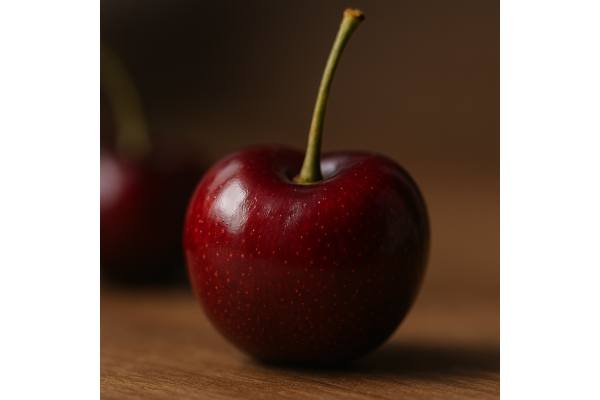
Cherries bring sunshine to the table—sweet or tart, crisp or tender—while offering more than a dessert note. Their deep red pigments signal polyphenols such as anthocyanins, which work alongside vitamin C, potassium, and fiber. Raw sweet cherries are modest in calories yet flavorful, with a naturally low glycemic impact and a juicy texture that fits breakfast bowls, smoothies, salads, and heat-friendly sauces. Tart cultivars (like Montmorency) are prized in research for sports recovery and concentrated juices, while sweet cultivars (like Bing or Rainier) dominate fresh snacking and pastry. You can enjoy cherries fresh, frozen, dried, or as 100% juice and purée; each form changes texture, sugar concentration, and how you’ll use them in the kitchen. Beyond taste, cherries are practical: they pair with savory proteins (duck, pork tenderloin), fold into yogurt parfaits, and lend tang to vinaigrettes. This guide explains what’s inside cherries, how they may support health, how to select and store them well, and the safest ways to prep and portion them for everyday diets.
At a Glance
- Low-glycemic fruit with fiber, vitamin C, and potassium per 100 g.
- Anthocyanin-rich varieties (especially tart) can support post-exercise recovery.
- Typical serving: 1 cup pitted (≈140 g), 3–5 times weekly within fruit needs.
- Avoid chewing or crushing pits; whole pits can pose a choking hazard.
- People with birch pollen–related oral allergy syndrome should limit raw cherries.
Table of Contents
- Cherry: Detailed Overview
- Cherry nutrition profile per 100 g
- Evidence-based cherry benefits
- Cherry risks, allergies and interactions
- Selecting cherries: quality, sustainability and storage
- Preparing cherries: cooking and nutrient retention
- Cherry portions, comparisons and FAQs
Cherry: Detailed Overview
Cherries (Prunus spp.) include sweet cherries (Prunus avium) and tart/sour cherries (Prunus cerasus). Sweet types are common in produce aisles for fresh eating; tart varieties dominate baking, drying, and juicing. Both types share core traits—water-rich flesh, natural sugars, organic acids, and pigmented polyphenols—but their culinary behavior differs. Sweet cherries are crisp and juicy with a honeyed note; tart cherries are softer and bright-sour, ideal where acidity or concentrated flavor helps (compotes, reductions, sorbets).
From a nutrition perspective, raw sweet cherries contribute vitamin C, potassium, and dietary fiber with relatively few calories (about 63 kcal per 100 g). Their sugar profile includes glucose and fructose alongside sorbitol—a sugar alcohol that contributes to sweetness and can be problematic in large amounts for sensitive guts. Potassium and polyphenols support cardiometabolic-friendly patterns when cherries replace refined desserts. Importantly, cherries are low in sodium and contain virtually no fat.
In wellness conversations, cherries are best known for deep red anthocyanins (e.g., cyanidin derivatives) and related phenolics (quercetin, hydroxycinnamates). Research often uses tart cherry juice/concentrate for convenience and standardized anthocyanin doses. Outcomes studied include exercise recovery (muscle soreness, strength restoration), vascular function markers, and glycemic impact in mixed populations. Evidence strength varies by outcome and study quality; benefits are most consistent for post-exercise recovery with tart cherry products. For everyday eaters, the practical takeaway is simpler: cherries diversify fruit intake with a low-glycemic, fiber-containing option that’s easy to incorporate.
Culinarily, cherries are prepped three main ways: pitted and fresh (snacks, salads), cooked down (sauces, compotes), and concentrated (drying, juicing). Each method alters texture, sweetness, and nutrient density. Cooking softens cell walls and can lower heat-sensitive vitamin C but may boost polyphenol availability from softened tissues. Drying and juicing concentrate sugars; choose unsweetened options when possible.
Finally, safety matters: never chew, crush, or blend pits—keep them out of reach of children and pets—and mind oral allergy cross-reactions (particularly with birch pollen). Store cherries cold, dry, and unwashed to reduce spoilage, then wash before eating.
Cherry nutrition profile per 100 g
Reference form: Raw sweet cherries, pitted, per 100 g. Actual values vary by cultivar, ripeness, and handling. %DV uses current adult Daily Values.
Macros & Electrolytes
| Nutrient | Amount per 100 g | %DV |
|---|---|---|
| Energy | 63 kcal | — |
| Water | 82.2 g | — |
| Protein | 1.1 g | — |
| Total carbohydrate | 16.0 g | 6%* |
| Dietary fiber | 2.1 g | 8% |
| Total sugars (naturally occurring) | 12.8 g | — |
| Fat (total) | 0.2 g | — |
| Sodium | 0 mg | 0% |
| Potassium | 222 mg | 5% |
*%DV for carbohydrate is based on 275 g/day and is primarily useful in label contexts.
Carbohydrates
| Component | Amount per 100 g | Notes |
|---|---|---|
| Starch | 0.0 g | Negligible in fresh cherries |
| Sugars, total | 12.8 g | Mostly glucose and fructose |
| Sugar alcohols (sorbitol) | small amounts | Can trigger GI symptoms in sensitive individuals |
Vitamins
| Vitamin | Amount per 100 g | %DV |
|---|---|---|
| Vitamin C (ascorbic acid) | 7 mg | 8% |
| Vitamin A (RAE) | 3 µg | 0% |
| Folate (DFE) | 4 µg | 1% |
| Vitamin K | 2.1 µg | 2% |
| Vitamin E (alpha-tocopherol) | 0.1 mg | 1% |
| Choline | 6.1 mg | — |
Minerals
| Mineral | Amount per 100 g | %DV |
|---|---|---|
| Calcium | 13 mg | 1% |
| Iron | 0.36 mg | 2% |
| Magnesium | 11 mg | 3% |
| Phosphorus | 21 mg | 2% |
| Zinc | 0.07 mg | 1% |
| Copper | 0.06 mg | 7% |
| Manganese | 0.07 mg | 3% |
Fats & Fatty Acids
| Type | Amount per 100 g |
|---|---|
| Total fat | 0.2 g |
| Saturated fat | 0.04 g |
| Monounsaturated fat | 0.05 g |
| Polyunsaturated fat | 0.06 g |
| Cholesterol | 0 mg |
Bioactives/Phytonutrients
| Group | Key components | Practical notes |
|---|---|---|
| Anthocyanins | Cyanidin-3-glucoside/rutinoside | Higher in tart cultivars and darker sweet types |
| Flavonols | Quercetin derivatives | Contribute to antioxidant capacity |
| Phenolic acids | Hydroxycinnamates (e.g., chlorogenic) | Support the characteristic tang |
| Others | Small amounts of melatonin | Content varies widely by cultivar and handling |
Glycemic & Acid–Base Metrics
| Metric | Typical classification | Context |
|---|---|---|
| Glycemic Index (GI) | Low | Fresh sweet cherries are generally low-GI fruit |
| Glycemic Load (GL) per 100 g | Low | Driven by modest net carbs and fiber |
Footnotes: Data are representative of raw sweet cherries; tart cherries and processed forms differ (e.g., 100% juice or dried fruit concentrates natural sugars). Choose unsweetened products when possible.
Evidence-based cherry benefits
1) Post-exercise recovery support (especially tart cherry products).
Randomized trials and a 2021 systematic review and meta-analysis report that tart cherry supplementation can reduce muscle soreness and help restore strength and power after strenuous exercise. Most protocols use 100% tart cherry juice or standardized concentrates for several days before and after an event. Effects are modest to moderate and are most consistent in trained individuals or during multi-day efforts. In practical terms, athletes may notice less next-day soreness and slightly better performance in repeated bouts when tart cherry is taken in a structured protocol.
2) Cardiometabolic-friendly choice within a balanced pattern.
Cherries contribute potassium, fiber, and polyphenols with a low glycemic classification. Swapping a serving of cherries for refined desserts lowers added sugar intake while providing a hydrating, micronutrient-containing option. Observational and small intervention studies with tart cherry beverages have explored markers like oxidized LDL, endothelial adhesion molecules, and blood pressure with mixed but encouraging results in some subgroups. While cherries aren’t a replacement for medical therapy, they align with heart-healthy patterns emphasizing fruits, vegetables, and minimally processed foods.
3) Uric-acid–related considerations.
Tart cherry juice has shown short-term reductions in serum urate in some adults, though results are not uniform across all trials or populations. People with gout may consider cherries as part of an overall plan focused on medication adherence, weight management when indicated, hydration, and limiting purine-rich alcohols. The most reliable protection against flares remains reaching target serum urate with prescribed therapy; cherry products can be an adjunct for some, not a substitute.
4) Everyday advantages of a low-glycemic fruit.
Fresh sweet cherries fit well in glucose-aware menus. Their low GI and fiber content make them a steadier option compared with high-GI sweets. Pairing cherries with protein (e.g., yogurt, nuts) further smooths post-meal glucose excursions.
How to translate the evidence to your plate
- For recovery days: Many protocols use about 240–480 ml/day of 100% tart cherry juice or 30–60 ml/day of concentrate, split morning/evening across 4–10 days around hard sessions.
- For everyday eating: A cup of pitted fresh cherries (≈140 g) 3–5 times per week within your fruit allowance is a simple anchor; rotate with berries, citrus, and stone fruits for diversity.
- For gout management: Discuss with your clinician before adding concentrated products if you’re on urate-lowering therapy, and monitor serum urate as directed.
Bottom line: cherries can contribute to recovery and cardiometabolic-friendly patterns; benefits are incremental and depend on the form, dose, and your baseline diet and training.
Cherry risks, allergies and interactions
Pits and processing safety. Never chew, crush, or blend cherry pits. Like other stone fruit kernels, they contain naturally occurring cyanogenic compounds; a cracked or crushed pit can release cyanide. Swallowing a whole pit usually passes intact but can be a choking hazard—especially for children and pets. Always pit cherries before cooking, baking, or blending.
Allergy and oral allergy syndrome (OAS). People with birch pollen allergy may notice mouth or throat itch after raw cherries due to cross-reactivity. Symptoms usually remain localized and are often reduced by cooking (heat denatures proteins). Anyone with systemic reactions (hives, wheeze, swelling) should avoid cherries and seek allergy care.
Digestive tolerance. Cherries contain sorbitol and fermentable sugars; large portions can cause bloating or diarrhea in sensitive guts (e.g., IBS). Introduce modest amounts, pair with protein or fat, and space servings across the day.
Blood sugar awareness. While fresh cherries have a low glycemic classification, juice and dried forms concentrate sugars. If you manage diabetes or insulin resistance, focus on whole cherries and mindful portions; when using juice for training recovery, coordinate with your care team.
Medication considerations.
- Anticoagulants/antiplatelets: Vitamin K content in cherries is low; routine amounts do not typically require warfarin dose adjustments. Maintain a consistent overall vitamin K intake from all sources.
- Sleep or sedatives: Cherries naturally contain melatonin in small amounts; typical food servings are unlikely to meaningfully interact with sedatives, but avoid assuming therapeutic potency from food alone.
- Gout therapy: Tart cherry products are not substitutes for urate-lowering medications; check labels for added sugars if you use concentrates alongside your treatment plan.
Food safety. Rinse cherries under cool running water just before eating. Refrigerate promptly to slow mold growth. Discard any fruit with visible spoilage.
Who should limit or avoid cherries?
- Individuals with confirmed cherry or stone-fruit allergies.
- Those on low-FODMAP elimination phases or highly sorbitol-sensitive; reintroduce gradually as tolerated.
- Infants and toddlers who cannot safely manage pits or round whole fruits—serve pitted and halved or mashed.
Selecting cherries: quality, sustainability and storage
How to choose high-quality cherries at the market
- Color and uniformity: Look for vibrant, glossy skin with even, saturated color; darker sweet cherries often taste richer. Avoid wrinkling or brown spots.
- Stems attached: Fresh green stems signal recent harvest and help retain moisture.
- Firmness: Gently squeeze—fruit should feel dense and springy, not soft or leaking juice.
- Aroma: A clean, fruity scent (not fermented) is a good sign.
Seasonality and varieties
- Sweet cherries: Bing (deep red, classic), Rainier (blush-yellow, delicate), Chelan, Sweetheart, Lapins.
- Tart cherries: Montmorency and Morello are common for baking, juice, and concentrates.
- Peak season: Late spring to midsummer in the Northern Hemisphere. Frozen, canned (water-packed), and dried options extend availability year-round.
Sustainability tips
- Local/seasonal first: Buying in-season fruit from regional growers cuts transport emissions and often improves flavor.
- Storage life management: Plan to use the most perishable fruits first; set aside firmer cherries for later in the week.
- Packaging choices: Choose recyclable or minimal packaging. If purchasing in bulk, store in reusable containers at home.
Storage and shelf life
- Refrigeration: Keep unwashed cherries in a breathable container (top vented) in the coldest part of the fridge. Ideal temperature is close to 0–2°C; most home fridges suffice.
- Moisture control: Excess moisture speeds spoilage—wash just before eating, then pat dry.
- Freezing: Pit first. Freeze in a single layer on a tray, then transfer to airtight bags. Label date; enjoy within 8–12 months for best quality.
- Counter storage: Not recommended for more than a day or two; cherries rapidly soften at room temperature.
Signs of decline and when to discard
- Dull skin, soft watery flesh, fermented smell, or visible mold.
- Leakage or stickiness on the container base indicates decay.
Smart substitutions
- When cherries are unavailable, try berries (similar antioxidant profile), plums (stone fruit acidity), or grapes (snacking sweetness). In recipes requiring structure, frozen cherries work well with slight thawing before baking.
Preparing cherries: cooking and nutrient retention
Prep basics
- Rinse then pit: Wash under cool running water, drain, and pit with a handheld pitter or a sturdy paperclip for small varieties.
- Prevent staining: Cherry juice can stain; protect cutting boards and towels.
- Acid partners: A squeeze of lemon brightens flavor and reduces browning in cut fruit.
Kitchen uses and techniques
- Fresh: Toss into yogurt with toasted almonds; add to salads with goat cheese and arugula; layer on ricotta toasts.
- Cooked: Simmer into a quick pan sauce (shallot, balsamic, stock) for pork or duck; fold into oatmeal or farro; reduce with a pinch of black pepper for a savory-sweet glaze.
- Baked: Classic clafoutis (pit-free for safety), crisps, or whole-grain muffins.
- Frozen and dried: Blend frozen cherries into smoothies or churn into sorbets; rehydrate dried cherries in warm water or tea for pilafs and grain bowls.
- Juice/concentrates (tart cherry): Useful for athletes; choose unsweetened 100% juice or standardized concentrates.
Maximizing nutrient retention
- Gentle heat, short time: Vitamin C is heat-sensitive. Quick sautés and brief baking preserve more than long simmering.
- Minimal water: Moist-heat methods (poaching) can leach water-soluble nutrients; reduce cooking water or repurpose it in sauces.
- Acidity and fat: A little acid (lemon, vinegar) preserves color; pairing with healthy fats (nuts, seeds, olive oil) enhances absorption of fat-soluble plant compounds in mixed dishes.
- Whole fruit advantage: Whole cherries deliver fiber that you don’t get in clear juices; blending retains fiber, juicing discards it unless you use whole-pulp products.
Food safety and batch prep
- Pit diligently: Double-check for stray pits before serving to kids or blending.
- Meal-prep window: Pitted cherries keep 2–3 days refrigerated in airtight containers; add a paper towel to absorb moisture.
- Freezer-ready portions: Freeze by recipe size (e.g., 150–200 g bags) to reduce waste.
Flavor builders and pairings
- Herbs/spices: Mint, basil, thyme, black pepper, star anise, vanilla.
- Compliments: Dark chocolate (≥70%), citrus zest, toasted nuts, whole grains, soft cheeses.
Cherry portions, comparisons and FAQs
Portion guidance
- Everyday serving: 1 cup pitted fresh cherries (≈140 g), which provides ~90 kcal, ~3 g fiber per cup equivalent, and a meaningful potassium bump.
- Athletic protocols (tart cherry): Common ranges are ~240–480 ml/day of 100% juice or ~30–60 ml/day of standardized concentrate, typically split twice daily for 4–10 days around hard training. Discuss with your coach or clinician if you take medications or monitor glucose.
- Dried cherries: More sugar-dense; keep to 2 tablespoons (≈20 g) as a mix-in to maintain balance.
- Juice: Treat like a functional beverage. Favor small servings (120–180 ml) unless you’re following a training protocol.
How do cherries compare to similar fruits?
- Versus berries: Cherries are higher in natural sugars than most berries but still offer polyphenols and fiber; berries generally provide more vitamin C per gram.
- Versus grapes: Similar sweetness; cherries usually deliver more fiber per serving and a lower glycemic classification.
- Versus plums: Comparable stone-fruit tang; plums can be slightly lower in sugars per gram but vary widely by cultivar.
Budget and pantry tips
- Buy in-season for the best price-to-quality ratio; freeze pitted cherries for year-round smoothies and baking.
- Combine small amounts of dried cherries with nuts or grains to distribute flavor without overloading sugar.
Frequently asked questions
Are cherries good for blood sugar?
Whole fresh cherries are a low-glycemic fruit and fit well in carbohydrate-conscious diets. Pairing them with protein or fat further moderates glucose responses. Juices and dried forms concentrate sugars—use smaller portions.
Can cherries help me sleep?
Cherries naturally contain melatonin, but typical food servings offer small amounts. If sleep is your goal, build a comprehensive routine (light, timing, caffeine) and consider discussing targeted supplements with a clinician.
Do cherries prevent gout flares?
Some studies suggest tart cherry products can modestly affect serum urate or flare frequency, but findings are mixed. Use cherries as an adjunct to—not a replacement for—evidence-based gout therapy, and monitor urate with your care team.
What about pesticides?
Wash well under running water. Buying in-season from reputable growers and storing promptly reduces spoilage and waste; organic vs. conventional is a personal choice within budget and availability.
Any red flags for kids?
Always pit cherries for children and slice to reduce choking risk. Keep pits out of reach.
References
- USDA FoodData Central 2025.
- International tables of glycemic index and glycemic load values 2021: a systematic review 2021 (Systematic Review).
- Tart Cherry Supplementation and Recovery From Strenuous Exercise: A Systematic Review and Meta-Analysis 2021 (Systematic Review).
- Consumption of 100% Tart Cherry Juice Reduces Serum Urate in Overweight and Obese Adults 2019 (RCT).
- Cyanide | ToxFAQs™ | ATSDR 2024 (Guidance).
Disclaimer
This article is for general education and is not a substitute for personalized medical advice, diagnosis, or treatment. Nutrition and health needs vary by individual. If you manage a medical condition (such as diabetes, gout, kidney disease, or allergies) or take prescription medications, consult a qualified healthcare professional before making significant dietary changes or using concentrated cherry products. In emergencies or if you suspect poisoning, seek immediate medical care.
If you found this guide helpful, please consider sharing it on Facebook, X (Twitter), or your favorite platform—your support helps us continue creating reliable, reader-focused nutrition resources.