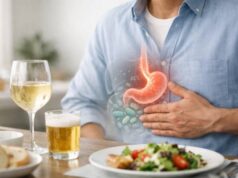
Chest pain after eating can feel alarming because the chest is shared territory: the esophagus, stomach, heart, lungs, and chest wall all send pain signals through overlapping nerves. A single symptom can therefore have very different causes—from acid reflux that irritates the esophagus, to swallowing-related muscle spasm, to cardiac problems that deserve urgent care. The good news is that post-meal chest pain often follows recognizable patterns, and the details matter: where it sits, when it starts, how long it lasts, and what else happens alongside it. This article helps you sort those clues in a practical way, understand when reflux and esophageal spasm are likely, and recognize red flags that should never be managed at home. You will also learn what clinicians typically test for and how to reduce episodes safely while you pursue answers.
Essential Insights
- Tracking timing, triggers, and associated symptoms often clarifies whether pain is reflux-related, esophageal, or higher risk.
- Many cases are noncardiac, but new or severe chest pain should be treated as urgent until proven otherwise.
- Reflux pain commonly follows large or fatty meals and improves with posture changes and targeted medication timing.
- Esophageal spasm can mimic heart pain and may be triggered by hot or cold liquids, stress, or rapid swallowing.
- If chest pain includes shortness of breath, sweating, fainting, or radiation to arm or jaw, seek emergency evaluation.
Table of Contents
- How chest pain after eating presents
- Reflux and meal-related burning pain
- Esophageal spasm and swallowing triggers
- When it could be heart-related
- Other causes that cluster after meals
- A practical plan for relief and evaluation
How chest pain after eating presents
Chest pain after meals is best understood as a pattern, not a single sensation. Start with three questions: When does it begin? Where is it located? What travels with it? The combination often points toward the next safest step.
Timing clues that matter
- During swallowing or within minutes of the first bites: This raises suspicion for esophageal causes such as spasm, swallowing difficulty, or irritation. It can also occur with very hot, very cold, or carbonated drinks that distend or stimulate the esophagus quickly.
- 15 to 60 minutes after a meal: This is a common window for reflux-related pain, especially after large, fatty, or late-night meals.
- One to three hours after eating: This timing can fit reflux, but it also overlaps with gallbladder pain patterns and ulcer-like pain.
- Only with exertion after a meal: Any chest pain that appears when you walk, climb stairs, or feel stressed—especially after eating—must be treated as potentially heart-related until evaluated.
Location and radiation
Esophageal pain is often central (behind the breastbone) and may feel like pressure, burning, or squeezing. It can radiate to the back, neck, or jaw, which is why it can be confusing. Cardiac pain can be similar, but it more often comes with a broader “unwell” feeling, breathlessness, sweatiness, or nausea. Gallbladder pain commonly sits in the upper right abdomen and may radiate to the right shoulder blade, but some people describe it as chest pressure.
Associated symptoms that narrow the field
A few symptom pairings are especially informative:
- Burning chest pain with sour taste, belching, or regurgitation: reflux is more likely.
- Chest tightness with difficulty swallowing (food “sticking”): consider spasm or a motility disorder.
- Chest pressure with shortness of breath, sweating, or faintness: treat as urgent.
- Chest pain with fever, repeated vomiting, or black stools: consider serious gastrointestinal bleeding or infection and seek urgent evaluation.
Finally, remember a safety principle: you cannot reliably diagnose chest pain by feel alone. If pain is new, severe, worsening, or paired with warning signs, the safest first step is medical evaluation rather than self-experimentation.
Reflux and meal-related burning pain
Reflux is the most common digestive explanation for chest pain after eating. It happens when stomach contents move upward and irritate the esophagus. That irritation can feel like classic heartburn, but it can also feel like pressure, aching, or sharp pain that mimics cardiac symptoms.
Why meals trigger reflux
After you eat, the stomach stretches and produces acid to help digestion. Certain meal features raise the chance that acid or non-acid stomach contents will wash upward:
- Large volume meals that increase stomach pressure
- High-fat meals that slow stomach emptying
- Late meals followed by lying down, which removes gravity’s help
- Alcohol and nicotine, which can reduce lower esophageal sphincter tone in some people
- Tight clothing or abdominal compression that increases pressure
A helpful way to think about reflux chest pain is “irritation plus pressure.” Irritation creates burning and sensitivity; pressure pushes contents upward. Together, they can produce chest discomfort that is worse when bending forward or lying flat.
Common reflux patterns
Reflux-related chest pain often:
- Worsens after fatty foods, fried foods, chocolate, peppermint, coffee, tomato-based meals, or spicy dishes (though triggers vary)
- Improves with sitting upright, walking gently, or elevating the head and shoulders
- Appears with belching, a sour taste, hoarseness, throat clearing, or a feeling of fluid coming up
- Flares when the meal is combined with stress, fast eating, or carbonated drinks
What you can try safely while you investigate
If you do not have red-flag symptoms, these steps are low-risk and often useful:
- Smaller meals: Try reducing meal size by about one-third for 1 to 2 weeks while keeping total daily nutrition steady.
- Posture window: Avoid lying down for 2 to 3 hours after meals; a short, easy walk can help.
- Meal pace: Aim for 15 to 20 minutes for a meal rather than rushing; rapid eating increases swallowed air and distention.
- Targeted medication timing (if recommended): Acid-suppressing medicines work best when taken consistently and, for some types, before a meal.
When reflux pain needs prompt care
Seek medical evaluation soon if reflux symptoms include trouble swallowing, persistent vomiting, unexplained weight loss, black stools, anemia, or progressive pain. These can signal complications such as inflammation, narrowing, or bleeding that should not be managed with trial-and-error alone.
Esophageal spasm and swallowing triggers
The esophagus is a muscular tube that moves food downward with coordinated contractions. When that coordination is disrupted—through spasm, overly forceful contractions, or impaired relaxation—pain can occur in the chest, sometimes immediately after swallowing and sometimes minutes later.
How esophageal spasm pain feels
Esophageal spasm is often described as:
- Sudden squeezing or tightness behind the breastbone
- Pain that may radiate to the back, neck, jaw, or arms
- Episodes lasting minutes, sometimes longer, with a stop-and-start quality
- Pain that can be severe enough to resemble a cardiac event
Two features frequently raise suspicion:
- Dysphagia: food or pills feel stuck, move slowly, or require extra swallows
- Trigger sensitivity: very hot or cold beverages, dry bread, rapid swallowing, or stress can provoke episodes
Some people also notice that pain comes with a sense of “air trapping” or repeated belching. That can happen when the esophagus becomes hypersensitive or when swallowing patterns change in response to discomfort.
Why it can happen after eating
Meals activate a complex reflex system that coordinates swallowing, esophageal contractions, and stomach filling. When the system is irritable, a normal stimulus—like a large gulp of water or a hurried bite—can produce an exaggerated contraction. Acid reflux can also sensitize the esophagus over time, lowering the threshold for pain even when reflux is mild.
Practical steps that may reduce episodes
While you wait for evaluation, these strategies are often reasonable (and low risk) if you are not experiencing urgent warning signs:
- Slow the first five bites: start meals gently to avoid a sudden mechanical trigger.
- Choose warm, still fluids: room-temperature or warm water can be easier than icy or fizzy drinks during flare periods.
- Reduce very dry foods: add moisture with soups, sauces, or softer textures.
- Breathing reset: try 60 to 90 seconds of slow nasal breathing before and after meals to reduce stress-linked tightening.
How clinicians confirm esophageal causes
Because spasm can look like reflux—or like heart pain—evaluation is usually stepwise:
- If there is any concern for heart-related pain, that is assessed first.
- For esophageal causes, clinicians may use endoscopy to check for irritation or narrowing, and specialized tests to measure reflux and muscle function.
The key point is that esophageal spasm is real and treatable, but it is also a diagnosis that should be made carefully, because the same symptoms can represent more serious conditions.
When it could be heart-related
Chest pain after eating is often digestive, but the most important decision is recognizing when it might not be. Heart-related pain can occur after meals because digestion shifts blood flow to the gut and increases the heart’s workload. In people with narrowed coronary arteries or other cardiac conditions, that extra demand can unmask symptoms—sometimes described as “indigestion” or “pressure.”
Warning signs that should be treated as urgent
Seek emergency evaluation if chest pain is new or severe and any of the following are present:
- Shortness of breath, fainting, marked weakness, or confusion
- Cold sweat, clamminess, or a sense of impending doom
- Pain spreading to the left arm, both arms, shoulder, jaw, or back
- Persistent nausea or vomiting with chest pressure
- A rapid, irregular heartbeat or collapse
Also treat it as urgent if you have chest pain plus major risk factors such as older age, known heart disease, diabetes, smoking history, high blood pressure, high cholesterol, or a strong family history of early heart disease.
Clues that increase suspicion of cardiac pain
Digestive pain often changes with posture, meals, and swallowing. Cardiac pain more often:
- Appears with exertion, emotional stress, or cold exposure
- Feels like pressure, heaviness, squeezing, or a band-like tightness
- Lasts more than a few minutes, or returns in waves with minimal triggers
- Is not reliably relieved by belching, antacids, or changing position
That said, overlap is common. Some people with reflux feel pressure; some people with heart disease feel burning. Because of this, the safest approach is simple: if you are unsure, treat chest pain as potentially serious until it is evaluated.
Why “it went away” is not enough reassurance
Both reflux and cardiac issues can come and go. A short-lived episode does not prove it is benign—especially if it is new for you, more intense than usual, or occurs with exertion or systemic symptoms. If pain after eating is recurrent, it is worth discussing with a clinician even if episodes resolve.
What a cardiac evaluation typically checks
Clinicians look for immediate threats (such as reduced blood flow to the heart) and assess risk using your story, examination, and tests. The goal is not to label everything as heart disease, but to rule out dangerous causes early so digestive evaluation can proceed safely if needed.
Other causes that cluster after meals
If reflux and spasm do not fully explain the pattern, several other conditions can cause chest or upper abdominal pain that seems meal-linked. Some are common and manageable; others require urgent attention.
Gallbladder and biliary pain
Gallbladder pain is often triggered by fatty meals because fat stimulates gallbladder contraction. Typical features include:
- Pain in the upper right abdomen or center upper abdomen that can be felt as lower chest pressure
- Radiation to the right shoulder or back
- Episodes lasting 30 minutes to several hours
- Nausea and food intolerance, especially with greasy meals
If biliary pain is accompanied by fever, jaundice (yellowing eyes or skin), or persistent vomiting, urgent care is warranted.
Stomach and duodenal irritation
Gastritis, ulcers, and severe indigestion can cause burning or gnawing pain that rises into the chest. Patterns vary:
- Some people feel worse soon after eating; others feel worse when the stomach is empty.
- Anti-inflammatory medications, alcohol, smoking, and certain infections can raise risk.
- Warning signs include black stools, vomiting blood, or unintentional weight loss.
Pancreatic pain
Pancreatitis is less common but important because it can be serious. It often causes severe upper abdominal pain that may radiate to the back and can feel chest-adjacent. It may worsen after eating and is commonly associated with significant nausea and vomiting. This requires urgent evaluation.
Food impaction and allergic inflammation
Some people experience chest pain with swallowing because food sticks or because the esophagus is inflamed. Clues include:
- Recurrent “sticking” with meats or bread
- Needing to drink large amounts of water to push food down
- Episodes where food feels lodged and does not pass
If food is stuck and you cannot swallow liquids or manage saliva, treat it as urgent.
Chest wall and posture-related pain
Not all post-meal chest pain is internal. Costochondritis (inflammation of rib cartilage) can be reproduced by pressing on the chest wall. Posture changes after eating—slumping on a couch, twisting, or lying on one side—can also aggravate musculoskeletal pain. If pressing on a specific spot reliably recreates the pain and there are no systemic symptoms, a chest wall cause becomes more likely, though it should not be assumed without context.
The takeaway: if symptoms are recurrent, the goal is not to guess one diagnosis, but to match the pattern to the safest evaluation pathway.
A practical plan for relief and evaluation
A useful plan has two layers: what to do during an episode and how to get a clear diagnosis over time. The safest approach prioritizes ruling out serious causes first, then targeting the most likely digestive drivers.
Step 1: Decide whether this is urgent
Use a conservative rule: if chest pain is new, severe, worsening, or accompanied by shortness of breath, sweating, fainting, confusion, or radiation to arm or jaw, seek emergency evaluation. If you have known heart disease or major risk factors, lower your threshold for urgent care.
Step 2: During a non-urgent episode, use low-risk measures
If you have had similar episodes before and have been advised it is noncardiac, these measures may help:
- Sit upright and loosen tight clothing.
- Avoid lying flat for at least 2 to 3 hours after meals.
- Sip still, room-temperature water rather than chugging cold or carbonated drinks.
- Take a slow walk for 5 to 10 minutes if you feel steady; gentle motion can reduce reflux pooling.
- Avoid repeated forceful belching or rapid swallowing, which can worsen air trapping and spasm-like sensations.
If symptoms escalate, shift back to the urgent pathway.
Step 3: Build a short symptom record
A one-week log often reveals patterns faster than memory:
- Time of pain onset relative to meals (minutes or hours)
- Meal size and fat content (light, medium, heavy)
- Trigger drinks (coffee, alcohol, carbonated, very cold)
- Swallowing difficulty, regurgitation, nausea, cough, or hoarseness
- Whether pain changes with posture or exertion
This record helps clinicians choose targeted testing rather than broad trial-and-error.
Step 4: Understand the common testing sequence
Evaluation often proceeds in a stepwise fashion:
- Heart evaluation first when risk or features suggest it.
- Reflux-focused approach when symptoms fit: clinicians may recommend a time-limited medication trial, or testing if symptoms are persistent, atypical, or paired with swallowing problems.
- Endoscopy if there are alarm features (trouble swallowing, bleeding signs, weight loss) or long-standing symptoms.
- Reflux monitoring and esophageal muscle testing if symptoms persist despite initial treatment or if spasm is suspected.
Step 5: Safer long-term prevention habits
The most reliable lifestyle shifts are simple and measurable:
- Make the evening meal smaller and finish it at least 3 hours before bed.
- If symptoms cluster after fatty meals, reduce fat load at one meal per day for 2 weeks and reassess.
- Eat at a slower pace and avoid “catch-up” meals after long gaps.
- If you suspect triggers, change one variable at a time to avoid confusing results.
Chest pain after eating is a symptom you should respect, not fear. With careful pattern tracking and the right evaluation sequence, most people can identify the driver and reduce recurrences safely.
References
- 2021 AHA/ACC/ASE/CHEST/SAEM/SCCT/SCMR Guideline for the Evaluation and Diagnosis of Chest Pain: A Report of the American College of Cardiology/American Heart Association Joint Committee on Clinical Practice Guidelines 2021 (Guideline)
- ACG Clinical Guideline: Guidelines for the Diagnosis and Management of Gastroesophageal Reflux Disease 2022 (Guideline)
- Diagnosis and Management of Noncardiac Chest Pain 2024 (Review)
- Esophageal motility disorders on high-resolution manometry: Chicago classification version 4.0© 2021 (Review)
Disclaimer
This article is for educational purposes and does not replace personalized medical care. Chest pain can signal life-threatening conditions, and it is not possible to confirm the cause safely based on symptoms alone. Seek emergency evaluation for new, severe, or worsening chest pain, or for chest pain with shortness of breath, sweating, fainting, confusion, weakness, or pain spreading to the arm, shoulder, jaw, or back. If you have heart disease or major risk factors, use a lower threshold for urgent care. For ongoing or recurrent post-meal chest pain, work with a qualified clinician to determine the appropriate evaluation and treatment plan.
If you found this article helpful, please consider sharing it on Facebook, X (formerly Twitter), or any platform you prefer.