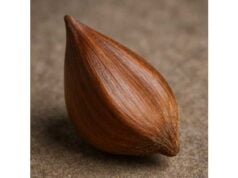
Chestnuts are the outliers of the nut world: sweet, starchy, naturally low in fat, and packed with complex carbohydrates, potassium, and vitamin C—especially when freshly roasted. Unlike oil-rich almonds or walnuts, chestnuts behave more like whole grains in your kitchen and in your body, offering slow-release energy with a delicate, toasty flavor. From street-side paper cones to holiday stuffing, chestnuts shine in both savory and sweet dishes—puréed into soups, folded into risotto, milled into gluten-free flour, or candied for a classic Mont Blanc. They’re also naturally free of gluten and cholesterol, and when prepared well, their creamy texture makes an appealing stand-in for potatoes or pasta. That said, sourcing quality chestnuts and storing them correctly matters: they’re highly perishable, and improper handling can lead to mold or off flavors. Below, you’ll find practical guidance on nutrition, evidence-backed benefits, safety notes, quality selection, cooking techniques, and portion tips to help you enjoy chestnuts with confidence.
At a Glance
- Provides complex carbs, fiber, potassium, and vitamin C per 100 g serving.
- Naturally low in fat and gluten-free, with a mild, sweet taste.
- Typical serving: 40–60 g (about 6–10 kernels) roasted, 2–3 times per week.
- Safety note: don’t confuse edible sweet chestnuts with toxic horse chestnuts.
- People with tree nut allergy or severe pollen–food syndrome should use caution.
Table of Contents
- Detailed Overview
- Nutrition Profile
- Evidence-Based Health Benefits
- Risks, Allergies and Interactions
- Selecting, Quality, Sustainability and Storage
- Preparation, Cooking and Nutrient Retention
- Portions, Comparisons and FAQs
Chestnuts: detailed overview
Chestnuts are the edible seeds of the sweet chestnut tree (Castanea sativa in Europe, C. crenata in East Asia, and C. dentata in North America). Culinary chestnuts are distinct from horse chestnuts (Aesculus hippocastanum), which are toxic and not for eating. In the kitchen, chestnuts act more like a hearty carbohydrate than a rich nut: once cooked, they become floury and tender, with a subtle sweetness that complements both savory and dessert preparations.
Because fresh chestnuts contain a high proportion of water, they are perishable, seasonal, and sensitive to storage. In the Northern Hemisphere, harvest typically spans late fall to early winter. The traditional “roasting on an open fire” helps gelatinize starch and develop Maillard browning for that characteristic aroma. Today, you’ll also find vacuum-packed, pre-roasted chestnuts year-round, plus chestnut flour and purée as convenient pantry items for baking and sauces.
Nutritionally, chestnuts stand out for their complex carbohydrates, fiber, potassium, and modest amounts of B vitamins. Unlike most nuts, they contain significant vitamin C when fresh or gently roasted. Their fatty acid profile is low overall, with small amounts of monounsaturated and polyunsaturated fats. They are naturally cholesterol-free and gluten-free, which makes chestnut flour a useful option for those avoiding gluten. In traditional cuisines, chestnuts have served as a “bread” replacement—think polenta-like porridges in Italy and France, mochi-like confections in Japan, and hearty stews across the Mediterranean.
From a health perspective, chestnuts’ nutrient mix—complex carbs, potassium, and fiber—makes them a smart choice for sustained energy and cardiometabolic support when eaten in moderation. As with all carbohydrate-dense foods, portion control matters, but chestnuts offer a satisfying, real-food alternative to refined starches. The sections below translate these features into practical, evidence-informed guidance you can use right away.
Nutrition profile
How to read this section: Values below are for roasted European chestnuts unless stated, shown per 100 g along with % Daily Value (%DV) based on general labeling standards for adults. Values vary by species, cultivar, moisture, and cooking method; use these as representative estimates.
Macros and electrolytes (per 100 g, roasted):
| Nutrient | Amount | %DV |
|---|---|---|
| Energy | ~245 kcal | 12% |
| Water | ~41 g | — |
| Carbohydrate | ~53.0 g | 19% |
| Dietary fiber | ~5.1 g | 18% |
| Total sugars | ~10.6 g | — |
| Protein | ~3.2 g | 6% |
| Total fat | ~2.2 g | 3% |
| Sodium | ~2 mg | 0% |
| Potassium | ~592 mg | 13% |
Fats and fatty acids (per 100 g):
| Nutrient | Amount | %DV/Info |
|---|---|---|
| Saturated fat | ~0.4 g | 2% |
| Monounsaturated fat | ~0.8 g | — |
| Polyunsaturated fat | ~0.9 g | — |
| Omega-3 (ALA, total) | ~0.09 g | 5% of 1.6–1.1 g ref. |
| Omega-6 (LA, total) | ~0.78 g | 4% of 12–17 g ref. |
Vitamins (per 100 g):
| Vitamin | Amount | %DV |
|---|---|---|
| Vitamin C | ~26 mg | 29% |
| Thiamin (B1) | ~0.24 mg | 20% |
| Riboflavin (B2) | ~0.18 mg | 14% |
| Niacin (B3) | ~1.3 mg | 8% |
| Vitamin B5 (Pantothenic acid) | ~0.56 mg | 11% |
| Vitamin B6 | ~0.50 mg | 29% |
| Folate (DFE) | ~70 µg | 18% |
| Vitamin E (alpha-tocopherol) | ~0.5 mg | 3% |
| Vitamin K | ~8 µg | 7% |
Minerals (per 100 g):
| Mineral | Amount | %DV |
|---|---|---|
| Calcium | ~29 mg | 2% |
| Iron | ~0.9 mg | 5% |
| Magnesium | ~33 mg | 8% |
| Phosphorus | ~107 mg | 9% |
| Zinc | ~0.6 mg | 5% |
| Copper | ~0.51 mg | 57% |
| Manganese | ~1.18 mg | 51% |
| Selenium | ~1.2 µg | 2% |
Carbohydrates and glycemic considerations
- Chestnuts are carbohydrate-dense with moderate fiber.
- Roasted chestnuts have a moderate glycemic index; pairing with protein, fat, and fiber (e.g., olive oil, greens, poultry) helps keep post-meal glucose steadier.
- Cooling cooked chestnuts and serving in salads or grain bowls can modestly increase resistant starch, which may further temper glycemic impact.
Allergens and intolerance markers
- Chestnuts are tree nuts and can trigger reactions in those with nut allergy or pollen–food syndrome; see Safety for details.
- Naturally gluten-free; chestnut flour is a grain-free option for baking.
Footnote on processing
- Vitamin C is heat-sensitive. Gentle roasting, steaming, or quick sautéing preserves more than prolonged baking or high-heat roasting.
- No standard fortification is used for chestnut products; check labels on flours and purées for added sugars or flavors.
Evidence-based health benefits
1) Cardiometabolic support
Chestnuts deliver potassium (~592 mg/100 g) and are naturally very low in sodium. Adequate potassium supports healthy blood pressure by counterbalancing sodium’s effects on fluid balance. In everyday terms, using chestnuts as a side in place of refined starches can increase mineral density per calorie while adding fiber.
2) Balanced energy from complex carbs and fiber
With ~53 g carbs and ~5 g fiber per 100 g roasted, chestnuts provide sustained energy similar to whole grains. The fiber fraction slows digestion and can help blunt post-meal glucose spikes. For athletes and active individuals, roasted chestnuts make a useful pre- or mid-workout carbohydrate with a gentler taste and texture than gels or sweets.
3) B-vitamin and vitamin C combo
Few “nuts” provide meaningful vitamin C; chestnuts are an exception, supplying roughly one-quarter to one-third of the daily value per 100 g when freshly roasted. Alongside thiamin (B1), vitamin B6, and folate, this profile supports carbohydrate metabolism, red blood cell formation, and nervous system function. Keeping roasting times moderate and avoiding long holding periods after cooking helps retain more vitamin C.
4) Micronutrients for connective tissue and antioxidant defense
Chestnuts are rich in copper and manganese, two minerals central to antioxidant enzymes (superoxide dismutase and others) and collagen cross-linking. While they are not a high-protein food, pairing chestnuts with vitamin C-containing produce (e.g., kale, citrus dressings) supports collagen synthesis in skin and connective tissue.
5) Digestive comfort for some
Compared with wheat-based sides, chestnuts’ gluten-free carbohydrate matrix can be easier to tolerate for those with celiac disease or non-celiac gluten sensitivity. Chestnut flour can replace a portion of wheat flour in recipes to reduce gluten load while preserving a tender crumb and mild sweetness.
6) Culinary substitution for refined starches
Using chestnuts creatively—puréed to enrich soups, diced into pilaf with legumes, or baked as gnocchi with egg—can displace refined starches and added sugars without sacrificing satisfaction. Over time, these swaps can improve overall dietary quality.
Practical tip: For cardiometabolic goals, serve chestnuts in 40–60 g portions and anchor the meal with lean protein and nonstarchy vegetables. This balances calories while keeping the meal nutrient-dense and satisfying.
Risks, allergies and interactions
Do not confuse species.
Edible sweet chestnuts (Castanea sativa and related species) are not the same as horse chestnuts (Aesculus hippocastanum). Horse chestnuts contain toxic saponins and glycosides and can cause gastrointestinal and systemic symptoms if ingested. Only eat chestnuts sold for culinary use.
Tree nut allergy and pollen–food syndrome.
Chestnuts are classified as tree nuts. People with confirmed tree nut allergy should consult an allergist before trying chestnuts or chestnut flour, especially if they have reacted to other Fagaceae or exhibit birch or grass pollen–related oral allergy symptoms. Reactions range from oral itching to anaphylaxis; pre-packed products may be cross-contaminated with other nuts.
Digestive tolerance.
Chestnuts are high in starch and moderate fiber. Large portions may cause bloating or discomfort in sensitive individuals or those with irritable bowel syndrome (IBS). Start with smaller servings (30–40 g roasted), chew well, and pair with protein and nonstarchy vegetables.
Blood sugar management.
Roasted chestnuts have a moderate glycemic index. People managing diabetes should measure portions, combine chestnuts with protein/fat, and consider cooling and reheating cooked chestnuts to increase resistant starch slightly. Monitor post-meal glucose to individualize portions.
Medication considerations.
There are no major medication interactions documented for culinary amounts of chestnuts. However, if you use low-potassium diets (e.g., advanced kidney disease), note that chestnuts provide ~592 mg potassium per 100 g; discuss appropriate limits with a clinician.
Food safety.
Fresh chestnuts can mold or ferment if stored warm or dry for too long. Discard nuts with visible mold, rancid or alcoholic smells, or excessive worm holes. Always score shells before roasting to avoid bursting, and cook until the inner pellicle lifts easily.
Allergen advisory for processed products.
Chestnut products (purées, spreads, flours) may include added sugars or flavorings; read labels if you’re minimizing added sugar or avoiding other allergens like milk or soy.
Selecting, quality, sustainability and storage
What to look for at purchase
- Weight and feel: Choose nuts that feel heavy for their size with taut, glossy shells. Light or rattling nuts often indicate dryness or internal shrinkage.
- Sound: A solid, dull thud suggests good moisture; a hollow rattle can mean the kernel has dried out.
- Shell integrity: Avoid splits (beyond the natural hilum), mold, or worm holes.
- Packaging: For pre-roasted or vacuum-packed nuts, check the best-by date, intact seal, and short ingredient list (ideally just chestnuts).
Sustainability and origin
- European, East Asian, and American chestnut varieties share broadly similar nutrition but differ in size and flavor. Where possible, support blight-resistant or sustainably managed orchards; local producers often store and cure chestnuts with better moisture control, reducing waste.
- Chestnut trees can contribute to agroforestry systems, providing shade and soil benefits while producing food. Choosing chestnuts from such operations supports biodiversity.
Storage and shelf life
- Fresh, unpeeled: Refrigerate promptly at 0–4°C with high humidity (perforated bag or vegetable drawer). Use within 2–3 weeks.
- Peeled, cooked: Refrigerate in an airtight container for 3–4 days or freeze up to 6 months.
- Vacuum-packed roasted: Shelf-stable until opened; then refrigerate and use within 3–5 days.
- Chestnut flour: Store airtight in a cool, dark place up to 2–3 months, or refrigerate/freezer-store for longer to prevent rancidity.
Quality cues when cooking
- Properly roasted chestnuts should peel easily, reveal a cream-colored interior, and taste sweet, nutty, and slightly caramelized—never bitter, sour, or alcoholic.
Preparation, cooking and nutrient retention
Scoring and peeling (baseline method)
- Score each chestnut through the shell and brown skin (pellicle): make an X on the flat side or a slit around the equator.
- Soak (optional) 10–15 minutes to soften shells for easier peeling.
- Roast at 200–220°C for 15–25 minutes, shaking once or twice, until the shell curls and the X opens.
- Steam-trap: Wrap hot chestnuts in a clean towel for 5 minutes; the steam helps release the pellicle.
- Peel while warm; remove both shell and pellicle.
Alternative cooking methods
- Boiling/Simmering: Gentle simmer 20–30 minutes for soups or purées; easiest for bulk peeling.
- Microwave pre-steam: After scoring, microwave in a covered container with a splash of water for 1–2 minutes, then finish peeling and roast briefly for flavor.
- Pressure cooker/Instant Pot: Score, pressure-cook 10–12 minutes, quick release, then peel.
- Air fryer: 190–200°C for 12–18 minutes after scoring; shake the basket for even cooking.
Retaining vitamin C and texture
- Use gentle heat when vitamin C matters (e.g., chopped into salads): quick steam or sauté vs. prolonged high-heat roasting.
- Cook to tender-firm, not mushy, to minimize nutrient losses and preserve a pleasant bite.
- Cool and chill some portions for salads to increase resistant starch, which may modestly lower glycemic impact and improve texture in cold dishes.
Flavor pairings
- Savory: Brussels sprouts, mushrooms, pancetta, sage, rosemary, thyme, parmesan, olive oil.
- Sweet: Vanilla, cocoa, honey, citrus zest, dark rum, cinnamon.
- Global ideas:
- Italian: Chestnut–porcini risotto; castagnaccio (Tuscan chestnut flour cake).
- French: Chestnut–celeriac soup; boudin blanc with chestnut purée.
- Japanese: Kuri gohan (rice with chestnuts); kuri kinton (sweet chestnut mash).
- Mediterranean: Wild greens with chestnuts and lemon–olive oil dressing.
Simple make-ahead chestnut purée (unsweetened)
- Simmer peeled chestnuts in vegetable stock until very tender. Purée with a little cooking liquid, a knob of butter or olive oil, and salt to taste. Use as a silky base for poultry, roasted vegetables, or as a soup starter.
Baking with chestnut flour
- Replace 20–30% of wheat flour in cakes, quick breads, or pancakes for a tender crumb and subtle sweetness. For gluten-free bakes, blend chestnut flour with rice or sorghum flours plus a binder (e.g., psyllium husk or xanthan gum).
Portions, comparisons and FAQs
Smart portions
- Everyday portion: 40–60 g roasted (about 6–10 kernels), 2–3 times per week in place of refined starches.
- For higher-energy needs (hiking, endurance events), 60–80 g in trail mixes or rice dishes can work well; pair with protein (e.g., cheese, smoked tofu) for satiety.
Chestnuts vs. other nuts (per 30 g cooked/roasted)
- Calories: Chestnuts ~60–75 kcal vs. almonds/walnuts ~180–200 kcal.
- Fat: Chestnuts ~0.7 g vs. almonds/walnuts ~16–20 g.
- Carbs: Chestnuts ~16 g vs. almonds/walnuts ~4 g.
- Use-case: Chestnuts function like whole-food carbs with bonus micronutrients, not like fatty nuts. They’re ideal when you want a lighter, grain-like side.
FAQs
Are chestnuts good for weight management?
Yes—relative to other nuts, chestnuts provide fewer calories per portion and more water and fiber. They can replace refined carbs (e.g., white bread), delivering better nutrient density for similar calories.
Do chestnuts contain gluten?
No. Chestnuts and chestnut flour are naturally gluten-free. For medically necessary gluten-free diets, choose products labeled gluten-free to minimize cross-contact risk.
How do I avoid bitter or moldy flavors?
Buy fresh, heavy nuts; store cold and humid; cook within a couple of weeks; and discard any with visible mold or fermentation smells.
Can people with diabetes eat chestnuts?
Often, yes—moderate portions paired with protein and vegetables fit many meal plans. Monitor blood glucose to personalize your serving size.
Is there caffeine or theobromine in chestnuts?
No. Chestnuts are free of caffeine and theobromine.
What about candied chestnuts or sweetened purées?
These can be high in added sugars. Enjoy as occasional treats and balance them with unsweetened meals the rest of the day.
References
- Nutrition Facts for Roasted Chestnuts 2024 (Database)
- Sweet Chestnut (Castanea sativa Mill.) Nutritional and Phenolic Composition Interactions with Chestnut Flavor Physiology 2022 (Systematic Review)
- Poisoning due to consumption of horse chestnut seed 2021 (Case Report)
- Current perspectives on tree nut allergy: a review 2018 (Review)
Disclaimer
This article provides general nutrition and safety information about culinary chestnuts. It is not a substitute for personalized medical advice, diagnosis, or treatment. Always consult your healthcare professional or registered dietitian about food allergies, chronic conditions (such as kidney disease or diabetes), and individual nutrition needs.
If you found this guide helpful, please consider sharing it on Facebook, X (formerly Twitter), or any platform you prefer to support our work in creating reliable, reader-first nutrition content.