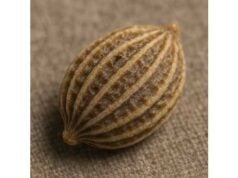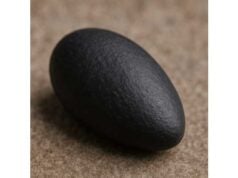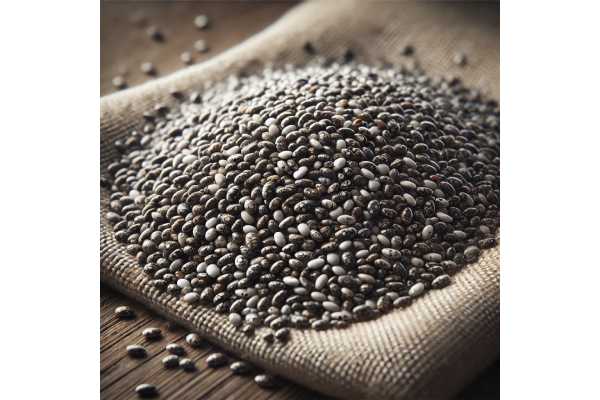
Chia seeds (Salvia hispanica) pack impressive nutrition into tiny, neutral-tasting seeds you can sprinkle into everyday meals. They are naturally rich in fiber, plant protein, and alpha-linolenic acid (ALA), a plant omega-3 fat. When hydrated, chia forms a gel that thickens puddings and smoothies and can replace eggs in baking. In savory cooking, the mild flavor works in breading, veggie burgers, and grain bowls. Beyond convenience, chia provides notable amounts of calcium, magnesium, and phosphorus—minerals that support bone and muscle function. Early research links regular intake with modest improvements in blood pressure and waist circumference. Still, “more” is not always better: very high intakes may cause digestive discomfort, and people with swallowing issues should avoid eating dry seeds. This guide explains how chia works in your body, what a realistic portion looks like, how to buy and store it well, and simple ways to prepare it while preserving nutrients.
Top Highlights
- Provides fiber, ALA omega-3, and key minerals that support heart, gut, and bone health.
- Small but consistent evidence suggests modest reductions in blood pressure and waist size.
- Typical portion is 1–2 tablespoons (12–28 g), up to several times per week.
- Eat soaked or in moist recipes; avoid dry seeds if you have swallowing or esophageal issues.
- People on blood pressure drugs, blood thinners, or with seed allergies should use caution.
Table of Contents
- Chia seeds in detail
- Chia nutrition profile
- Chia proven benefits
- Risks, allergies and interactions
- Selecting, quality and storage
- Preparation and nutrient retention
- Portions, comparisons and FAQs
Chia seeds in detail
Chia seeds come from Salvia hispanica, a flowering plant in the mint family native to Mexico and now cultivated across the Americas, Australia, and parts of Asia. The seeds are oval, speckled black or white, and hydrophilic: in liquid they absorb many times their weight and develop a mucilage (gel) composed of soluble fiber and specialized polysaccharides. That gel is the secret behind chia puddings, overnight oats, and the seed’s reputation for steady energy—soluble fiber slows gastric emptying and attenuates post-meal glucose spikes.
Nutritionally, chia stands out for three traits. First, it provides a concentrated dose of dietary fiber, including both insoluble fiber (bulks stool) and soluble fiber (forms gel, feeds gut microbes). Second, it is a leading plant source of alpha-linolenic acid (ALA), the essential omega-3 fatty acid that your body can convert—inefficiently—into EPA and DHA. Third, chia offers a mineral package that is unusual among seeds: notable calcium alongside magnesium, phosphorus, and manganese, all relevant to skeletal and metabolic health.
Culinarily, chia is close to flavor-invisible. Unlike sesame or cumin, it adds more texture than taste, which makes it easy to use without changing a recipe’s core profile. It disappears into yogurt and smoothies, adds structure to meatless burgers, binds baked goods, and thickens sauces without eggs, gluten, or heat. Because the seeds are small and hard when dry, they also contribute a gentle crunch when sprinkled over salads or roasted vegetables.
In the wellness world, chia often gets branded a “superfood.” A more helpful frame is “nutrient-dense staple”: a small serving contributes fiber and minerals you might otherwise miss, and swapping it in for less nutritious ingredients can improve meals over time. The evidence base is growing, with randomized trials and meta-analyses now focusing on outcomes such as blood pressure and central adiposity. Results are promising but modest, and they depend on the total diet pattern—not chia alone.
Finally, safety matters. The same gel-forming property that makes chia a great thickener can be risky if dry seeds are swallowed and then rapidly expand in the esophagus. Soak or incorporate them into moist foods, and introduce them gradually if your current fiber intake is low. People with seed allergies or particular medical conditions should review the safety section below.
Chia nutrition profile
All values per 100 g of dry chia seeds; % Daily Value (%DV) uses adult DVs. Amounts vary by cultivar and analysis; treat as approximate.
Macros and electrolytes
| Nutrient | Amount (per 100 g) | %DV |
|---|---|---|
| Energy | 486 kcal | — |
| Water | ~6 g | — |
| Protein | 16.5 g | — |
| Total fat | 30.7 g | — |
| Carbohydrate | 42.1 g | — |
| Dietary fiber | 34.4 g | — |
| Total sugars | 0–1 g | — |
| Sodium | 16 mg | 1% |
| Potassium | 407 mg | 9% |
Fats and fatty acids
| Fatty acids | Amount (per 100 g) | Notes |
|---|---|---|
| Saturated fat | ~3.3 g | Mostly palmitic, stearic |
| Monounsaturated fat | ~2.1 g | Mainly oleic acid |
| Polyunsaturated fat | ~23.7 g | Predominantly omega-3 and omega-6 |
| Omega-3 ALA (α-linolenic acid) | ~17.8 g | Essential; plant omega-3 |
| Omega-6 LA (linoleic acid) | ~5.9 g | Essential; balance with ALA |
Protein and amino acids
| Component | Amount (per 100 g) | Context |
|---|---|---|
| Protein | 16.5 g | Complement with legumes/grains for lysine/methionine balance |
| Notable amino acids | variable | Contains all essential amino acids in modest amounts |
Vitamins
| Vitamin | Amount (per 100 g) | %DV |
|---|---|---|
| Thiamin (B1) | 0.62 mg | 52% |
| Riboflavin (B2) | 0.17 mg | 13% |
| Niacin (B3) | 8.8 mg | 55% |
| Folate (DFE) | 49 µg | 12% |
| Vitamin E (alpha-tocopherol) | ~0.5 mg | 3% |
Minerals
| Mineral | Amount (per 100 g) | %DV |
|---|---|---|
| Calcium | 631 mg | 49% |
| Iron | 7.7 mg | 43% |
| Magnesium | 335 mg | 80% |
| Phosphorus | 860 mg | 69% |
| Zinc | 4.6 mg | 42% |
| Manganese | 2.7 mg | 117% |
| Copper | ~0.93 mg | 103% |
| Selenium | ~55 µg | 100% |
Bioactives and other components
- Polyphenols and antioxidants: chlorogenic and caffeic acids, myricetin, quercetin, kaempferol (quantities vary by source and processing).
- Mucilage (soluble fiber): forms a gel that slows digestion and improves stool consistency.
- Phytates (phytic acid): naturally present; soaking/sprouting can reduce levels slightly.
Glycemic and acid–base metrics
- Glycemic impact: typically low when chia is soaked or eaten within mixed meals, due to high soluble fiber.
- Acid–base (PRAL): near neutral to slightly acid-forming; overall impact depends on the entire meal.
Footnote on fortification and additives
Plain chia seeds are not fortified. Commercial products (e.g., chia drinks, bars) may include sugars, acids, preservatives, or added vitamins—check labels if you rely on those items for nutrients.
Chia proven benefits
Cardiometabolic markers
Recent meta-analyses of randomized controlled trials report small but statistically significant reductions in systolic and diastolic blood pressure among adults consuming chia seeds or chia-based products for several weeks. The average effect is modest (on the order of a few mmHg) and more evident in people with elevated blood pressure at baseline. Central adiposity may also decrease slightly, with reductions in waist circumference even when body weight does not change. Lipid outcomes remain mixed: some trials show lower triglycerides or improved HDL, while others show no meaningful difference. When benefits appear, they likely reflect the combined actions of viscous fiber (improved satiety and glycemic control), ALA intake (supporting favorable lipid metabolism), and displacement of refined ingredients in the diet.
Gut function and satiety
Chia’s soluble fiber hydrates to a gel, which can slow carbohydrate absorption and flatten post-meal glucose curves in mixed meals. Insoluble fractions add bulk and speed colonic transit. Many people notice improved stool consistency and easier bowel movements when they add 1–2 tablespoons to meals and fluids. Because the hydrated gel expands in volume, chia can increase perceived fullness and help some individuals reduce energy density of snacks or breakfasts.
Bone-relevant minerals
Chia’s mineral profile—especially calcium, magnesium, and phosphorus—supports structural bone health, muscle contraction, and energy metabolism. While seeds won’t replace dairy or calcium-rich greens wholesale, they help fill gaps in plant-forward or dairy-limited diets and contribute to meeting daily targets.
Plant omega-3 intake
A typical 15–30 g serving supplies several grams of ALA, the essential omega-3. Although conversion of ALA to EPA and DHA is limited in humans, regular ALA intake is still associated with heart-protective patterns. For people who do not eat fish, chia can be part of a strategy—alongside walnuts, flax, and canola oil—to meet ALA needs, while algal EPA/DHA supplements cover long-chain omega-3s if indicated.
Weight management support
Chia is not a weight-loss food on its own, but it can assist behaviorally. Adding hydrated seeds to breakfasts and snacks increases viscosity and volume without adding sugar, which may help reduce subsequent intake. In trials, weight effects are inconsistent; when favorable, they are small and driven by satiety and overall dietary changes rather than a unique “fat-burning” mechanism.
Culinary versatility that enables healthier swaps
Replacing part of refined flour with ground chia or using a “chia egg” reduces refined carbohydrate load and increases fiber. Smoothies thickened with chia can use less added sweetener. These small, repeated substitutions are practical levers for long-term cardiometabolic health.
Bottom line
Expect incremental, diet-pattern-dependent benefits: better fiber intake, steady ALA, helpful minerals, and—especially in higher-risk groups—modest improvements in blood pressure and central adiposity. Combine chia with a varied, minimally processed eating pattern for meaningful results.
Risks, allergies and interactions
Choking and impaction risk
Dry chia seeds rapidly swell when exposed to liquid. Swallowing them dry and then drinking fluid can cause the seeds to expand in the esophagus and form a plug. People with dysphagia, strictures, or eosinophilic esophagitis should avoid dry chia entirely. For everyone else, soak seeds first or mix them into moist foods (yogurt, oatmeal, smoothies, batters) so they hydrate before ingestion.
Digestive tolerance and fiber load
A sudden jump in fiber can trigger gas, bloating, or changes in stool. Introduce chia gradually (start with 1 teaspoon to 1 tablespoon per day), spread intake across meals, and drink adequate fluids. If you follow a low-FODMAP or strict therapeutic diet, test tolerance at small doses.
Allergy potential and cross-reactivity
Chia allergy is uncommon but documented, ranging from oral itching to generalized reactions. People with known seed allergies—especially sesame, mustard, and tree nuts—should approach with caution and discuss with an allergist if there is a history of severe reactions. When trying for the first time, use a small amount in a familiar setting.
Medication and condition considerations
- Blood pressure medications: Because chia can modestly lower blood pressure, monitor if you are on antihypertensives.
- Anticoagulants/antiplatelets: ALA is not a direct anticoagulant, but high-fiber diets and omega-3–rich patterns can influence bleeding risk in some contexts. Keep intake consistent and consult your clinician if you take warfarin or similar drugs.
- Diabetes medications: Fiber slows glucose absorption; monitor glucose when changing fiber intake.
- Mineral-restricted diets: Chia is relatively high in phosphorus and manganese; individuals with advanced kidney disease should confirm appropriate portions with their care team.
- Swallowing disorders: Use only fully hydrated seeds or avoid.
Contaminants and quality
As a dried seed, chia has low moisture and is shelf stable. However, like other seeds and grains, it can carry dust, fragments, or (rarely) microbial contamination from processing. Buy from reputable brands, store well, and discard any batches with off smells, flavors, or visible spoilage.
Pregnancy and breastfeeding
Chia can fit into balanced diets in pregnancy and lactation as a fiber and ALA source. As with all supplements or major diet changes, discuss with your healthcare provider, and avoid untested chia concentrates or extracts.
Selecting, quality and storage
What to look for at purchase
- Whole seeds: Choose uniform, clean seeds without dust or crushed fragments. Black and white seeds are nutritionally comparable; color is largely cosmetic.
- Organic vs conventional: Either can be high quality. Organic may reduce pesticide exposure in farming, but seed shells already provide a natural barrier.
- Ground vs whole: Ground chia (or chia “flour”) improves dispersibility and can enhance access to fats, but it oxidizes faster. Buy in smaller amounts and store cold.
- Partially defatted chia powders: These products retain fiber and protein with less oil, useful for baking and for people limiting fat. Texture differs from whole seeds; adjust liquids accordingly.
- Pre-mixed drinks or puddings: Check for added sugars, acids, or preservatives. If you rely on such products for convenience, rotate brands and read labels to keep added sugars reasonable.
Sustainability and sourcing
Chia is typically rain-fed and relatively drought-tolerant, and cultivation has expanded beyond historical regions. Supply chains often span the Americas. For lower transport impacts, prefer regional sources when available. Certifications (e.g., organic, fair trade) can reflect environmental or labor practices, but they are not definitive quality guarantees.
Storage and shelf life
- Whole seeds: Keep in an airtight container away from heat, light, and humidity. Pantry storage is fine; a cool cupboard extends shelf life to a year or more.
- Ground seeds and chia flour: Store refrigerated or frozen to slow oxidation; use within a few months.
- Rancidity check: Smell and taste a small pinch. Rancid chia smells like old oil and tastes bitter. Discard if in doubt.
- Hydrated chia: Refrigerate gels and puddings in clean containers; use within 3–4 days.
Food safety tips
Hydrate with potable water or pasteurized milk alternatives. When adding chia to batter or dough that will sit before baking (e.g., overnight bread), refrigerate to limit microbial growth. Use clean scoops to avoid cross-contamination.
Preparation and nutrient retention
Hydration basics
For a soft gel, combine 1 part chia with 6–8 parts liquid, stir, rest 10–20 minutes, then stir again. For pudding, use 1:4–1:5 with milk or a fortified plant drink and chill 2–4 hours for full thickening. In smoothies, add 1–2 teaspoons per serving; the drink thickens as it sits.
“Chia egg” binder
Mix 1 tablespoon ground chia with 3 tablespoons water; wait 10–15 minutes. Use this in quick breads, muffins, pancakes, and veggie burgers to add structure when eggs are reduced or omitted. Flavor shifts are minimal, but textures become moister and denser. For very light bakes (e.g., sponge cakes), use sparingly.
Grinding vs whole
Grinding may enhance the bioavailability of fats and some polyphenols by breaking the seed coat, similar to flax. The trade-off is faster oxidation. Grind just before use or store ground chia cold. In porridge or yogurt, whole seeds are fine; for delicate baked goods or sauces, ground chia integrates more smoothly.
Heat, oxidation, and oils
Chia oil (expressed from seeds) is extremely rich in ALA and sensitive to heat, light, and air. If you use chia oil, keep it refrigerated in opaque bottles and use cold (dressings, drizzles). Whole seeds shield their oils better during moderate-heat cooking and baking, but prolonged high heat still promotes oxidation. Use standard baking temperatures and avoid toasting chia for extended periods.
Soaking, sprouting, and anti-nutrients
Soaking reduces enzyme inhibitors and can modestly reduce phytic acid, potentially improving mineral absorption. Sprouting is less common with chia because the mucilage complicates rinsing, but when done hygienically it can increase certain antioxidants. Always use clean equipment and refrigerate promptly after hydration.
Smart pairings
- For calcium absorption: Combine chia with vitamin-D–fortified milks or dairy.
- For iron absorption: Add vitamin C–rich fruit to chia puddings or oats.
- For omega-3 balance: Use chia alongside other ALA sources and consider EPA/DHA from fish or algal supplements if recommended by your clinician.
Recipes that protect nutrients
- No-cook chia pudding: Mix with milk/yogurt, fruit, and nuts; chill.
- Overnight oats with chia: Oats, chia, milk, cinnamon; top with berries.
- Citrus-chia dressing: Whisk chia into lemon juice and olive oil; rest to thicken.
- Savory binder: Ground chia in bean patties to hold shape without eggs.
Portions, comparisons and FAQs
Recommended portions
- Start small: 1 teaspoon (≈3 g) daily for a few days to assess tolerance.
- Typical serving: 1 tablespoon (≈12 g) once or twice daily, or 2 tablespoons (≈24–28 g) a few times per week.
- Upper practical limit: Many people do well at up to 30–35 g/day split across meals, provided fluid intake is sufficient.
Who benefits most?
- People seeking to increase fiber without major recipe changes.
- Plant-forward eaters needing more ALA and minerals.
- Individuals targeting small improvements in blood pressure as part of a broader lifestyle plan.
Comparisons with similar seeds
- Flaxseed: Comparable ALA content and fiber; flax often has a stronger nutty flavor and contains lignans with potential hormonal effects. Flax must be ground for fat bioavailability; chia can be used whole in many recipes.
- Hemp seed: Higher protein and softer texture; provides more omega-6 than omega-3 and less fiber. Best for sprinkling on salads and smoothies; not gel-forming.
- Basil seeds (sabja): Also gel-forming and used in drinks; less research and different culinary traditions.
- Sesame and sunflower: Excellent for minerals and vitamin E respectively but lower in omega-3 and gel formation.
FAQs
Do I need to soak chia?
Soaking improves texture and reduces choking risk. It is strongly recommended for anyone with swallowing issues and is a good practice for most uses. Whole, unsoaked seeds can be fine when mixed into moist foods you chew thoroughly.
Will chia raise or lower my cholesterol?
Results vary. Some studies show small triglyceride reductions or HDL increases, but others show no change. Consistency and overall diet quality matter more than the seed alone.
Can chia replace fish oil?
Chia provides ALA, not EPA/DHA. If your healthcare provider recommends long-chain omega-3s, consider fish or an algal supplement; chia can support baseline ALA intake.
Is chia gluten-free?
Yes, chia is naturally gluten-free. Check labels on mixed products for cross-contact if you have celiac disease.
What about kids?
Small amounts are usually well tolerated when hydrated and mixed into familiar foods like yogurt. Always introduce gradually with adequate fluids and supervise to minimize choking risks.
Can I eat chia every day?
Yes, many people do. Rotate with other seeds and nuts for diversity, and keep portions sensible to maintain digestive comfort.
References
- The Effects of Chia Seed (Salvia hispanica L.) Consumption on Blood Pressure and Body Composition in Adults: A Systematic Review and Meta-analysis of Randomized Controlled Trials 2025 (Systematic Review)
- The Effect of Chia Seed on Blood Pressure, Body Weight, Body Composition and Glycemic Parameters: A Systematic Review and Meta-Analysis 2024 (Systematic Review)
- Safety of the extension of use of partially defatted chia seed (Salvia hispanica L.) powder with high fibre content as a Novel Food 2023 (Guideline)
- Chia (Salvia hispanica L.), a functional ‘superfood’ 2024 (Systematic Review)
- Watch it grow: Esophageal impaction with chia seeds 2017 (Case Report)
Disclaimer
This article provides general nutrition and health information about chia seeds and is not a substitute for personalized medical advice, diagnosis, or treatment. Always consult a qualified healthcare professional about your specific health needs, medications, and allergies before making dietary changes or using chia to address a medical condition. If you experience difficulty swallowing, food allergy symptoms, or digestive distress, seek medical care promptly.
If you found this guide useful, please consider sharing it on Facebook, X (formerly Twitter), or any platform you prefer. Your support helps us continue creating practical, evidence-based articles.