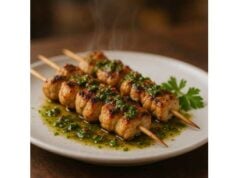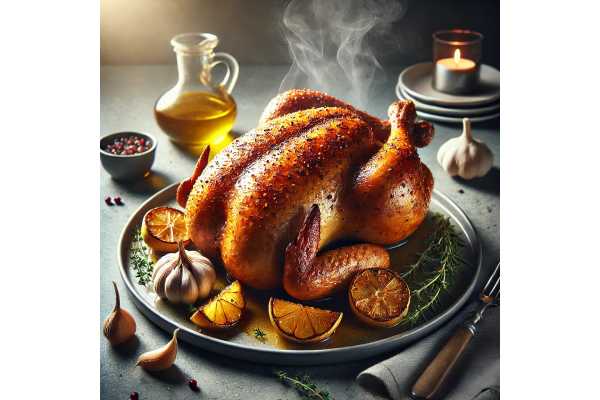
Chicken is one of the most versatile proteins in the kitchen and one of the most studied in nutrition science. Lean cuts such as skinless breast deliver high-quality protein with minimal saturated fat, while thighs and drumsticks provide richer flavor and more iron and zinc. Because chicken adapts to almost any cuisine—from quick stir-fries and soups to slow braises and roasting—it’s an easy anchor for balanced meals. Nutritionally, chicken supplies essential amino acids for muscle maintenance, niacin (vitamin B3) and vitamin B6 for energy metabolism, and selenium for antioxidant defenses. It’s naturally low in carbohydrates and, when prepared with the skin removed and modest added fat, fits well into heart-conscious and weight-management eating patterns. Safe handling and doneness matter: poultry must be cooked to an internal temperature of 165°F (74°C). This guide brings together practical buying and prep advice with an evidence-based look at health effects, nutrition tables per 100 g, and clear safety guidance so you can enjoy chicken confidently and often.
Essential Insights
- Lean chicken (skinless breast) provides ≈31 g protein per 100 g with relatively little saturated fat.
- Cook chicken to 165°F (74°C) and avoid washing raw chicken to reduce cross-contamination.
- Typical serving: 85–120 g cooked (3–4 oz), eaten 2–4 times weekly within a varied diet.
- People with poultry allergy, on strict sodium limits (processed deli chicken), or with advanced kidney disease may need to limit or avoid.
Table of Contents
- Chicken: Detailed Overview
- Chicken Nutrition Profile (per 100 g)
- Evidence-Based Health Benefits of Chicken
- Chicken Risks, Allergies and Interactions
- Selecting, Quality, Sustainability and Storage
- Preparation, Cooking and Nutrient Retention
- Portions, Comparisons and FAQs
Chicken: Detailed Overview
Chicken refers primarily to the meat of domesticated broilers, valued for a mild flavor, short cooking times, and wide availability as fresh, frozen, and ready-to-eat products. Cuts vary in nutrition and culinary behavior. Skinless breast is very lean and cooks quickly; thighs and drumsticks are richer and stay juicy with longer cooking. Whole birds, spatchcocked birds, wings, and ground chicken round out a category that can be roasted, grilled, sautéed, poached, pressure-cooked, or simmered in soups and stews.
When people choose chicken, they often have two priorities: a reliable source of protein and a way to lower saturated fat compared with many red meats. Lean chicken contributes little saturated fat per serving, especially with skin removed and cooking methods that minimize added oils. It’s also a practical vehicle for vegetables, whole grains, legumes, and spices: think sheet-pan chicken with root vegetables, chicken-and-barley soup, or a stir-fry with brown rice and broccoli.
Flavor comes from fat, connective tissue, and browning. Thighs and drumsticks contain more myoglobin and fat than breast meat, yielding a deeper taste. Bone-in cooking adds savor through marrow and collagen; low-and-slow methods convert collagen into gelatin, improving succulence. Skin can be left on for roasting then removed to reduce fat at the table, retaining moisture without consuming all of the rendered fat.
Quality and safety are inseparable. Use a food thermometer and keep raw juices away from produce and ready-to-eat foods. Avoid washing raw chicken; rinsing splashes bacteria and raises cross-contamination risk. Thaw safely in the refrigerator, in cold water changed every 30 minutes, or in a microwave followed by immediate cooking. Refrigerate leftovers within two hours (one hour if ambient temperature is high).
From a sustainability angle, chicken generally has a lower greenhouse-gas footprint per gram of protein than many ruminant meats, though impacts vary with farming practices and feed. Responsible purchasing—choosing birds from producers that prioritize animal welfare and antibiotic stewardship—supports better systems.
In short, chicken is a nutrient-dense, adaptable protein that fits many health and culinary goals when you pick the right cut, cook to 165°F (74°C), and build plates with plants and whole grains for balance.
Chicken Nutrition Profile (per 100 g)
Reference item for tables: cooked, roasted, skinless, boneless chicken breast (no added fat). Values are typical; actual numbers vary by cut, cooking method, and brand.
Daily Values (DV): Protein 50 g; Total Fat 78 g; Saturated Fat 20 g; Carbohydrate 275 g; Sodium 2,300 mg; Potassium 4,700 mg; Calcium 1,300 mg; Iron 18 mg; Zinc 11 mg; Magnesium 420 mg; Phosphorus 1,250 mg; Selenium 55 µg; Niacin (B3) 16 mg; Vitamin B6 1.7 mg; Vitamin B12 2.4 µg; Riboflavin (B2) 1.3 mg; Thiamin (B1) 1.2 mg; Pantothenic acid (B5) 5 mg; Choline 550 mg.
Macros & Electrolytes (per 100 g)
| Nutrient | Amount | %DV |
|---|---|---|
| Energy | 165 kcal | — |
| Protein | 31.0 g | 62% |
| Total Fat | 3.6 g | 5% |
| Saturated Fat | 1.0 g | 5% |
| Carbohydrate | 0.0 g | 0% |
| Fiber | 0.0 g | — |
| Sugars | 0.0 g | — |
| Sodium | 74 mg | 3% |
| Potassium | 256 mg | 5% |
| Cholesterol | 85 mg | — |
| Water | ~65–70 g | — |
Fats & Fatty Acids
| Component | Amount | Notes |
|---|---|---|
| Monounsaturated fatty acids | ~1.2 g | Primarily oleic acid |
| Polyunsaturated fatty acids | ~0.8 g | Includes linoleic (n-6) and small amounts of n-3 |
| Trans fat | 0 g | Naturally negligible in lean poultry |
| Omega-6:Omega-3 ratio | ~7–10:1 | Varies with feed |
Protein & Amino Acids (selected essentials)
| Amino Acid | Amount (g) |
|---|---|
| Leucine | ~2.3 |
| Lysine | ~2.6 |
| Isoleucine | ~1.4 |
| Valine | ~1.5 |
| Threonine | ~1.4 |
| Phenylalanine | ~1.2 |
| Tryptophan | ~0.3 |
| Histidine | ~1.0 |
| Methionine + Cysteine | ~1.3 |
Vitamins
| Vitamin | Amount | %DV |
|---|---|---|
| Niacin (B3) | 13.4 mg | 84% |
| Vitamin B6 | 0.6 mg | 35% |
| Vitamin B12 | 0.31 µg | 13% |
| Riboflavin (B2) | 0.10 mg | 8% |
| Thiamin (B1) | 0.06 mg | 5% |
| Pantothenic acid (B5) | 1.0 mg | 20% |
| Choline | ~85 mg | 15% |
| Vitamin E (alpha-tocopherol) | 0.3 mg | 2% |
| Vitamin A | 6 µg RAE | <1% |
| Vitamin K | 0.3 µg | <1% |
Minerals
| Mineral | Amount | %DV |
|---|---|---|
| Phosphorus | 223 mg | 18% |
| Selenium | 31.9 µg | 58% |
| Zinc | 1.0 mg | 9% |
| Iron | 0.9 mg | 5% |
| Magnesium | 29 mg | 7% |
| Potassium | 256 mg | 5% |
| Calcium | 11 mg | <1% |
| Copper | 0.04 mg | 4% |
Allergens & Intolerance Markers
- True poultry meat allergy is uncommon but documented; cross-reactivity may occur in “bird-egg syndrome” (sensitivity to avian proteins).
- Chicken is not a source of alpha-gal (the mammalian carbohydrate implicated in tick-borne red-meat allergy); most people with alpha-gal tolerate poultry.
- Processed chicken products can contain added sodium, phosphates, and flavorings that may trigger sensitivities.
Contaminants/Residues & Processing Notes
- Processed or injected products may contain >400–1,000 mg sodium per 100 g; check labels.
- Skin and dark meat carry more fat and fat-soluble flavors; nutrient density is still high but calorie content increases.
Footnote: Values reflect unfortified, cooked chicken without skin. Processing, brining, breading, or frying substantially alter fat, sodium, and calorie values.
Evidence-Based Health Benefits of Chicken
High-quality protein for muscle and recovery. Chicken provides a complete amino-acid profile, supporting muscle protein synthesis, tissue repair, and enzyme and hormone production. A 100 g cooked portion of skinless breast delivers ~31 g protein—over half the daily value in a lean package. For active adults, pairing chicken with a carbohydrate (rice, whole-grain bread, potatoes, fruit) can improve post-exercise glycogen replenishment and amplify net muscle protein balance.
Cardiometabolic support when lean and unprocessed. Research syntheses examining poultry intake indicate that lean, unprocessed chicken tends to show neutral to favorable associations with cardiovascular risk factors when it replaces higher-saturated-fat meats within overall healthy dietary patterns. Observational data suggest poultry intake is often neutral for ischemic heart disease risk; short-term feeding trials show that swapping fatty red meats for lean poultry in calorie-controlled menus can help reduce LDL cholesterol and triglycerides in some individuals. These benefits hinge on the cooking method (baking, grilling, poaching rather than deep-frying) and on the broader diet (vegetables, legumes, whole grains, nuts).
Weight-management practicality. Protein is satiating. Meals centered on lean chicken commonly increase fullness compared with lower-protein meals of equal calories, which can help with calorie control. Because chicken adapts to many cuisines, it’s easier to maintain variety while holding calories steady—think fajita chicken with peppers and onions, Mediterranean bowls with tomato-cucumber salad, or chicken-vegetable soups.
Micronutrient advantages. Chicken is notable for niacin (B3) and vitamin B6, nutrients central to energy metabolism, and selenium, an antioxidant cofactor. Dark meat adds more zinc and iron than breast. While poultry is not a rich source of omega-3, it’s lower in saturated fat than many red meats. Choosing skinless cuts and trimming visible fat further improves the fat profile.
Glycemic control in mixed meals. Adding lean chicken to high-carbohydrate dishes can blunt post-meal glucose spikes by slowing gastric emptying and providing an insulin-stimulating amino-acid mix. This effect is most pronounced when meals also include fiber from vegetables and whole grains, and when frying isn’t used.
Digestive tolerance and special diets. Chicken is naturally free of lactose and gluten and fits into many medically directed plans (soft, low-residue, or low-fat phases) after procedures or during recovery, assuming appropriate textures and seasonings.
What these benefits depend on. The health impact of chicken is not one-size-fits-all. Processed forms (breaded nuggets, deli slices, injected “enhanced” products) often increase sodium and additives, which can offset benefits. High-heat charring creates heterocyclic amines and polycyclic aromatic hydrocarbons; moderate heat and moisture help minimize these compounds. Finally, chicken is only as healthful as the meal around it—pairing with vegetables, whole grains, pulses, and healthy fats delivers the biggest advantages.
Chicken Risks, Allergies and Interactions
Foodborne illness risk. Raw poultry can harbor Salmonella, Campylobacter, and Clostridium perfringens. Preventive basics: keep raw chicken separate from ready-to-eat foods, use dedicated cutting boards, wash hands and utensils with hot soapy water, and refrigerate promptly. The single most important control point is temperature: cook all chicken (whole birds, parts, and ground) to a verified internal temperature of 165°F (74°C), measured in the thickest portion. Color is not a reliable indicator of doneness.
Do not wash raw chicken. Rinsing spreads microbes via splashes to sinks, counters, and nearby foods. Instead, pat dry with paper towels if needed and sanitize surfaces after contact with raw juices. If you choose to rinse against best practice (for example due to recipe habit), run water gently and then disinfect the sink and surrounding area thoroughly.
High-risk groups. Pregnant people, adults over 65, young children, and those with weakened immune systems should be especially careful: avoid undercooked chicken and raw chicken liver preparations, reheat leftovers to 165°F (74°C), and refrigerate within two hours (one hour in hot environments).
Allergy considerations. Poultry meat allergy exists but is rare. A small group of individuals sensitized to bird proteins may also react to eggs (bird-egg syndrome). Symptoms can include hives, wheezing, or gastrointestinal distress. Anyone with suspected reactions should see an allergist for testing and specific guidance. People with alpha-gal syndrome (a mammalian-meat carbohydrate allergy) generally tolerate poultry since alpha-gal is not present in birds.
Sodium and additives. Some chicken products are brined, injected (“enhanced”), or processed (deli meat, nuggets). These can raise sodium to several hundred milligrams per 100 g and may include phosphates. Those managing hypertension, heart failure, kidney disease, or phosphate balance should choose fresh, unenhanced cuts and review labels.
Medication and condition notes.
- Anticoagulants/antiplatelets: The concern is not chicken itself but high-vitamin K foods; standard chicken portions are low in vitamin K.
- Gout/hyperuricemia: Chicken has moderate purines; those with frequent flares may benefit from portion control and preparation methods that reduce fat and added fructose, and from overall dietary patterns rich in vegetables, low-fat dairy, and whole grains.
- Chronic kidney disease: Protein needs are individualized. People with advanced CKD should follow clinician-directed protein and phosphorus targets; lean chicken can fit, but amounts may be limited.
Leftovers and reheating. Cool quickly (shallow containers), refrigerate within two hours, and eat or freeze within 3–4 days. Reheat to 165°F (74°C). Discard if in the 40–140°F (4–60°C) “danger zone” longer than two hours.
Selecting, Quality, Sustainability and Storage
Choosing cuts that match your goals.
- Leanest options: Skinless breasts and tenderloins—best for high-protein, lower-calorie meals.
- Richer, juicier options: Thighs and drumsticks—higher in fat, iron, and zinc; forgiving for braises and grilling.
- Whole birds: Offer versatility, lower cost per pound, and bones for stock.
- Ground chicken: Look for “breast” or “93–99% lean” if minimizing fat; darker grinds are tasty for burgers and meatballs.
Label literacy.
- “Enhanced” or “Solution added” means brine or flavoring has been injected; expect more sodium and water weight.
- “Air-chilled” vs. “water-chilled” relates to processing; air-chilled birds may have crisper skin when roasted and typically absorb less water.
- “No antibiotics ever” signals production without medically important antibiotics; “raised without antibiotics” is similar.
- Organic standards ensure organic feed and certain welfare rules; this does not guarantee better nutrition but can align with personal values.
- Free-range or pasture-raised speak to outdoor access; meanings vary by certification.
Freshness and quality cues.
- Flesh should look moist but not slimy, with a clean smell.
- Packaging should be cold and intact with no tears or significant purge.
- For frozen products, avoid heavy frost or ice crystals (signs of thaw-refreeze cycles).
Sustainability considerations.
- Relative to many ruminant meats, chicken generally has a lower greenhouse-gas footprint per gram of protein.
- Choosing producers that prioritize feed efficiency, responsible manure management, and animal welfare can further reduce impacts.
- Reduce waste with nose-to-tail home use: roast bones for stock, render skin for cooking fat if desired, and plan multiple meals from whole birds.
Storage and food safety.
- Refrigerator (≤40°F/4°C): Fresh chicken 1–2 days; cooked chicken 3–4 days. Store raw items on the bottom shelf in leak-proof packaging.
- Freezer (0°F/-18°C): Raw parts up to 9 months; whole birds up to 1 year; cooked chicken 2–6 months for best quality. Wrap tightly to prevent freezer burn.
- Thawing: In the refrigerator (safest), in cold water changed every 30 minutes (cook immediately), or in a microwave (cook immediately). Never thaw on the counter.
- Marinating: Keep refrigerated; discard used marinade or boil vigorously before reusing as a sauce.
Color, texture, and doneness.
- Cooked chicken may remain slightly pink near bones and still be safe if it reaches 165°F (74°C).
- Juices running clear can correlate with doneness but are not as reliable as a thermometer.
Preparation, Cooking and Nutrient Retention
Best practices that protect nutrients and flavor.
- Trim and portion smartly. Remove excess surface fat and any remaining skin if aiming for leaner meals. Butterfly thick breasts for even cooking or pound to uniform thickness to reduce overcooking.
- Brining for moisture. A light brine (e.g., 5–6% salt by weight) for 30–60 minutes helps retain juiciness. Rinse-free methods using measured brine and thorough pat-drying reduce mess; remember brining increases sodium in the meat.
- Dry brine (salt in advance). Salt 0.5–0.75% of meat weight and refrigerate uncovered for several hours or overnight to improve browning and moisture retention.
- Acidic marinades. Lemon, yogurt, or vinegar with herbs can tenderize and add antioxidants that limit heat-generated compounds; marinate in the fridge only.
Cooking methods and what they deliver.
- Roasting/baking: Even heat and dry surfaces for crisp skin; use a rack to prevent stewing. Start at moderate heat (375–425°F/190–220°C) and finish when the thickest part hits 165°F (74°C). Rest 5–10 minutes before slicing.
- Grilling/broiling: Bold flavor from Maillard browning. Reduce charring by trimming flare-up fat, pre-cooking thick pieces gently (oven or sous-vide) before searing, and using marinades with herbs, spices, and a bit of oil.
- Sautéing/stir-frying: Quick method for thin pieces and strips; keep pans hot, do not overcrowd, and finish with liquids (stock, citrus) to deglaze without excess fat.
- Poaching/steaming: Gentle heat keeps breast meat tender for salads and sandwiches; retain broth for soups or grains to capture minerals and flavor.
- Pressure cooking/slow cooking: Collagen-rich cuts (thighs, drumsticks) become tender; avoid overcooking breast which can become stringy.
Nutrient retention tips.
- Temperature control: Overcooking increases moisture loss and can degrade heat-sensitive vitamins like B6. Cooking precisely to 165°F (74°C) preserves juiciness and nutrients.
- Moist methods preserve more vitamins. Poaching or stewing retains B-vitamins better than very high-heat, very dry methods; if you stew, serve the cooking liquid.
- Antioxidant pairings: Herbs (rosemary, thyme, oregano), garlic, citrus, and colorful vegetables add polyphenols that counteract some heat-generated compounds and improve overall meal quality.
- Healthy fats: For sautéing or roasting, choose oils with suitable smoke points and favorable fatty-acid profiles (e.g., olive or avocado oil). Use only what you need.
Food safety during prep.
- Keep raw chicken below ready-to-eat items in the fridge; designate a raw-protein cutting board.
- Avoid washing raw chicken; reach for paper towels and sanitizer instead.
- Sanitize sinks and counters after prep; wash hands for 20 seconds with soap and warm water.
Make-ahead strategies.
- Batch-cook plain, lightly seasoned chicken and portion into airtight containers for 3–4 days’ worth of meals.
- Freeze cooked cubes or shreds in 1-cup portions; label with date.
- Build “freezer kits” (marinated raw thighs plus pre-chopped vegetables) to cook straight from frozen in sheet-pan or skillet meals.
Portions, Comparisons and FAQs
How much is a portion? A practical cooked portion for most adults is 85–120 g (3–4 oz), roughly a deck of cards to a smartphone in footprint depending on thickness. For children, scale to appetite and energy needs. Active individuals may choose 120–170 g (4–6 oz) cooked in meals built around vegetables and whole grains.
How often should I eat chicken? Within a varied diet, 2–4 chicken-based meals per week is a common pattern that balances protein variety (fish, legumes, eggs, dairy, lean red meat) with culinary interest. Focus on unprocessed or minimally processed preparations most of the time; reserve fried and heavily processed chicken for occasional meals.
Breast vs. thigh—what’s the difference?
- Breast: Leaner, slightly higher in niacin and B6; cooks quickly and can dry out if overcooked.
- Thigh: Higher in fat, iron, and zinc; stays moist and is forgiving with longer cooking.
How does chicken compare to other proteins?
- Turkey breast: Very similar profile; often slightly leaner.
- Lean beef cuts: More iron, zinc, and B12; typically more saturated fat and calories per 100 g than skinless chicken breast.
- Fish: Lean white fish are lower in calories; fatty fish contribute omega-3s not present in meaningful amounts in chicken.
- Plant proteins (tofu, beans, lentils): Provide fiber and phytochemicals; protein per calorie varies. Combining plant and poultry proteins across the week covers amino-acid needs and broadens nutrient diversity.
Is rotisserie chicken healthy? It’s convenient and often flavorful, but sodium content can be high due to brines and seasonings. Removing skin trims fat; pair with high-potassium sides (greens, beans, roasted vegetables) to balance sodium effects.
Can pink chicken be safe? Yes—if the internal temperature in the thickest part reaches 165°F (74°C). Bones and myoglobin can tint meat pink even when fully cooked. A thermometer beats color every time.
Should I rinse chicken? No. Rinsing spreads germs onto sinks and nearby foods. Pat dry instead and sanitize surfaces after handling raw poultry.
What about leftovers? Cool quickly, refrigerate within two hours, and eat within 3–4 days. Reheat to 165°F (74°C).
Any concerns for gout? Chicken is moderate in purines. People with frequent gout attacks may benefit from smaller portions, choosing lean cuts, limiting alcohol and sugar-sweetened beverages, and emphasizing vegetables and low-fat dairy.
Who should limit chicken? Those with diagnosed poultry allergy; people following clinician-directed low-protein or low-phosphorus diets (advanced kidney disease); and anyone on strict sodium restriction should avoid injected/processed products and choose fresh, unenhanced cuts.
References
- Chicken and Food Poisoning | Food Safety | CDC 2024 (Guideline)
- Washing Chicken Spreads Germs | Food Safety | CDC 2024 (Guideline)
- Food Safety and Bird Flu | Bird Flu | CDC 2024 (Guideline)
- Poultry Consumption and Human Cardiometabolic Health-Related Outcomes: A Narrative Review 2023 (Narrative Review)
- Cook to a Safe Minimum Internal Temperature 2024 (Guideline)
Disclaimer
The information in this article is educational and is not a substitute for personalized medical advice, diagnosis, or treatment. Always consult a qualified health professional about your specific health needs, diet, and food safety concerns—especially if you are pregnant, immunocompromised, managing chronic disease, or have a suspected food allergy. If you think you have a foodborne illness, seek medical care promptly.
If you found this guide helpful, please consider sharing it with friends or colleagues on Facebook, X (formerly Twitter), or your favorite platform. Your support helps us continue creating clear, reliable nutrition resources.