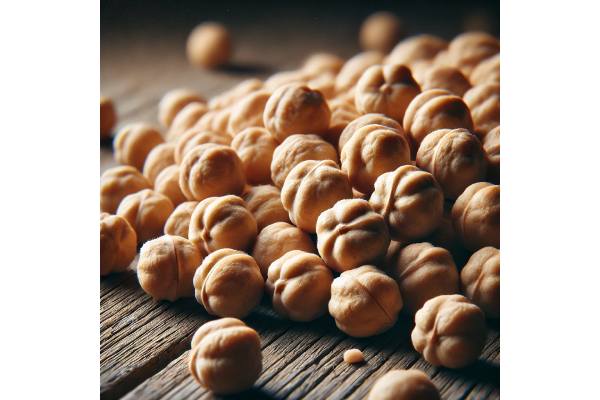
Chickpeas are a small seed with an outsized impact. As a versatile pulse, they supply steady energy from complex carbohydrates, meaningful protein for plant-forward diets, and a suite of minerals and B vitamins—especially folate. Their naturally low glycemic impact and abundant fiber make them a smart staple for heart and metabolic health. In the kitchen, chickpeas pull double duty: simmered in stews, blitzed into hummus, tossed onto salads, or roasted till crisp for a savory snack. Dried and canned options are both convenient, and global varieties (Kabuli and Desi) bring different textures and flavors. Beyond nutrition, chickpeas support sustainable food systems through nitrogen fixation, which helps build healthier soils. This guide distills the science and the practical know-how: detailed nutrition per 100 g, evidence-based benefits, who should be cautious, how to shop and store, and cooking methods that maximize taste and preserve nutrients—so you can use chickpeas confidently and well.
Fast Facts
- High fiber and low glycemic impact support heart and blood sugar health.
- Rinse canned chickpeas to cut added sodium; cook dried properly to improve digestibility.
- A typical portion is ~100 g cooked (about ½ cup), enjoyed 3–4 times per week as part of balanced meals.
- People with peanut or legume allergy, or advanced kidney disease needing potassium restriction, should seek personalized advice.
Table of Contents
- Chickpeas: what they are and why they matter
- Chickpeas nutrition: per 100 g breakdown
- Chickpea benefits supported by research
- Risks, allergies and who should be cautious
- Buying, quality checks, sustainability and storage
- Cooking chickpeas for taste and nutrition
- Portions, comparisons and common questions
Chickpeas: what they are and why they matter
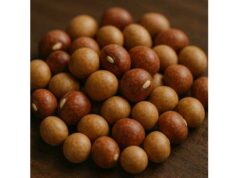
Chickpeas (also called garbanzo beans) are the edible seeds of Cicer arietinum, a cool-season legume cultivated for millennia across South Asia, the Mediterranean, and the Middle East. Two main market types reach our kitchens: pale, larger Kabuli chickpeas (classic for hummus) and smaller, darker, nutty Desi chickpeas (often split and sold as chana dal). While they differ slightly in seed coat and texture, both provide similar core nutrition once cooked.
Nutritionally, chickpeas are notable for three features. First, they offer slowly digested carbohydrates, abundant soluble and insoluble fiber, and resistant starch—components that temper post-meal blood sugar and nourish a diverse gut microbiome. Second, they deliver plant protein with a complementary amino acid profile to grains. Paired with rice, whole-wheat pita, or bulgur, chickpeas help you hit essential amino acid targets in mixed meals. Third, they provide key micronutrients that many diets lack: folate, iron, magnesium, potassium, and zinc. These nutrients support red blood cell formation, nerve and muscle function, and normal immune responses.
Culinarily, chickpeas are unusually flexible. They hold shape in slow simmered dishes (think chana masala, stews, and tagines), purée seamlessly into spreads and soups, and crisp beautifully when roasted or pan-fried. Their neutral, gently nutty taste takes well to spices (cumin, coriander, paprika, turmeric), bright acids (lemon, vinegar), and creamy partners (tahini, yogurt, olive oil). Canned chickpeas add near-instant protein to weeknight meals; dried chickpeas trade convenience for control over texture and sodium. Aquafaba—the viscous liquid from cooked or canned chickpeas—can even be whipped as a vegan foam for meringues or cocktails.
From a systems view, chickpeas also matter to the planet. Like other pulses, they fix atmospheric nitrogen through symbiosis with root bacteria, decreasing fertilizer needs and supporting soil health. Farmers use chickpeas in rotations to break pest cycles and to improve organic matter—benefits that ripple beyond a single crop. When you choose chickpeas regularly, you are opting for a food that aligns health, affordability, and sustainability.
Use this section as context; the next sections quantify nutrients per 100 g, summarize high-quality research on health outcomes, outline safety considerations, and share practical tips to buy, store, cook, and portion chickpeas for day-to-day life.
Chickpeas nutrition: per 100 g breakdown
Below is a per-100-gram snapshot for cooked, boiled chickpeas (no salt added)—the most common way people eat them at home. Values are rounded to sensible precision and paired with % Daily Value where an official DV exists for adults and children 4+ years.
Macros and electrolytes (per 100 g cooked)
| Nutrient | Amount | %DV |
|---|---|---|
| Energy | 164 kcal | — |
| Carbohydrate | 27.4 g | 10% |
| Dietary fiber | 7.6 g | 27% |
| Total sugars | 4.8 g | — |
| Protein | 8.9 g | 18% (50 g DV) |
| Total fat | 2.6 g | 3% |
| Saturated fat | 0.27 g | 1% |
| Sodium | 7 mg | 0% |
| Potassium | 291 mg | 6% |
Carbohydrates
| Component | Amount |
|---|---|
| Starch | ~19.8 g |
| Resistant starch and oligosaccharides | present (prebiotic) |
Fats and fatty acids
| Component | Amount |
|---|---|
| Monounsaturated fat | ~0.6 g |
| Polyunsaturated fat (mostly omega-6) | ~1.2 g |
| Alpha-linolenic acid (omega-3) | trace |
Protein and amino acids (highlights)
| Component | Amount |
|---|---|
| Protein | 8.9 g |
| Limiting amino acid in chickpeas | Methionine (complement with grains, nuts, or seeds) |
Vitamins
| Vitamin | Amount | %DV |
|---|---|---|
| Folate (DFE) | 172 µg | 43% |
| Thiamin (B1) | 0.14 mg | 12% |
| Vitamin B6 | 0.14 mg | 8% |
| Choline | 43 mg | 8% |
| Vitamin E | 0.4 mg | 3% |
| Vitamin K | 4 µg | 3% |
Minerals
| Mineral | Amount | %DV |
|---|---|---|
| Iron | 2.9 mg | 16% |
| Magnesium | 48 mg | 11% |
| Phosphorus | 168 mg | 13% |
| Zinc | 1.5 mg | 14% |
| Copper | 0.21 mg | 23% |
| Manganese | 1.0 mg | 45% |
| Calcium | 49 mg | 4% |
| Selenium | 5 µg | 9% |
Allergens and intolerance markers
- FODMAPs: Chickpeas contain galacto-oligosaccharides (GOS); smaller portions are usually better tolerated by people with irritable bowel syndrome during elimination phases.
- Lectins, phytic acid, tannins, trypsin inhibitors: These natural compounds decrease with soaking, sprouting, and proper cooking.
Glycemic and acid–base
- Glycemic profile: Low to moderate glycemic impact in mixed meals due to fiber, resistant starch, and protein.
- PRAL (acid–base): Slightly acid-forming per typical estimates for cooked pulses.
Notes: Canned chickpeas may have added sodium or calcium chloride—check labels. Rinsing canned chickpeas further reduces sodium carried in the brine.
Chickpea benefits supported by research
Metabolic health and blood sugar. Diets that include pulses—chickpeas, lentils, beans, and dry peas—consistently produce smaller post-meal glucose spikes compared with higher-glycemic staples. Controlled trials and meta-analyses indicate that, in adults with type 2 diabetes, regularly replacing more refined carbohydrates with pulses can lower fasting glucose and HbA1c modestly over several weeks, while also reducing post-meal insulin responses. For people without diabetes, the pattern is similar but smaller: steadier energy, prolonged satiety, and reduced snacking. The mechanisms are straightforward—viscous and fermentable fibers slow gastric emptying and carbohydrate absorption; resistant starch and oligosaccharides feed gut microbes that produce short-chain fatty acids (SCFAs), which help regulate glucose and appetite signaling.
Cardiovascular risk factors. One daily serving of pulses (about ¾–1 cup cooked) is linked with improvements in LDL cholesterol in randomized controlled trials. Chickpeas contribute soluble fiber and plant sterols, and, when they displace refined grains or red/processed meats, they help lower saturated fat intake. Blood pressure benefits also appear in pulse-rich eating patterns (e.g., Mediterranean-style, low-glycemic, or DASH-like diets), likely from combined effects of potassium, magnesium, arginine, fiber, and weight-friendly satiety.
Gut health and immunity. Chickpeas deliver prebiotic fibers—especially GOS—and resistant starch that select for beneficial taxa such as Bifidobacterium and Lactobacillus. Fermentation yields SCFAs (acetate, propionate, butyrate) that nourish colon cells, maintain barrier integrity, and modulate immune and inflammatory pathways. Early human and animal work suggests chickpea-enriched diets may increase microbial diversity, enhance mucosal barrier proteins, and reduce pro-inflammatory signaling. While the field is moving fast, the practical message is clear: regular chickpea intake can be one pillar of a microbiome-supportive diet.
Weight management and satiety. Chickpeas are nutrient-dense yet calorie-sensible; the combination of fiber, protein, and texture slows eating rate and promotes fullness. In real-world studies where chickpeas are added without strict calorie control, many participants spontaneously reduce intake of snacks and refined carbohydrates, supporting gradual, sustainable weight control.
Nutrient adequacy in plant-forward diets. For vegetarians, vegans, and omnivores leaning plant-forward, chickpeas help cover iron, zinc, folate, and choline while contributing protein. Pairing chickpeas with vitamin C-rich foods (lemon, peppers, tomatoes) boosts non-heme iron absorption. Using whole-grain or nut/seed pairings improves amino acid balance—e.g., hummus with whole-wheat pita, chickpea curry with brown rice, or chana dal with millet.
Everyday, actionable translation
- Swap ½–1 cup cooked chickpeas for refined grains at lunch to stabilize afternoon energy.
- Build a heart-smart bowl: leafy greens, roasted vegetables, 1 cup chickpeas, olive oil, and lemon.
- Use hummus as a savory spread instead of processed meat or cheese to trim saturated fat.
What to expect: In 6–8 weeks, many people see modest LDL decreases, steadier post-meal glucose, and improved regularity—especially when chickpeas replace high-glycemic or high-saturated-fat foods as part of an overall healthy pattern.
Risks, allergies and who should be cautious
Allergy and cross-reactivity. Chickpea allergy exists, though it is less common than peanut, soy, or lentil allergy in many regions. Because legumes share some homologous storage proteins, cross-sensitization can occur. Clinically, many people with peanut allergy do not react to all other legumes, but some do experience symptoms with peas, lentils, or chickpeas. If you have any legume allergy, discuss chickpeas with an allergist before trialing at home; supervised oral food challenges are the gold standard for diagnosis and for expanding safe options.
Digestive sensitivity (FODMAPs). Chickpeas contain galacto-oligosaccharides (GOS) that can ferment and cause gas, bloating, or cramps in susceptible individuals. Practical strategies: start with small portions (2–4 tablespoons cooked), rinse canned chickpeas well, and distribute servings across the week. Many people in symptom-remission phases tolerate modest amounts, especially when chickpeas are thoroughly cooked and combined with low-FODMAP foods.
Sodium and canned options. Standard canned chickpeas may carry added salt. Choosing “no-salt-added” or rinsing and draining before use helps cut sodium and improve flavor if you are mindful of blood pressure or fluid balance. To retain broth for recipes, cook dried chickpeas with minimal added salt or use reduced-sodium stock.
Minerals and anti-nutrients. Like other pulses, chickpeas contain phytic acid and polyphenols that can bind minerals and slightly reduce their absorption. This is more a consideration for people with marginal mineral intakes who rely heavily on unvaried plant foods. Soaking, sprouting, pressure cooking, and fermenting reduce these compounds and improve protein digestibility without meaningfully diminishing overall nutrition.
Potassium and kidney health. Chickpeas provide moderate potassium (~291 mg per 100 g cooked). If you have advanced chronic kidney disease or are on medications that limit potassium excretion, work with your renal dietitian to individualize portions and meal composition.
Drug–food interactions. Chickpeas are naturally low in vitamin K and do not typically interact with warfarin the way leafy greens can. As with any fiber-rich food, very large, sudden increases in intake could affect absorption of certain medications taken simultaneously; spacing doses and meals by a couple of hours is a simple precaution.
Food safety. Dried chickpeas need complete cooking to inactivate heat-labile lectins. Canned products are already cooked. Store cooked chickpeas and hummus refrigerated and follow standard food-safety timelines; discard if you notice off-odors, bloating cans, or spoilage.
Bottom line: For most people, chickpeas are safe, affordable, and beneficial. If you have allergies, digestive disorders, or kidney disease, personalize amounts, preparation, and frequency with your clinician or dietitian.
Buying, quality checks, sustainability and storage
Dried vs canned.
- Dried chickpeas are economical and let you control texture and sodium. Look for clean, intact seeds without signs of moisture or pests. Desi types are smaller and cook a bit firmer; Kabuli types are plumper and softer when cooked.
- Canned chickpeas are convenient and shelf-stable. Choose no-salt-added or reduced-sodium varieties. A quick rinse improves flavor and reduces brine carryover. If you plan to whip aquafaba, select cans labeled only with water and chickpeas (and perhaps a firming agent such as calcium chloride) for consistent foam.
Quality cues.
- Color and size: Uniform color and size cook more evenly; avoid shriveled or cracked seeds in dried bags.
- Aroma: Fresh dried chickpeas smell neutral to faintly nutty; stale stock can smell musty.
- Canned integrity: Reject dented, bulging, or leaking cans; ensure the lid seals are intact.
Sustainability profile.
Chickpeas support soil health by fixing atmospheric nitrogen, lowering fertilizer needs in rotations and enhancing biodiversity on farms. They generally have a smaller environmental footprint than animal proteins and many refined grain products, especially when grown in rain-fed systems. As a consumer, you can extend that impact by:
- Buying from regional growers when available to reduce transport emissions.
- Choosing dried beans in bulk or larger cans to minimize packaging per serving.
- Cooking larger batches and freezing portions to cut kitchen energy use.
Storage and shelf life.
- Dried: Store airtight in a cool, dark cupboard. For best texture and predictable cooking time, use within 12 months; older beans hydrate more slowly.
- Canned: Keep in a dry pantry away from heat. Use by the best-by date; contents are safe longer if the can is sound, but quality can decline.
- Cooked: Refrigerate cooked chickpeas in a covered container for 3–4 days. Freeze for 2–3 months; cool quickly, portion in flat bags or containers, and label with date.
- Aquafaba: Refrigerate for up to 1 week; freeze in ice-cube trays for later baking.
Budget tips. Buy dried chickpeas in bulk and cook a big pot on the weekend; freeze in 1-cup portions (about 170 g) for quick meals. If using canned, rotate between brands and watch for sales on no-salt-added options to keep sodium lower without sacrificing convenience.
Cooking chickpeas for taste and nutrition
Hydrating dried chickpeas.
- Standard soak: Rinse, remove debris, then soak in 3–4 volumes of water for 8–12 hours. Drain and rinse.
- Quick soak: Bring to a boil for 2 minutes, turn off heat, cover 1 hour, then drain and rinse.
Soaking shortens cooking time and helps leach out some oligosaccharides that can cause gas.
Cooking methods.
- Stovetop simmer: Cover soaked chickpeas with fresh water by a few centimeters, bring to a boil, then simmer 45–75 minutes until creamy inside. Skim foam if desired.
- Pressure cooker (stovetop or electric): After soaking, cook under pressure 10–20 minutes (model-dependent) with natural release. Pressure cooking generally yields the most even texture and can improve digestibility.
- Slow cooker: Use pre-soaked beans and ensure temperatures reach boiling for safety; cook 4–6 hours on high.
Flavor architecture.
- Aromatics: Add onion skins, garlic, bay, peppercorns, cumin, coriander, or a strip of lemon zest to the pot.
- Salt timing: Light salting during cooking promotes tender skins and seasoned interiors; if sodium is a concern, salt lightly and finish with acid (lemon, vinegar) and spices to amplify taste.
- Texture control: For hummus or creamy soups, overcook slightly or include baking soda (a pinch) in the pot for ultra-tender results; for salads and stews, cook to a firm-tender bite.
Nutrient retention and anti-nutrient reduction.
- Folate, B vitamins, and vitamin C are water-soluble and heat-sensitive; minimize nutrient loss by cooking in just enough water and reusing some cooking liquid in dishes.
- Soaking, sprouting, and cooking reduce phytate, tannins, trypsin inhibitors, and lectins, improving mineral bioavailability and protein digestibility. Pressure cooking and germination are particularly effective.
- Pairings that boost absorption: Serve chickpeas with vitamin C-rich foods to improve non-heme iron uptake (e.g., squeeze lemon over hummus, add tomatoes or peppers to stews). Include a drizzle of olive oil to enhance flavor and fat-soluble compound absorption.
Canned chickpeas—best practices.
- Rinse and drain to shed brine and reduce sodium without meaningful loss of fiber or protein.
- Save aquafaba for vegan baking or to enrich soups and stews; it thickens and emulsifies.
- Warm gently in olive oil with garlic and paprika for a quick side; or roast at 200°C (400°F) for 25–35 minutes until crisp.
Signature uses across cuisines.
- Middle Eastern: hummus, falafel, balila.
- South Asian: chana masala, chana dal, chaat.
- Mediterranean: pasta e ceci, stews with greens and lemon.
- Modern pantry: sheet-pan bowls, hearty salads, spiced snacks.
Cook creatively, but lean on the fundamentals above to keep nutrients high and textures satisfying.
Portions, comparisons and common questions
What is a smart serving size and frequency?
A practical everyday portion is ~100 g cooked (about ½ cup). Many people enjoy ½–1 cup in a meal without discomfort. Including chickpeas 3–4 times per week fits well within balanced dietary patterns; athletes, adolescents, and larger adults may choose more based on energy and protein needs.
How do chickpeas compare to other proteins?
- Chickpeas vs chicken (100 g cooked): Chickpeas supply 8.9 g protein plus fiber, potassium, and folate; chicken breast offers ~31 g protein but no fiber and minimal carbohydrates. Pairing chickpeas with grains or seeds improves amino acid balance while delivering fiber that animal proteins lack.
- Chickpeas vs lentils (100 g cooked): Lentils are slightly higher in protein (~9–9.5 g) and often cook faster; chickpeas have a firmer bite and are more versatile for roasting and salads.
- Chickpeas vs black beans (100 g cooked): Similar calories and protein; chickpeas tend to be a bit higher in folate, while black beans may edge ahead on magnesium.
Are chickpeas good for weight loss?
Yes—as part of overall calorie balance. Their fiber and protein increase satiety and can reduce cravings for refined snacks. Swapping chickpeas for ultra-processed carbohydrates is a practical strategy for weight-conscious meals.
Are chickpeas suitable for diabetes?
Chickpeas fit well in low-glycemic meal plans. Combine with non-starchy vegetables, lean proteins, and healthy fats. Start with ½ cup servings and adjust based on blood glucose responses.
What about IBS and gas?
Try small portions, rinse canned chickpeas, and spread servings across days. Cooking thoroughly, pressure-cooking, and pairing with ginger, cumin, or asafoetida can improve tolerance. Some people do best with Desi chickpeas split as chana dal, which often digest more gently.
Do I need to worry about anti-nutrients?
Not if you prepare chickpeas properly and eat a varied diet. Soaking, sprouting, and cooking reduce these compounds, and the net effect of chickpeas on health is positive in trials and reviews.
Can kids and older adults eat chickpeas?
Yes. For young children, mash soft chickpeas or serve hummus to avoid choking. For older adults, chickpeas offer fiber for regularity and nutrients such as folate, iron, magnesium, and potassium—all valuable for healthy aging.
Top quick pairings that work.
- Hummus on whole-grain toast with tomatoes and arugula.
- Warm chickpeas, roasted broccoli, tahini, and lemon.
- Sheet-pan chickpeas with peppers, onions, and olive oil over brown rice.
Choose portions that match your hunger and goals, and rotate chickpeas with lentils, beans, and peas for variety.
References
- Pulse consumption improves indices of glycemic control in adults with and without type 2 diabetes: a systematic review and meta-analysis of acute and long-term randomized controlled trials (2022) (Systematic Review)
- Effect of dietary pulse intake on established therapeutic lipid targets for cardiovascular risk reduction: a systematic review and meta-analysis of randomized controlled trials (2014) (Systematic Review)
- Chickpeas and gut microbiome: Functional food capabilities and future prospects (2024) (Review)
- Soils and pulses: symbiosis for life (2016) (FAO Report)
- A Review of the Treatments to Reduce Anti-Nutritional Factors and Fluidized Bed Drying of Pulses (2025) (Review)
Disclaimer
This article is for general information and education. It does not substitute for personalized medical advice, diagnosis, or treatment. If you have a medical condition (including food allergies, diabetes, kidney disease, or gastrointestinal disorders), consult your licensed healthcare professional or a registered dietitian for individualized guidance.
If you found this helpful, please consider sharing it with friends or colleagues on Facebook, X, or your favorite platform. Your support helps us continue creating clear, trustworthy nutrition guides.