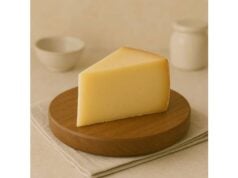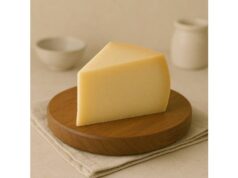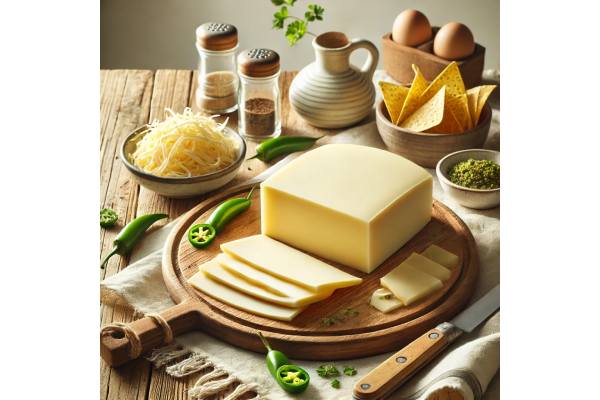
Chihuahua cheese—also known as queso Chihuahua or queso menonita—is a mild, semi-firm Mexican cheese prized for its clean dairy flavor and exceptional melt. It browns and stretches beautifully, making it a go-to for quesadillas, queso fundido, choriqueso, and baked casseroles. Nutritionally, it offers high-quality protein, plentiful calcium, and meaningful vitamin B12—nutrients many people underconsume. Like most natural cheeses, it is energy-dense and relatively high in saturated fat and sodium, so portions matter. Some wheels are traditionally made with raw milk while most commercial brands use pasteurized milk. That difference affects both flavor complexity and food safety considerations, especially for people who are pregnant or immunocompromised. If you enjoy melty cheeses that deliver structure in cooking without turning oily or rubbery, Chihuahua hits a sweet spot between Monterey Jack and young Cheddar. This guide explains what sets it apart, how to read labels, smart ways to cook with it, and how to balance taste with health goals—all in one place.
Fast Facts
- Provides about 22 g protein and 650 mg calcium per 100 g; good source of B12.
- Choose pasteurized versions if pregnant or immunocompromised; avoid unpasteurized cheese.
- Typical serving: 28 g (1 oz) per eating occasion; enjoy 3–7 times weekly within calorie needs.
- People with milk allergy, those taking MAO inhibitors, and some with lactose or histamine intolerance should limit or avoid.
Table of Contents
- Chihuahua Cheese Overview and Origin
- Chihuahua Cheese Nutrition Profile (per 100 g)
- Health Benefits of Chihuahua Cheese
- Risks, Allergies and Interactions
- Selecting Quality Chihuahua Cheese and Storing It
- Cooking Chihuahua Cheese and Retaining Nutrients
- Portions, Comparisons and FAQs about Chihuahua Cheese
Chihuahua Cheese Overview and Origin
Chihuahua cheese is a semi-firm, pale-to-straw-yellow table cheese developed in northern Mexico, especially in the state of Chihuahua, where Mennonite settlers began commercial production in the early 20th century. You may also see it labeled “queso menonita.” The style sits between young Cheddar and Monterey Jack: mellow and milky when young, with gentle nuttiness as it matures. Its casein network and balanced moisture support even melting without breaking, so it stays cohesive in hot dishes rather than releasing pools of oil.
Two broad versions are common:
- Traditional wheels from small producers, often sold with simple banding or cloth and sometimes made with raw cow’s milk. Flavor is fuller and more complex, and texture tightens slightly with age.
- Commercial blocks from pasteurized milk, often available as slices or shreds. These are consistent, convenient, and safer for higher-risk groups.
Texture and functionality. Chihuahua’s moisture and fat balance make it a star in cooked applications. It stretches in quesadillas, bubbles in baked enchiladas, and forms a silky pull in queso fundido. Compared with Oaxaca (which is string-style and extremely stretchy), Chihuahua browns more readily; compared with Monterey Jack, it tends to hold shape a bit better and slice cleanly.
Flavor profile. Expect a clean lactic aroma with butter notes; aged wheels add light toasted and nutty tones. Salt levels are moderate by cheese standards, which helps it play well in seasoned dishes like chorizo-topped queso or roasted poblano tacos.
Culinary uses. Classic uses include:
- Melting in quesadillas, sincronizadas, and molletes.
- Broiling or baking in queso fundido (sometimes flamed with a splash of tequila).
- Layering in chiles rellenos, enchiladas suizas, and tortilla casseroles.
- Swapping for Monterey Jack on nachos or baked tostadas when you want better browning.
Label names to recognize. “Queso Chihuahua,” “Queso Menonita,” or “Chihuahua-style cheese” are all common. For safety-sensitive shoppers, look for “pasteurized milk” on the ingredient list. Shredded versions may include anticaking agents like cellulose or potato starch; blocks usually do not.
Who will love it. If you want a cheese that melts smoothly, browns attractively, and stays mild enough to let chilies, beans, and roasted meats shine, Chihuahua is an excellent choice for everyday cooking.
Chihuahua Cheese Nutrition Profile (per 100 g)
The following values reflect a typical, unfortified Chihuahua cheese. Actual nutrition varies by brand, age, and moisture. Percent Daily Values (%DV) use U.S. label DVs for a 2,000-kcal pattern.
Macros & Electrolytes (per 100 g)
| Nutrient | Amount | %DV |
|---|---|---|
| Energy | 374 kcal | — |
| Protein | 21.6 g | 43% |
| Total Fat | 29.7 g | 38% |
| Saturated Fat | 18.8 g | 94% |
| Carbohydrate (total) | 5.6 g | 2% |
| Total Sugars (lactose) | 5.6 g | — |
| Dietary Fiber | 0 g | 0% |
| Sodium | 617 mg | 27% |
| Potassium | 52 mg | 1% |
| Cholesterol* | 105 mg | — |
*No %DV is established for cholesterol on current U.S. labels.
Fats & Fatty Acids
| Fatty Acid Class | Amount (g) |
|---|---|
| Monounsaturated Fat | 8.4 |
| Polyunsaturated Fat | 0.9 |
| Trans Fat | ~0 (varies) |
Protein & Amino Acids
- Complete protein from dairy casein and whey, with all essential amino acids.
- ~22 g per 100 g supports meal satiety and muscle maintenance.
Vitamins (per 100 g)
| Vitamin | Amount | %DV |
|---|---|---|
| Vitamin A (as retinol) | 56 µg RAE | 6% |
| Vitamin E (alpha-tocopherol) | 0.26 mg | 2% |
| Thiamin (B1) | 0.02 mg | 1% |
| Riboflavin (B2) | 0.22 mg | 17% |
| Niacin (B3) | 0.15 mg | 1% |
| Pantothenic Acid (B5) | 0.28 mg | 6% |
| Vitamin B6 | 0.05 mg | 3% |
| Folate (DFE) | 2 µg | 0% |
| Vitamin B12 | 1.03 µg | 43% |
| Vitamin K (phylloquinone) | 2.5 µg | 2% |
Minerals (per 100 g)
| Mineral | Amount | %DV |
|---|---|---|
| Calcium | 651 mg | 50% |
| Phosphorus | 442 mg | 35% |
| Magnesium | 23 mg | 5% |
| Zinc | 3.5 mg | 32% |
| Selenium | 14.5 µg | 26% |
| Iron | 0.47 mg | 3% |
| Copper | 0.03 mg | 3% |
| Manganese | 0.07 mg | 3% |
Allergens & Intolerance Markers
- Contains milk proteins (casein, whey) and lactose (~1.6 g per 28 g serving).
- Aged versions can accumulate biogenic amines (notably tyramine and histamine) that may trigger symptoms in sensitive individuals.
Additives & Fortification
- Usually unfortified.
- Shredded products may contain cellulose or potato starch (anticaking) and occasionally annatto for color; check labels.
Notes for label readers. Saturated fat and sodium are relatively high per calorie. If you monitor blood pressure or LDL cholesterol, balance portions and pair with potassium-rich, high-fiber sides (beans, vegetables, whole grains).
Health Benefits of Chihuahua Cheese
1) Bone and dental support. Chihuahua cheese supplies roughly half of the Daily Value for calcium per 100 g, along with phosphorus and a meaningful amount of vitamin B12. Calcium and phosphorus are structural building blocks for bones and teeth; dairy’s calcium is readily absorbed when eaten with protein and lactose, which are naturally present in cheese.
2) High-quality protein. At ~22 g per 100 g, Chihuahua provides complete protein with all essential amino acids. This helps preserve lean muscle mass, especially when paired with resistance training. A simple strategy is to add 15–30 g of cheese to bean-based dishes: you’ll raise total protein and improve amino acid balance without adding meat.
3) Nutrient density in small portions. A 28 g (1 oz) serving adds ~6–7 g protein, ~8–9 g fat, and ~170 mg calcium with minimal carbs. For endurance athletes or active individuals, this compact nutrient package can help meet protein and calcium targets during energy restriction or busy schedules.
4) Culinary functionality that supports healthier swaps. Chihuahua’s excellent melt allows flavorful “stretch and brown” at lower portions than cheeses that separate or oil off. You can cut total cheese weight by 15–25% in bakes and still achieve satisfying coverage. In Tex-Mex and Northern Mexican dishes, try using roasted vegetables, beans, and salsas as volume builders, letting a modest amount of Chihuahua deliver the indulgent texture.
5) B vitamins for metabolism. Riboflavin (B2) and vitamin B12, both present in Chihuahua, support cellular energy pathways and red blood cell formation. B12 is particularly valuable for people with limited intake of animal foods; small daily servings of cheese can contribute meaningfully to intake, though strict vegetarians may still need fortified foods or supplements.
6) Satiety and glycemic impact. With negligible fiber and modest lactose, Chihuahua has a minimal direct effect on blood glucose when eaten alone. In mixed meals, its fat and protein slow gastric emptying, which can help steady post-meal glucose responses, especially when combined with fiber-rich sides like black beans and grilled vegetables.
Practical ways to leverage benefits
- Protein boost: Add 20–30 g grated Chihuahua to vegetable soups or bean stews near the end of cooking for creamy body plus ~5–7 g protein.
- Bone-friendly snacks: Pair a 28 g slice with an orange or jicama sticks to combine calcium with vitamin C-rich produce supportive of collagen formation.
- Portion-savvy melts: For tostadas or molletes, use a thin, even layer (about 15–20 g per piece) and broil to golden; you’ll maximize flavor per gram.
Remember, benefits sit alongside trade-offs (saturated fat, sodium). The key is portion control, balanced plates, and choosing pasteurized products when that matters for safety.
Risks, Allergies and Interactions
Milk allergy and lactose intolerance. Chihuahua contains milk proteins (casein and whey) that trigger allergic reactions in susceptible individuals. Symptoms can include hives, wheeze, GI distress, and, rarely, anaphylaxis—seek emergency care for severe reactions. Lactose content is moderate for cheese (about 1.6 g per 28 g). Many people with lactose intolerance tolerate small portions, especially with meals, but tolerance varies.
Raw milk and Listeria risk. Traditional Chihuahua can be made from raw milk. While aging reduces certain hazards, it does not guarantee elimination of pathogens. People who are pregnant, adults over 65, and those with weakened immunity should avoid unpasteurized cheese. Even soft fresh cheeses made from pasteurized milk have been implicated in Listeria outbreaks when contamination occurs after pasteurization; pasteurized semi-firm cheeses like Chihuahua are generally lower risk when properly handled, but pasteurization status and hygiene still matter. Choose reputable brands, buy refrigerated product, and keep it at ≤4 °C (≤40 °F).
Biogenic amines (tyramine, histamine). During ripening and storage, some cheeses accumulate tyramine and histamine. In sensitive individuals these compounds can provoke headaches, flushing, hives, palpitations, or GI upset. People taking monoamine oxidase inhibitors (MAOIs) should limit or avoid aged cheeses due to the risk of hypertensive crisis. If you’re prone to symptoms, choose younger Chihuahua, consume small portions, and ensure cold chain is maintained; spoilage and warm storage accelerate amine buildup.
Saturated fat and sodium. At ~18.8 g saturated fat and ~617 mg sodium per 100 g, Chihuahua can push daily totals upward. If you manage LDL cholesterol or blood pressure, keep portions to 14–28 g per eating occasion, emphasize vegetables and legumes for potassium and fiber, and limit highly salted accompaniments (e.g., processed meats).
Medication and condition considerations.
- MAOIs: Avoid aged cheeses (tyramine risk).
- Migraine disorders or histamine intolerance: Trial smaller servings of younger cheese; discontinue if symptoms appear.
- Chronic kidney disease: Monitor sodium and phosphorus; consult a renal dietitian about total dairy intake.
- Hypercholesterolemia: Favor modest portions, lean proteins, and unsaturated fats elsewhere in the day.
Food handling and storage safety. Keep cheese cold, minimize time at room temperature, rewrap tightly after opening, and respect use-by dates. Discard if you see mold growth that is not typical for the product, pronounced sour or ammoniacal odors, or a slimy rind.
Selecting Quality Chihuahua Cheese and Storing It
How to read the label
- Milk source: Look for “pasteurized milk” if you are pregnant, over 65, or immunocompromised. Traditionalists may prefer raw-milk wheels for flavor complexity, but they carry higher safety risk.
- Style cues: “Queso Chihuahua,” “Chihuahua-style,” or “queso menonita” usually indicates the same family. If a brand says “melting cheese” without naming the style, check the ingredient list and country of origin.
- Ingredients: Milk, salt, cultures, rennet (animal or microbial). Shredded products often add cellulose or potato starch to prevent clumping; occasional annatto provides color.
- Nutrition facts: Compare saturated fat and sodium per 28 g (1 oz). Some brands are saltier or richer; pick the one that suits your goals.
Quality indicators at purchase
- Look: Even color from ivory to pale straw, no cracks or weeping oil pools in the package.
- Feel: Firm yet pliable texture that slices cleanly without crumbling.
- Smell: Clean dairy aroma; avoid harsh sourness or ammonia.
- Melt promise: Finely shredded pieces should still feel slightly moist to the touch rather than chalky (a proxy for good melt).
Sustainability and sourcing
- Support producers who:
- Source milk from well-managed herds with animal welfare standards.
- Use recyclable packaging.
- Maintain cold chain and hygiene to reduce spoilage and waste.
- Local or regional brands can minimize transport emissions and often provide fresher product. If you buy imported wheels, store and use efficiently to prevent waste.
Storage guidelines
- Temperature: Keep at ≤4 °C (≤40 °F).
- Wrap: After opening, wrap tightly in parchment or wax paper, then place in a loose plastic bag or reusable container to reduce drying while allowing minimal breathability.
- Shelf life: Unopened pasteurized blocks typically keep 4–8 weeks refrigerated; opened blocks are best within 10–14 days. Shredded cheese has a shorter window (5–7 days after opening). Always follow package dates.
- Freezing: Possible for up to 2 months, preferably shredded, though texture becomes crumbly after thawing. Reserve frozen Chihuahua for cooking rather than slicing.
Buying formats
- Blocks for slicing, dicing, and custom shredding (best melt and flavor retention).
- Pre-shredded for convenience; expect slightly drier melt.
- Wheels for large gatherings or extended aging at home (requires careful storage).
Cooking Chihuahua Cheese and Retaining Nutrients
Melting behavior and heat management. Chihuahua melts smoothly and browns evenly because its casein matrix softens without rapid fat separation. Aim for medium heat and short exposure to avoid oiling off. For broiling, place cheese 10–15 cm from the heat source and watch closely; remove when bubbling with golden-brown spots.
Best techniques
- Queso fundido (broiled cheese): Pre-warm an oven-safe skillet, add sautéed onions, roasted poblanos, and a small portion of spicy chorizo (optional), then blanket with shredded Chihuahua. Broil until bubbling; serve immediately to capture peak stretch.
- Stuffing and baking: Dice Chihuahua into small cubes for chiles rellenos or enchiladas; its gentle melt anchors fillings without leaking.
- Griddle melts: For quesadillas or sincronizadas, use a thin, even layer (15–25 g per tortilla half). Press gently; flip once for even browning.
Retaining nutrients during cooking
- Minerals and B12 are heat-stable. Calcium and phosphorus remain intact; vitamin B12 tolerates typical cooking times used for melts.
- Fat-soluble vitamins (A, E, K) resist short broils and griddle cooking.
- Drainage losses: Excessively high heat can drive off fat (and with it fat-soluble vitamins). Keep temperatures moderate and avoid overcooking to retain both nutrients and texture.
- Sodium balance: Because sodium doesn’t dissipate during cooking, offset salty ingredients (cured meats, canned beans) with low-sodium sides (fresh salsas, roasted vegetables).
- Amines management: Fresher cheese, colder storage, and shorter cook-hold times help limit histamine/tyramine accumulation post-purchase.
Flavor pairings
- Vegetables: Roasted poblanos, calabacitas (zucchini), onions, tomatoes, corn.
- Proteins: Charred chicken, black beans, carnitas in moderation.
- Acids: Tomatillo salsa, lime, pickled red onions—these lift richness.
- Herbs and spice: Cilantro, epazote, cumin, ancho or guajillo chile.
Smart swaps and portion control
- Combine Chihuahua with a sharper cheese (e.g., a touch of Cotija or aged Cheddar) to amplify flavor with less total cheese.
- Use veggie bulk (mushrooms, peppers) under a modest melted layer to achieve satisfying coverage.
Food safety in hot dishes
- Bring dishes containing Chihuahua to steaming hot (≥74 °C / 165 °F) if serving higher-risk groups. Serve promptly and refrigerate leftovers within 2 hours (1 hour if outdoors in heat).
Portions, Comparisons and FAQs about Chihuahua Cheese
Portions and frequency
- Standard serving: 28 g (1 oz), about two thin slices or ¼ cup loosely shredded.
- How often? Enjoy 3–7 times per week in small servings, scaled to your calorie needs and saturated fat goals. On days you include other higher-fat foods, favor the lower end of this range.
Who should limit or avoid
- People who are pregnant, over 65, or immunocompromised should avoid unpasteurized Chihuahua; choose pasteurized products and serve hot when possible.
- Individuals with milk allergy should avoid completely.
- Those with lactose intolerance may tolerate small servings with meals; assess personal tolerance.
- Anyone on MAO inhibitors (tyramine interaction) should avoid aged cheeses, including aged Chihuahua.
How does Chihuahua compare to similar cheeses?
| Cheese | Texture & Melt | Flavor | Typical Uses | Key Differences |
|---|---|---|---|---|
| Chihuahua | Smooth, even melt; browns well | Mild, buttery; lightly nutty when aged | Queso fundido, quesadillas, bakes | Slightly firmer than Monterey Jack; excellent browning |
| Monterey Jack | Very good melt | Mild, slightly sweet | Sandwiches, burgers, casseroles | Often a touch softer and sweeter; similar in nutrition |
| Oaxaca | Stringy, very elastic | Milky, fresh | Quesadillas, tlayudas | More stretch, less browning; closer to mozzarella |
| Asadero | Soft melt | Mild | Burritos, rellenos | Overlaps with Chihuahua; regional naming varies |
| Mozzarella (low-moisture) | Strong stretch, good browning | Neutral | Pizza, bakes | Lower sodium options widely available |
Frequently asked questions
Is Chihuahua cheese low in lactose? It contains some lactose (~1.6 g per 28 g). Many with lactose intolerance tolerate 1 oz portions, especially with other foods, but sensitivity varies.
Is it safe during pregnancy? Choose pasteurized Chihuahua and avoid raw-milk versions. If in doubt, cook dishes until steaming hot.
What is the best substitute? Monterey Jack is the closest swap for melt and flavor. Young Cheddar or Oaxaca can also work depending on the recipe.
Can I freeze it? Yes—shred first for best results. Expect a more crumbly texture after thawing; use in cooked dishes.
How do I get the best browning? Shred finely, spread in a thin even layer, and broil briefly. Avoid heavy piling, which can trap steam and prevent caramelization.
Is Chihuahua cheese vegetarian? It depends on the rennet used. Many brands use microbial rennet; check the ingredient list or contact the producer.
References
- Mexican Queso Chihuahua: functional properties of aging cheese – PubMed 2011 (Research)
- Microbiological Changes during Ripening of Chihuahua Cheese Manufactured with Raw Milk and Its Seasonal Variations – PubMed 2018 (Research)
- Histamine and Tyramine in Chihuahua Cheeses during Shelf Life: Association with the Presence of tdc and hdc Genes – PubMed 2023 (Research)
- Listeria (Food Safety for Moms-to-Be) | FDA 2025 (Guidance)
- Preventing Listeria Infection | Listeria Infection | CDC 2025 (Guidance)
- Cheese, mexican, queso chihuahua, 1 cup, shredded | University Hospitals 2025 (Nutrition Data)
Disclaimer
The information in this article is for general education and is not a substitute for personalized medical advice, diagnosis, or treatment. Always consult your healthcare professional or a registered dietitian about food choices if you are pregnant, immunocompromised, managing chronic conditions (such as high blood pressure, chronic kidney disease, or high cholesterol), or taking medications that interact with certain foods (including MAO inhibitors). Food safety recommendations may change; follow current public health guidance and product labels.
If you found this guide helpful, please consider sharing it on Facebook, X (formerly Twitter), or your favorite platform. Your support helps us continue creating high-quality, people-first nutrition content.