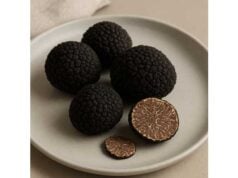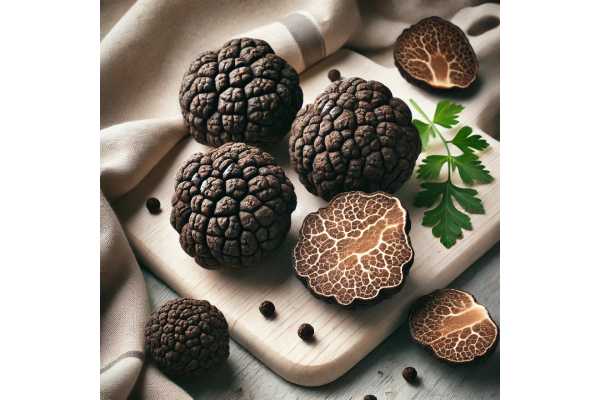
Chinese black truffle (most often sold as Tuber indicum and close allies) is a prized culinary fungus native to highland forests of southwestern China. It looks like European black truffle at a glance, yet its scent is subtler—earthy, mushroomy, sometimes nutty—with fewer sulfur notes than Périgord truffles. That gentler profile makes it versatile: shaved over warm rice or eggs, folded into butter or cream, or infused into sauces and oils for an elegant finish. Nutritionally, fresh truffles are low in calories and rich in water, fiber, and minerals; they also provide amino acids and antioxidant compounds typical of edible fungi. As a wild-harvested seasonal product, quality varies with maturity, habitat, handling, and time since harvest. Buyers should pay attention to provenance and species labeling because visual similarity to European species can lead to confusion or substitution. This guide distills what matters most—nutrition, evidence-based benefits, risks, selection and sustainability, cooking methods that preserve aroma, and practical portions—so you can enjoy Chinese black truffle with confidence and respect for the forests it comes from.
Top Highlights
- Delivers concentrated flavor with very low calories per 100 g; best used as a finishing ingredient.
- Provides fiber and minerals (potassium, iron, zinc) typical of edible mushrooms; contains antioxidant bioactives.
- Typical serving is 5–10 g shaved per person, once or twice weekly in season.
- Risk of mislabeling and quality loss with immaturity or long storage; buy from trusted suppliers and use quickly.
- People with mushroom allergies or sulfite sensitivity should limit or avoid.
Table of Contents
- Detailed Overview
- Nutrition Profile
- Evidence-Based Health Benefits
- Risks, Allergies and Interactions
- Selecting, Quality, Sustainability and Storage
- Preparation, Cooking and Nutrient Retention
- Portions, Comparisons and FAQs
Detailed Overview
Chinese black truffle refers primarily to a complex of closely related species marketed under Tuber indicum. These truffles form ectomycorrhizal partnerships with oaks, pines, and other trees in Yunnan, Sichuan, Tibet, and neighboring regions. In the kitchen, they behave like other “true truffles”: their aromas are volatile and lipid-friendly, blooming when shaved over warm foods or infused into butter, cream, or eggs. Compared with European Périgord (Tuber melanosporum), T. indicum tends to produce a lighter bouquet featuring mushroom, nutty, malty, and faint floral notes, with fewer pungent sulfur compounds. That makes it a flexible option for subtler dishes—risotti, poultry, seafood, mild cheeses, mashed root vegetables—where the cook wants perfume without overwhelming intensity.
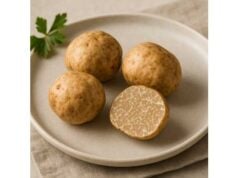
These truffles are harvested in winter through early spring by trained foragers using dogs or experience, then exported fresh or preserved (brined slices, frozen pieces, purées). Quality depends on maturity (brown-black gleba marbled with white veins under the rind), firmness, and speed of handling. The highest-quality specimens feel dense, emit a clean forest scent, and show well-contrasted marbling. Because T. indicum resembles T. melanosporum externally, reputable dealers rely on species-level identification and honest labeling; cooks can learn to read veining patterns and spore maturity to judge ripeness.
From a nutrition perspective, fresh truffles are mostly water, fiber, and modest protein—similar to many edible mushrooms—but with trace minerals and bioactive compounds of interest. Their culinary power therefore comes from aroma, not calories. A little goes a long way: a few grams shaved per plate can transform simple ingredients. Sustainability concerns focus on responsible wild harvest, forest-health stewardship, and transparent trade. Increasingly, plantation-style cultivation with inoculated seedlings is explored to stabilize supply and support rural economies.
Nutrition Profile
How to read this section: Values below are typical for fresh Chinese black truffle prepared for culinary use. Natural variability is high across species, terroirs, and seasons. Unless noted, values are per 100 g edible portion. %DV uses standard adult Daily Values.
Macros & Electrolytes (per 100 g)
| Nutrient | Amount | %DV |
|---|---|---|
| Energy | 30–45 kcal | — |
| Water | 70–85 g | — |
| Protein | 4.0–7.0 g | — |
| Total fat | 0.5–1.0 g | — |
| Carbohydrate | 3–9 g | — |
| Dietary fiber | 2.0–5.0 g | — |
| Sugars (total) | 1–2 g | — |
| Sodium | 15–25 mg | 1% |
| Potassium | 250–400 mg | 5–9% |
Carbohydrates
| Metric | Amount | Notes |
|---|---|---|
| Starch | 0.5–2 g | Minor contributor to energy. |
| Beta-glucans (soluble fiber) | 0.3–1.0 g | Functional mushroom polysaccharides. |
| Mannitol/trehalose | 0.5–1.5 g | Sugar alcohols common in fungi; may affect FODMAP tolerance in some people. |
Protein & Amino Acids
| Item | Amount | Notes |
|---|---|---|
| Protein | 4.0–7.0 g | Contains essential amino acids typical of mushrooms. |
| Notable amino acids | — | Glutamic acid, aspartic acid (umami), leucine, lysine present in modest amounts. |
Fats & Fatty Acids
| Item | Amount | Notes |
|---|---|---|
| Total fat | 0.5–1.0 g | Very low fat overall. |
| Unsaturated fatty acids | ~0.3–0.8 g | Trace oleic and linoleic acids; minor carrier of aroma. |
Vitamins
| Vitamin | Amount | %DV |
|---|---|---|
| Niacin (Vitamin B3) | 2–4 mg | 13–25% |
| Riboflavin (Vitamin B2) | 0.2–0.4 mg | 15–31% |
| Folate (DFE) | 20–40 µg | 5–10% |
| Vitamin D (as ergocalciferol, variable) | 0–2 µg | 0–10% |
Minerals
| Mineral | Amount | %DV |
|---|---|---|
| Iron | 1.0–3.0 mg | 6–17% |
| Zinc | 0.8–1.5 mg | 7–14% |
| Copper | 0.2–0.5 mg | 22–56% |
| Manganese | 0.2–0.4 mg | 9–17% |
| Phosphorus | 60–120 mg | 5–10% |
| Selenium | 2–8 µg | 4–15% |
Bioactives / Phytonutrients
- Phenolic compounds and antioxidant pigments typical of edible fungi.
- Volatile organic compounds (VOCs) responsible for aroma (e.g., 1-octen-3-ol, 3-octanone, dimethyl sulfide) are present in trace amounts yet drive flavor perception.
- Fungal polysaccharides (beta-glucans and heteroglucans) contribute to viscosity and potential immunomodulatory effects observed broadly across mushrooms.
Allergens & Intolerance Markers
- Fungal proteins may trigger allergic reactions in sensitized individuals.
- Sugar alcohols (mannitol) can aggravate symptoms in sensitive FODMAP diets.
- Sulfurous volatiles are natural but may bother those sensitive to strong aromas.
Footnote on labeling and additives: Canned or jarred “truffle slices” may include salt, acidifiers, or added flavorings. Values above apply to fresh truffle; fortified products should be read from their label.
Evidence-Based Health Benefits
Low-calorie flavor upgrade. A hallmark advantage of Chinese black truffle is flavor without caloric load. With ~30–45 kcal per 100 g—and typical servings of just 5–10 g shaved per plate—truffles help reduce the need for heavy sauces or excess salt. In menu planning, this allows chefs and home cooks to deliver satisfaction while keeping calories and sodium in check.
Aromatic compounds that encourage mindful eating. Key aroma molecules in black truffles include mushroom-like C8 volatiles (1-octen-3-ol, 3-octanone), nutty branched-chain aldehydes (2- and 3-methylbutanal), floral benzeneacetaldehyde, and traces of dimethyl sulfide. Although present at microgram levels, their odor activity values are high; a few shavings can stimulate appetite, enhance retronasal perception, and increase meal satisfaction. Sensory work that pairs gas chromatography with trained panelists has linked these volatiles to specific flavor notes and demonstrated that harvest timing and storage alter the aromatic fingerprint.
Antioxidant and mineral contribution. Like many edible mushrooms, truffles provide phenolic compounds and minerals (copper, iron, zinc, manganese, selenium) that support antioxidant enzymes and cellular defenses. While portions are small, repeated use through a season contributes to overall dietary variety and micronutrient coverage.
Potential microbiome interactions (emerging). Studies of T. indicum fruiting bodies show consistent associations with nitrogen-fixing and other bacterial genera. These communities can influence volatile formation and, potentially, the metabolite profile of truffle-based foods. This is not a clinical claim; rather, it highlights why careful handling and storage matter for both safety and flavor.
Culinary health leverage. Because truffles pair best with simple, minimally processed staples—eggs, potatoes, grains, legumes, lean proteins—they can nudge meals toward whole-food patterns. Finishing dishes with truffle butter or shaving over vegetable purées encourages cooking techniques (gentle heat, brief exposure) that preserve nutrients.
Where the evidence stops. In vitro studies sometimes ascribe broad biological activities to truffle extracts. Those findings don’t translate directly to health outcomes from culinary amounts. Treat truffles as a delightful aromatic garnish with modest nutrient value—not a supplement.
Risks, Allergies and Interactions
Allergy and intolerance. Individuals with known mushroom allergies should avoid truffles. Symptoms can include oral itching, hives, gastrointestinal upset, or, rarely, respiratory reactions. Because truffle aroma contains sulfurous compounds, people sensitive to strong odors may experience headaches or nausea in poorly ventilated spaces.
Food safety and spoilage. Fresh truffles are perishable. Quality declines as volatile compounds dissipate and microbial populations shift. Storing too long or at improper temperatures risks off-odors and softening; when in doubt, discard any piece that smells fermented, ammoniacal, or cheesy in an unpleasant way. Trim away any damaged surface areas generously or avoid questionable specimens altogether.
Metal accumulation (context). Edible mushrooms can accumulate metals from soil. Although culinary truffle portions are small, sourcing from clean habitats and reputable suppliers adds a margin of safety—especially for children and pregnant people. Varied diets minimize cumulative exposure from any single food.
Mislabeling and substitution. Visual similarity between T. indicum and European black truffle invites unintentional or deliberate substitution. This isn’t a direct health risk but affects value, expectations, and, in rare cases, tolerance if additives are used to enhance aroma. Buy whole truffles labeled by species and origin when possible.
Medication considerations. There are no well-documented drug–truffle interactions. However, if a product contains added alcohol (truffle tinctures) or high salt (canned slices), those additives—not the truffle—drive interactions or dietary concerns. People on low-sodium diets should favor fresh truffle or low-salt preparations.
Truffle oils and essences. Retail “truffle oils” often rely on synthetic aromatic compounds rather than real truffles. They’re not equivalent to fresh shavings and may have a sharper, one-dimensional profile. If you choose to use them, add sparingly at the very end of cooking; consider them a separate ingredient with its own tolerability.
Who should limit or avoid.
- Anyone with mushroom allergy or previous adverse reaction to truffles.
- People on strict low-FODMAP regimens may react to sugar alcohols in large amounts; culinary quantities are typically modest.
- Pregnant people should adhere to standard guidance: choose fresh, high-quality truffles, wash the exterior thoroughly, cook before eating if unsure, and avoid questionable preserved products.
Selecting, Quality, Sustainability and Storage
What to look for at purchase
- Firmness and weight: Choose specimens that feel heavy for their size, with resilient firmness—never spongy.
- Aroma: Clean, damp-earth, mushroom, nutty, slightly sweet. Avoid sour, cheesy, or ammonia notes.
- Marbling and maturity: When a small test slice is available, look for dark brown to black flesh with fine white veins. Pale or gray interiors can signal immaturity and weaker aroma.
- Species and origin: Prefer vendors who clearly label species (e.g., Tuber indicum) and region (Yunnan, Sichuan, etc.). Transparency is a sign of careful handling.
- Whole vs. pieces: Whole truffles keep aroma longer than pre-sliced or brunoise packs.
Sustainability and ethics
- Wild-harvest stewardship: Responsible foragers avoid damaging tree roots and leave undersized or immature truffles in place. They use trained dogs and respect seasonal limits.
- Cultivation efforts: Inoculated seedlings and truffle orchards can reduce pressure on wild stands while supporting rural livelihoods.
- Transport and freshness: Faster logistics from forest to kitchen reduce waste and off-odors, improving both sustainability and quality.
Storage guide
- Short term (2–5 days): Wrap truffle loosely in paper towel, place in a breathable container in the refrigerator (2–4 °C). Change paper daily to prevent condensation.
- With eggs or grains: For gentle aroma transfer, keep truffle in a sealed box with fresh eggs or dry rice for 1–2 days in the fridge; then cook eggs or rice promptly and store the truffle separately again.
- Freezing: Acceptable for sauces and compound butters. Clean, dry, and freeze whole or as fine shavings in airtight bags; expect a softer texture and slightly muted aroma on thawing.
- Infusions: Make truffle butter by mixing very fine mince through softened unsalted butter (about 5–10% truffle by weight). Chill overnight to marry flavors; divide and freeze portions.
Red flags
- Persistent wetness or slime on the surface.
- Strong ammonia or cheese-like odors.
- Excessively light weight relative to size (desiccation).
- “Truffle” products with generic flavoring but no species/origin details.
Preparation, Cooking and Nutrient Retention
Core principle: Heat unlocks aroma—but too much drives it off. For Chinese black truffle’s subtler bouquet, favor minimal heat and fat as a carrier.
Best practices
- Clean gently. Brush off soil with a soft brush under a thin trickle of cold water just before use; pat fully dry. Avoid soaking.
- Shave or microplane. Fine slices or shavings maximize surface area and aroma release.
- Finish, don’t boil. Add at the end of cooking so residual heat teases aroma without stripping it.
- Use fat wisely. Butter, olive oil, cream, and egg yolks capture and relay volatile compounds—particularly the nutty and mushroom notes.
- Layer flavor. Combine a small amount of finely minced truffle in the base (e.g., warmed butter) with fresh shavings on top for immediate and lingering aroma.
- Control salt. Salt can sharpen perception of umami; season gently to avoid overshadowing delicate notes.
Applications that flatter T. indicum
- Eggs: Soft-scrambled eggs or custardy omelets (add mince off heat, fold, then shave on top).
- Starches: Risotto, polenta, potato purée, or buttered noodles hold aroma well.
- Light proteins: Poached chicken, white fish, scallops, or tofu with truffle butter or a warm cream reduction.
- Dairy: Fresh ricotta, mascarpone, or semi-firm cheeses as a delivery vehicle in crostini or ravioli fillings.
Techniques that conserve aroma
- Infused butter (make-ahead): 10 g finely minced truffle per 100 g butter; rest 12–24 hours refrigerated, then portion and freeze.
- Low-temperature fat bloom: Warm 1–2 tablespoons of butter or oil just until fluid and fragrant; stir in minced truffle; remove from heat immediately.
- Covered steaming: Place shavings on hot food, cover 30–60 seconds to trap volatiles, then serve.
What to avoid
- Long simmering or baking uncovered, which drives off VOCs.
- Pairings that dominate (large amounts of garlic, smoked meats, heavy chiles).
- Overuse of synthetic “truffle flavor,” which can mask the natural profile.
Nutrient retention notes
- Water-soluble B vitamins and delicate volatiles are best preserved with short exposure to gentle heat.
- Because portion sizes are small, prioritize flavor retention techniques over maximizing micronutrients; the two frequently align (gentle finishing, minimal cooking).
Portions, Comparisons and FAQs
Recommended serving sizes
- Shaved fresh: 5–10 g per person as a finishing garnish.
- Compound butter: 5 g truffle per 100 g butter; use 10–15 g of butter per portion.
- Purées or sauces: 3–5 g minced truffle per serving stirred in off heat; optionally top with 1–2 g shaved.
How often? Once or twice a week during the season is typical for enthusiasts; flavor impact is high despite small quantities.
Comparison: Chinese vs. European black truffle
- Aroma intensity: T. indicum is generally subtler, emphasizing mushroom, nutty, and sweet notes; T. melanosporum is more pungent with complex sulfur volatiles.
- Culinary use: Chinese truffle shines in delicate dishes and as a gentle accent; Périgord stands up to richer reductions and red meats.
- Price and availability: Chinese truffles are usually more affordable and widely available when in season.
- Identification: External warts and color are similar; interior marbling patterns and spore ornamentation (microscopic) help distinguish species. Trusted labeling matters.
Frequently asked questions
- Do truffle oils equal fresh truffle? No. Bottled oils often rely on synthetic aromatics that lack the nuance of fresh truffle. Use them sparingly and as a separate flavor.
- Can I eat truffles raw? Fresh shavings are typically added to hot food, which warms volatiles. Completely raw, cold shavings are safe if the truffle is clean and fresh, but aroma will be muted.
- Why did my truffle lose aroma overnight? Volatiles dissipate quickly. Poor wrapping, excess moisture, or old age accelerate loss. Use within a few days and refresh paper daily.
- Are canned truffles worth it? They provide texture and mild earthiness but far less scent. For sauces or pâtés, they can add background umami—temper expectations.
- Is there a “right” knife? A truffle slicer with adjustable blade or a sharp mandoline makes even shavings; a microplane works for superfine flakes that bloom fast.
Who should limit or avoid
- People with mushroom allergies, those sensitive to sulfurous aromas, and anyone with prior adverse reactions to truffles.
- Individuals advised to limit potential dietary sources of certain metals should focus on reputable suppliers and moderate frequency.
References
- Black Truffle Aroma Evaluation: SPME-GC-MS vs. Sensory Panels 2024 (Research)
- Changes in Black Truffle (Tuber melanosporum) Aroma during Storage and the Impact of Storage Conditions on Aroma Properties 2024 (Research)
- Tour of Truffles: Aromas, Aphrodisiacs, Adaptogens, and More 2021 (Review)
- Food Authentication: Truffle (Tuber spp.) Species Differentiation by FT-NIR and Chemometrics 2020 (Research)
- An Overview on Truffle Aroma and Main Volatile Compounds 2020 (Review)
Disclaimer
This article provides general information about Chinese black truffle for culinary and educational purposes. It is not a substitute for professional medical advice, diagnosis, or treatment. Always seek the advice of your physician or qualified dietitian with questions about allergies, intolerances, or diet-related health conditions. If you experience symptoms after eating truffles, discontinue use and consult a healthcare professional.
If you found this guide useful, please consider sharing it on Facebook, X, or your favorite platform to support our work creating evidence-based food guides.