Chinese cabbage is one of those vegetables that quietly does almost everything right. Mild and slightly sweet, it works in crisp salads, comforting soups, quick stir fries, hotpots, dumpling fillings, and, of course, iconic fermented dishes like kimchi and suan cai. Under that pale green crunch is a very low calorie vegetable that delivers vitamin C, vitamin K, folate, and potassium, plus a range of Brassica phytonutrients such as glucosinolates and carotenoids that are being actively studied for their potential health benefits.
Whether you buy tight, barrel shaped Napa cabbage or leafy non heading types, Chinese cabbage offers a gentle way to increase vegetable intake without adding much sodium, sugar, or fat. It is also versatile across dietary patterns: plant forward, low calorie, low glycemic, and many gluten free or low carbohydrate approaches can all easily include it. In this guide, you will find a clear look at its nutrition profile, evidence based benefits, potential risks, best ways to select and store it, and practical portion guidance you can use right away.
Core Points for Chinese Cabbage
- One 100 g raw serving of Chinese cabbage provides about 16 kcal with vitamin C, vitamin K, folate, and potassium in meaningful amounts.
- Regular intake of Brassica vegetables such as Chinese cabbage is associated with better cardiometabolic and long term health markers in observational and experimental research.
- People with thyroid disease or on blood thinning medication should keep portions consistent and discuss Brassica rich diets and fermented, salty products like kimchi with their healthcare team.
- A practical serving is 75–100 g raw (about 1 cup shredded) or ½–1 cup cooked, enjoyed most days as part of a varied vegetable pattern.
- Individuals with a known Brassica allergy, severe histamine intolerance, or strict low sodium needs should limit or avoid fermented Chinese cabbage dishes unless personally cleared by a clinician.
Table of Contents
- Chinese cabbage types and culinary roles
- Nutrients in Chinese cabbage per 100 grams
- Science based benefits of Chinese cabbage
- Chinese cabbage risks allergies and thyroid questions
- Buying storing and sustainability tips for Chinese cabbage
- Cooking Chinese cabbage and protecting nutrients
- Serving sizes comparisons and FAQs for Chinese cabbage
Chinese cabbage types and culinary roles
“Chinese cabbage” usually refers to two related vegetables within the Brassica rapa species group:
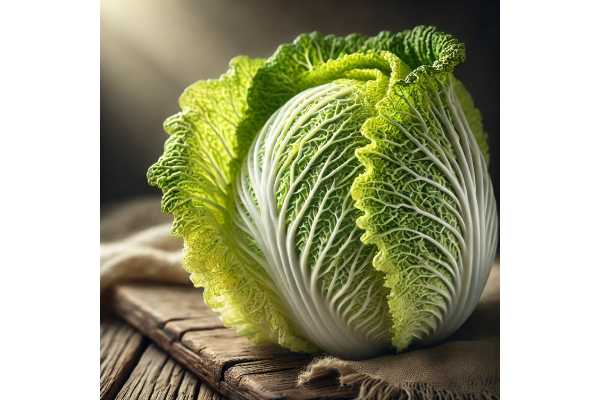
- Napa or pe tsai (Brassica rapa subsp. pekinensis): elongated, barrel shaped heads with crinkled, pale leaves and thick white ribs.
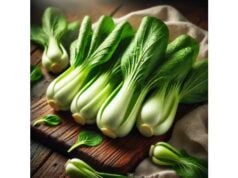
- Pak choi or bok choy (Brassica rapa subsp. chinensis): loose bunches with dark green blades and crisp, spoon shaped white or light green stems.
Both are mild, juicy, and slightly sweet, with much less sulfurous aroma than many cabbages. That makes them ideal for people who find regular white or red cabbage too strong.
Texture and flavor
- The leaf blades become silky and tender very quickly in soup or stir fry.
- The stems remain pleasantly crunchy and juicy when lightly cooked and can stand in for celery in many dishes.
- Raw Chinese cabbage is crisp but not tough, which works well in slaws, salads, and wraps.
Common culinary uses
- Raw uses
- Shredded Napa in mixed salads, Asian style slaws, and grain bowls.
- Finely sliced stems as a crunchy garnish over noodles or rice.
- Use the largest leaves as a low calorie wrap for fillings.
- Quick cooking
- Stir fried with garlic, ginger, soy sauce, and sesame for a side dish.
- Added at the end of noodle soups, hotpots, or ramen for light crunch.
- Flash sautéed with mushrooms, tofu, or shrimp as a main component.
- Slow cooking
- Braised gently with stock and aromatics for a soft, comforting side.
- Cooked in hotpots and stews where it absorbs broth flavors.
- Fermented and pickled forms
- Key vegetable in kimchi, usually Napa cabbage with chili, garlic, and other seasonings.
- Used in various regional lactic acid fermented products (suan cai, dongchimi, other pickles), which add beneficial microbes and acidity.
Culinary tips
- Separate stems and leaves: start cooking stems first and add leaves near the end to keep color and texture.
- Salt lightly: Chinese cabbage shrinks significantly when cooked and can taste overly salty if seasoned early and heavily, especially in brothy dishes.
- Combine with aromatic and umami rich ingredients (garlic, chili, soy sauce, miso, dried mushrooms) to create depth in otherwise very light meals.
Chinese cabbage’s gentle flavor, fast cooking time, and compatibility with both raw and cooked applications make it a practical “bridge” vegetable for people increasing their vegetable intake.
Nutrients in Chinese cabbage per 100 grams
Chinese cabbage is notably low in energy while still contributing several vitamins and minerals in useful amounts. The values below are typical for raw Chinese (pe tsai type) cabbage per 100 g and may vary slightly by cultivar and growing conditions.
Daily values (%DV) assume a standard adult reference intake.
Macros and electrolytes (per 100 g, raw)
| Nutrient | Amount | Unit | %DV (approx.) |
|---|---|---|---|
| Energy | 16 | kcal | 1% |
| Protein | 1.2 | g | 2–3% |
| Total fat | 0.2 | g | 0% |
| Carbohydrate, total | 3.2 | g | 1% |
| Dietary fiber | 1.2 | g | 4–5% |
| Total sugars | 1.4 | g | – |
| Sodium | 9 | mg | 0% |
| Potassium | 238 | mg | ~5–7% |
| Water | ~94 | g | – |
This pattern—very low energy and fat, modest protein, a small amount of fiber, and useful potassium—makes Chinese cabbage an excellent “volume” vegetable that can increase meal size without significantly increasing calorie load.
Vitamins (per 100 g, raw)
| Vitamin | Amount | Unit | %DV (approx.) |
|---|---|---|---|
| Vitamin C (ascorbic acid) | 27 | mg | ~30–36% |
| Vitamin K (phylloquinone) | ~43 | µg | ~36–48% |
| Folate (total, as DFE) | ~60–80 | µg | ~15–20% |
| Vitamin A (as retinol activity equivalents from carotenoids) | ~220–320 | µg | ~14–25% |
| Vitamin B6 | ~0.23 | mg | ~15–18% |
| Thiamin (Vitamin B1) | 0.04 | mg | ~3–4% |
| Riboflavin (Vitamin B2) | 0.05 | mg | ~3–5% |
| Niacin (Vitamin B3) | 0.4 | mg | ~3% |
| Vitamin E | 0.12 | mg | ~1% |
| Vitamin D, Vitamin B12 | 0 | – | 0% |
Chinese cabbage is particularly notable for its vitamin C, vitamin K, folate, vitamin A precursors, and vitamin B6, which support immune function, blood clotting, cell division, and energy metabolism.
Minerals (per 100 g, raw)
| Mineral | Amount | Unit | %DV (approx.) |
|---|---|---|---|
| Calcium | 77 | mg | ~7–8% |
| Magnesium | 13 | mg | ~3–4% |
| Phosphorus | 29 | mg | ~3–4% |
| Iron | 0.31 | mg | ~2–4% |
| Zinc | 0.23 | mg | ~2–3% |
| Manganese | 0.19 | mg | ~8–11% |
| Selenium | 0.6 | µg | ~1% |
Calcium, manganese, and potassium stand out and contribute to bone health, enzyme function, and normal blood pressure.
Phytonutrients and bioactives
As a Brassica vegetable, Chinese cabbage provides:
- Glucosinolates and their breakdown products (isothiocyanates and indoles), which are being studied for roles in cellular defense, detoxification enzymes, and cancer protective pathways.
- Carotenoids (provitamin A compounds), including beta carotene.
- Phenolic compounds and, in some pigmented cultivars, anthocyanins with antioxidant, anti inflammatory, and potential cardioprotective actions.
Glycemic and acid–base aspects
- With only ~3 g of carbohydrate and ~1 g of fiber per 100 g, Chinese cabbage has a very low glycemic load and is considered low glycemic.
- Its mineral and organic acid profile gives it a slightly alkaline forming effect in typical scoring systems, though this should not be interpreted as overriding overall dietary patterns.
Overall, the nutrition profile of Chinese cabbage suits weight management, cardiometabolic risk reduction, and nutrient density goals, especially when combined with other colorful vegetables and protein rich foods.
Science based benefits of Chinese cabbage
Research on Chinese cabbage itself is often grouped within the broader category of Brassica vegetables, which includes cabbages, kale, broccoli, turnips, and related crops. The data below reflect this wider evidence, with specific notes on Chinese cabbage and fermented forms such as kimchi when available.
1. Support for cardiometabolic health
Several mechanisms suggest a beneficial role for Brassica vegetables and fermented Chinese cabbage dishes in cardiometabolic risk:
- Low energy density and moderate fiber help reduce overall calorie intake while maintaining satiety, which can assist with weight management.
- Potassium supports healthy blood pressure when combined with a diet that is not excessively high in sodium.
- Vitamin K, folate, and vitamin B6 contribute to normal homocysteine metabolism, a factor in cardiovascular risk.
Fermented Chinese cabbage (for example, kimchi) has been examined in controlled trials, where regular intake has been associated with improvements in body fat, lipid profiles, and some metabolic markers in adults, although results are not uniform across all studies and usually involve multi component lifestyle patterns.
2. Antioxidant and cellular defense effects
Chinese cabbage provides:
- Vitamin C and carotenoids, which directly neutralize reactive oxygen species.
- Glucosinolate derivatives, which can induce endogenous antioxidant and detoxification enzymes.
- In pigmented varieties, anthocyanins with documented antioxidant capacity and potential cardioprotective, hepatoprotective, and neuroprotective actions.
A broad body of work on Brassica crops has shown that these compounds may help modulate oxidative stress and inflammation, both central to the development of chronic disease. This does not mean Chinese cabbage treats disease, but it does indicate plausible biological mechanisms through which regular consumption may support long term health.
3. Possible cancer protective associations
Epidemiological research has often linked higher intake of Brassica vegetables with lower risk of several cancers, including certain digestive, breast, and lung cancers. Proposed mechanisms involve:
- Modulation of carcinogen metabolism through Phase I and Phase II detoxification enzymes.
- Induction of apoptosis (programmed cell death) in abnormal cells.
- Effects on hormone metabolism and cell signaling pathways.
These associations are promising but not proof of causality, and benefits appear to arise from overall dietary patterns rather than any single food. Chinese cabbage can be one helpful component of a vegetable rich pattern that aligns with this evidence.
4. Digestive and gut microbiome benefits
Chinese cabbage contributes modest fiber, which helps:
- Support regular bowel movements.
- Provide substrates for beneficial gut microbes that ferment fiber into short chain fatty acids.
Fermented Chinese cabbage products add:
- Live lactic acid bacteria, which can influence the composition and activity of the gut microbiota.
- Organic acids that lower pH and may inhibit some pathogenic bacteria.
Trials involving kimchi have shown changes in gut microbiota composition and, in some cases, improvements in metabolic parameters. These effects depend strongly on the overall diet, fermentation process, and individual variability.
5. Eye, bone, and blood health support
- Vitamin A precursors and lutein like carotenoids may support eye health and protection against oxidative stress in retinal tissues.
- Vitamin K and calcium contribute to normal bone metabolism and blood clotting.
- Folate and vitamin B6 support red blood cell formation and homocysteine metabolism.
These are supportive rather than therapeutic effects; they depend on total diet quality, vitamin D status, physical activity, and other lifestyle factors.
In short, Chinese cabbage fits comfortably into the category of nutrient dense vegetables with multiple plausible mechanisms for supporting long term health, especially when eaten regularly as part of a diversified plant forward pattern.
Chinese cabbage risks allergies and thyroid questions
For most people, Chinese cabbage is safe and well tolerated. However, there are some situations where extra caution or professional guidance is appropriate.
Allergies and sensitivities
- True allergy to Chinese cabbage is uncommon but can occur, particularly in people with existing allergies to other Brassica vegetables such as mustard, other cabbages, or broccoli.
- Symptoms may include oral itching, hives, swelling, or, rarely, more severe reactions.
- Cross reactivity with certain pollens is possible, so individuals with pollen food allergy syndromes should be attentive to any symptoms when trying it raw.
Anyone with suspected food allergy should seek evaluation from an allergy specialist rather than self diagnose.
Thyroid function and goitrogen concerns
Brassica vegetables contain glucosinolates and related compounds that can, in high amounts and under low iodine conditions, interfere with thyroid hormone synthesis in animals. This led to historical concerns about “goitrogenic” effects.
A comprehensive review of human, animal, and cellular research concludes that, for people with adequate iodine intake and typical dietary patterns, Brassica vegetables do not appear to impair thyroid function in a clinically meaningful way.
Key practical points:
- Moderate portions of Chinese cabbage a few times per week (or even daily in standard serving sizes) are considered compatible with normal thyroid function in iodine replete individuals.
- Theoretical risk may increase with:
- Very large intakes of raw Brassica juices or concentrated extracts.
- Severe iodine deficiency.
- Certain thyroid conditions where clinicians recommend additional caution.
People with diagnosed thyroid disease (hypothyroidism, Hashimoto disease, thyroid cancer history) should follow personalized advice from their endocrinologist or dietitian rather than making large independent changes to Brassica intake.
Vitamin K and anticoagulant medications
Chinese cabbage is a meaningful source of vitamin K. For most people, this is beneficial for normal clotting and bone health. For individuals taking vitamin K antagonists, such as warfarin, consistency of vitamin K intake is crucial.
- Abrupt increases or decreases in Chinese cabbage and other high vitamin K foods can affect blood thinning control.
- It is usually not necessary to avoid the vegetable completely; instead, aim for a steady pattern and coordinate with the prescribing clinician and, if available, a dietitian.
Sodium, fermentation, and blood pressure
Fresh Chinese cabbage is naturally low in sodium. In contrast, fermented products such as kimchi often contain substantial salt, which is necessary for safe fermentation and preservation.
- People with hypertension, heart failure, or kidney disease who follow a sodium restricted diet should:
- Check product labels or recipes for sodium content.
- Keep portions of salty fermented vegetables moderate (for example, a few tablespoons at a meal rather than a full bowl).
- Balance these foods with plenty of low sodium vegetables and potassium rich choices.
Gastrointestinal tolerance and histamine
- The high water content and modest fiber load of raw Chinese cabbage are usually gentle on digestion, but large portions in sensitive individuals can cause bloating.
- Fermented forms accumulate histamine and other biogenic amines; people with diagnosed histamine intolerance or on very low histamine diets may react to kimchi or similar foods and should discuss this with their clinician.
Contaminants and residues
As with other leafy vegetables, potential issues include:
- Microbial contamination if irrigation or handling is unhygienic.
- Pesticide residues, which are usually reduced by washing and trimming outer leaves.
- Nitrate accumulation, which is mostly a concern for very young infants and specific clinical contexts rather than the general adult population.
Good agricultural practices and standard washing greatly reduce these risks.
Buying storing and sustainability tips for Chinese cabbage
Because Chinese cabbage stores well and has many uses, it can be a smart base vegetable to keep on hand.
Choosing high quality heads and bunches
For Napa / pe tsai:
- Look for firm, compact heads that feel heavy for their size.
- Leaves should be pale green to creamy white, without slimy spots, dark bruises, or strong odor.
- The cut stem end should be fresh looking and not deeply browned.
For pak choi / bok choy:
- Stems should be crisp and unblemished, not rubbery or split.
- Leaf blades should be vibrant, with minimal yellowing or holes.
- Baby pak choi tends to be sweeter and more tender; larger stalks bring more crunch and flavor intensity.
Whenever possible, choose Chinese cabbage with minimal packaging or recyclable materials.
Storage for freshness and nutrient retention
- Remove any damaged outer leaves and do not wash until just before use; excess moisture speeds spoilage.
- Store whole heads or bunches loosely wrapped in a breathable bag in the vegetable drawer.
- Under good refrigeration, Napa cabbage often keeps 1–2 weeks, while pak choi is best used within 3–7 days.
- Once cut, wrap unused portions and aim to use them within a few days to minimize vitamin C loss and wilting.
If you cook a large batch, cooled leftovers can usually be refrigerated safely for 2–3 days. Reheat only what you plan to eat to avoid repeated temperature cycling.
Minimizing waste
Chinese cabbage is quite efficient:
- The thick white ribs and inner cores are fully edible and excellent in stir fries or soups.
- Outer leaves can be used in broths, added to stews, or finely sliced into fried rice.
- If leaves are slightly wilted but still sound, soaking in cold water for 10–15 minutes can restore some crispness.
Freezing is possible (after blanching briefly and cooling), but texture will soften; frozen Chinese cabbage is best for soups, stews, or dumpling fillings rather than raw dishes.
Sustainability considerations
Compared with animal foods, Brassica vegetables such as Chinese cabbage generally have a much lower greenhouse gas footprint per serving. In addition:
- They grow well in cooler seasons, which can extend local supply.
- They can be integrated into diverse crop rotations that support soil health.
- Choosing regionally grown cabbages when available reduces transport emissions and often improves freshness.
Fermenting Chinese cabbage at home in small batches can also reduce food waste by extending shelf life and turning surplus heads into long lasting, microbiologically stable foods, provided safe fermentation practices are followed.
Cooking Chinese cabbage and protecting nutrients
Because Chinese cabbage cooks quickly, it is straightforward to preserve much of its texture and nutrition with appropriate methods.
Effects of cooking on nutrients
- Water soluble vitamins such as vitamin C and folate are most vulnerable to prolonged boiling or high heat with excess water.
- Fat soluble nutrients (vitamin K, carotenoids) are more heat stable and may become more bioavailable when cooked with a small amount of oil.
- Glucosinolates transform differently depending on whether plant enzymes remain active:
- Gentle steaming or light stir frying may preserve more enzyme activity and favor the formation of beneficial isothiocyanates.
- Long boiling can leach glucosinolates into cooking water and deactivate enzymes, although gut microbes can still process intact compounds.
Fermentation changes the profile further by creating new metabolites and adding live bacteria, while usually retaining a portion of vitamins.
Practical preparation steps
- Cleaning
- Just before use, remove any very tough outer leaves.
- Split the head or bunch lengthwise.
- Rinse thoroughly, paying attention to the base where soil can collect.
- Drain or spin dry for raw salads and stir fries to avoid excess water.
- Cutting for even cooking
- Separate stems from leaves if you want precise control over texture.
- Slice stems into bite sized pieces and cook them first.
- Add leafy parts in the last 1–3 minutes to keep them bright and tender.
- Lower loss cooking methods
Consider these approaches to balance flavor, texture, and nutrient retention:
- Raw: finely shredded in salads, slaws, or as a taco or wrap base.
- Steamed: 3–5 minutes until just tender; works well with a drizzle of oil and seasoning afterward.
- Quick stir fried: high heat with a small amount of oil for 2–4 minutes, stirring often; add aromatics and a splash of sauce rather than long simmering.
- Broth based: added toward the end of soup cooking to reduce vitamin losses; any leached micronutrients remain in the broth.
- Fermenting at home
Traditional lactic acid fermentation of Chinese cabbage (similar to kimchi or suan cai) involves:
- Salting chopped cabbage and vegetables to draw out moisture.
- Packing them in a container with minimal exposure to air.
- Allowing lactic acid bacteria to convert sugars to lactic acid over several days at cool room temperature, then refrigerating.
This process can:
- Preserve some vitamin C relative to long boiling.
- Introduce beneficial microbes.
- Create sour, savory, and hot flavors that enhance appetite for vegetables.
However, safe fermentation requires appropriate salt concentration, clean equipment, and avoidance of contamination; if you are new to fermenting, it is wise to follow a trusted, food safety reviewed protocol.
Flavor pairing suggestions
To keep meals interesting, pair Chinese cabbage with:
- Aromatics: garlic, ginger, scallions, chili, Sichuan pepper.
- Umami sources: soy sauce, tamari, miso, fish sauce (where culturally appropriate), dried mushrooms, fermented bean pastes.
- Rich elements: sesame oil, toasted nuts or seeds, eggs, tofu, tempeh, or small portions of fatty fish or meat.
These combinations create satisfying dishes even though the base vegetable is very low in calories and fat.
Serving sizes comparisons and FAQs for Chinese cabbage
Practical serving sizes
For adults, realistic servings that fit into general vegetable recommendations include:
- Raw Chinese cabbage:
- About 75–100 g (around 1 cup shredded) as one vegetable serving.
- Cooked Chinese cabbage:
- About ½–1 cup cooked (loosely packed), which begins from about 1½–2 cups raw because of shrinkage.
- Kimchi or similar fermented Chinese cabbage:
- Typically 1–3 tablespoons (20–40 g) at a meal for flavor and microbial benefits, kept moderate due to sodium.
In the context of guidelines that often suggest at least five servings of vegetables and fruit per day, Chinese cabbage can reasonably appear in one or more of those servings, several days per week or even daily, as long as your overall diet remains varied.
Comparisons with other leafy vegetables
Approximate per 100 g, raw:
- Chinese cabbage vs regular green cabbage
- Chinese cabbage: ~16 kcal, softer leaves, slightly higher vitamin A precursor and similar vitamin C.
- Green cabbage: ~25 kcal, more robust texture, similar vitamin C but generally less vitamin A.
- Chinese cabbage vs lettuce
- Lettuce tends to have fewer vitamins and minerals per 100 g than Chinese cabbage, particularly for vitamin C, vitamin K, and folate.
- Both are low calorie and hydrating; Chinese cabbage is often more nutrient dense.
- Chinese cabbage vs spinach
- Spinach is richer in iron and some other minerals and vitamins but also higher in oxalates, which may be relevant for certain kidney stone prone individuals.
- Chinese cabbage offers an alternative leafy vegetable for people rotating their greens.
Frequently asked questions
1. Can I eat Chinese cabbage every day?
For most people with normal kidney, liver, and thyroid function and adequate iodine intake, daily moderate servings of Chinese cabbage are reasonable as part of a balanced diet. Variety remains important, so it is still wise to include other vegetables with different colors and textures.
2. Is Chinese cabbage suitable for low carbohydrate or ketogenic diets?
Yes, 100 g of raw Chinese cabbage provides only about 3 g of carbohydrate, roughly 1–2 g net after fiber, which fits into many low carbohydrate meal plans. As always, the total daily carbohydrate load, including other foods, matters more than any one vegetable.
3. Does fermenting Chinese cabbage (for kimchi) destroy its vitamins?
Fermentation leads to some losses of very heat sensitive nutrients if the cabbage was blanched, but in many traditional methods it is salted raw. In those cases, vitamin C may decrease somewhat over long storage, but not as dramatically as with prolonged high heat cooking, and new bioactive compounds and live bacteria are formed. The final nutrient profile depends heavily on the specific recipe and fermentation conditions.
4. Which is healthier: Napa cabbage or bok choy?
They have broadly similar macro and micronutrient profiles, with minor differences in specific vitamins and minerals. Bok choy often has slightly darker leaves and may provide more carotenoids; Napa cabbage tends to be easier to use raw in larger amounts. In practice, alternating between them is a good way to capture a broader nutrient range.
5. Should I choose organic Chinese cabbage?
If cost and availability allow, organic options can modestly reduce exposure to some synthetic pesticide residues. However, from a health perspective, the benefits of regularly eating cabbage and other vegetables—organic or not—are likely much greater than the differences between production systems. Washing thoroughly and discarding heavily damaged outer leaves are reasonable steps regardless of farming method.
6. Can children and older adults eat Chinese cabbage safely?
Yes, when prepared appropriately (chopped finely for small children, cooked until tender for those with chewing difficulties), Chinese cabbage can be a suitable vegetable for most age groups. For very young infants, general guidelines about choking risks and appropriate textures should be followed, and fermented, salty products should be used cautiously.
References
- Cabbage · chinese (pe-tsai) · raw 2023 (Nutrient composition and daily value estimates for Chinese cabbage per 100 g).
- Cabbage, chinese (pe-tsai), raw nutrition: calories, carbs, GI, protein, fiber, fats 2023 (Detailed macro, micronutrient, and glycemic characteristics for Chinese cabbage).
- Brassica vegetables-an undervalued nutritional goldmine 2024 (Systematic overview of nutrients, phytonutrients, and health impacts of Brassica vegetables).
- The compositions, characteristics, health benefits and applications of anthocyanins in Brassica crops 2025 (Comprehensive review of Brassica anthocyanins and their biological effects).
- Do Brassica Vegetables Affect Thyroid Function?—A Comprehensive Systematic Review 2024 (Systematic review evaluating Brassica intake and human thyroid outcomes).
- Effects of kimchi on human health: a scoping review of randomized controlled trials 2023 (Summary of clinical trials on kimchi and cardiometabolic and gut related outcomes).
Disclaimer
The information in this article is intended for general educational purposes only. It does not provide medical, nutritional, or dietary advice specific to your individual situation and should not be used to diagnose, treat, cure, or prevent any disease. Dietary needs and health risks vary from person to person, particularly for individuals with conditions such as thyroid disorders, cardiovascular disease, kidney disease, allergies, or those taking prescription medications. Always consult a qualified healthcare professional, such as a physician or registered dietitian, before making substantial changes to your diet, using fermented products for health purposes, or adjusting prescribed treatments.
If you found this guide helpful, you are warmly invited to share it with others—on Facebook, X (formerly Twitter), or any platform you prefer. Thoughtful sharing helps more readers access balanced, evidence informed information and supports the ongoing work involved in creating resources like this one.