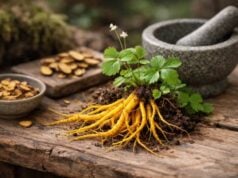
Chinese foxglove, better known in Chinese herbal traditions as Di Huang, is the thick, dark root of Rehmannia glutinosa. It has a long history as a “blood and yin” herb—used when the body feels run down, dry, overheated, or depleted. Today, many people explore it for metabolic support, inflammatory balance, and recovery from periods of stress or low vitality, while practitioners often use it in formulas for menstrual comfort, post-illness rebuilding, and “kidney yin” patterns linked with dryness, night warmth, and weakness.
What makes Chinese foxglove especially interesting is that it is not one single “type” of herb. The same root can be used raw (cooling and moistening) or prepared (steamed, darker, and more nourishing), and those forms behave differently in the body. Because it is rich in sugars and glycosides, it can be soothing for dryness yet heavy for sensitive digestion—so knowing how to choose, dose, and combine it matters as much as the herb itself.
Essential Insights for Chinese Foxglove
- May support inflammatory balance and antioxidant defenses when used consistently in appropriate forms.
- Can influence blood sugar; monitor closely if you use glucose-lowering medication.
- Typical decoction dose: 9–30 g/day of dried root (adjust to form and tolerance).
- Avoid without professional guidance in pregnancy, chronic diarrhea, or significant digestive weakness.
Table of Contents
- What is Chinese foxglove?
- Key ingredients and active compounds
- Benefits and medicinal properties
- How to use Chinese foxglove
- How much rehmannia per day?
- Side effects and interactions
- What the evidence actually says
What is Chinese foxglove?
Chinese foxglove (Rehmannia glutinosa) is a perennial plant valued primarily for its root, which becomes the medicinal material. In traditional practice, it is categorized as a substance that replenishes fluids, cools heat in the blood, and—when processed—builds nourishment over time. If you have ever seen dried “black, sticky” herb slices in a Chinese herbal shop, you may have been looking at prepared rehmannia.
A key point for practical use is that Chinese foxglove comes in two main forms, and they are not interchangeable:
- Raw root (Sheng Di Huang): Typically described as cooling, moistening, and “heat-clearing.” It is chosen when dryness and internal heat are the main themes—think thirst, a dry mouth, or a sense of heat that shows up as irritability or a flushed feeling. Raw rehmannia is also used traditionally for “blood-cooling” patterns, which can overlap with inflammatory or heat-driven skin flares.
- Prepared root (Shu Di Huang): Made by steaming (often repeatedly) and sometimes processing with wine. This changes both chemistry and “energetics,” making it more focused on nourishment—especially “blood and yin.” Prepared rehmannia is richer and heavier, often used in rebuilding formulas for fatigue, pallor, menstrual irregularity with deficiency signs, or dryness with weakness.
Processing matters because it reshapes the plant’s sugars and glycosides, which can shift how the herb feels in digestion and how it is absorbed. Prepared rehmannia tends to be more cloying (heavier), so it is commonly combined with aromatic or digestive-support herbs in formulas.
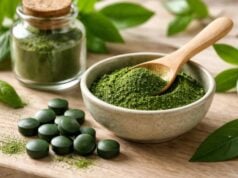
In modern supplement form, you may encounter rehmannia as powders, granules, capsules, or standardized extracts. The label may not always specify whether it is raw or prepared. That detail is worth confirming because it influences both expected effects and side-effect risk.
Key ingredients and active compounds
Chinese foxglove is best understood as a “matrix herb”: it carries multiple compound families that act together rather than one single magic molecule. This is why it appears in many multi-herb formulas—its chemistry is broad, and different preparations emphasize different fractions.
The most discussed compound groups include:
- Iridoid glycosides: Often treated as signature compounds for rehmannia quality and activity. Catalpol is the best-known example and is frequently studied for metabolic, antioxidant, and tissue-protective pathways. Other iridoid-related constituents are also used as quality markers in pharmacopoeial standards. Functionally, iridoid glycosides are associated with anti-inflammatory signaling modulation and oxidative-stress buffering in experimental models.
- Phenylethanoid glycosides: These include compounds often discussed for antioxidant and anti-inflammatory roles. In practical terms, they help explain why rehmannia is frequently described as “soothing” to irritated tissues.
- Polysaccharides and oligosaccharides: The root contains substantial carbohydrate fractions, and these complex sugars are heavily researched for immune modulation, antioxidant activity, and support for hematopoiesis-related signaling in preclinical work. They also help explain why rehmannia can feel “nourishing,” but they are a reason some people experience heaviness, bloating, or loose stool at higher doses.
- Amino acids, small sugars, and organic acids: These compounds are not as headline-grabbing, but they shape how the herb behaves—especially in water decoctions, where polysaccharides and small sugars extract readily.
Raw vs prepared matters here, too. Steaming and related processing can change the relative levels of certain glycosides and sugar fractions, and it can generate new compounds through heating reactions. From a user perspective, this means two products labeled “rehmannia” may feel quite different—even when they come from the same species.
If you like to think in “mechanism language,” one simple way to frame rehmannia is: antioxidant support + inflammatory pathway modulation + metabolic signaling effects, with digestion as the main tolerance gate. If you want a broader primer on how plant compounds translate into real-world effects, the overview in active compounds and their roles in herbal benefits can help you read supplement labels more critically.
Benefits and medicinal properties
Chinese foxglove sits at the intersection of traditional “replenishing” use and modern interest in inflammation, metabolic resilience, and recovery support. The most responsible way to describe its benefits is in terms of tendencies—what it is commonly used for, what early research suggests, and what outcomes are realistic.
1) Moistening and yin support (dryness and depletion patterns)
In traditional practice, rehmannia is chosen when the body seems “dry and hot” or “depleted and dry.” People describe this as dry mouth, heat at night, restlessness, or dry skin. Prepared rehmannia is particularly associated with rebuilding fluids and nourishment over time. Practically, this is not an instant “feel it in 30 minutes” herb. It is more often used for weeks, usually as part of a formula.
2) Blood support in traditional systems
Prepared rehmannia is a classic “blood-tonifying” herb in Chinese herbalism. That does not mean it replaces iron or treats anemia on its own. Instead, it is often used to support recovery patterns that include pallor, fatigue, dizziness, or menstrual irregularity with deficiency signs. Many formulas pair it with other blood-focused botanicals; for context, compare how practitioners think about blood-building strategies with herbs such as dong quai in traditional blood support.
3) Anti-inflammatory and antioxidant activity
Across multiple experimental models, rehmannia-associated compounds show anti-inflammatory and antioxidant effects. In real-life terms, that translates to interest in it for irritated tissue states—skin flares, recovery from stress, and “heat” presentations. A sensible expectation is support, not cure: it may help nudge inflammatory balance when combined with diet, sleep, and appropriate medical care.
4) Metabolic and glycemic support (early evidence)
Catalpol and polysaccharide fractions are studied for effects tied to glucose metabolism and oxidative stress. For people with metabolic concerns, rehmannia is best viewed as a complementary option rather than a primary therapy. If you are already using medication or established supplements for glucose control, rehmannia should be approached carefully because additive effects can occur.
5) Neuroprotective and cardiovascular-support pathways (mostly preclinical)
Some rehmannia-related research focuses on neuroprotective signaling and vascular integrity pathways, largely through catalpol. This is promising but remains mostly mechanistic and preclinical. The practical takeaway is that rehmannia’s traditional reputation as a “deep restorative” herb has plausible biochemical themes, but the clinical evidence base is still developing.
How to use Chinese foxglove
The “best” way to use rehmannia depends on your goal, your digestion, and whether you need the raw or prepared form. If there is one practical rule: match the form to the pattern—cooling and moistening (raw) versus nourishing and rebuilding (prepared).
Common forms and how they’re used
- Decoction pieces (traditional slices): This is the classic method. The slices are simmered to make a tea-like liquid. Decoctions extract polysaccharides and glycosides effectively, which is why they are often felt as the “strongest” traditional form. The tradeoff is taste and potential digestive heaviness at higher doses.
- Granules (concentrated powders): Granules are convenient and often used in modern clinics. Dose is typically measured in grams of granules that correspond to a larger amount of raw herb. Because conversion varies by manufacturer, follow the label or a practitioner’s instructions rather than assuming a universal equivalence.
- Capsules and tablets: These can contain powdered root or extracts. They are convenient, but quality varies widely. Look for clear labeling that specifies raw vs prepared, plant part (root), extraction ratio if relevant, and testing standards.
- Extracts standardized to marker compounds: These may focus on iridoid glycosides (such as catalpol). This can improve consistency, but it may shift the “whole-herb” balance—sometimes reducing the bulky polysaccharide fraction, sometimes concentrating it, depending on extraction methods.
Choosing between raw and prepared (a simple decision flow)
If your main theme is dryness with heat signs (dry mouth, heat sensations, irritability), raw rehmannia is the traditional choice. If your main theme is fatigue and rebuilding (low reserves, dryness with weakness, menstrual deficiency patterns), prepared rehmannia is more common.
Combining rehmannia wisely
Rehmannia is rarely used alone in traditional practice because it can be heavy on digestion. It is often paired with:
- Aromatic digestives (to prevent bloating or loose stool)
- Complementary tonics for “qi” or resilience
- Herbs aimed at the specific target (skin, menstrual comfort, metabolic balance)
If you are exploring formula-style use, it helps to understand why practitioners combine tonic herbs. For example, rehmannia is often paired with qi tonics such as astragalus; see astragalus and immune-resilience support for the general logic behind that pairing.
Quality and safety checks when buying
- Confirm species: Rehmannia glutinosa and root as the plant part.
- Confirm form: raw vs prepared.
- Prefer products with third-party testing for contaminants (heavy metals, pesticides).
- Avoid “mystery blends” that don’t disclose doses of each ingredient.
Used thoughtfully, rehmannia can be a steady, supportive herb. Used casually and at high dose, it is more likely to become a digestive problem than a wellness win.
How much rehmannia per day?
Dosage is where rehmannia becomes very individual. The same amount that feels grounding and restorative for one person can cause bloating or loose stool in another—especially with prepared rehmannia.
Typical traditional dose range (decoction form)
A common daily range for rehmannia root in traditional pharmacy use is 9–30 g of dried root per day, usually simmered as a decoction. Many people do best starting at the low end and increasing only if digestion remains comfortable.
Raw vs prepared dosing considerations
- Raw rehmannia (Sheng Di Huang) can feel “cold” and moistening. If you already run cold, have frequent loose stool, or have low appetite, it may be harder to tolerate.
- Prepared rehmannia (Shu Di Huang) is richer and more cloying. It can be more “rebuilding,” but it is also more likely to cause heaviness, gas, or a coated tongue sensation in sensitive people.
If you are using granules, capsules, or extracts
Because manufacturing varies, there is no single universal conversion that is always safe. Use these guardrails:
- Follow the product label as your primary dosing reference.
- If the label provides an extract ratio (for example, “10:1”), do not assume that more concentrated automatically means better. Concentration changes tolerance.
- Start low for 3–7 days, then adjust gradually.
- If you are mixing rehmannia with other tonics, reduce the dose of each rather than stacking full doses.
Timing: morning vs evening
- If you use rehmannia for rebuilding and dryness, many people prefer it with meals to improve tolerance.
- If it feels heavy or causes nausea, avoid taking it late at night.
- If your goal is metabolic support, consistency (daily, steady dose) usually matters more than the time of day.
How long to use it
Rehmannia is typically approached in 2–8 week blocks, then reassessed. Signs it may not be the right match include persistent bloating, loose stool, reduced appetite, or a “stuck” heavy feeling after meals.
If you want a comparison point for dosing cadence and “slow-build” tonics, the practical framework in ashwagandha use and dosing can help you think about gradual-onset herbs versus fast-acting ones—while keeping in mind that the plants are not interchangeable.
A simple “right dose” checklist
- Digestion stays steady (no progressive bloating or diarrhea).
- Energy and sleep improve gradually, not suddenly.
- Any target symptom (dryness, irritability, recovery fatigue) trends better over weeks.
- You can stop without rebound symptoms.
When in doubt, treat rehmannia as a slow, steady ally—and let tolerance set the ceiling.
Side effects and interactions
Chinese foxglove is often described as gentle, but “gentle” does not mean “risk-free.” Most issues come from mismatching the form to the person, using too much, or combining it with medications without a plan.
Common side effects (dose-related)
- Loose stool or diarrhea (especially if digestion is already weak)
- Bloating, gas, or abdominal fullness
- Nausea or reduced appetite (more common with prepared rehmannia in sensitive people)
- Less commonly, lightheadedness or a “too cooling” feeling with raw rehmannia in cold-leaning individuals
If any of these persist beyond a few days, the first fix is usually to reduce the dose, switch to a different form, or stop.
Medication and supplement interactions to consider
- Diabetes medications and glucose-lowering supplements: Rehmannia-related compounds may influence glucose metabolism. If you take insulin, metformin, GLP-1 drugs, or other glucose-lowering agents, monitor your blood sugar closely and involve your clinician.
- Blood pressure medications: If you are prone to low blood pressure or take antihypertensives, be cautious with any herb that may influence vascular tone or fluid status.
- Anticoagulants and antiplatelet drugs: While rehmannia is not primarily known as a strong blood thinner, formulas that include rehmannia often include other herbs that may affect bleeding risk. If you are on warfarin, DOACs, or antiplatelets, professional guidance is important.
- Immune-modulating therapy: Polysaccharides in many plants can influence immune signaling. If you take immunosuppressants or have an autoimmune condition with active flares, use extra caution and do not self-prescribe high doses.
Who should avoid rehmannia (or use only with supervision)
- Pregnancy or trying to conceive (unless guided by a qualified clinician)
- Chronic diarrhea, inflammatory bowel flares, or significant digestive weakness
- People with very low blood pressure or frequent fainting
- Anyone with tightly managed diabetes who cannot monitor glucose reliably
- Known allergy to the plant or unexplained reactions to Chinese herbal products
Practical safety tips
- Introduce rehmannia alone (not alongside three new supplements at once).
- Use conservative dosing for the first week.
- Stop before surgeries unless your clinician says otherwise.
- Choose products with contaminant testing, especially if you use daily for weeks.
Safety with rehmannia is less about fear and more about fit. If it matches your constitution and you dose thoughtfully, it is often well tolerated. If it does not match, your digestion will usually tell you quickly.
What the evidence actually says
Rehmannia has a long clinical history in East Asian medicine, but modern evidence is uneven: there is a large amount of laboratory and animal research, some human data (often on formulas rather than rehmannia alone), and relatively few large, high-quality trials focused on single-ingredient rehmannia preparations.
Where the evidence is strongest
- Mechanistic plausibility: Iridoid glycosides (notably catalpol) and polysaccharide fractions show consistent antioxidant and anti-inflammatory themes in experimental research. These mechanisms line up with traditional descriptions of rehmannia as cooling (raw) and restorative (prepared).
- Processing differences: Modern analyses support what traditional practice has long claimed: steaming and related processing changes chemical composition and can shift therapeutic emphasis. This helps explain why raw and prepared rehmannia can feel like different herbs in day-to-day use.
Where the evidence is still limited
- Human outcomes for specific conditions: Claims such as “treats kidney disease” or “reverses diabetes” are not supported by robust clinical trial evidence for rehmannia alone. The more accurate statement is that rehmannia-related compounds are being studied for pathways relevant to these conditions.
- Standardized dosing guidance: Traditional ranges exist, but modern supplement forms vary widely, and not all labels specify whether the product is raw root, prepared root, or another plant part.
What human trials do and do not tell us
A small number of randomized trials exist for specific rehmannia extracts (for example, trials using leaf-based extracts for skin outcomes). These studies can be useful for tolerability signals and for showing that a standardized product can be used safely for a limited period. They do not automatically validate traditional root-based uses or predict long-term outcomes.
How to use evidence responsibly as a reader
- Prefer claims tied to supportive roles (antioxidant support, inflammatory balance, metabolic resilience) rather than disease cures.
- Treat rehmannia as one part of a larger plan: nutrition, sleep, movement, and medical care when needed.
- If your main goal is glucose support, compare rehmannia’s evidence maturity to better-studied options such as berberine for blood sugar and lipid management, and decide whether you want a “stronger evidence” tool or a “traditional restorative” tool.
A realistic bottom line
Rehmannia is a credible traditional herb with compelling biochemical themes, especially around oxidative stress and inflammatory pathways. For most people, its best use is as a thoughtfully dosed supportive herb—preferably in a well-designed formula or under guidance—rather than as a single-ingredient solution for complex medical conditions.
References
- Changes in Rehmanniae Radix processing and their impact on ovarian hypofunction: potential mechanisms of action 2024 (Review)
- Extraction, structure and bioactivities of polysaccharides from Rehmannia glutinosa: A review 2023 (Review)
- Protective effects of catalpol on cardio-cerebrovascular diseases: A comprehensive review 2023 (Review)
- Assessment of the Effect of Rehmannia glutinosa Leaf Extract in Maintaining Skin Health: A Proof-of-Concept, Double-Blind, Randomized, Placebo-Controlled Clinical Trial 2024 (RCT)
- Ethnopharmacological Survey of Traditional Chinese Medicine Pharmacy Prescriptions for Dysmenorrhea 2021 (Observational Study)
Disclaimer
This article is for educational purposes only and does not provide medical advice, diagnosis, or treatment. Herbs can interact with medications and may be unsafe for certain conditions or life stages, including pregnancy, breastfeeding, diabetes treated with medication, bleeding disorders, and planned surgery. Always consult a qualified healthcare professional before starting Chinese foxglove (rehmannia), especially if you take prescription medicines or manage a chronic health condition. If you develop side effects such as persistent diarrhea, dizziness, rash, or symptoms of low blood sugar, stop use and seek medical guidance promptly.
If this guide was helpful, consider sharing it with friends or clients on Facebook, X (formerly Twitter), or your favorite platform so others can use Chinese foxglove more safely and effectively.