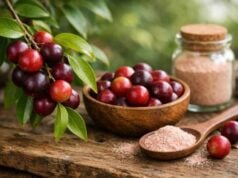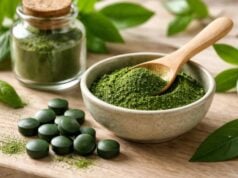
Chinese wolfberry, also known as goji berry or gou qi zi, is the bright red dried fruit of Lycium barbarum, a plant long used in East Asian food and herbal traditions. Today it sits in a unique middle ground: it is both a functional food you can eat by the handful and a supplement ingredient concentrated into powders and extracts. People most often take it for eye support, immune resilience, healthy aging, and metabolic wellness—especially when they want a gentle, daily habit rather than a “quick fix.”
What makes wolfberry distinctive is its chemistry. The fruit provides carotenoids (notably zeaxanthin forms), polysaccharides, polyphenols, and nutrients that can influence oxidative stress and cellular signaling over time. Still, benefits depend on dose, consistency, and the form you choose. Dried berries behave differently than isolated extracts, and safety details matter most for people on blood thinners or glucose-lowering medications. This guide breaks down what’s in Chinese wolfberry, what it may realistically help with, how to use it in everyday routines, and how to dose it thoughtfully.
Essential Insights
- May support macular pigment and visual comfort when used consistently as a food-level habit.
- May modestly support triglycerides and HDL cholesterol when paired with a healthy diet and lifestyle.
- Typical range: 15–30 g/day dried berries or 300–1,500 mg/day extract depending on concentration.
- Avoid with warfarin and use caution with diabetes medicines due to potential interaction risks.
- People who are pregnant, breastfeeding, or preparing for surgery should avoid self-treatment without clinician guidance.
Table of Contents
- What is Chinese wolfberry
- Key compounds and medicinal properties
- Immune support and stress resilience
- Eye health skin and aging
- Best ways to use it
- How much Chinese wolfberry per day
- Safety side effects and research limits
What is Chinese wolfberry
Chinese wolfberry (Lycium barbarum) is a small, red-orange berry from a hardy shrub in the nightshade family (Solanaceae). It is commonly sold dried and slightly wrinkled, with a sweet-tart taste that makes it easy to treat as a snack. In traditional use, wolfberries are also simmered into soups, steeped in warm water, or combined with other foods as a steady “nourishing” ingredient rather than a high-intensity remedy.
Names and species details
You may see several names on labels:
- Chinese wolfberry (common English name)
- Goji berry (popular modern name)
- Gou qi zi (traditional name used in many East Asian contexts)
- Lycium barbarum (botanical name)
A practical buyer’s note is that “wolfberry” can also refer to closely related species such as Lycium chinense. Both appear in commerce, and both are used traditionally, but they are not identical. If you want the species most often discussed in modern research and product labeling, look for Lycium barbarum on the package.
Whole food vs extract: why it matters
Wolfberry can be consumed as:
- Whole dried fruit (most common)
- Juice (varies widely in sugar and concentration)
- Powder (often ground whole fruit)
- Extracts and polysaccharide concentrates (capsules, tablets, granules)
These forms do not behave the same way. Whole berries provide fiber and fat-soluble carotenoids along with polysaccharides, while some extracts emphasize water-soluble fractions and may deliver far less carotenoid content. That distinction helps explain why some people notice benefits from eating the fruit but not from a capsule—or the opposite, depending on the goal.
Quality and storage basics
Because wolfberries are usually imported and dried, quality can vary. For everyday use, favor products that list the species, provide clear serving guidance, and come from suppliers that publish contaminant testing (pesticides and heavy metals are worth caring about for dried fruit). Store dried berries sealed, cool, and dry to prevent clumping and flavor loss.
Chinese wolfberry is best understood as a functional food with a layered chemistry—simple to use, but worth choosing carefully.
Key compounds and medicinal properties
Chinese wolfberry is often marketed with broad claims, but its most credible “medicinal properties” come from a few key compound families that show up repeatedly across traditional descriptions and modern research discussions. Thinking in compounds does not replace real-world outcomes, but it helps you match the form to your goal.
Polysaccharides and immune signaling
Wolfberry is widely discussed for its Lycium barbarum polysaccharides (often shortened to LBP). These are large carbohydrate structures that appear to interact with immune receptors and signaling pathways in experimental research. In plain language, polysaccharides are often associated with the idea of resilience: helping the body coordinate responses to stressors rather than forcing an immediate, dramatic effect. This is one reason many people use wolfberry as a steady daily habit and judge results over weeks, not days.
Carotenoids for retinal and skin support
Wolfberries are unusual for their carotenoid profile, especially zeaxanthin forms that are relevant to macular pigment. Macular pigment is a protective “filter” in the retina that helps manage glare and light-related stress. Carotenoids are also linked with skin carotenoid status, which can reflect diet quality and antioxidant intake over time. Because carotenoids are fat-soluble, absorption improves when wolfberries are eaten with foods that contain fat (nuts, yogurt, eggs, olive oil, or a meal that includes them).
Polyphenols and antioxidant themes
Wolfberries also provide polyphenols and related plant compounds that participate in antioxidant and inflammation-related signaling. The most useful takeaway is not “it has antioxidants,” but that repeated intake may shift how cells handle oxidative stress—an effect that typically requires consistent use.
Betaine and metabolic context
Another notable compound is betaine, which is involved in methylation pathways and liver-related metabolism in the body. This does not mean wolfberry “detoxes the liver,” but it offers a plausible reason it is often discussed in metabolic and liver wellness conversations. Still, food context matters: dried wolfberries contain natural sugars, so portions should be realistic, especially for people managing glucose.
Putting properties into practical expectations
When you combine these constituents, wolfberry is best described as having potential:
- antioxidant and cellular stress support (gradual, not immediate)
- eye-related support through carotenoids and macular pigment themes
- immune modulation and resilience support (context-dependent)
- modest cardiometabolic support when paired with diet and lifestyle changes
These are supportive roles, not stand-alone treatments. The most reliable way to use wolfberry is to choose a form that fits your goal, then give it enough time for tissue-level changes to matter.
Immune support and stress resilience
Immune support is one of the most common reasons people add Chinese wolfberry to their routine. The key is to frame expectations correctly. Healthy immune function is not about “more” or “stronger” all the time—it is about balanced responses, appropriate recovery, and not feeling depleted by everyday stressors.
What wolfberry may help with
In practical, real-world terms, consistent wolfberry use is most often associated with:
- steadier energy during demanding periods
- feeling less run down during seasonal changes
- improved recovery when sleep and workload are not ideal
- a general sense of “resilience” rather than a single dramatic symptom change
If you want to evaluate this honestly, pick two simple markers (for example, number of low-energy days per week and perceived recovery after hard days) and track them for four to eight weeks.
Why results vary so much
People get very different outcomes from wolfberry for three main reasons:
- Form differences: whole berries deliver fiber and carotenoids, while some supplements deliver mostly polysaccharides.
- Lifestyle context: immune resilience benefits tend to appear when sleep, protein intake, and stress management are not working against you.
- Time horizon: immune-related changes are rarely obvious after a few doses. Many people who benefit notice changes after several weeks of consistent intake.
When to consider an alternative approach
If your goal is short-term “acute cold support,” wolfberry is not always the best fit. It is more often used as a baseline habit. For a different immune-focused herb that is commonly used in a seasonal routine, you may want to compare it with astragalus immune support overview, which is traditionally positioned as a steady resilience herb rather than an acute remedy.
A simple routine for immune goals
A realistic pattern looks like this:
- Take a consistent dose of whole dried berries (or a reliable extract) most days of the week.
- Pair with protein-forward meals and a regular sleep schedule when possible.
- Use a short review window: reassess after 6–8 weeks.
- Stop if you notice unusual bruising, unexpected bleeding, or signs of allergy.
Chinese wolfberry is best viewed as a supportive “daily lever” for resilience, not a substitute for medical care, vaccines, or treatment when illness is severe.
Eye health skin and aging
Eye health is arguably the strongest modern “intent match” for Chinese wolfberry, largely because the fruit is naturally rich in zeaxanthin-related carotenoids that contribute to macular pigment. Macular pigment optical density (MPOD) is a measurable feature of the retina linked with glare tolerance and protection against light-related stress. The practical promise is not perfect vision, but better retinal nutrition and support for visual comfort over time.
How wolfberry supports the retina
Wolfberries provide carotenoids that can accumulate in the macula. The macula is densely packed with photoreceptors and is exposed to constant light and oxidative demand. A stronger macular pigment layer can:
- filter high-energy blue light before it reaches sensitive cells
- reduce glare and improve contrast under challenging lighting
- support the retina’s antioxidant defenses
This is why wolfberry is often discussed for aging eyes and visual comfort, especially for people who spend long hours under bright screens and LEDs.
What to expect from a food approach
A realistic timeline is gradual. Many people who see benefits notice them after 8–12 weeks of consistent intake. Benefits can show up as:
- improved tolerance to glare (night driving, bright daylight)
- steadier comfort after screen-heavy days
- a subtle sense that eyes feel “less fatigued”
If you want a focused deep dive on the carotenoids most often paired with macular health, see lutein for eye health benefits.
Skin carotenoids and “healthy aging” signals
Carotenoids also show up in the skin, where they act as part of the skin’s antioxidant network. This does not mean wolfberry replaces sunscreen, but it can support a “diet-to-skin” pathway where consistent carotenoid intake correlates with better skin antioxidant status. In practice, that may look like improved overall skin tone or resilience, but results are subtle and depend heavily on overall diet quality.
Who benefits most
Wolfberry’s eye and skin angle tends to be most relevant for:
- adults over 40 who want a food-based macular pigment strategy
- people with high screen exposure and frequent glare discomfort
- those with diets low in colorful fruits and vegetables
If you already eat carotenoid-rich foods daily, wolfberry may be redundant. If your diet is low in “red, orange, and deep green,” it may have more room to help.
Used consistently and sensibly, Chinese wolfberry can be a practical eye-focused food habit with potential spillover benefits for visible aging signals.
Best ways to use it
The easiest way to use Chinese wolfberry is to treat it as food first. Whole dried berries are portable, forgiving, and easy to combine with other ingredients. Supplements can be useful, but they add complexity because “wolfberry extract” can mean many different things.
Everyday food uses that work
Here are practical, repeatable options:
- Soak and snack: soak dried berries in warm water for 5–10 minutes to soften them, then eat plain.
- Breakfast add-in: stir into yogurt, oatmeal, chia pudding, or cottage cheese (the fat in dairy can help carotenoid absorption).
- Trail mix: combine with nuts and seeds for a balanced snack that reduces the sugar spike you might get from fruit alone.
- Tea infusion: steep in hot water until the berries plump; eat the berries afterward instead of throwing them away.
- Soups and broths: add near the end of cooking to keep flavor bright and avoid overcooking.
If you like warm, digestion-friendly beverages, wolfberries pair well with gentle spices. A simple option is warm water with softened berries and a small amount of ginger; for a deeper look at ginger’s active compounds and use patterns, see ginger active compounds and uses.
Choosing between whole berries and supplements
Use whole berries when your goals include eye support, overall nutrition, and a food-based daily habit. Consider extracts or powders when you need portability, precise dosing, or you do not tolerate dried fruit well.
If you choose supplements, look for:
- the species (Lycium barbarum) and plant part (fruit)
- a clear amount per serving (not hidden in proprietary blends)
- extraction details (water extract vs mixed extract, ratio, or standardization)
- third-party testing for contaminants
Common mistakes that limit results
- Using tiny “sprinkles” and expecting big changes: wolfberry is a food-level strategy; dose matters.
- Taking extracts without understanding what’s missing: some polysaccharide-focused extracts may have limited carotenoids.
- Treating it like candy: dried berries contain sugars; portion size should match your health context.
- Stacking too many “superfoods” at once: it becomes hard to tell what helps or irritates your digestion.
The best way to use wolfberry is the way you will actually repeat. A consistent, moderate portion most days is usually more effective than occasional large servings.
How much Chinese wolfberry per day
Dosage depends on the form you use. Whole berries are typically measured in grams per day, while extracts are measured in milligrams and may concentrate only certain fractions of the fruit. The most reliable approach is to use a consistent product, start conservatively, and evaluate over a meaningful time window.
Typical daily ranges
Common adult ranges used in food and supplement contexts include:
- Whole dried berries: 15–30 g/day (often described as roughly a small handful). Some people start closer to 10–15 g/day for digestion comfort, then increase.
- Powdered whole fruit: typically 5–15 g/day, depending on concentration and how it is measured.
- Extracts and polysaccharide concentrates: often 300–1,500 mg/day, but this varies widely with extraction ratio and standardization.
If your main goal is eye support, whole berries are often preferred because they naturally provide carotenoids. If your goal is more “polysaccharide-focused,” an extract may be the product type you see most often.
Timing and absorption tips
- Take with food if you are sensitive to fruit sugars or if wolfberries cause stomach rumbling.
- Pair with dietary fat to improve carotenoid absorption (nuts, yogurt, eggs, avocado, olive oil).
- Consistency beats perfect timing: choose a time you can repeat daily.
Duration: how long to try it
Wolfberry is not usually judged in a week. A practical trial looks like:
- Eye and skin goals: 8–12 weeks
- Metabolic markers: 8–16 weeks, alongside diet and lifestyle changes
- General resilience: 4–8 weeks, focusing on energy and recovery markers
Portion awareness for glucose management
Dried wolfberries contain natural sugars. For people managing prediabetes or diabetes, the most useful strategy is not “avoid forever,” but “use wisely”:
- keep portions modest (often closer to 10–15 g/day)
- pair with protein and fat rather than eating alone
- monitor glucose responses if you track them
If you experience digestive upset, reduce the dose for a week, use soaked berries instead of dry, and build back slowly.
The best dose is the smallest dose you can sustain consistently that produces a meaningful, measurable benefit for your goal.
Safety side effects and research limits
Chinese wolfberry is widely eaten and is generally well tolerated as a food, but “natural” does not mean “no interactions.” Safety matters most for people on blood thinners, glucose-lowering medicines, or those with special medical situations such as pregnancy.
Common side effects
When side effects occur, they are usually mild:
- digestive upset, gas, or loose stool (often dose-related)
- headache (uncommon, sometimes linked with dehydration or sensitivity)
- skin reactions in allergic individuals (rare)
Most mild effects improve when you reduce the dose, soak the berries before eating, or take them with meals.
Interactions and who should avoid
Avoid or use clinician guidance if you:
- take warfarin or other anticoagulants or antiplatelet drugs (interaction risk includes elevated bleeding tendency)
- take diabetes medications (wolfberry may influence glucose control in some people, increasing low-blood-sugar risk when combined)
- are pregnant or breastfeeding (safety data for supplemental use are limited, and conservative avoidance is reasonable)
- are preparing for surgery (it is prudent to stop supplements well in advance and disclose all herbal products)
Also use caution if you have known allergies to nightshade-family foods or you have experienced reactions to similar fruits.
What the evidence supports most
Human research is strongest for a few measurable themes:
- Eye health markers: trials using whole berries have reported improvements in macular pigment measurements over time, which aligns with the fruit’s carotenoid content.
- Cardiometabolic markers: evidence suggests modest improvements in triglycerides and HDL cholesterol in certain contexts, especially when wolfberries are paired with a healthy diet.
- Immune and “anti-aging” claims: mechanistic and preclinical research is extensive, but human outcomes are less consistent and often depend on product type and study design.
Limits you should keep in mind
- Product variability is a major issue: “wolfberry extract” can mean different concentrations and different fractions.
- Study sizes are often small: many trials are pilot-scale, which makes results less certain.
- Whole food context matters: benefits tend to appear when wolfberry is part of an overall pattern that includes sleep, diet quality, and movement.
A balanced conclusion is this: Chinese wolfberry is a reasonable food-based wellness habit for many adults, with the most credible benefits tied to eye health markers and modest metabolic support. The main reasons to be cautious are medication interactions and the temptation to treat it as a high-dose supplement without respecting its real pharmacology.
References
- Goji Berry Intake Increases Macular Pigment Optical Density in Healthy Adults: A Randomized Pilot Trial – PMC 2021 (RCT)
- L. barbarum (Lycium barbarum L.) supplementation for lipid profiles in adults: A systematic review and meta-analysis of RCTs – PMC 2023 (Systematic Review)
- Structural-activity relationship of Lycium barbarum polysaccharides in immunomodulation: integrating molecular insights with target identification for therapeutic development – PMC 2026 (Review)
- Bleeding due to a probable interaction between warfarin and Gouqizi (Lycium Barbarum L.) – PMC 2015 (Case Report)
Disclaimer
This article is for educational purposes only and does not provide medical advice, diagnosis, or treatment. Chinese wolfberry (goji) is a food that can also act like a supplement at higher intakes, and it may interact with medications—especially anticoagulants such as warfarin and drugs that lower blood sugar. Do not use Chinese wolfberry supplements if you are pregnant or breastfeeding unless a qualified clinician advises it. If you have a chronic medical condition, take prescription medications, or are preparing for surgery, consult a licensed healthcare professional before adding wolfberry in concentrated forms. Seek prompt medical care for unusual bleeding, signs of an allergic reaction, or symptoms of low blood sugar.
If you found this guide helpful, consider sharing it on Facebook, X (formerly Twitter), or your preferred platform so others can make safer, better-informed choices.