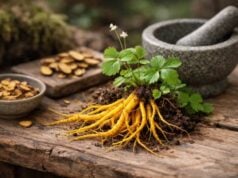
Chocolate vine (Akebia quinata) is a twining woodland vine native to East Asia, prized for its unusual “chocolate-scented” flowers and its purple, pod-like fruit. In herbal traditions, however, the plant is better known for what its stem can do: support comfortable urination, help the body release excess fluid, and ease heat-related irritation—especially when discomfort centers on the urinary tract. Modern research has added detail to this traditional profile by identifying triterpenoid saponins, phenolic acids, and other compounds that may influence inflammatory pathways and oxidative stress in laboratory settings.
Chocolate vine is also a practical example of why plant identity matters. In commerce, similar-looking “Mu Tong” herbs have not always come from the same species, and safety depends on using the correct botanical source. Used appropriately and in reasonable doses, chocolate vine is typically explored as a short-term supportive herb rather than a stand-alone treatment. The sections below explain what it is, what it contains, how people use it, and how to approach dosage and safety with clear, grounded expectations.
Quick Overview for Chocolate Vine
- May support urinary comfort and fluid balance, especially when used short-term and well hydrated.
- Bioactive saponins may help modulate inflammation, but human evidence is limited.
- Typical decoction dose: 3–9 g/day dried stem, adjusted to goals and tolerance.
- Avoid during pregnancy, and use extra caution with kidney disease or diuretic medicines.
- Do not use products labeled “Mu Tong” unless the species is clearly identified as Akebia (not look-alikes).
Table of Contents
- What is chocolate vine?
- Key ingredients and what they do
- Health benefits and realistic uses
- How to use chocolate vine
- How much Akebia per day?
- Side effects, interactions, and who should avoid
- What the evidence actually says
What is chocolate vine?
Chocolate vine (Akebia quinata) is a perennial climbing plant in the Lardizabalaceae family. It is often grown ornamentally for its spring flowers—deep maroon to purple and sometimes described as having a cocoa-like aroma. Later in the season, some varieties produce elongated purple pods that split open to reveal pale, sweet pulp surrounding glossy black seeds. In culinary contexts, the fruit pulp is sometimes eaten fresh, while the seeds may be pressed for oil in some regions.
Medicinally, the part most often discussed is the stem, traditionally used under the name “Akebia stem” or, in East Asian herbal systems, as part of the broader category called Mu Tong. This is where chocolate vine becomes especially important for consumers: “Mu Tong” has historically referred to multiple plant sources, and not all have the same safety profile. Responsible use begins with a simple rule—do not rely on common names alone. A product should clearly state Akebia quinata (or another accepted Akebia species) as the botanical source.
Traditional identity and why it matters
In traditional practice, Akebia stem is generally characterized as:
- Supporting urine flow and clearing heat-related irritation
- Helping relieve dampness-type heaviness (a pattern term often overlapping with fluid retention)
- Supporting certain postpartum or breast-related patterns in formulas (typically under professional guidance)
These uses reflect a “drain and clear” theme more than a “build and stimulate” theme. That distinction helps you choose chocolate vine for the right job: it is usually explored for short-term support—when the body feels puffy, hot, or uncomfortable in the urinary tract—rather than as a daily tonic.
Food plant versus medicinal herb
It is also worth separating the plant’s food side from its herbal side. Eating the fruit pulp is not the same as taking a concentrated stem decoction. The fruit is generally approached as a seasonal food, while stem preparations are approached as medicinal use with dosage, timing, and safety considerations.
A practical mindset is to treat chocolate vine like a “targeted supportive botanical”: useful when the goal matches its traditional strengths, but not a universal solution for every discomfort.
Key ingredients and what they do
Chocolate vine’s medicinal profile is shaped by several compound families that appear repeatedly in analyses of Akebia species. The most talked-about group is triterpenoid saponins, but the plant also contains phenolic compounds and other constituents that may contribute to its traditional “clear and drain” reputation.
Triterpenoid saponins
Saponins are soap-like compounds that can influence membranes and signaling pathways in lab studies. In Akebia quinata, researchers have isolated multiple triterpenoid saponins (often called akebosides or related names), and one of the best-known studied compounds is akebia saponin D. In mechanistic research, these saponins are associated with:
- Modulation of inflammatory signaling cascades
- Antioxidant-response pathway activation
- Potential effects on lipid and metabolic markers in animal models
In real-world use, this does not mean chocolate vine is a stand-alone “anti-inflammatory supplement.” It means there is a plausible biochemical basis for the plant’s traditional use in irritation and heat-type discomfort—particularly when the urinary tract is involved.
Triterpenes and sapogenins
When saponins are broken down, they yield sapogenins such as oleanolic acid and hederagenin (compounds found in many plants). These are often discussed for anti-inflammatory and tissue-protective activities in preclinical work. They help explain why some older experimental studies focused on pain and inflammation models found activity in Akebia stem extracts or fractions.
Phenolic acids and flavonoids
Leaves and flowers, in particular, can be rich in phenolic acids and flavonoids. These include chlorogenic-acid–type compounds and flavonoid glycosides that are commonly studied for antioxidant and vascular-signaling effects. This matters if you are using non-stem preparations such as leaf tea: the “feel” and emphasis can differ from stem decoctions that extract heavier saponins and polysaccharides.
Polysaccharides and other constituents
Like many woody medicinal plants, Akebia species contain polysaccharides and other water-extractable compounds. These can contribute to immune-signaling effects in laboratory models, but they can also affect digestion in sensitive individuals—one reason dosing and duration matter.
The key takeaway: chocolate vine is not defined by a single molecule. Its traditional actions likely come from a synergy of saponins (drain and soothe) and phenolics (protect and buffer), with plant part and preparation shaping which compounds dominate.
Health benefits and realistic uses
Chocolate vine is most often explored for goals that match its traditional “clear heat and promote urination” theme. The most helpful way to think about benefits is to separate supportive outcomes (reasonable) from medical treatment claims (not appropriate for self-care).
1) Urinary comfort and heat-type irritation
Traditional use commonly centers on urinary discomfort characterized by heat sensations: burning, urgency, dark or concentrated urine, or a feeling of damp heaviness in the lower body. In modern language, this overlaps with mild urinary irritation and short-term fluid retention patterns. People sometimes choose chocolate vine when they want a botanical that supports urine flow without relying on harsh stimulants.
Realistic expectations:
- You may notice increased urination within the same day, especially if you are well hydrated.
- Comfort effects are usually subtle and gradual, often noticed over several days.
- If symptoms are severe, persistent, or accompanied by fever, back pain, or blood in urine, treat it as a medical issue.
If you are comparing botanical approaches for urinary comfort, uva ursi urinary support strategies can provide a useful contrast in goals and precautions.
2) Mild fluid retention and “puffy” days
Some people use Akebia stem in short courses when they feel swollen, heavy, or water-logged. The most responsible frame here is “supporting fluid balance,” not “rapid weight loss.” Any scale change from diuresis is typically water, not fat, and it can rebound if the underlying cause is not addressed (salt intake, poor sleep, hormonal shifts, sedentary days).
3) Inflammation-related discomfort
Preclinical studies on Akebia constituents suggest anti-inflammatory potential, and older experimental work focused on pain and inflammation models. Practically, chocolate vine is not usually the first choice for general aches. Its “sweet spot” is inflammation linked to urinary tract irritation or heat-type patterns rather than broad pain management.
4) Emerging areas: metabolic and tissue support
Modern research on Akebia species has explored anti-obesity signals, antioxidant capacity, and tissue-protective pathways in models. These findings are interesting, but they do not automatically translate into predictable human outcomes. If you use chocolate vine for broader wellness, keep expectations modest and treat it as a complement—not a replacement—for foundational habits and appropriate medical care.
Overall, chocolate vine’s most credible benefits are urinary comfort and fluid balance support, with anti-inflammatory potential as a secondary theme rather than the main headline.
How to use chocolate vine
How you use chocolate vine depends on the plant part and the goal. In traditional herbal contexts, the stem is the primary medicinal material, while fruit, leaves, and flowers may be used as foods or gentler preparations. Because product labeling can be inconsistent, it is worth choosing methods that make identity and dosing clearer.
1) Stem decoction (traditional method)
This is the classic approach for Akebia stem. A simple, general method looks like:
- Measure your daily amount of dried stem slices.
- Add to water and bring to a gentle simmer.
- Simmer 20–30 minutes, strain, and divide into 1–2 servings.
Decoction is often chosen because it extracts water-soluble fractions reliably. It can also make the herb’s “draining” nature more noticeable, so hydration matters.
2) Granules or powders
Granules are concentrated decoctions dried into a powder. They are convenient, but the potency varies by manufacturer. If you choose granules:
- Follow the label’s equivalency (how much raw herb the granules represent).
- Start low for several days before increasing.
- Prefer brands that disclose botanical identity and testing.
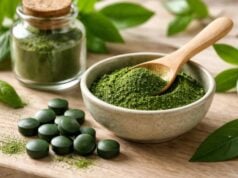
3) Capsules and extracts
Capsules may contain powdered stem, leaf, or fruit extracts. This is where “Akebia” can become vague. Look for:
- Species name (Akebia quinata)
- Plant part (stem vs leaf vs fruit)
- Extract ratio or standardization (if provided)
- Contaminant testing (especially important for long-term use)
4) Food use: fruit pulp
When available, fruit pulp is typically treated as a food—sweet, mild, and seasonal. Food use is not the same as medicinal stem use. If you are experimenting with the fruit, keep it in the “culinary exploration” lane rather than expecting therapeutic effects.
5) Pairing with supportive hydration herbs
Many people pair urinary-support botanicals with soothing, mild options rather than stacking multiple strong diuretics. For example, corn silk for urinary comfort is often discussed as a gentle companion approach, especially when the goal is soothing rather than aggressively increasing urine flow.
The most important “how-to” principle is conservative simplicity: introduce chocolate vine alone, in a clear form, for a clear purpose, and monitor how your body responds before combining it with other herbs.
How much Akebia per day?
Chocolate vine dosing varies by preparation, plant part, and the intensity of the goal. Because most traditional use centers on Akebia stem, the most practical dosing guidance is based on dried stem decoctions, then adapted for modern forms.
Common adult dose ranges (dried stem)
A conservative, widely used decoction range is:
- 3–9 g per day of dried stem, simmered and taken in 1–2 servings
Some traditional formula contexts use higher amounts, but for self-care it is usually wiser to stay in the conservative range unless you are working with a qualified practitioner. If you are sensitive to herbs, start at 3 g/day for 2–3 days and increase only if you tolerate it well.
Granules, powders, and extracts
Because concentration differs by manufacturer, treat label directions as primary. Use these guardrails:
- Start at ½ the label dose for 3–5 days, especially if you are prone to loose stool or frequent urination.
- Increase gradually until you reach the minimum effective dose.
- If you notice dehydration signs (dry mouth, dizziness, very dark urine), reduce dose and prioritize fluids.
Timing and duration
Chocolate vine is typically approached as a short course:
- 3–10 days for acute “puffy” or urinary-comfort goals
- Up to 2–3 weeks only if you have a clear reason and no adverse effects
Timing tips:
- Take earlier in the day if frequent urination disrupts sleep.
- Many people tolerate it better with food, especially in decoction form.
Hydration and electrolytes
Because the intended effect involves fluid movement, hydration is not optional. A practical rule is to drink enough water that your urine stays pale yellow. If you are using chocolate vine during hot weather, heavy exercise, or sauna routines, be cautious about dehydration.
Stacking cautions
Avoid stacking multiple strong “water-moving” herbs unless you have a clear plan. If you already use diuretic-style botanicals such as dandelion for fluid balance, consider alternating rather than combining full doses at the same time.
The “right dose” is the smallest dose that supports your goal without pushing you into frequent bathroom trips, lightheadedness, or digestive upset.
Side effects, interactions, and who should avoid
Chocolate vine is often described as a supportive herb, but safety depends on correct species sourcing, appropriate dosing, and awareness of interactions—especially because its traditional role involves fluid regulation.
Common side effects
Most side effects are dose-related and improve when you reduce or stop:
- Frequent urination and thirst (especially if you do not increase fluids)
- Lightheadedness (often from dehydration or lower blood pressure)
- Loose stool or stomach discomfort (more likely with higher doses or sensitive digestion)
If you experience severe abdominal pain, rash, swelling, wheezing, or fainting, stop and seek medical care.
Key interaction risks
Because chocolate vine may increase urine flow and influence inflammatory signaling, use extra caution with:
- Diuretics (additive fluid loss and electrolyte shifts)
- Blood pressure medications (increased lightheadedness risk if pressure runs low)
- Lithium (diuretics can raise lithium levels; treat this as a high-risk combination)
- Diabetes medications (diet, hydration, and herb combinations can change glucose patterns indirectly)
If you take daily prescription medication, the safest approach is to consult a clinician or pharmacist before using a diuretic-leaning herb.
Who should avoid chocolate vine
Avoid medicinal use (and consider avoiding entirely unless professionally supervised) if you are:
- Pregnant or trying to conceive (insufficient safety data and traditional cautions)
- Breastfeeding (use only with professional guidance)
- Living with kidney disease, recurrent kidney stones, or significant electrolyte issues
- Prone to low blood pressure, fainting, or dehydration
- Managing active urinary symptoms with fever, flank pain, or blood in urine (needs medical evaluation)
The “Mu Tong” identity warning
One of the most important safety issues is not the herb itself, but misidentification. Products labeled “Mu Tong” have historically come from multiple plant sources, and some non-Akebia sources have raised serious safety concerns. Protect yourself by choosing products that clearly state:
- Akebia quinata (or another accepted Akebia species)
- Plant part (stem)
- Quality testing and reputable sourcing
Combining with other anti-inflammatory herbs
If you are using chocolate vine for irritation and also consider other pain botanicals, be cautious with stacking—especially if you take blood thinners. For a safety-oriented comparison, willow bark pain-relief considerations can help you think through bleeding-risk overlap and when to seek guidance.
Safety with chocolate vine is less about fear and more about fit, sourcing, and conservative dosing.
What the evidence actually says
Chocolate vine has a strong traditional record, but modern research is still catching up to the complexity of how it is used in real herbal practice. Most published work falls into three buckets: phytochemistry (what compounds are present), preclinical pharmacology (how extracts behave in cells and animals), and a smaller amount of early human-adjacent research (quality control, food use, and limited clinical-style studies).
What is supported reasonably well
- Chemical plausibility: Multiple analyses confirm that Akebia species contain triterpenoid saponins and phenolic compounds consistent with the plant’s traditional “clear and soothe” profile. This supports why the herb is repeatedly associated with irritation and heat-type discomfort in historical systems.
- Anti-inflammatory signaling in models: Specific compounds such as akebia saponin D have demonstrated anti-inflammatory pathway effects in laboratory research. These findings help explain the plant’s traditional use in inflammatory discomfort patterns, even though model results do not guarantee the same effects in people.
- Vascular and endothelial signaling themes (mostly preclinical): Leaf-focused research has examined inflammatory activation in endothelial cells and proposed protective mechanisms. This is interesting but still early-stage for practical consumer claims.
Where evidence is limited or mixed
- Direct human outcomes: There are relatively few robust, modern human trials evaluating Akebia stem as a single ingredient for urinary symptoms, edema, or pain. Much traditional use relies on formulas rather than single-herb products, which makes it harder to isolate the effect of chocolate vine alone.
- Dose standardization across products: Decoctions, granules, and extracts can differ dramatically. Without clear standardization, one “Akebia capsule” may be nothing like another.
- Long-term safety data: Traditional use provides some reassurance for appropriate short-term use, but modern long-term safety data in diverse populations is limited—particularly for concentrated extracts.
How to interpret the research as a consumer
A grounded approach looks like this:
- Use chocolate vine for the goals it matches best (urinary comfort and short-term fluid balance), not as a cure-all.
- Choose clear identity and clear plant part (Akebia stem) rather than vague “Mu Tong” labeling.
- Treat it as a short-course supportive herb, reassessing after one to two weeks.
- If you need a predictable clinical outcome (for example, treating infection), prioritize medical evaluation and evidence-based treatment.
A realistic bottom line
Chocolate vine is a credible traditional herb with promising biochemical themes—especially around saponins and inflammation-related signaling. Its strongest practical fit is supportive, short-term use for urinary comfort and fluid balance, with careful attention to sourcing and interactions.
References
- Akebia quinata and Akebia trifoliata – a review of phytochemical composition, ethnopharmacological approaches and biological studies 2021 (Review)
- Traditional uses, phytochemistry, pharmacology, and toxicology of Akebiae Caulis and its synonyms: A review 2021 (Review)
- Phenolic Profile and Fingerprint Analysis of Akebia quinata Leaves Extract with Endothelial Protective Activity 2022 (Preclinical Study)
- The Akebia Genus as a Novel Forest Crop: A Review of Its Genetic Resources, Nutritional Components, Biosynthesis, and Biological Studies 2022 (Review)
- Akebia Saponin D Inhibits the Inflammatory Reaction by Inhibiting the IL-6-STAT3-DNMT3b Axis and Activating the Nrf2 Pathway 2022 (Preclinical Study)
Disclaimer
This article is for educational purposes only and does not provide medical advice, diagnosis, or treatment. Herbal products can be mislabeled, contaminated, or inappropriate for certain health conditions, and they may interact with medications—especially diuretics, blood pressure medicines, diabetes medicines, and lithium. Do not use chocolate vine (Akebia quinata) medicinally if you are pregnant, have kidney disease, have difficulty staying hydrated, or cannot confirm the exact botanical source. Seek medical care urgently for fever, flank pain, blood in urine, severe dehydration symptoms, allergic reactions, or worsening urinary symptoms.
If you found this guide useful, please consider sharing it on Facebook, X (formerly Twitter), or your preferred platform so others can make safer, better-informed choices about chocolate vine.