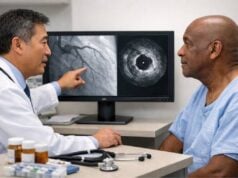
Living with the long-term effects of a stroke can feel less like a single event and more like a new health chapter—one that touches movement, speech, thinking, mood, and energy in uneven ways. Chronic stroke syndrome is a practical term for these lasting changes and the ongoing risks that follow a stroke or transient ischemic attack (TIA). Some people recover quickly, while others face persistent weakness, slowed thinking, pain, or fatigue that can fluctuate with sleep, stress, infections, or medication changes. The encouraging truth is that the chronic phase is still an active phase: the brain can relearn, the heart and blood vessels can be protected, and daily function can improve—often months or even years later—when rehabilitation and prevention are tailored and consistent.
Table of Contents
- What chronic stroke syndrome means
- Why strokes happen and who is at risk
- Common long-term symptoms and complications
- How doctors evaluate the chronic phase
- Treatment and recovery: what helps most
- Daily management, prevention, and when to seek care
What chronic stroke syndrome means
A stroke injures brain tissue by interrupting blood flow (ischemic stroke) or causing bleeding (hemorrhagic stroke). Chronic stroke syndrome refers to the ongoing effects after the acute emergency has passed—usually weeks to months later—when recovery, adaptation, and prevention become the main focus. It includes physical, cognitive, emotional, and sensory changes, plus the ongoing risk of another stroke.
Two things are happening at once in the chronic phase:
- The brain is repairing and reorganizing. Surviving networks can “rewire” (neuroplasticity). Recovery often starts fast, then becomes slower and more skill-specific. With the right practice, improvement can still occur long after discharge from the hospital.
- The vascular system still needs protection. The conditions that contributed to the first stroke—high blood pressure, diabetes, atrial fibrillation, smoking, high cholesterol, sleep apnea—often remain active unless treated aggressively.
It helps to think of chronic stroke syndrome as a mix of:
- Residual deficits (what’s left from the original injury): weakness, aphasia, vision loss, numbness.
- Secondary consequences (what develops because of the deficit): shoulder pain from poor positioning, falls from balance problems, deconditioning from inactivity.
- New symptoms that can mimic stroke but are not a new stroke: fatigue spikes, delirium with infection, medication side effects, migraine aura, seizures, or low blood sugar.
A common misconception is that recovery “ends” at 3 or 6 months. In reality, improvement depends less on a calendar date and more on the right inputs: targeted therapy, practice intensity, mood and sleep support, and medical prevention. The chronic phase is also where goals become personal again—returning to work, driving, intimacy, hobbies, and feeling like yourself—so care should be built around what matters most to the individual, not just a checklist of deficits.
Why strokes happen and who is at risk
Most chronic stroke syndromes begin with an ischemic stroke, typically caused by a blood clot that blocks an artery supplying the brain. Common mechanisms include:
- Large-artery atherosclerosis: plaque buildup in carotid or intracranial arteries. Plaque can narrow blood flow or rupture and form a clot.
- Cardioembolism: clots that form in the heart and travel to the brain—often from atrial fibrillation (AFib), recent heart attack, cardiomyopathy, or heart valve disease.
- Small-vessel disease: damage to tiny brain arteries, strongly linked to long-standing high blood pressure, diabetes, and aging. This can cause lacunar strokes and contributes to gait problems and cognitive slowing.
- Hemorrhage-related injury: uncontrolled blood pressure, cerebral amyloid angiopathy (more common with older age), anticoagulant complications, vascular malformations, or aneurysm rupture.
Risk factors cluster into three groups—useful because it shows where change is possible:
1) High-impact medical risks
- High blood pressure (often the biggest driver of both ischemic and hemorrhagic stroke risk)
- AFib and other rhythm disorders
- Diabetes or insulin resistance
- High LDL cholesterol and other lipid disorders
- Prior TIA or stroke
2) Lifestyle and environmental risks
- Tobacco exposure (including secondhand smoke)
- Sedentary time and low cardiorespiratory fitness
- Heavy alcohol intake or binge drinking patterns
- Diet high in sodium and ultra-processed foods, low in fiber and potassium-rich produce
- Untreated sleep apnea
3) Factors that shape recovery and complications
- Depression, anxiety, social isolation
- Frailty, low muscle mass, poor nutrition
- Poor medication access or complexity (too many pills, confusing schedules)
A practical “chronic phase” insight: risks are not static. For example, AFib can be intermittent and missed early; sleep apnea may become more obvious after stroke; blood pressure can rise months later if weight increases or medications are stopped. This is why follow-up is not just routine—it is how hidden causes are uncovered and prevention becomes more precise.
Common long-term symptoms and complications
Chronic stroke symptoms depend on where the brain was injured and how large the injury was, but certain patterns are especially common. Many people experience a blend of visible and invisible symptoms—so it is normal for someone to “look fine” yet struggle in daily life.
Movement and balance
- Weakness or heaviness on one side (hemiparesis), slowed coordination, foot drop
- Spasticity (tight, stiff muscles), cramps, or involuntary posturing
- Poor balance, dizziness, falls, fear of falling
- Shoulder pain, hand swelling, or limited range of motion from poor positioning and disuse
Speech, language, and swallowing
- Aphasia (difficulty finding words or understanding language)
- Dysarthria (slurred or weak speech)
- Dysphagia (swallowing problems), which can lead to weight loss or aspiration pneumonia
Vision and sensory changes
- Visual field loss, double vision, neglect (not noticing one side)
- Numbness, tingling, altered temperature or pain perception
- Central post-stroke pain—burning or stabbing pain that can be difficult to treat
Thinking, mood, and energy
- Slowed processing speed, reduced attention, memory issues
- Executive dysfunction (planning, multitasking, problem-solving)
- Depression, anxiety, emotional lability (tearful or irritable episodes)
- Post-stroke fatigue that feels disproportionate to activity
Complications that deserve special attention
- Recurrent stroke or TIA: new neurological symptoms are not “just a bad day.”
- Seizures: can appear months later; sometimes subtle (brief confusion, staring).
- Infections and delirium: urinary or lung infections can temporarily worsen old deficits.
- Deconditioning and weight changes: less activity can raise blood pressure and glucose, increasing risk again.
One practical way to track symptoms is to separate them into:
- Fixed deficits (usually stable): a persistent visual field cut.
- Fluctuating deficits (often treatable triggers): fatigue spikes with poor sleep, dehydration, low iron, medication side effects, infections, or low mood.
- New deficits (urgent): sudden weakness, speech changes, facial droop, vision loss, severe imbalance, or a “worst headache.”
Naming symptoms clearly—and noticing patterns—helps clinicians target treatment and helps families understand that recovery is rarely linear.
How doctors evaluate the chronic phase
In the chronic phase, evaluation has two goals: (1) confirm the stroke mechanism and optimize prevention, and (2) measure disability in a way that guides rehabilitation and daily supports.
1) Medical review and risk reassessment
Clinicians typically revisit:
- Blood pressure patterns (including home readings) and medication tolerance
- Cholesterol management and adherence
- Diabetes control (A1c trends, hypoglycemia risk)
- Heart rhythm monitoring if AFib is suspected (short ECGs can miss intermittent AFib)
- Medication interactions, bleeding risk, and kidney/liver function if on anticoagulants
- Sleep quality and screening for sleep apnea
2) Brain and vessel imaging (when needed)
Not everyone needs repeat imaging, but it may be used to:
- Clarify stroke type or location if early records are incomplete
- Evaluate carotid disease or intracranial narrowing
- Investigate new symptoms, suspected seizures, or cognitive decline
- Assess complications such as hydrocephalus after hemorrhage or silent infarcts
3) Functional assessments that shape rehab
Rehabilitation planning works best when it is measurable. Teams may use:
- Mobility and balance testing (walking speed, endurance, fall risk)
- Upper-limb function measures (grip, dexterity, functional reach)
- Speech-language evaluation for aphasia, dysarthria, and swallowing safety
- Cognitive screening that includes attention and executive function, not only memory
- Mood screening for depression/anxiety and caregiver strain
4) “Diagnosis” in the chronic sense
Chronic stroke syndrome is not a single lab result. It is a clinical picture confirmed by history, exam, and prior imaging—then refined by identifying the dominant problems:
- Is the main limiter spasticity, weakness, apraxia, neglect, pain, or fatigue?
- Is the biggest danger recurrent stroke from AFib, uncontrolled blood pressure, or carotid disease?
- Is cognition limited by vascular injury, depression, sleep apnea, medication effects, or all three?
A useful chronic-care habit is the two-list approach:
- What is improving and should be pushed? (e.g., walking distance, word-finding)
- What is risky and must be protected? (e.g., falls, aspiration, uncontrolled BP, medication nonadherence)
This keeps follow-up focused and avoids drifting into “we’ll see” care that misses preventable setbacks.
Treatment and recovery: what helps most
The best chronic stroke outcomes come from combining secondary prevention (to stop another stroke) with rehabilitation (to regain function and independence). These are not competing priorities—they reinforce each other.
Secondary prevention: protecting the brain’s blood supply
Treatment depends on stroke type and cause, but common elements include:
- Antiplatelet therapy for many non-cardioembolic ischemic strokes (often a single agent long-term). Short-term dual antiplatelet therapy may be used in specific high-risk scenarios under clinician guidance.
- Anticoagulation for atrial fibrillation and other cardioembolic sources, when appropriate. Correct dosing matters; kidney function and interactions must be reviewed.
- Blood pressure control with a personalized target and a regimen the person can actually follow. In chronic care, the “best” drug is often the one taken consistently without side effects.
- Cholesterol lowering (often with high-intensity statins after ischemic stroke) and add-on therapy when LDL goals are not met.
- Diabetes management that avoids both high glucose and dangerous lows, especially in older adults or those with cognitive impairment.
- Targeted procedures when indicated (for example, carotid intervention in select patients with significant symptomatic stenosis).
Rehabilitation: rebuilding function and participation
High-yield rehab is specific, repetitive, and meaningful:
- Task-based practice: walking practice for walking, reaching practice for reaching.
- Strength and aerobic training: often underused, but essential for endurance, mood, blood pressure, and fall prevention.
- Constraint-induced movement therapy (for select patients) to push use of the weaker arm.
- Spasticity management: stretching and positioning first, then medications or focal treatments when tone blocks function, hygiene, or sleep.
- Speech-language therapy: for aphasia, speech clarity, and swallowing strategies; technology-assisted practice can extend therapy time.
- Cognitive rehabilitation: structured routines, external memory aids, attention training, and environmental simplification.
A practical expectation: recovery usually comes as small, bankable wins—one safer transfer, fewer choking episodes, a clearer phone call, a longer walk without stopping. Those wins compound when therapy intensity is sustained and barriers (pain, depression, poor sleep) are treated directly.
Daily management, prevention, and when to seek care
Daily management is where chronic stroke syndrome is truly won or lost. The goal is to make the healthy choice the easy choice—through routines, supports, and early response to red flags.
Build a prevention routine you can keep
Many people do best with a simple daily checklist:
- Medication system: pill organizer, phone alarms, or blister packs; one pharmacy when possible.
- Home blood pressure checks: same time of day, seated, after resting; record trends rather than one-off spikes.
- Movement plan: aim for most days of the week. Even 10–15 minute blocks add up. Include:
- walking or cycling for endurance
- strength work 2–3 days/week (guided if balance is limited)
- balance practice to reduce falls
- Sleep protection: consistent bedtime, screen reduction, and evaluation for sleep apnea if snoring or daytime sleepiness is present.
- Food pattern: lower sodium, higher fiber, more fruits/vegetables/legumes, adequate protein; avoid “all-or-nothing” dieting that collapses after two weeks.
Prevent complications at home
- Falls: remove loose rugs, add grab bars, use proper footwear, review sedating meds.
- Swallow safety: follow prescribed textures, take small bites, stay upright after meals, watch for coughing or wet voice.
- Skin and shoulder care: protect the weaker arm with proper support; avoid pulling on it during transfers.
- Mood and isolation: schedule social contact like a medication—regular, planned, non-negotiable. Treat depression early; it directly affects recovery and adherence.
When to seek urgent care
Call emergency services immediately for sudden:
- one-sided weakness or numbness
- face droop or new speech/language trouble
- vision loss, severe imbalance, or inability to walk
- a “worst headache,” especially with vomiting or neck stiffness
- seizure, new confusion, or loss of consciousness
Also contact a clinician promptly for slower changes that still matter:
- repeated falls, worsening swallowing, weight loss, medication side effects, new incontinence, or steadily declining memory.
Chronic stroke syndrome is demanding, but it is not static. With consistent prevention and purposeful rehabilitation, many people regain skills, protect independence, and reduce the risk of a second stroke—step by step, with realistic goals and a plan that fits their life.
References
- 2021 Guideline for the Prevention of Stroke in Patients With Stroke and Transient Ischemic Attack: A Guideline From the American Heart Association/American Stroke Association 2021 (Guideline)
- 2024 Guideline for the Primary Prevention of Stroke: A Guideline From the American Heart Association/American Stroke Association 2024 (Guideline)
- Stroke rehabilitation in adults: summary of updated NICE guidance 2024 (Guideline)
- Stroke rehabilitation in adults 2023 (Guideline)
Disclaimer
This article is for general education and does not replace individualized medical advice, diagnosis, or treatment. Stroke symptoms and complications can be urgent; if you think you or someone else may be having a stroke, seek emergency care immediately. Treatment choices—especially blood thinners, antiplatelet medicines, blood pressure targets, and rehabilitation plans—must be tailored by a qualified clinician who knows the patient’s medical history and imaging results.
If you found this helpful, please consider sharing it on Facebook, X (formerly Twitter), or any platform you prefer, and follow us on social media. Your support through sharing helps our team continue producing high-quality health content.