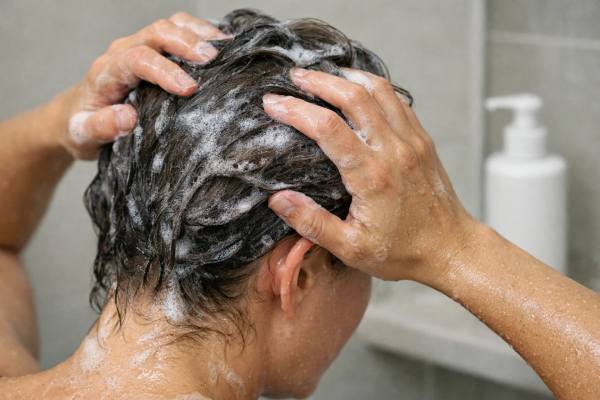
A clarifying shampoo is a reset button for hair that feels “off”: heavy at the roots, dull through the lengths, or strangely resistant to styling. Unlike most daily shampoos, clarifiers are designed to remove stubborn buildup—think styling polymers, dry shampoo residue, excess oil, and minerals that can cling to the hair shaft. Used well, they can restore bounce, improve lathering and rinsing, and help conditioners and treatments perform the way they were meant to.
Used too often, though, clarifying can tip into roughness, fading, and scalp irritation—especially if your hair is color-treated, curly, or already dry. The sweet spot is personal and changes with your water, products, and wash routine. This guide breaks down what clarifying shampoo actually removes, the clearest signs you need it, how often to use it by hair and scalp type, and a practical method that leaves hair clean without feeling punished.
Quick Summary
- Clarifying shampoo removes stubborn product film and mineral residue that can weigh hair down and dull shine.
- A well-timed clarifying wash can improve root lift, reduce “greasy but coated” feel, and help masks and conditioners penetrate evenly.
- Overuse can increase dryness, color fading, and scalp irritation, especially on damaged or textured hair.
- Most people do best clarifying every 2–6 weeks, adjusting for styling load, water hardness, and scalp oiliness.
- Apply mainly to the scalp and roots, rinse thoroughly, and follow with conditioner or a repairing treatment the same day.
Table of Contents
- What clarifying shampoo actually removes
- Signs your hair needs clarifying
- How often to clarify safely
- How to clarify without damage
- Choosing a clarifier for your needs
- When to skip clarifying shampoo
What clarifying shampoo actually removes
A clarifying shampoo is best understood by what it targets: the “invisible layers” that accumulate on hair and scalp. Over time, many routines leave behind a mix of oil, sweat, skin cells, and product ingredients that do not fully rinse away with a gentle cleanser. Clarifying formulas typically use stronger cleansing surfactants (and sometimes chelators) to lift that film more completely.
Here are the main categories clarifying shampoos are designed to remove:
- Styling polymers and resins: Many gels, mousses, heat protectants, and volumizers rely on film-formers that cling to the hair for hold and humidity resistance. They can build up into a stiff, dull layer if not periodically removed.
- Silicones, waxes, and heavy conditioners: Some smoothing and anti-frizz products use water-insoluble ingredients that are excellent for slip and shine, but harder to wash out completely. Not all silicones behave the same; some rinse easily, others are more tenacious. If you use these products regularly, clarifying can be a helpful maintenance step rather than a “detox.” For a deeper look at why some silicone films accumulate and how they can still be protective, see how silicones protect hair and when buildup happens.
- Dry shampoo residue: Dry shampoo is effective because it adds powders and starches that bind oil. Those powders can also cling to the scalp and leave a gritty “coated” feel until properly cleansed.
- Hard water minerals: Calcium and magnesium can deposit on hair, especially when combined with certain product films. This can make hair feel rough, tangly, and harder to lather.
- Environmental grime: Pollution particles, smoke exposure, and dust can become trapped in oil and product layers.
Clarifying is not the same as exfoliating. A clarifying shampoo is primarily a cleanser; it dissolves and lifts residue. Exfoliating products (like salicylic acid shampoos) are more about loosening compacted dead skin and scale. Clarifying is also not the same as chelating, although the terms overlap. A chelating shampoo specifically includes ingredients that bind minerals (like calcium) so they rinse away more easily. Some clarifiers include chelators; others are simply stronger cleansers.
One myth worth dropping: clarifying shampoo does not “purge toxins” from hair. Hair is dead fiber once it leaves the scalp. What clarifying can do—very effectively—is remove what is sitting on the surface so hair behaves like hair again: lighter, cleaner, and more responsive to conditioning.
Signs your hair needs clarifying
The best time to clarify is when you can clearly name a problem that buildup would reasonably cause. That keeps clarifying purposeful rather than habitual, which is how you avoid dryness and fading.
Common signs that a clarifying wash may help include:
- Roots that look oily quickly but feel “coated” rather than clean. This often happens when dry shampoo, heavy stylers, or conditioner residue mixes with sebum.
- Hair that is suddenly flat, stringy, or hard to style. You may feel like your usual products stopped working or your hair cannot hold volume the way it used to.
- Dullness that does not improve with conditioning. A film on the shaft can block light reflection and make hair look muted even when it is moisturized.
- Poor lathering and rinsing. If your shampoo seems to sit on the hair without foaming (despite adequate water), or you rinse and rinse but hair still feels slippery or waxy, buildup is a common culprit.
- Tangles and roughness that start near the crown. Mineral deposits and product film often accumulate where you apply the most product and where water hits first in the shower.
- An itchy, “stuffy” scalp without obvious rash. Residue can trap sweat and irritants. This is not the same as dandruff or eczema, but it can make the scalp feel unsettled.
Triggers that make clarifying more likely to be useful:
- Frequent use of dry shampoo, hair fibers, texturizing sprays, or strong hold products
- Regular oiling of the scalp or heavy leave-ins applied near the roots
- Swimming (chlorinated pools can interact with hair and products, and rinsing is not always enough)
- Hard water at home, especially if hair feels rough despite conditioning
- Infrequent washing with heavy styling (buildup has more time to compact)
One important nuance: flakes do not automatically mean you need a clarifying shampoo. Flakes can come from dry scalp, dandruff, seborrheic dermatitis, psoriasis, or contact irritation. Clarifying might temporarily reduce residue, but it can also sting and worsen sensitivity if the underlying issue is inflammatory. If you suspect your main issue is buildup from styling and residue, the practical steps in how to fix product buildup without wrecking your hair can help you confirm it and choose the gentlest solution that works.
A simple test: after a clarifying wash (followed by conditioner), hair should feel cleaner at the roots and lighter overall within one day. If the scalp feels tight, itchy, or prickly afterward, the formula may be too strong for you, or clarifying may not be the right tool for your main concern.
How often to clarify safely
“How often should I use a clarifying shampoo?” is really three questions: how much residue you create, how quickly your scalp oils, and how fragile your hair is right now. A good frequency is one that keeps hair responsive without creating dryness or irritation.
For most people, a practical range is every 2 to 6 weeks. Within that range, your routine can lean more frequent or less frequent depending on these factors:
1) Scalp oiliness and wash frequency
If your scalp gets oily quickly and you rely on dry shampoo or stylers, buildup can accumulate faster. Clarifying can help, but it should not replace a regular cleansing rhythm. Many people with oily scalps do better washing regularly with a gentle shampoo, then clarifying only when needed. If oily roots are your main challenge, a structured oily-scalp wash routine can reduce the need for frequent “reset” washes.
2) Hair texture and porosity
Curly, coily, and very dry hair often benefits from less frequent clarifying because the hair fiber tends to be drier and more prone to roughness. If you clarify too often, curls can lose definition and feel brittle. Lower-porosity hair can feel coated easily, but it can also feel squeaky and stiff after strong cleansing—so gentler clarifying and good conditioning matter.
3) Color and chemical processing
Bleached, highlighted, relaxed, and repeatedly colored hair is more vulnerable. Clarifying too often can fade color and increase tangling. If your hair is color-treated, a slower schedule is usually safer, and you may prefer a chelating clarifier used occasionally rather than a very strong detergent-style formula.
4) Water quality and swimming
Hard water and swimming often shift the schedule more than people realize. If you notice roughness, dullness, or reduced lathering after travel or pool time, clarifying (especially with chelators) may be appropriate sooner.
A helpful starting schedule, then adjust:
- Heavy styling, dry shampoo, oily scalp: every 1–2 weeks
- Moderate styling, normal scalp: every 3–4 weeks
- Dry scalp, curly or coily hair, color-treated or damaged hair: every 4–8 weeks
- Extensions, very fragile hair, or active breakage: use only as needed, often less than monthly, and consider a gentler formula
Two signals you are clarifying too often:
- Hair feels clean but oddly rough or “squeaky” even after conditioner
- Ends look drier and frizzier within a week, and color looks less rich
Two signals you are not clarifying often enough (given your routine):
- Roots seem perpetually coated or flat despite washing
- Products stop performing and hair feels heavy soon after wash day
The goal is not a perfect calendar. The goal is a pattern: clarify when buildup is clearly interfering, then return to a routine that maintains scalp comfort and hair softness.
How to clarify without damage
Clarifying shampoo works best when you treat it as a targeted scalp cleanse, not a full-length scrub. The most common mistake is overworking the lengths, which are older, drier, and more prone to friction damage.
A reliable method looks like this:
- Detangle before the shower. Gentle detangling on dry hair reduces snapping when hair is wet and swollen.
- Soak thoroughly. Clarifying shampoos need water to distribute evenly. A quick rinse is rarely enough—take an extra 20–30 seconds to fully saturate the scalp.
- Emulsify in your hands. Rub the product between palms before applying. This helps you avoid concentrated “hot spots” on the scalp.
- Apply to scalp and roots first. Use fingertips (not nails) and massage in small circles for 30–60 seconds. Focus on the hairline, crown, and behind the ears—common buildup zones.
- Let the foam rinse through the lengths. You usually do not need to scrub the mid-lengths and ends. The runoff is often enough to cleanse them.
- Rinse longer than you think. Residue and surfactant left behind can cause itching and dullness. Aim for a full minute of rinsing, longer for thick hair.
- Repeat only if needed. If you used heavy product, oils, or multiple layers of dry shampoo, a second quick cleanse at the scalp can be useful. If hair is fine or dry, one cleanse is often enough.
- Condition immediately. Clarifying lifts residue, but it can also increase friction. Apply conditioner from mid-lengths to ends, and consider a mask if hair feels dry.
On clarifying days, hair often benefits from a repairing step. That could be a richer conditioner, a mask, or a bond-supporting treatment if your hair is bleached or heat-styled. If you are rebuilding after damage, bond repair strategies that actually help can help you choose a treatment that fits your hair’s condition without creating more buildup.
A few safety guardrails:
- Do not “stack” harsh steps. If you clarify, skip other strong exfoliants or high-alcohol stylers that day if your scalp is sensitive.
- Avoid very hot water. Heat increases scalp sensitivity and can worsen post-wash tightness.
- Be careful with freshly colored hair. If your color fades easily, clarify before a color appointment rather than right after, unless a stylist advises otherwise.
- Stop if your scalp burns. Mild tingling from menthol is one thing; burning or stinging suggests irritation or an ingredient sensitivity.
Done correctly, clarifying should leave the scalp comfortable and hair lighter, not stripped. Your best indicator is how hair feels 24 hours later: soft at the ends, clean at the roots, and easier to style.
Choosing a clarifier for your needs
Clarifying shampoos vary widely. Some are simply strong cleansers; others are “hybrid” formulas that clarify while also supporting the scalp barrier. Choosing the right type can determine whether clarifying feels refreshing or like a setback.
If your main issue is product buildup:
Look for a clarifier with strong cleansing surfactants and minimal heavy conditioning agents. Many effective formulas use anionic surfactants that lift oils and polymers well. If you get buildup easily but your scalp is sensitive, you may do better with a formula that combines stronger cleansing with scalp-soothing ingredients and avoids intense fragrance.
If your main issue is hard water residue:
Choose a product that clearly includes chelating ingredients. These bind minerals so they rinse away rather than re-depositing. Hard water can make hair feel rough and look dull, and it can also interfere with lathering. If you suspect water hardness is part of your story, how mineral buildup affects hair and scalp can help you recognize the pattern and decide whether you need a chelating clarifier specifically.
If your hair is color-treated or chemically processed:
Prioritize a clarifier that is effective without being overly harsh, and plan for strong conditioning afterward. You may also do better clarifying less often, using it as an occasional reset rather than a regular step. If color fades quickly for you, avoid “extra strength” clarifiers as a default.
If your scalp is itchy or flaky:
Clarifying may help if the itch is residue-related, but it is not a reliable treatment for dandruff or inflammatory scalp conditions. In those cases, the more useful approach is often a targeted active shampoo (antifungal or exfoliating) chosen for the scalp diagnosis, plus a gentle routine in between. If flakes persist, clarify less and focus on the right scalp strategy.
If you use oils regularly:
Oils are not inherently bad, but they can trap dust and bind to powders and film-formers. A clarifier can be helpful, but the gentlest fix may be adjusting where you apply oil (mid-lengths rather than scalp) and how much you use.
A quick label-reading checklist:
- For mineral issues: look for chelators and mention of hard water or mineral removal
- For sensitive scalp: prefer fewer fragrances and fewer potential irritants
- For fragile hair: avoid choosing the most aggressive formula as your first option
- For heavy product routines: choose a formula that clearly states buildup removal
You do not need a dozen shampoos. You need one regular cleanser that suits your scalp and one occasional clarifier that solves a specific problem without creating a new one.
When to skip clarifying shampoo
Clarifying shampoo is not a universal good. There are times when it can make hair and scalp feel worse, either because the formula is too strong for your current hair condition or because buildup is not the real problem.
Consider skipping clarifying shampoo (or switching to a gentler option) if:
- Your scalp is inflamed, tender, or actively flaring. Eczema, psoriasis, and seborrheic dermatitis can make the barrier more reactive. Strong cleansers can sting and prolong irritation.
- You have obvious rash, oozing, or persistent burning. That pattern deserves evaluation rather than experimentation.
- Your hair is breaking easily. Over-clarifying increases friction and can make breakage worse, especially if you scrub the lengths.
- You just had a chemical service. Bleaching, relaxing, perming, and some color processes already stress the cuticle. Give hair time, then clarify only if there is a clear need and you can follow with conditioning.
- You are chasing flakes without a diagnosis. Some flakes are from dryness, not buildup. If your scalp feels tight and your flakes are dry and powdery, clarifying can worsen the cycle.
If you are dealing with flakes or itch, it helps to separate dry scalp from dandruff because the solutions differ. This guide on dandruff versus dry scalp can help you choose the right next step before you reach for a stronger cleanser.
Safer alternatives when clarifying feels too harsh:
- Improve technique first. Focus shampoo on the scalp, rinse thoroughly, and avoid piling conditioner near the roots. Many “buildup” complaints are really “not rinsed enough.”
- Use a gentle double cleanse. Two rounds with a mild shampoo can remove more residue than one harsh wash, with less dryness.
- Target the problem area only. If roots are coated but lengths are dry, clarify only the scalp and use a moisturizing shampoo on the lengths.
- Clarify less often and pair with repair. If clarifying helps but leaves hair rough, extend the interval and commit to conditioning and gentle handling afterward.
Finally, if you notice increased shedding, do not assume clarifying shampoo is the cause. Shedding often reflects timing, stressors, hormones, nutrition, or scalp inflammation. Strong cleansing can increase breakage or make shed hairs more noticeable during washing, but it is rarely the true driver. If hair loss feels sudden, patchy, painful, or persistent, it is worth getting a clear diagnosis rather than changing shampoos repeatedly.
References
- The Impact of Shampoo Wash Frequency on Scalp and Hair Conditions 2021
- With or without Silicones? A Comprehensive Review of Their Role in Hair Care 2025 (Review)
- Hair Product Allergy: A Review of Epidemiology and Management 2024 (Review)
- Contact Dermatitis Due to Hair Care Products: A Comprehensive Review 2024 (Review)
- Tips for healthy hair 2024 (Clinical Guidance)
Disclaimer
This article is for educational purposes only and does not provide medical advice, diagnosis, or treatment. Hair and scalp symptoms can have many causes, including contact dermatitis, seborrheic dermatitis, psoriasis, eczema, infections, and medication or hormone-related changes. Clarifying shampoos can cause dryness or irritation, and they may worsen symptoms in people with sensitive or inflamed scalps. If you have persistent itch, burning, rash, pain, open skin, patchy hair loss, or heavy shedding that does not improve, seek evaluation from a qualified healthcare professional. Always patch test new products if you have a history of sensitivity, and consider speaking with a clinician if you use prescription scalp treatments or have underlying skin conditions.
If this guide helped you, consider sharing it on Facebook, X (formerly Twitter), or any platform you prefer so others can choose clarifying shampoos more safely and effectively.