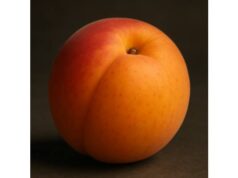
Clementines are small, easy-peel citrus fruits prized for their bright sweetness, tender segments, and seedless convenience. They deliver a notable hit of vitamin C alongside hydration, light fiber, and refreshing flavor with few calories. In the kitchen, clementines bridge snacks and recipes: they brighten salads, salsas, yogurt bowls, seafood glazes, and baked goods, and the zest perfumes dressings and marinades. As members of the mandarin family, they are typically milder and less acidic than standard oranges, with thin peels that make them a lunchbox favorite. This guide takes a practical, people-first look at clementines: what they offer nutritionally, how they may support health, potential risks and interactions, how to choose and store them for best quality, simple prep tips that preserve nutrients, and smart portion ideas. You will also see how clementines compare with other citrus, and get clear answers to the most common questions—so you can enjoy them with confidence.
Fast Facts
- One clementine (≈74 g) provides about 36 mg vitamin C; 100 g provides ≈49 mg (about half the Daily Value).
- Typical serving: 2 small fruits (≈150 g), 3–5 times per week fits most healthy eating patterns.
- Safety: citrus allergy or oral allergy syndrome can trigger mouth itching or swelling; peel oils may irritate skin.
- Limit or avoid: individuals with citrus allergies, active reflux sensitive to acidic foods, or those on drugs with known citrus–drug cautions.
Table of Contents
- Clementines: Detailed Overview
- Clementine Nutrition Profile
- Evidence-Based Benefits of Clementines
- Risks, Allergies and Interactions
- Selecting Quality, Sustainability and Storage
- Preparation, Cooking and Nutrient Retention
- Portions, Comparisons and FAQs
Clementines: Detailed Overview
Clementines (Citrus × clementina) are a sweet, seedless mandarin hybrid known for their easy-to-peel, thin rind and delicate segments. They thrive in cooler months and peak from late fall through winter. Compared with navel oranges, clementines are smaller, less acidic, and typically juicier per bite, making them especially appealing to children and anyone who wants a quick, tidy snack.
From a nutrition standpoint, clementines earn their place for vitamin C density and hydration. Per 100 g—about two-thirds to one whole fruit, depending on size—they supply roughly half of the Daily Value (DV) of vitamin C with just ~47 kcal. That vitamin C supports collagen production (skin, gums, connective tissue), immune cell function, and the absorption of non-heme iron from plant foods. Clementines also contribute small amounts of B-vitamins (notably thiamin), potassium, and folate, and they contain a range of flavonoids such as hesperidin and narirutin naturally present in mandarin-type citrus.
Culinarily, clementines are versatile. Their segments can be tossed into grain bowls; their zest lifts vinaigrettes, yogurt, and baked goods; and their juice balances savory sauces, glazes, and quick pickles. Because the peel is thin, they are best for zesting fresh; the skin dries quickly once removed from the fruit.
Clementines also differ in storage and handling. They bruise less easily than some mandarins but are more perishable than thick-skinned oranges. Kept cool and dry with good airflow, they hold sweetness and juiciness for a week or longer. Their thin membranes and modest fiber content mean they digest comfortably for most people while still offering a light feeling of fullness, especially when paired with protein or fat.
Finally, clementines are convenient. A typical “serving” at home is often two fruits (≈150 g), which pairs naturally with breakfast or a snack. For athletes or busy professionals, they deliver quick carbohydrates and fluid without heaviness. For those watching total sugar, whole clementines—rather than juice—offer a gentler rise in blood sugar thanks to fiber and intact cell structure.
Clementine Nutrition Profile
Below are detailed, scannable nutrient tables per 100 g edible portion. Percent Daily Values (%DV) use current U.S. labeling DVs for adults. Values are rounded to practical precision.
Macros & Electrolytes (per 100 g)
| Nutrient | Amount | %DV |
|---|---|---|
| Energy | 47 kcal | — |
| Water | 86.9 g | — |
| Carbohydrate | 12.0 g | 4% |
| Dietary Fiber | 1.7 g | 6% |
| Total Sugars | 9.2 g | — |
| Protein | 0.85 g | 2% |
| Total Fat | 0.15 g | 0% |
| Saturated Fat | 0.02 g (approx) | 0% |
| Sodium | 1 mg | 0% |
| Potassium | 177 mg | 4% |
Carbohydrates (per 100 g)
| Component | Amount |
|---|---|
| Total Carbohydrate | 12.0 g |
| Sugars (total) | 9.2 g |
| Starch | 0 g |
| Fiber | 1.7 g |
Vitamins (per 100 g)
| Vitamin | Amount | %DV |
|---|---|---|
| Vitamin C (ascorbic acid) | 48.8 mg | 54% |
| Thiamin (B1) | 0.08 mg | 7% |
| Riboflavin (B2) | 0.03 mg | 2% |
| Niacin (B3) | 0.64 mg | 4% |
| Vitamin B6 | 0.08 mg | 5% |
| Folate (DFE) | 24 µg | 6% |
| Choline | 14 mg | 3% |
| Vitamin A, E, K | trace amounts (variable by cultivar and ripeness) | — |
Minerals (per 100 g)
| Mineral | Amount | %DV |
|---|---|---|
| Calcium | 30 mg | 2% |
| Iron | 0.14 mg | 1% |
| Magnesium | 10 mg | 2% |
| Phosphorus | 21 mg | 2% |
| Zinc | 0.05 mg | 0% |
| Copper | 0.04 mg | 5% |
| Manganese | 0.03 mg | 1% |
Bioactives / Phytonutrients
- Flavanones characteristic of mandarin-type citrus include hesperidin and narirutin (levels vary by variety, ripeness, and growing conditions).
- Carotenoids such as beta-cryptoxanthin contribute to the orange hue and may support antioxidant capacity; values vary widely.
Glycemic & Acid–Base Metrics
| Metric | Typical Value (per 100 g, indicative) |
|---|---|
| Glycemic Load | Low for one fruit (intact fruit; varies with size and ripeness) |
| PRAL (acid–base load) | Slightly alkaline forming (around −3 per 100 g) |
Notes and context
- %DV reference values: carbohydrate 275 g, fiber 28 g, protein 50 g, fat 78 g, sodium 2300 mg, potassium 4700 mg, calcium 1300 mg, iron 18 mg, magnesium 420 mg, phosphorus 1250 mg, zinc 11 mg, copper 0.9 mg, manganese 2.3 mg, vitamin C 90 mg, thiamin 1.2 mg, riboflavin 1.3 mg, niacin 16 mg, vitamin B6 1.7 mg, folate 400 µg DFE, choline 550 mg.
- Natural variability: soil, climate, storage, and cultivar shift nutrient values modestly; peel and albedo (white pith) contain additional phytonutrients not reflected in the edible pulp figures.
- Fortification: not applicable to fresh fruit; packaged juices may be fortified—check labels.
Evidence-Based Benefits of Clementines
1) Immune and skin support via vitamin C
Clementines are efficient vitamin C carriers: 100 g supplies roughly half the DV, and two small fruits often meet or exceed daily needs for many adults. Vitamin C supports the function of neutrophils, T-cells, and epithelial barriers, and it is an obligate cofactor in collagen synthesis. Practically, a daily clementine or two can complement vegetables and other fruits to keep overall intake steady across the week. Because the body does not store vitamin C extensively, regular intake matters more than large, occasional doses.
2) Heart and vascular health: citrus flavonoids plus potassium
Mandarin-type citrus provides flavonoids such as hesperidin and narirutin that have been investigated for effects on endothelial function, oxidative stress, and inflammatory signaling. While whole-fruit trials vary, the overall research landscape suggests citrus flavonoids can favorably influence early cardiovascular risk markers when included within a balanced diet and lifestyle. Clementines also naturally provide potassium with negligible sodium, a combination aligned with healthy blood pressure patterns in most adults.
3) Iron absorption from plant foods
Vitamin C enhances non-heme iron absorption by reducing ferric (Fe³⁺) to ferrous (Fe²⁺) iron and forming soluble complexes. A simple habit—add clementine segments to a lentil salad or enjoy one alongside fortified cereal—can increase iron uptake from these foods. This is especially relevant for plant-based eaters, teens, and menstruating individuals with higher iron needs.
4) Hydration, gentle fiber, and weight-management context
Clementines are ~87% water with a modest 1.7 g fiber per 100 g, providing volume and sweetness for relatively few calories. As part of a pattern that centers minimally processed foods, they can support satiety between meals without driving excess energy intake. Combining a clementine with protein (e.g., Greek yogurt, nuts) further improves fullness and steadies appetite.
5) Kidney stone context: urinary citrate
Citrus fruits and juices contribute citrate, which can increase urinary citrate—an inhibitor of calcium stone formation. While orange juice has been studied more than clementines specifically, the mechanism relates to citrate and alkaline load, both relevant to mandarin-type citrus. People with a history of kidney stones should prioritize hydration first and may include whole citrus fruit as part of an individualized plan guided by their clinician.
How to turn benefits into habits
- Breakfast: add segments to oatmeal with walnuts and cinnamon.
- Lunch: toss with arugula, fennel, olive oil, and toasted almonds.
- Dinner: whisk zest and juice into a quick pan sauce for salmon or tofu.
- Snacks: pair two clementines with a boiled egg or a small handful of pistachios.
What not to expect
Clementines are nutrient-dense, but they are not cure-alls. Health outcomes—immunity, heart health, weight—depend on the full pattern: overall diet quality, sleep, movement, stress, medications, and genetics. Whole fruit delivers benefits that juices cannot fully match due to fiber and structural effects on glucose response; favor the fruit when practical.
Risks, Allergies and Interactions
Allergy and oral allergy syndrome (OAS)
Although uncommon, citrus allergy can occur and may present as oral itching, tingling, or mild swelling of lips, mouth, or throat shortly after eating raw fruit. This is often a form of pollen-food allergy (OAS). Symptoms usually remain localized and brief, but people with a history of more serious reactions should seek medical evaluation. As with other OAS triggers, cooking often reduces symptoms; peeling and avoiding the zest (rich in aromatic compounds) may also help.
Skin irritation from peel oils
Citrus peels contain fragrant oils rich in limonene and related compounds. Handling peels or zest may irritate sensitive skin. Washing hands after peeling and avoiding direct peel contact with lips can reduce irritation. Commercial peel oils are more concentrated than fresh zest and should be handled with care.
Gastroesophageal reflux (GERD) sensitivity
The acidity and aroma compounds in citrus can worsen heartburn for some individuals with active reflux. If you notice symptoms, try smaller portions, pair fruit with yogurt or nuts, and avoid eating close to bedtime. Choose gentler fruits on flare-up days.
Pesticide residues and peel
Soft citrus (mandarins, tangerines, clementines) may be treated post-harvest with antifungal agents to limit spoilage. While overall U.S. and EU monitoring shows the large majority of sampled produce falls below regulatory limits, residues are typically higher on the peel. Practical steps: choose fruit with intact skin, wash and dry before peeling, avoid zesting waxed fruit unless it is labeled untreated, and consider organic when you plan to use zest.
Medication considerations: citrus–drug interactions
Grapefruit and some hybrids can alter the metabolism of certain medications through compounds in the peel and juice that affect intestinal enzymes. Clementines belong to the mandarin group and are not typically implicated the same way; nonetheless, if you take drugs with known grapefruit warnings (for example, certain statins, calcium-channel blockers, or immunosuppressants), review safe fruit choices with your prescriber. When in doubt, favor whole clementines (pulp) over large volumes of peel-heavy beverages, and avoid extracts unless cleared by your clinician.
Food safety
Store clementines cool and dry with airflow. Discard fruit with soft spots, off odors, visible mold, or fermented taste. Do not consume spoiled segments; mold growth can penetrate beyond the visible area.
Who should limit or avoid clementines?
- Individuals with confirmed citrus allergy or severe OAS reactions.
- People with uncontrolled reflux aggravated by citrus.
- Patients on medications with firm citrus restrictions until cleared by their clinician.
- Anyone advised to follow low-potassium diets should count clementines toward their daily allowance.
Selecting Quality, Sustainability and Storage
How to choose great clementines
- Weight and feel: Pick fruit that feels heavy for its size (a proxy for juiciness). The peel should feel taut yet thin; slight looseness is normal in mandarins, but large air gaps can indicate dryness.
- Color: Rich orange hue with minimal green. A light “halo” color is fine; avoid brown soft spots. Green tinge near the stem can still be ripe in some cultivars.
- Aroma: A bright, sweet citrus aroma signals ripeness. A fermented or musty smell suggests spoilage.
- Skin: Minor superficial scarring is common and purely cosmetic; deep cuts or punctures reduce shelf life.
Storage for best quality
- Countertop (cool room, 18–20°C): 3–5 days. Keep in a ventilated fruit bowl, away from direct sunlight and heat.
- Refrigerator (crisper drawer, high airflow): 7–14 days. Transfer to a breathable bag or leave loose; do not seal in airtight plastic.
- Pre-peeling: If you need grab-and-go snacks, peel just before eating. Pre-peeled segments dry quickly and risk off-flavors; if you must prep ahead, store segments in a covered container in the refrigerator and consume within 24–48 hours.
- Freezing: For smoothies or sauces, peel and segment, remove membranes if desired, spread on a tray to freeze, then store in bags for up to 3 months. Texture softens on thawing, so use for blending or compotes.
Reducing waste
- Use the zest: If the fruit is unwaxed and the peel untreated, zest before juicing; freeze zest in small portions.
- Citrus-salt or sugar: Mix finely grated zest with salt or sugar; dry and store to season roasted vegetables, seafood, or baked goods.
- Peel infusions: Steep clean strips of peel in hot water for a fragrant tea; discard after brewing.
- Compost: If zesting is not an option (waxed or treated peels), compost the peels.
Sustainability pointers
- Buy in mesh bags (better airflow, less spoilage) or individual fruits to avoid overbuying.
- Prioritize local or regional produce in season to reduce transport emissions.
- Store separate from ethylene-sensitive produce (e.g., leafy greens) to prevent premature wilting.
Quality troubleshooting
- Dry segments: Likely from older fruit or warm storage. Shift storage to the refrigerator and buy smaller quantities more often.
- Bitter pith: The albedo is naturally bitter; zest lightly and avoid deep pith when peeling for salads.
Preparation, Cooking and Nutrient Retention
Retain vitamin C and aroma
- Minimal heat and time: Vitamin C is heat-sensitive and water-soluble. Add segments or juice at the end of cooking—e.g., finish a pan sauce off the heat with clementine juice to preserve freshness.
- Avoid prolonged air exposure: Vitamin C oxidizes; zest and juice right before using, and cap containers promptly if prepping ahead.
- Keep the cell walls intact: Whole segments slow sugar absorption and protect vitamin C. Prefer fruit to juice, especially for everyday use.
Peeling and segmenting efficiently
- Roll fruit gently on the counter to loosen segments without crushing.
- Pinch the stem end, lift the peel, and spiral it off.
- For clean membranes in salads, score the peel top to bottom and pull the fruit into halves; then separate segments along the natural seams.
Flavor building without heavy sugar
- Savoury glazes: Reduce a splash of vegetable stock with ginger and garlic; off the heat, whisk in clementine juice and a small knob of butter or olive oil.
- Herb pairing: Clementine loves mint, basil, dill, tarragon, and rosemary.
- Acid balance: Combine with a softer acid like rice vinegar for dressings that taste bright but gentle.
- Salt control: Citrus amplifies perceived saltiness; you can season more lightly and still achieve depth.
Smart pairings for nutrient synergy
- Iron absorption: Pair with legumes, leafy greens, or iron-fortified grains to boost non-heme iron uptake.
- Fat-soluble carotenoids: Add a bit of healthy fat (olive oil, tahini, nuts) to help absorb carotenoids from salads or salsas.
- Protein for satiety: Greek yogurt, cottage cheese, tofu, or nuts tame the glycemic effect of fruit sugars.
Cooking ideas that keep nutrients high
- Quick sauté: Sear shrimp or tofu; deglaze with a small amount of clementine juice and zest, finish off-heat.
- Roasted tray bake: Roast carrots and fennel; toss with segments and herbs after roasting.
- No-cook salsa: Dice clementine segments with avocado, red onion, jalapeño, and cilantro for fish tacos.
- Yogurt topping: Segments, chopped pistachios, zest, and a drizzle of honey on thick yogurt.
Food safety and prep hygiene
- Wash fruit under running water before peeling to prevent transferring microbes from skin to segments.
- If zesting, choose unwaxed, peel-untreated fruit when possible; scrub gently with a vegetable brush.
Portions, Comparisons and FAQs
Portion guidance
- Everyday snack: 2 small clementines (≈150 g).
- Active days: 2–3 fruits paired with nuts or yogurt for a balanced snack.
- For kids: 1–2 fruits, depending on appetite; supervise peeling for young children.
- Frequency: Enjoy clementines 3–5 times per week within total fruit goals (e.g., 1½–2 cups fruit/day for many adults).
How clementines compare with other citrus (per 100 g, typical)
- Clementine vs. orange: Similar calories; clementines are often slightly lower in acid with comparable vitamin C per weight.
- Clementine vs. grapefruit: Grapefruit is larger and more acidic with slightly fewer sugars per equal weight; note medication cautions with grapefruit that generally do not apply to clementines.
- Clementine vs. tangerine/mandarin: Nutritionally close cousins; differences are minor and depend on variety and ripeness.
Budget and convenience tips
- Buy in season for best price and flavor (late fall–winter).
- Choose mesh bags for families; singles for households that prefer peak freshness and minimal waste.
- If zesting frequently, look for fruit explicitly labeled as unwaxed or peel untreated.
Frequently asked questions
Are clementines “too sugary”?
Whole clementines contain natural sugars packaged with water, fiber, and phytonutrients. For most healthy adults, 1–2 fruits at a time is appropriate. If you track carbohydrates (e.g., for diabetes), count one clementine as ~9 g total carbohydrate.
Is juice as good as whole fruit?
Juice lacks intact fiber and can lead to faster rises in blood glucose. Use juice sparingly for flavor; rely on whole segments day to day.
Do clementines boost immunity?
They contribute vitamin C and plant compounds that support normal immune function. No single food prevents illness, but regular fruit and vegetable intake—including clementines—supports a resilient immune system.
Can clementines help with kidney stones?
Citrus contributes citrate, which can raise urinary citrate (a stone inhibitor). Hydration is the cornerstone of prevention; include whole citrus fruit as part of a clinician-guided plan if you have a stone history.
What about supplements with citrus bioflavonoids?
Whole foods provide a balanced matrix and are generally preferred. If you are considering high-dose supplements, consult your clinician, especially if you take medications or have chronic conditions.
Is the peel edible?
Technically yes, but it is bitter. Use zest sparingly for flavor. Because peels may carry residues or waxes, choose clean, properly labeled fruit for zesting; otherwise, compost the peel.
References
- Nutrition Facts for Clementines (2025).
- Daily Value on the Nutrition and Supplement Facts Labels (2024).
- The role and mechanism of citrus flavonoids in cardiovascular disease prevention (2022) (Systematic Review).
- Nutrition and Kidney Stone Disease (2021) (Review).
- Revisiting Fruit Allergy: Prevalence across the Globe, Diagnosis, and Strategies for Management (2023) (Systematic Review).
Disclaimer
This information is for educational purposes only and is not a substitute for personalized medical advice, diagnosis, or treatment. Always consult your physician or a registered dietitian about dietary choices, allergies, or potential food–drug interactions, especially if you have chronic conditions, are pregnant or breastfeeding, or take prescription medications.
If you found this guide helpful, please consider sharing it on Facebook, X (formerly Twitter), or your favorite platform to support our work in creating reliable, reader-first nutrition content.