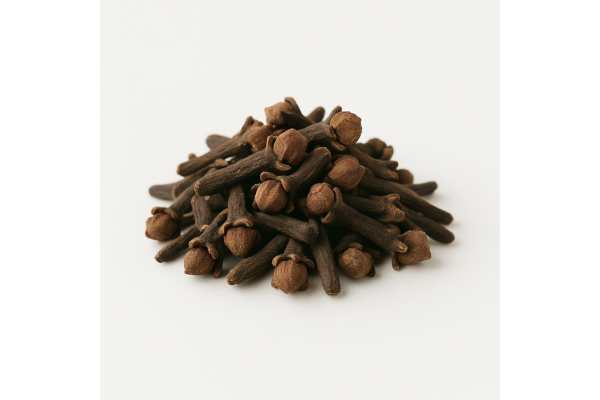
Clove is a small spice with a surprisingly big footprint in both traditional medicine and modern kitchens. These dried flower buds of the clove tree have an intense, warming flavor and an essential oil rich in eugenol, a compound studied for its antioxidant, antimicrobial, and soothing properties. Ground or whole, cloves appear in spice blends, baked goods, savory stews, pickles, and spiced drinks across many cuisines.
From a nutrition perspective, cloves are low in calories but dense in flavor, polyphenols, and aroma compounds. They are used in such small amounts that they rarely shape your macronutrient intake, yet they can meaningfully contribute to the overall antioxidant profile of a meal. At the same time, clove oil and concentrated extracts are powerful and need careful handling, particularly in children, pregnancy, and people with certain medical conditions. This article explains how clove works, how to use it in practical portions, and how to enjoy its benefits while minimizing risks.
Clove Essential Insights
- Clove is a highly aromatic dried flower bud rich in eugenol and polyphenols that may support oral health, antioxidant status, and digestive comfort.
- Concentrated clove oil and large supplemental doses can irritate the mouth and gut and may stress the liver in vulnerable individuals.
- A practical culinary portion is about 1–3 whole cloves or 1/8–1/4 teaspoon (0.25–0.5 g) of ground clove per serving, used a few times per week.
- People with liver disease, bleeding disorders, upcoming surgery, or those using anticoagulant or antiplatelet medications should be cautious with clove oil and high-dose clove supplements.
Table of Contents
- Clove Spice Detailed Overview
- Clove Nutrition Profile and Actives
- Clove Evidence-Based Health Benefits
- Clove Risks Allergies and Interactions
- Selecting Clove Quality and Storage
- Clove Preparation Cooking and Retention
- Clove Portions Comparisons and FAQs
Clove Spice Detailed Overview
Clove is the dried, unopened flower bud of the clove tree, a tropical evergreen species native to the Maluku Islands in Indonesia and now grown widely across parts of Asia, Africa, and South America. The buds are harvested when they turn from green to a pinkish hue, then carefully dried until they become the dark brown, nail-shaped spice many people recognize. The name “clove” itself comes from the Latin word for nail, reflecting this distinctive shape.
As a spice, clove has been valued for centuries, both as a flavoring and a preservative. Historically it was traded along long-distance spice routes and once commanded very high prices, becoming a symbol of status in European kitchens. Today, it is much more accessible, but it still carries an aura of depth and warmth that signals festive or comfort foods in many cultures.
The flavor of clove is intensely aromatic, warm, and slightly sweet with a numbing, almost tingling sensation on the tongue when used in higher amounts. This comes largely from its essential oil, which is dominated by the compound eugenol. Because the taste is so strong, clove is usually used sparingly, often in combination with other spices rather than as a solo seasoning.
Culinary uses of clove are diverse:
- Whole cloves are studded into onions or citrus for simmered stocks, mulled drinks, and stews.
- Ground clove appears in baking (gingerbread, spice cakes, cookies), pumpkin or apple pies, and spice blends like garam masala.
- Clove is a classic ingredient in pickling mixtures, chai-style teas, and spiced coffee blends.
- In some cuisines, it is used to flavor rice dishes, meat marinades, and legume stews.
Beyond the kitchen, clove has long held a place in traditional medicine systems for toothache relief, digestive support, and general stimulation. Modern products include clove-based mouthwashes, dental gels, and aromatherapy oils. However, the line between helpful and irritating can be quite thin: the same concentrated oil that numbs tooth pain can burn soft tissues if applied or ingested carelessly.
Understanding clove as both a potent flavor and a powerful botanical extract is key. As a culinary spice, it enriches foods in tiny amounts. As an essential oil or supplement, it behaves more like a concentrated herbal medicine, requiring respect, careful dosing, and professional guidance.
Clove Nutrition Profile and Actives
Nutritionally, clove is best described as a low-calorie, nutrient-dense flavor ingredient whose impact comes mainly from its bioactive compounds rather than its macronutrients. Because it is used in very small quantities, it rarely contributes significantly to daily calorie or protein targets, but it can meaningfully add to the overall antioxidant and phytochemical load of the diet.
On a per-gram basis, dried clove contains a mixture of carbohydrates, fiber, small amounts of protein and fat, and various minerals. If you were to analyze 100 grams of cloves, you would find several hundred calories, substantial fiber, and notable amounts of manganese, calcium, magnesium, and small amounts of vitamin K. However, most individual servings are closer to 0.25–1 gram, translating to just a few calories and a fraction of the fiber and mineral content.
The real interest lies in clove’s essential oil and polyphenolic profile. The essential oil fraction can account for a significant portion of the spice’s weight and is dominated by eugenol, often comprising more than half of the volatile compounds. Eugenol is responsible for clove’s characteristic aroma, its warming and slightly numbing taste, and many of its biological actions, including local anesthetic, antimicrobial, and antioxidant effects.
Additional active compounds in clove include:
- Eugenyl acetate, a derivative of eugenol that contributes to aroma and bioactivity.
- Beta-caryophyllene and other terpenes that add to the aroma and may have anti-inflammatory effects.
- Tannins and other phenolic compounds that provide astringency and act as antioxidants.
- Flavonoids such as kaempferol and quercetin derivatives that may contribute to clove’s antioxidant and vascular effects.
Clove has been shown in laboratory settings to possess high antioxidant capacity compared with many other spices, reflecting the dense concentration of these phenolic compounds. In practical culinary terms, adding clove to dishes can modestly increase the total antioxidant content of the meal, especially when combined with other spices, herbs, fruits, and vegetables.
Because clove’s essential oil is so concentrated, small differences in amount can significantly alter both flavor and physiological effects. A few whole cloves simmered in a pot of stew distribute their compounds across many servings. A few drops of essential oil, by contrast, can correspond to the eugenol content of many grams of the whole spice. This magnification is what makes clove oil useful in some dental and topical preparations but also raises the risk of irritation or toxicity if misused.
From a nutritional standpoint, the takeaway is straightforward: clove as a spice contributes negligible calories but significant flavor and phytochemical richness. Its active ingredients, particularly eugenol and associated phenolics, are responsible for many of the potential benefits and virtually all of the serious risks, depending on dose and form.
Clove Evidence-Based Health Benefits
The health reputation of clove comes from a combination of traditional use and growing scientific interest in its active compounds, especially eugenol. Most modern research focuses on clove extracts or essential oil rather than typical culinary amounts, so it is important to distinguish between what is plausible with everyday use and what requires more concentrated preparations.
One of the best-supported roles for clove is in oral and dental health. Eugenol has long been used in dentistry as part of temporary fillings and as a local anesthetic and antiseptic. Clove oil and clove-containing mouth rinses can reduce bacterial load, soothe minor toothache, and freshen breath when used carefully and in appropriately diluted forms. For minor dental discomfort, applying a tiny amount of diluted clove oil on a cotton swab has been a traditional approach, although this should never replace professional dental evaluation.
Clove also shows notable antioxidant and anti-inflammatory activity in experimental models. Extracts of clove have been observed to neutralize free radicals and to modulate inflammatory signaling pathways in cell and animal studies. These effects suggest a potential protective role against oxidative stress and low-grade inflammation, which are relevant to cardiovascular and metabolic diseases. However, translating these findings into specific human health outcomes remains an ongoing area of research.
Several small clinical and preclinical studies suggest that clove extracts may help with blood sugar regulation. Proposed mechanisms include slowing carbohydrate digestion, improving insulin sensitivity, and influencing glucose uptake in cells. Some work has also explored clove’s effects on blood lipids, with suggestions of improved cholesterol profiles in certain experimental settings. Human data are still limited and often involve clove alongside other herbs, so clove should not be viewed as a stand-alone treatment for diabetes or dyslipidemia.
Digestive comfort is another traditional use with some mechanistic support. Clove is considered carminative in many traditional systems, meaning it may help reduce gas and bloating and gently stimulate digestive function. In culinary settings, clove is often paired with legumes, brassicas, and rich meats, which aligns with this perceived role. Small amounts in food are usually sufficient; larger doses or undiluted oil can have the opposite effect and irritate the gut.
Finally, clove’s antimicrobial properties are of interest. Clove oil shows activity against a range of bacteria, fungi, and yeasts in laboratory tests. This has led to its inclusion in natural cleaning products, food preservation research, and topical preparations. While these properties are promising, real-world effectiveness depends on concentration, formulation, and contact time, and they should not be seen as a replacement for established infection prevention and treatment strategies.
Overall, clove appears to offer several potential health benefits, particularly in supporting oral health, contributing antioxidant and anti-inflammatory compounds, and assisting digestive comfort. These effects are most reliably accessed when clove is used as part of a varied, plant-forward diet and in evidence-informed topical or dental products, rather than through self-directed high-dose supplementation.
Clove Risks Allergies and Interactions
Clove is powerful enough that the same properties which make it useful can become problematic if it is used inappropriately or in excessive amounts. Understanding the main risks helps you make informed decisions about forms, doses, and frequency.
The most important distinction is between culinary clove and concentrated clove oil. Whole or ground clove used in cooking is generally safe for most healthy adults when used in small quantities. Clove essential oil, however, is highly concentrated and can be irritating or toxic if swallowed, applied undiluted to the skin, or used in large amounts.
Eugenol, the main active compound in clove oil, can irritate the mouth, throat, esophagus, and stomach lining if exposure is too high. In serious cases, especially in children, ingestion of clove oil has been associated with nausea, vomiting, abdominal pain, drowsiness, and signs of liver injury. Very high doses can be dangerous and require urgent medical attention. This is why clove oil should always be stored out of reach of children and never used as a home remedy by giving it by mouth to infants or young children.
Liver health is a key consideration. High doses of eugenol have been linked to liver damage in experimental models and human case reports involving clove oil ingestion. People with existing liver disease, those who drink heavily, or those taking multiple medications that stress the liver should be especially cautious. For these individuals, it is sensible to limit clove to modest culinary use and to avoid clove oil or high-dose supplements unless supervised by a healthcare professional.
Clove can also influence blood clotting. Eugenol has mild antiplatelet properties, which means it can reduce the ability of platelets to form clots. In most healthy people using culinary amounts, this effect is negligible. However, in people taking anticoagulant or antiplatelet medications, or those with bleeding disorders, there is theoretical concern that high-dose clove supplements or heavy use of clove oil could increase bleeding risk. Anyone in these groups should avoid concentrated clove products unless these are specifically approved by their doctor.
Allergic and irritant reactions are another risk. Some individuals develop contact dermatitis from topical clove oil, or oral burning and irritation from clove-containing products. Symptoms can include redness, itching, swelling, or blistering of the skin or mouth. If such reactions occur, clove should be discontinued and medical advice sought, especially if symptoms are severe or involve breathing difficulty.
Pregnancy, breastfeeding, and childhood deserve special mention. While clove as a culinary spice is widely used in many cultures during pregnancy and is generally considered acceptable in small amounts, clove oil and high-dose supplements are not well studied in these groups. Given the potential for liver and clotting effects, a cautious approach is justified. Children, with their smaller body size and more sensitive tissues, are particularly vulnerable to concentrated oils. It is safer to rely on mild culinary use and professionally formulated products rather than home dosing with clove oil.
In summary, clove in food is usually safe in modest amounts, but concentrated clove oil and supplements are potent and should be treated with respect. People with liver disease, bleeding disorders, upcoming surgery, pregnancy, or children in the household need to be especially careful, prioritizing low doses, appropriate formulations, and professional guidance.
Selecting Clove Quality and Storage
Choosing good-quality cloves and storing them correctly makes a noticeable difference in both flavor and safety. Fresh, well-kept cloves are more aromatic, more efficient at seasoning, and less likely to tempt you into overuse.
Whole cloves are often the best starting point. When you look at them closely, you will see a bulbous, rounded head and a slender stem. Higher quality cloves tend to be plump, heavy for their size, and slightly oily to the touch. A simple home test is to drop a clove into water: cloves that float horizontally may be older and drier, while those that sink or stand upright are often fresher and richer in oil. This test is not perfect but can be a practical guide.
Ground cloves are convenient but lose volatile oils faster than whole buds. If you use ground clove, choose products that smell strongly warm and sweet when you open the container. A weak or musty smell suggests the spice is old. Because clove is so potent, buying smaller quantities more often usually gives better results than keeping a large jar for years.
Label reading is important, particularly for blends and manufactured products. For pure clove, the ingredient list should simply say clove or clove buds, sometimes with the botanical name Syzygium aromaticum. Spice blends for baking, pumpkin pie, or garam masala may contain significant amounts of sugar, salt, or fillers, so clove is only part of the picture. Clove oils, tinctures, and supplements should clearly state clove as the primary ingredient and specify the concentration or standardization of eugenol if they are marketed for health uses.
Sustainability is an emerging consideration with spices. Clove trees are long-lived perennials that can support local livelihoods in tropical regions. Products that highlight fair trade practices, farmer cooperatives, or organic cultivation may support more responsible growing and trade, although these labels do not automatically guarantee better labor conditions or higher quality. Diversifying your spice use and buying from companies that are transparent about sourcing and testing can contribute to a more sustainable spice market.
Storage conditions have a strong impact on clove quality. To preserve aroma and active compounds:
- Keep cloves in airtight containers, preferably glass jars with tight lids.
- Store them in a cool, dry, dark cupboard away from the stove, oven, or dishwasher.
- Avoid moisture and direct sunlight, which accelerate spoilage and loss of volatile oils.
Whole cloves often keep their character for two to three years under good storage, though the aroma will gradually fade. Ground cloves usually peak within about one year and then decline more quickly. Old cloves are rarely unsafe but may be so dull that they invite excessive use, which can push intake higher than necessary.
If you notice visible mold, insect damage, a sour or rancid smell, or any unusual discoloration, it is best to discard the cloves. Good-quality, fresh clove has a strong but clean aroma; if you need to inhale deeply to detect it, your cloves are probably past their prime.
Clove Preparation Cooking and Retention
Clove works best when treated as a powerful accent rather than a main flavor. Learning how to handle whole and ground clove helps you harness its complexity while avoiding bitterness or overpowering heat.
Whole cloves are ideal for dishes that cook for a long time, such as stews, curries, rice dishes, and mulled drinks. They slowly release their essential oil into the cooking liquid, seasoning the entire dish. Because biting into a clove can be too intense for many people, it is common to insert them into a piece of onion, citrus, or a bay leaf so they are easy to remove before serving. One to three whole cloves are often enough for a family-size pot, depending on the dish and your taste.
Ground clove is better suited for batters, doughs, and spice blends where you want even distribution. It combines well with cinnamon, nutmeg, ginger, allspice, and cardamom in baked goods and desserts. Because it is so strong, recipes rarely call for more than 1/4–1/2 teaspoon of ground clove in a full batch. Using more can lead to a medicinal, overpowering flavor that dominates other ingredients.
Toast and grinding can enhance clove’s flavor if done gently. Lightly toasting whole cloves in a dry pan over low heat for a minute or two, until aromatic, can deepen their flavor profile. They can then be ground with other spices in a mortar and pestle or spice grinder. It is important not to burn them; darkened or smoking cloves quickly become bitter and harsh.
From a nutrient retention perspective, most of clove’s key compounds are relatively heat-stable within the range of normal cooking. Prolonged boiling and high dry heat will gradually drive off volatile oils, so adding ground clove toward the end of cooking or using whole cloves that infuse over time can both work well depending on the recipe. What matters most is how the spice integrates with the dish and how pleasant the final flavor is.
Clove also has a role in drinks and remedies. In many traditions, a clove or two is added to hot water, milk, or tea along with ginger, cinnamon, or cardamom to create warming beverages. These infusions extract some of the aromatic and phenolic compounds into the liquid. As with food, moderation is important; a cup of spiced tea containing one or two cloves can be enjoyable and comforting, while multiple strong clove teas each day may become irritating, especially in people with sensitive stomachs.
If you are experimenting with clove for the first time, a simple approach is to use about half the amount you think you might want, then adjust gradually in future batches. Because clove is easy to overdo and hard to correct once added, starting low and building up is a safer strategy. When a dish does end up too clove-heavy, diluting the flavors by adding more base ingredients (such as broth, vegetables, or grains) is often the best fix.
Clove Portions Comparisons and FAQs
Deciding how much clove is appropriate, how it compares with other spices, and how it fits into different health situations can be challenging. This section offers practical guidance to help you use clove confidently.
For most healthy adults, a reasonable culinary range is about 1–3 whole cloves or 1/8–1/4 teaspoon (0.25–0.5 g) of ground clove per serving, used a few times per week. Larger occasional uses, such as over holiday periods or for special recipes, are generally well tolerated in people without underlying liver or clotting issues. Problems are more likely when clove oil or strong teas are used daily, or when clove-rich foods and supplements are combined without awareness of total intake.
Children, especially those under school age, are more sensitive due to smaller body size and more reactive tissues. For them, clove should be used sparingly in food, and clove oil should not be given by mouth or applied undiluted to the skin or gums. If parents are using clove for a child’s discomfort, such as a toothache, it should be under professional advice, with child-safe formulations and dosages.
Compared with other warm spices, clove is among the most potent. Cinnamon, allspice, nutmeg, and cardamom all give warmth and sweetness but are usually more forgiving. Allspice, for example, has flavor notes reminiscent of clove, cinnamon, and nutmeg combined, but it typically lacks clove’s numbing intensity and is less associated with significant toxicity in normal culinary doses. This is why many recipes use a small pinch of clove alongside larger amounts of other spices.
Clove supplements and oils occupy a different category. Capsules may contain powdered clove, clove extract, or isolated eugenol. Some are marketed for digestive support, blood sugar control, or antimicrobial effects. Because these products can deliver the equivalent of many grams of clove or concentrated eugenol, they require thoughtful evaluation. Anyone with liver disease, bleeding risk, pregnancy, breastfeeding, or significant medication use should consult a healthcare professional before using such supplements.
Common questions include:
Can clove cure toothache or dental infection?
Clove oil can temporarily numb tooth pain and may reduce bacterial activity in the mouth, but it does not treat the underlying cause of toothache, such as decay or infection. It is best used as a short-term comfort measure in diluted form while arranging professional dental care.
Is clove good for digestion?
In small amounts, clove may support digestion by reducing gas and enhancing flavor, which can encourage slower, more mindful eating. However, strong clove preparations or excessive amounts may irritate the stomach, especially in people with gastritis, ulcers, or reflux.
Can clove help with blood sugar or cholesterol?
Some research suggests clove extracts may modestly influence blood sugar and lipid markers. Yet these effects are generally small and observed in controlled settings using specific doses and preparations. Clove should not be relied on as a primary treatment for metabolic conditions; instead, it can complement a balanced diet and medical treatment plan.
Who should avoid or strictly limit clove?
People with known liver disease, bleeding disorders, or allergies to clove should be particularly cautious. Those taking anticoagulants, antiplatelet drugs, or multiple liver-metabolized medications should avoid clove oil and high-dose supplements and keep culinary use modest. Pregnant and breastfeeding individuals and caregivers of young children should focus on small culinary amounts within diverse diets.
Used thoughtfully, clove can be a valuable addition to a health-conscious kitchen—contributing flavor, tradition, and phytochemicals—while respecting the clear boundaries needed to keep it safe.
References
- Peer-reviewed reviews on Syzygium aromaticum (clove) essential oil composition, eugenol, and antioxidant properties in human nutrition and food science.
- Clinical and experimental studies examining clove and clove extract in oral health applications, including dental analgesia and antimicrobial effects in the mouth.
- Research on clove’s potential roles in blood sugar regulation, lipid metabolism, and markers of metabolic syndrome using standardized extracts and dietary interventions.
- Toxicology and safety assessments describing the effects of clove oil and eugenol on liver function, clotting, and adverse events in adults and children.
Medical Disclaimer
The information in this article is for general educational purposes only and is not intended as a substitute for professional medical advice, diagnosis, or treatment. Clove and clove-derived products can interact with medical conditions and medications, particularly those affecting the liver and blood clotting. Always consult a physician, dentist, pharmacist, or registered dietitian before using clove oil, clove supplements, or large amounts of clove as part of a health strategy, changing your medication regimen, or treating symptoms such as pain or infection. Never delay seeking or disregard professional medical advice because of something you have read online.
If you found this overview of clove helpful, you are welcome to share it with others on Facebook, X (formerly Twitter), or any platform you prefer. Sharing thoughtful, evidence-informed articles supports ongoing work to provide clear, practical health and nutrition information for a wider audience.