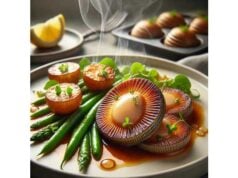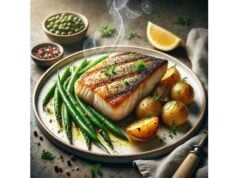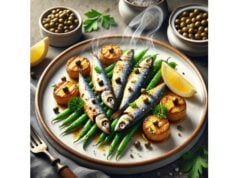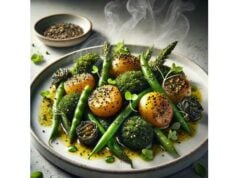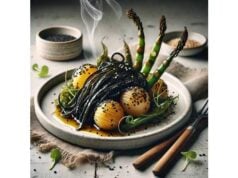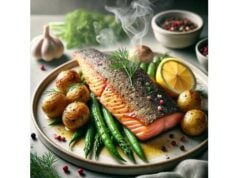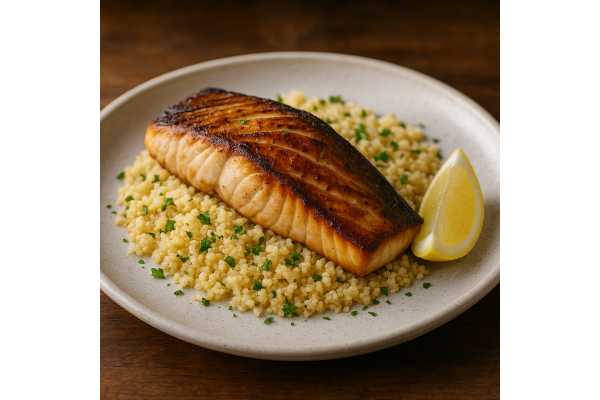
Cobia (Rachycentron canadum) is a firm, mildly sweet, white-fleshed finfish loved by chefs for its meaty texture and versatility. Thick fillets handle high heat on the grill or pan without drying, yet they’re delicate enough for crudo when sourced and handled appropriately. Beyond flavor, cobia serves up lean, high-quality protein with modest calories and naturally occurring micronutrients—most notably selenium. It’s available wild from U.S. waters and increasingly from aquaculture, improving year-round access. Like many larger predators, cobia can accumulate mercury, so frequency and portion size matter for certain groups. This guide distills what cooks and health-minded readers need most: a detailed, per-100-gram nutrition profile, practical and evidence-based benefits, clear safety guidance, sustainability and quality cues at the fish counter, step-by-step cooking methods that protect nutrients, and realistic portion planning with comparisons and FAQs to help you choose cobia confidently—and cook it well.
Fast Facts
- Lean, high-protein choice: about 19 g protein and ~87 kcal per 100 g.
- Notable micronutrient: selenium around 36.5 µg per 100 g supports antioxidant defenses.
- Safety caveat: as a larger predatory fish, cobia can contain mercury; vary species and watch frequency.
- Typical serving: 85 g (3 oz) cooked; plan at least 8 oz seafood weekly within overall dietary guidance.
- Limit or avoid: people who are or may become pregnant and young children should prioritize lower-mercury species; if choosing cobia, keep portions modest and rotate.
Table of Contents
- Cobia basics and context
- Cobia nutrition profile
- Evidence-based cobia benefits
- Risks, allergies and interactions
- Selecting, quality, sustainability and storage
- Preparation, cooking and nutrient retention
- Portions, comparisons and FAQs
Cobia basics and context
Cobia is a warm-water pelagic fish found in tropical and subtropical seas. In the United States it’s most common from Virginia south through the Gulf Coast, with seasonal movements that bring it nearshore in warmer months. Markets may label it “lemonfish,” “ling,” or “sergeantfish,” but the experience is consistent: thick, resilient fillets that turn snowy white when cooked and offer a gentle sweetness that stands up to bold seasoning.
Culinary versatility is cobia’s calling card. The sturdy flesh performs beautifully under high heat—pan-seared with a golden crust, roasted on a vegetable “raft,” or grilled over direct flames. Because the fish is naturally lean, a light brush of oil or a pat of butter helps with browning and mouthfeel. The neutral flavor profile welcomes spice blends (blackened, berbere), herb-citrus marinades, miso-ginger glazes, or Mediterranean accents like olives and capers. For raw uses (sushi, crudo, poke), its firmness yields clean slices and a satisfying bite—provided you source appropriately frozen, sushi-grade product and keep handling scrupulously cold and hygienic.
Availability has improved thanks to responsibly managed U.S. fisheries and expanding aquaculture, so many retailers now offer fresh or flash-frozen portions year-round. When shopping, look for moist, glossy fillets without browning or gaping. A fresh, “ocean-clean” smell is non-negotiable. Frozen portions should be vacuum-sealed with minimal frost or ice crystals.
From a nutrition standpoint, cobia resembles other lean white fish but stands out for protein density and meaningful selenium. Per 100 g raw, it delivers roughly 19 g protein for ~87 kcal, with very little total fat, negligible saturated fat, and no carbohydrate. That profile suits strength and endurance goals, cardiometabolic eating patterns, and weight-conscious meal planning. One caveat is mercury. As a larger, fast-growing predator that feeds up the food chain, cobia can accumulate methylmercury; rotation with lower-mercury species and attention to weekly totals is wise, particularly for pregnancy and early childhood.
Cobia nutrition profile
Below are nutrients per 100 g raw cobia, with % Daily Value (%DV) using U.S. reference DVs for a 2,000-kcal diet. Values are rounded for label-style clarity.
Macros and Electrolytes (per 100 g, raw)
| Nutrient | Amount | %DV |
|---|---|---|
| Energy | 87 kcal | — |
| Protein | 18.99 g | 38% |
| Total Fat | 0.64 g | 1% |
| Saturated Fat | 0.12 g | 1% |
| Carbohydrate | 0 g | 0% |
| Total Sugars | 0 g | — |
| Dietary Fiber | 0 g | 0% |
| Cholesterol | 40 mg | 13%* |
| Sodium | 135 mg | 6% |
*Cholesterol %DV uses a daily value of 300 mg.
Minerals (per 100 g, raw)
| Mineral | Amount | %DV |
|---|---|---|
| Selenium | 36.5 µg | 66% |
Fats and Fatty Acids (per 100 g, raw)
| Component | Amount | Notes |
|---|---|---|
| Total Fat | 0.64 g | Very lean overall |
| Saturated Fat | 0.12 g | Low |
| Polyunsaturated Fat | variable | Varies by wild vs. farmed and feed |
| EPA + DHA (Omega-3) | variable | Typically modest for lean species |
Allergens and Intolerance Markers
- Finfish proteins are common allergens. Cross-reactivity among finfish is possible; those with confirmed finfish allergy should avoid cobia unless medically advised otherwise.
Contaminants/Residues
- Mercury: Larger predatory fish may contain more methylmercury. Follow age- and pregnancy-specific fish advice and rotate species.
Footnotes and methods:
- %DV benchmarks: Protein 50 g; Total Fat 78 g; Saturated Fat 20 g; Carbohydrate 275 g; Cholesterol 300 mg; Sodium 2,300 mg; Selenium 55 µg.
- Values reflect raw, unfortified cobia. Nutrients vary by region, season, farming practices, feed composition, and handling.
How to use this profile: If you’re targeting higher omega-3 intake for triglyceride management, rotate cobia with oily fish (e.g., salmon, sardines) during the week. If you want maximum protein for minimal calories, cobia is a strong centerpiece with room on the plate for fiber-rich sides and healthy fats.
Evidence-based cobia benefits
Protein density for muscle and satiety. With nearly 19 g protein per 100 g at ~87 kcal, cobia provides a high protein-to-calorie ratio. That helps support muscle repair after training, preserves lean mass during weight loss, and enhances satiety when you structure meals around protein and vegetables. Compared with fattier fish, cobia lets you allocate calories to nourishing sides—whole grains, legumes, and produce—without sacrificing fullness.
Selenium for antioxidant defenses and thyroid enzymes. Cobia naturally supplies meaningful selenium (about two-thirds of the DV per 100 g). Selenium is a critical cofactor for glutathione peroxidases and thioredoxin reductases—enzymes that limit oxidative damage—and for deiodinases that activate and deactivate thyroid hormones. Adequate selenium intake supports antioxidant balance and normal thyroid function; seafood is a reliable dietary source.
B-vitamin support for energy metabolism. Cobia is often described as providing B-vitamins such as riboflavin (B2), niacin (B3), and vitamin B6, which participate in energy-releasing reactions and amino-acid metabolism. In practice, lightly cooked preparations retain more of these water-soluble vitamins than prolonged, high-heat methods; pairing cobia with a produce-rich plate rounds out folate and vitamin C that fish lack.
Seafood patterns and heart health. Eating seafood regularly (at least weekly) is linked to better cardiometabolic outcomes and supports replacing higher-saturated-fat meats. Lean fish like cobia help you meet protein needs while moderating calories and saturated fat. For cardio-specific omega-3 targets (EPA/DHA), include oily fish on other days.
Pregnancy and early life. During pregnancy, a pattern that includes seafood is associated with positive neurocognitive outcomes in children. The key is selecting lower-mercury species most often and moderating higher-mercury fish. Cobia can fit into an overall plan when portions are modest and balanced with predominantly lower-mercury choices through the week.
Kitchen practicality that protects nutrients. Cobia’s firm texture withstands quick searing, broiling, or grilling, which limits heat exposure and helps retain water-soluble B-vitamins compared with long simmering. Gentle, moist methods like steaming or en papillote also protect nutrients while keeping sodium low if you season with herbs, spices, citrus, and a small amount of oil.
Diet-pattern flexibility. Cobia is naturally gluten-free, very low in fat, and carbohydrate-free. It adapts to Mediterranean, high-protein, DASH-aligned, and lower-carb frameworks, and it pairs well with potassium- and fiber-rich sides—beans, leafy greens, whole grains—for a balanced plate.
Risks, allergies and interactions
Mercury and frequency management. Larger, longer-lived predatory fish can carry more methylmercury. General guidance encourages seafood weekly for most adults, with those who are or may become pregnant and young children prioritizing lower-mercury “Best Choices.” If you include cobia, keep portions modest, rotate with lower-mercury fish that week, and avoid stacking multiple higher-mercury species in a short window. For locally caught fish, follow regional advisories; if none exist, a conservative approach is one serving that week with no other fish.
Fish allergy. Finfish allergy is common in adults. Symptoms may include hives, flushing, oral itching, gastrointestinal distress, wheezing, or anaphylaxis. People with a confirmed finfish allergy should avoid cobia unless they have individualized guidance from an allergist after testing and, if appropriate, supervised challenges. Note cross-contact risks at seafood counters, on shared cutting boards, and in fryers.
Foodborne illness and raw preparations. Choose high-quality, previously frozen, sushi-grade fish for raw service (crudo, sushi, poke). Commercial deep-freezing is used to control parasites in fish intended for raw consumption; home freezers generally do not achieve or maintain the required temperatures or hold times. Remember that freezing does not kill all pathogens, and thorough cooking is the safest option.
Sodium awareness. Plain cobia is modest in sodium, but brining, soy-based marinades, and cured accompaniments can push totals upward. People managing blood pressure should use citrus, herbs, toasted spices, garlic, and umami-rich but lower-sodium options to balance flavor.
Medication and supplement context. There are no common drug interactions specific to cobia. If you take anticoagulants and high-dose omega-3 supplements, discuss with your clinician—this relates to supplements, not to lean fish eaten in typical amounts. Those managing thyroid conditions should aim for adequate selenium intake without excess; include selenium from seafood and multivitamins in your total.
Environmental sensitivities and values. Many readers factor sustainability into buying decisions. U.S. wild cobia is managed under federal and interstate frameworks, and responsibly farmed cobia is increasingly available. Ask your fishmonger about source and certifications that align with your priorities.
Selecting, quality, sustainability and storage
At the counter: quality cues
- Look: Fillets should be moist and glossy with tight muscle fibers. Avoid dryness, browning, or excessive gaping.
- Smell: Clean and ocean-fresh—never sour, ammonia-like, or overly “fishy.”
- Color and texture: Raw flesh is light tan and cooks to opaque white; it should spring back when pressed.
- Skin: The skin is tough; many recipes call for skinless fillets for easier searing and portioning.
- Frozen options: Choose vacuum-sealed packages with minimal ice crystals and a smooth glaze. Loose frost suggests temperature abuse or thaw-refreeze cycles.
Sourcing and sustainability
- Wild-caught (U.S.): Managed with science-based limits and gear rules; domestic stocks are monitored, and cobia are often caught incidentally rather than targeted, which tends to limit habitat impacts.
- Aquaculture: Farmed cobia has grown more available. Responsible producers manage feed sourcing, escapes, and water quality; ask about third-party certifications or farm practices.
- Year-round availability: Fresh, frozen, and sometimes smoked products appear in many markets; frozen, flash-glazed portions can deliver excellent texture and nutrition.
Storage and handling
- Refrigeration: Keep at ≤40°F (≤4°C) and use within 1–2 days for best quality. Store on ice in a leak-proof container to maintain low temperature.
- Freezing: For best quality, vacuum-seal or double-wrap and freeze promptly; use within 2–3 months. Thaw overnight in the refrigerator on a tray to catch drips; never thaw on the counter.
- Marinating: Because cobia is lean and firm, limit acidic marinades (citrus, vinegar) to 30–60 minutes to preserve texture; oil-based marinades can go longer (up to a few hours) under refrigeration.
Smart shopping checklist
- Ask where and how the fish was caught or farmed.
- Prefer reputable retailers that display seafood on ample ice and turn inventory quickly.
- For raw use, request sushi-grade portions and confirm that deep-freezing standards were followed.
- Inspect packaging dates and condition; choose newer packs with intact seals.
Preparation, cooking and nutrient retention
Target doneness
Cook cobia to an internal temperature of 145°F (63°C) measured at the thickest point, or until the flesh is opaque and flakes easily. Rest 2–3 minutes off heat to let juices redistribute and carryover finish the center.
Five reliable methods (and why they work)
- Hard sear, oven finish (thick fillets or steaks). Pat dry well, season, and sear in a thin film of high-heat oil for 2–3 minutes per side. Transfer to a 375–400°F (190–205°C) oven until 145°F internal. Searing creates flavorful Maillard browning; finishing gently prevents overcooking the center.
- Roast on vegetables. Nestle fillets on sliced fennel, onion, tomatoes, or zucchini with olive oil and citrus. Vegetables act as a heat buffer and absorb juices for a built-in side while limiting vitamin loss from the fish.
- Steam or en papillote. Steam over aromatics or wrap in parchment with ginger, scallions, lemon, and a teaspoon of oil. Moist heat protects delicate water-soluble B-vitamins and keeps sodium low.
- Broil or grill. Brush with oil to prevent sticking; use a clean, hot grate and quick, direct heat. Because cobia is lean, brush once mid-cook if needed and avoid charring to limit formation of off-flavors.
- Poach in flavorful broth. Simmer a light fish stock, coconut milk, or tomato broth; slide in portions and gently cook until just opaque. Poaching is forgiving and maintains tenderness.
Seasoning templates with nutrition in mind
- Citrus-herb: Lemon zest, parsley, dill, garlic, and pepper add brightness with minimal sodium.
- Spice rubs: Toasted coriander, cumin, smoked paprika, and black pepper provide antioxidants and depth.
- Umami glaze: Miso and ginger thinned with rice vinegar and water create savory complexity; choose lower-sodium options.
- Mediterranean: Olive oil, cherry tomatoes, olives, and capers bring heart-smart fats and potassium-rich produce.
Nutrient-savvy tips
- Avoid long, high-heat cooking that dries out lean fillets and degrades some heat-sensitive vitamins.
- Use fresh oil and moderate heat to prevent lipid oxidation and bitter notes.
- Pair with whole grains, beans, or leafy greens to add fiber, magnesium, folate, and vitamin C—nutrients fish lacks.
Raw service essentials
- Buy high-quality, previously frozen, sushi-grade cobia from reputable suppliers. Keep it cold from store to plate, use dedicated tools for raw handling, and consume promptly. Remember that freezing controls parasites but does not eliminate all microbes; cooking remains safest.
Portions, comparisons and FAQs
How much to serve and how often
- Standard portion: 85 g (3 oz) cooked fish, roughly the size of a deck of cards.
- Weekly planning: Most adults are encouraged to include at least 8 oz seafood per week as part of a varied diet.
- For pregnancy and children: Emphasize lower-mercury “Best Choices” species. If choosing cobia, keep the serving small, space it out, and fill the rest of the week with lower-mercury fish.
Cobia vs. other popular fish
- Salmon: Much higher in omega-3s and fat; richer flavor and more calories per 100 g. Cobia is leaner with a firmer, steak-like flake—ideal when you want protein density without extra calories.
- Halibut: Similar firm texture and lean profile; cobia often tastes slightly sweeter and may be more budget-friendly depending on region.
- Mahi-mahi: Flavor and cooking methods are comparable. Cobia’s thicker cuts can be even more forgiving on a hot grill.
Who benefits most
- Active individuals: High protein supports recovery without heavy meals.
- Weight-conscious eaters: Protein-dense, low-fat portions fit calorie targets while keeping meals satisfying.
- Cooks seeking flexibility: One fish that performs across searing, roasting, steaming, and raw applications.
Frequently asked questions
- Is cobia high in mercury? Mercury can be elevated in larger predators. Vary species, watch portions, and follow age-specific advice.
- Can I eat cobia raw? Yes—if it’s sushi-grade from a trusted supplier that uses deep-freezing protocols, and you handle it cold and clean. Cooking remains the safest option.
- What’s the safe cooking temperature? 145°F (63°C) at the thickest point, or until the flesh turns opaque and flakes easily.
- Is cobia sustainable? U.S. wild cobia is managed under federal and interstate frameworks, and responsibly farmed cobia is increasingly available. Ask sellers about source and practices.
- Does cobia provide omega-3s? As a lean fish, EPA/DHA levels are typically modest and vary by source. For higher omega-3 intake, rotate oily fish during the week.
Illustrative 7-day seafood rotation
- Day 1: Salmon with farro and greens (oily fish emphasis)
- Day 3: Cobia tacos with cabbage slaw and citrus salsa (lean protein)
- Day 5: Sardines on whole-grain toast with tomatoes (high EPA/DHA)
- Day 7: Shrimp and vegetable stir-fry (quick, low fat)
References
- Cobia: Seafood | NOAA Fisheries 2025
- Cobia | NOAA Fisheries 2025
- Advice about Eating Fish 2024 (Guideline)
- Safe Minimum Internal Temperature Chart 2024 (Guideline)
- Selecting and Serving Fresh and Frozen Seafood Safely 2024 (Guidance)
Disclaimer
This article provides general nutrition and food-safety information and is not a substitute for personalized medical advice, diagnosis, or treatment. Dietary needs vary by age, health status, medications, and pregnancy. Always consult a qualified healthcare professional or registered dietitian for advice tailored to you, and follow local fish advisories for recreationally caught seafood.
If you found this guide useful, please consider sharing it on Facebook, X (formerly Twitter), or your favorite platform to help others cook and eat seafood safely and to support our team’s work.