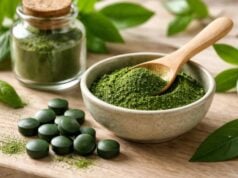
Coca (Erythroxylum coca) is a South American shrub whose leaves have been used for centuries in Andean communities for cultural, nutritional, and practical purposes. In traditional settings, the leaf is valued as a mild stimulant and as a comfort measure during long workdays and high-altitude living. Modern interest often centers on its complex chemistry—especially naturally occurring tropane alkaloids—along with polyphenols and minerals found in the leaf.
At the same time, coca is tightly regulated in many countries because the plant contains the cocaine alkaloid and is connected to illicit drug production. That legal reality shapes what can be responsibly discussed in a public health context. This article focuses on evidence-informed, non-promotional education: what coca is, what compounds it contains, which benefits are plausible versus overstated, and what safety issues matter most (including drug testing, cardiovascular risk, and medication interactions). For legal and safety reasons, this guide does not provide instructions for use or self-dosing. If you live in a region where coca leaf products are legal, the safest approach is to follow local regulations and discuss personal use with a licensed clinician.
Fast Facts
- Traditional use is linked to reduced fatigue perception and appetite suppression, but human evidence is limited and context-dependent.
- May help some people feel more comfortable at high altitude, though it is not a substitute for proven altitude illness prevention.
- No safe self-dosing guidance is provided due to legal constraints, product variability, and clinically meaningful risks.
- Can trigger positive cocaine drug tests even when consumed as a “tea” in some settings.
- Avoid if pregnant, breastfeeding, or managing heart rhythm problems, uncontrolled hypertension, or stimulant-sensitive anxiety.
Table of Contents
- What is coca and whats in it
- Key ingredients and medicinal properties
- Does coca help with altitude
- How coca is used legally
- Why dosing guidance is limited
- Side effects interactions and who should avoid
- What the evidence actually shows
What is coca and whats in it
Coca refers to several Erythroxylum species, but the term most commonly points to Erythroxylum coca (and, in some contexts, Erythroxylum novogranatense). These shrubs are native to the Andean region and have been cultivated for generations. The leaves are the primary part used in traditional practice, where they may be treated as a daily cultural item rather than a “medicine” in the modern supplement sense.
A key point for readers is that coca is not the same as cocaine. Coca leaf is a plant material containing a wide range of compounds—some stimulating, many not—while cocaine is a purified, concentrated alkaloid with far stronger and riskier effects. Still, because coca leaf naturally contains the cocaine alkaloid, it is controlled under many national laws and international frameworks. That affects access, research, and even travel: something considered routine in one country may be illegal in another.
From a nutrition-and-phytochemistry perspective, coca leaf contains multiple compound families:
- Tropane alkaloids: a large class of nitrogen-containing compounds characteristic of Erythroxylum. These include cocaine and related alkaloids in varying amounts depending on species, cultivar, growing conditions, and processing.
- Polyphenols and flavonoids: antioxidant-associated plant compounds that can influence oxidative stress signaling in laboratory models.
- Organic acids, sugars, and fiber: components that shape taste, digestibility, and metabolic impact.
- Minerals: levels vary by soil and processing; marketing sometimes emphasizes mineral content, but real-world nutritional contribution depends on how (and how much) the leaf is consumed in legal contexts.
Coca leaf products also have a quality-control issue that matters for safety: farming and processing conditions can introduce contaminants (pesticides, heavy metals, microbial contamination), and “coca” labeling is not standardized across markets. That variability is one reason it is difficult to make universal claims about benefits or safe use.
In short, coca is a culturally significant plant with complex chemistry and serious legal and safety considerations. Any health discussion must start with that full context, not just the most appealing claims.
Key ingredients and medicinal properties
Coca’s pharmacology is often oversimplified. The leaf is not a single-chemical product; it is a mixture of alkaloids, polyphenols, and nutrients that can create subtle, variable effects. Understanding those constituents helps explain both traditional uses and modern risks.
Tropane alkaloids and stimulant effects
The best-known coca constituent is the cocaine alkaloid, but it is only one member of a broader alkaloid family present in Erythroxylum. In plant form, these compounds are embedded in leaf material alongside fiber, acids, and other phytochemicals. That complexity is one reason traditional leaf effects are typically described as mild compared with purified cocaine. Even so, alkaloids can meaningfully affect the body—especially in people who are sensitive to stimulants or who have cardiovascular conditions.
Physiologically, stimulant-type effects can include:
- increased alertness and reduced perceived fatigue
- appetite suppression
- increased heart rate or blood pressure in susceptible individuals
- sleep disruption if used too late in the day
It is important to treat these as potential effects, not guaranteed “benefits,” because the same changes that feel helpful to one person can be harmful to another.
Polyphenols, flavonoids, and antioxidant signaling
Coca leaves contain polyphenols and flavonoids that are often discussed in antioxidant and inflammation-related research. In practical terms, these compounds may support cellular stress resilience, but translating laboratory findings into clear human outcomes is difficult. Antioxidant activity on a lab test does not automatically mean disease prevention or measurable clinical improvement.
Digestive and metabolic themes
Traditional accounts often mention digestive comfort and appetite control. These claims are plausible through a combination of mild stimulant action, bitter compounds, and ritual context (slow consumption, social use, and hydration). However, “metabolic benefits” claims should be treated conservatively. Without standardized preparations and well-controlled trials, it is hard to separate real effects from expectancy, lifestyle, and environmental differences.
Local anesthetic and oral effects
Some coca alkaloids can cause numbness in the mouth when chewed, reflecting local anesthetic properties. That sensation is not inherently therapeutic; it can mask irritation and may contribute to oral tissue changes over time. Modern observational studies raise concerns about gum and oral tissue effects in chronic chewers, which should be weighed against any perceived short-term benefit.
Coca’s medicinal properties, then, are best framed as a mix of mild stimulant effects, complex phytochemistry, and potential risks—especially when use becomes frequent, concentrated, or disconnected from traditional safeguards.
Does coca help with altitude
Coca is widely associated with high-altitude living and travel, and many people encounter the idea through cultural narratives: coca leaf for energy, appetite, and “soroche” (altitude discomfort). The most responsible way to discuss this is to separate plausible symptom relief from proven prevention or treatment.
What altitude discomfort really is
Altitude illness is driven by lower oxygen pressure at high elevation. Symptoms can include headache, nausea, dizziness, fatigue, sleep disruption, and reduced appetite. In mild cases, the best-supported strategies are gradual ascent, rest days, hydration, avoiding heavy alcohol intake, and—in higher-risk travel—clinician-guided prevention with appropriate medication.
Where coca might feel helpful
Traditional and anecdotal reports suggest coca may help with:
- perceived energy and stamina during exertion
- appetite suppression (which some people interpret as relief from altitude-related nausea)
- mood and focus during long, demanding days
These effects may be real for some people, but they are not the same as preventing altitude illness. A person can feel more alert while still becoming dangerously ill if they ascend too quickly or ignore warning signs.
What coca should not replace
Coca should not be treated as a substitute for:
- descending when symptoms worsen
- medical evaluation for severe headache, confusion, shortness of breath at rest, or chest tightness
- proven prevention strategies recommended by travel medicine clinicians
A practical safety mindset is: if a substance makes you feel “capable,” it may increase the temptation to overexert or ascend faster than your body can acclimatize.
Safer comfort supports to consider
For legal, accessible comfort measures, travelers often do better with basics: warm fluids, bland meals, and gentle anti-nausea supports. For example, ginger is commonly used for nausea and digestive comfort in many settings; see ginger active compounds and uses for practical, non-controlled options that can be discussed more openly.
Bottom line for altitude intent
It is reasonable to say that coca may change how some people feel at altitude, especially regarding fatigue and appetite. It is not responsible to present it as a reliable prevention or treatment for altitude illness. If altitude symptoms are significant, the safest “treatment” is slow ascent and, when needed, descent and medical care.
How coca is used legally
Coca’s traditional forms of use are well known: leaf chewing and leaf infusion. However, legality and product standards vary dramatically across countries, and that is the first filter for any real-world discussion. In many regions, coca leaf products are illegal to possess, sell, or import. Even where local use is permitted, international travel can create legal exposure.
Traditional use in context
In Andean communities, coca leaf use is often embedded in daily life and ritual. It may be used socially, during work, or as a customary offering. This context matters: traditional patterns often involve slow, intermittent use, cultural norms around timing, and community knowledge about when not to use it.
When coca is removed from that context and framed as a “performance” tool, people may be more likely to overuse it, mix it with other stimulants, or ignore contraindications.
Modern products and variability
Today, coca may appear as:
- dried leaf products
- “tea” products
- flours or powders marketed for “nutrition”
- concentrated extracts in some markets
These products are not standardized. Potency, contaminant risk, and labeling accuracy can vary. Some products also make “decocainized” claims, but consumers should not assume such labels guarantee safety, legality, or drug-test avoidance.
Drug testing and occupational risk
One underappreciated issue is that coca leaf consumption can lead to positive drug tests for cocaine metabolites. This matters for athletes, safety-sensitive workers, healthcare professionals, military personnel, and anyone subject to routine testing. A positive test can have serious consequences even if the person consumed coca in a traditional or travel context.
Why comparisons to common stimulants are tricky
People sometimes compare coca to coffee or tea because both can feel energizing. The comparison is incomplete: caffeine has its own risks, but it is legally regulated as a food ingredient in most places and is not tied to cocaine metabolite testing. If your goal is legal, broadly available “alertness support,” options like green tea health benefits are easier to evaluate for dose, safety, and interaction risk because products are standardized and research is larger.
The safest way to think about coca is as a culturally significant plant with highly variable legality and a unique set of real-world consequences (especially drug testing) that do not apply to most common herbal teas.
Why dosing guidance is limited
This guide does not provide self-dosing instructions for coca leaf. That decision is not about stigma; it is about safety, legality, and scientific uncertainty. “Dosage” guidance is only responsible when a substance is legal for the audience, reasonably standardized, and supported by human data that maps dose to outcomes and adverse effects. Coca leaf fails those conditions in many real-world settings.
Legal constraints are not academic
In many countries, possessing coca leaf products is illegal, even if the products are culturally normal elsewhere. Providing detailed dosing or preparation guidance could encourage unlawful use or create legal harm for readers who misunderstand their local rules. Because readers’ jurisdictions differ, the safest public-health stance is to avoid prescriptive use instructions and instead emphasize legal awareness and clinician guidance where appropriate.
Products vary too widely
Even in regions where coca leaf products are legal, product variability is a major problem:
- different species and cultivars can differ in alkaloid profiles
- growing conditions and harvest timing affect phytochemistry
- processing (drying and storage) changes potency and contaminant risk
- labeling is inconsistent across markets
Without standardization, “a dose” is not a stable concept. A quantity that is mild for one product may be excessive for another.
Drug-test risk makes dosing uniquely sensitive
For many herbs, dosing affects comfort and side effects. With coca, dosing can also determine whether a person tests positive for cocaine metabolites. That risk is not theoretical. It has practical consequences that can affect employment, travel, athletic eligibility, and legal status.
Medical factors make a one-size dose unsafe
Stimulant sensitivity varies widely. People with anxiety disorders, insomnia, arrhythmias, uncontrolled hypertension, glaucoma risk, or a history of stimulant misuse can respond unpredictably. Pregnancy and breastfeeding add further uncertainty due to limited safety data.
What to do instead
If you live in a region where coca leaf products are legal and culturally normal, the safest pathway is:
- follow local regulations and trusted community norms
- choose products with transparent sourcing and contaminant testing when possible
- discuss medical conditions and medications with a licensed clinician
- avoid use entirely if you are subject to drug testing or have cardiovascular risk factors
A responsible “dosage” message for coca is not a number. It is a framework: legality first, medical suitability second, and standardized product quality third.
Side effects interactions and who should avoid
Coca leaf is often described as “mild,” but mild is not the same as risk-free. The same properties that can increase alertness or blunt fatigue can also raise blood pressure, worsen anxiety, disrupt sleep, and create complications for people with certain medical conditions or medications.
Common side effects reported
Potential adverse effects can include:
- insomnia or fragmented sleep, especially with late-day use
- jitteriness, anxiousness, or irritability in stimulant-sensitive individuals
- increased heart rate, palpitations, or elevated blood pressure
- reduced appetite that becomes problematic for underweight individuals
- nausea or stomach upset in some users
- oral numbness and dryness with frequent chewing patterns
These effects can be more pronounced with higher-frequency use, concentrated products, dehydration, or combination with caffeine and other stimulants.
Medication interactions to take seriously
Because coca contains active alkaloids, it should be treated more like a pharmacologically relevant substance than a casual tea. Use extra caution if you take:
- blood pressure medications (risk of destabilizing control)
- stimulants prescribed for ADHD or other conditions (additive effects)
- antidepressants that affect norepinephrine or dopamine signaling (possible additive stimulation)
- diabetes medications if appetite suppression alters food intake patterns
- anticoagulants if oral irritation increases bleeding risk (and because interaction data are limited)
If you take any prescription medication, the safest choice is to avoid coca leaf products unless a clinician familiar with your history agrees it is appropriate and legal.
Who should avoid coca entirely
Avoid coca leaf products if you are:
- pregnant or breastfeeding
- managing arrhythmias, uncontrolled hypertension, coronary artery disease, or stroke history
- prone to panic attacks or stimulant-triggered anxiety
- living with substance use disorder risk factors related to stimulants
- subject to workplace, legal, or athletic drug testing
- unable to verify product quality and legal status
Oral health concerns
Modern observational research raises concerns that chronic coca chewing may be associated with gum and oral tissue changes, and some studies suggest a possible association with oral cancer risk in certain populations. This does not prove causation, but it strengthens the case for caution, dental monitoring, and avoiding chronic chewing patterns—especially when combined with tobacco, alcohol, or poor oral hygiene.
The safety bottom line is straightforward: coca is not a neutral herb. It is a bioactive, legally sensitive plant with meaningful side effects and real-world consequences. Treat it with the same seriousness you would give any stimulant-like substance.
What the evidence actually shows
The evidence base for coca leaf sits in an unusual place. There is deep cultural history and extensive chemical research, but fewer high-quality human trials than many people assume. That gap encourages exaggerated marketing on one side and blanket dismissal on the other. A useful evidence review stays in the middle: coca leaf has identifiable bioactive compounds and plausible effects, but clinical certainty is limited and safety constraints are real.
What is relatively well established
- Complex phytochemistry: Coca leaves contain multiple alkaloids and non-alkaloid compounds, including polyphenols and nutrients. This supports the idea that coca is more than “just cocaine,” even though the cocaine alkaloid is part of the leaf’s profile.
- Real stimulant-type effects: Alertness and appetite changes are plausible and commonly reported, consistent with alkaloid activity.
- Drug-test risk: Evidence supports that coca leaf products can lead to positive cocaine metabolite findings, which is clinically and occupationally important.
What remains uncertain or overclaimed
- Altitude illness outcomes: Traditional use is common, but well-controlled human studies that compare coca leaf products against standard prevention strategies are limited. Symptom relief claims should not be treated as proven prevention.
- Metabolic and cardiovascular benefits: Some sources discuss glucose or lipid effects, but product variability and limited trial quality make it hard to generalize.
- Long-term safety: Observational findings on oral health raise concerns, but causality and confounders (tobacco, alcohol, hygiene, nutrition) require careful interpretation.
Why research is hard
Coca’s legal status restricts research access, product standardization, and multi-site trials. Ethical oversight is more complex when a plant is tightly controlled and socially contested. These barriers slow the kind of clinical evidence that would normally clarify dose-response, interactions, and long-term outcomes.
Practical, safer alternatives for common intents
Many people searching for “coca benefits” are really looking for one of three goals: energy, appetite control, or altitude comfort. For those intents, legal and better-studied options usually provide a safer first step. For example, if the goal is mild alertness and focus without drug-test consequences, guayusa energy and clarity benefits may align more safely with what people are trying to achieve.
A careful conclusion is this: coca leaf has plausible effects and cultural value, but it also has meaningful safety, legal, and evidence limitations. Readers should treat it as a regulated, pharmacologically active plant—one that deserves professional guidance where legal, and avoidance where risk factors apply.
References
- Critical Review Report: Coca leaf 2025 (Report)
- From Tradition to Science: Chemical, Nutritional, and Cytotoxic Characterization of Erythroxylum coca from Indigenous Colombian Communities – PMC 2025 (Open Study)
- Advances in chemistry and bioactivity of the genus Erythroxylum | Natural Products and Bioprospecting | Springer Nature Link 2022 (Review)
- Association between coca (Erythroxylum coca) chewing habit and oral squamous cell carcinoma: a case-control study from Argentina – PubMed 2024 (Case-Control Study)
Disclaimer
This article is for educational purposes only and does not provide medical advice, diagnosis, treatment, or instructions for use. Coca (Erythroxylum coca) is legally restricted in many countries and contains pharmacologically active alkaloids that may affect the heart, blood pressure, mood, sleep, and medication response. Do not use coca leaf products if you are pregnant or breastfeeding, have cardiovascular disease or uncontrolled hypertension, have stimulant-sensitive anxiety or insomnia, or are subject to drug testing. If you live in a region where coca leaf products are legal and you are considering use, consult a licensed healthcare professional to review medical conditions and medications. Seek urgent medical care for chest pain, fainting, severe shortness of breath, new neurological symptoms, or severe anxiety or agitation.
If you found this guide helpful, please share it on Facebook, X (formerly Twitter), or your preferred platform so others can make safer, better-informed decisions.