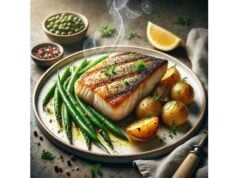
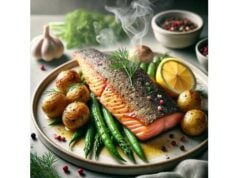
Cod is the quintessential white fish: mild, flaky, and wonderfully versatile. Atlantic cod (Gadus morhua) and Pacific cod (Gadus macrocephalus) deliver lean, high-quality protein with very few calories, a gentle flavor that welcomes bold seasonings, and a firm texture that stands up to pan-searing, baking, and poaching alike. Fresh fillets cook in minutes and pair well with vegetables, grains, and citrus; salted cod (bacalao) anchors beloved dishes from Portugal to the Caribbean. Nutritionally, cod offers protein density, selenium, B vitamins, and naturally low fat, making it an easy fit for cardiometabolic and weight-conscious eating patterns. As a generally low-mercury species, cod can support regular seafood intake, including during pregnancy when fully cooked and chosen within weekly totals. This guide brings together everything you need to buy, cook, and enjoy cod with confidence: a precise per-100-gram nutrition profile, science-grounded benefits, clear safety notes, sustainability and quality cues, step-by-step cooking methods that protect nutrients, and practical portion planning with comparisons and FAQs.
Key Takeaways
- Lean, high-protein fish: ~82 kcal and ~18 g protein per 100 g, very low total fat.
- Notable micronutrients: selenium ~36.5 µg/100 g (about two-thirds of the Daily Value) and B vitamins.
- Safety note: cod is generally low in mercury; always cook to 145°F (63°C) and follow local advisories for wild-caught fish.
- Typical serving and cadence: 85 g (3 oz) cooked; include at least 8 oz seafood weekly, rotating species.
- Limit or avoid: anyone with a finfish allergy or those advised to restrict sodium when using salted cod.
Table of Contents
- Cod essentials and context
- Cod nutrition profile per 100 g
- Evidence-based benefits of cod
- Risks allergies and interactions
- Selecting quality sustainability and storage
- Preparation cooking and nutrient retention
- Portions comparisons and FAQs
Cod essentials and context
Cod is a cold-water groundfish found across the North Atlantic and North Pacific. In stores you’ll most often see Atlantic cod (Gadus morhua) and Pacific cod (Gadus macrocephalus) as boneless, skinless fillets or thicker loins. There’s also salted and dried cod—bacalao—used in dishes like brandade, bacalhau à Brás, and accras. While the two species are interchangeable in many recipes, Pacific cod tends to be slightly firmer and a touch less sweet; Atlantic cod is delicate, with large, opaque flakes.
From a cook’s perspective, cod is forgiving. Its mild flavor welcomes a wide spectrum of seasonings—from lemon-herb crumbs to miso-ginger glazes, Cajun blackening, Mediterranean tomato-olive braises, and classic beer batter. Because cod is lean, a little added fat (olive oil, butter, ghee) enhances browning and mouthfeel. The thick center “loins” sear well and finish in the oven without drying out; thinner tail pieces are ideal for quick sautés, fish tacos, and chowders. The flesh sets at relatively low temperatures, so a digital thermometer helps you nail doneness without guesswork.
Beyond fresh options, frozen cod can be excellent. Properly blast-frozen fillets preserve texture and flavor, often outperforming “fresh” fish that traveled long distances. Salted cod requires desalting before use, typically 24–48 hours in cold water with several changes, but rewards you with concentrated flavor and a firm, silky texture that holds up in stews and fritters.
Nutritionally, cod is a textbook lean protein. Per 100 g raw, it provides roughly 18 g of complete protein for about 82 kcal, with minimal fat and no carbohydrate. Selenium stands out among minerals, and cod also contributes vitamin B12, niacin (B3), and vitamin B6. While cod contains some marine omega-3s, amounts are modest compared with oily fish like salmon or sardines. Practically, that means cod is great for protein and versatility; if your goal is higher EPA/DHA, rotate oily fish into your week alongside cod.
Sustainability varies by region and stock. Some Atlantic cod stocks are rebuilding or overfished, while U.S. Pacific cod fisheries are generally well-managed. When possible, choose regionally responsible sources, ask your fishmonger about origin, and use frozen options to expand choices without sacrificing quality.
Cod nutrition profile per 100 g
Values below reflect raw Atlantic cod per 100 g edible portion. Amounts and % Daily Value (%DV) are rounded label-style for clarity and can vary by species, season, diet, and handling. Cooked values shift with water loss; salted cod differs substantially (notably sodium).
Macros and Electrolytes (per 100 g, raw)
| Nutrient | Amount | %DV |
|---|---|---|
| Energy | 82 kcal | — |
| Protein | 17.8 g | 36% |
| Total Fat | 0.7 g | 1% |
| Saturated Fat | 0.13 g | 1% |
| Carbohydrate | 0 g | 0% |
| Total Sugars | 0 g | — |
| Dietary Fiber | 0 g | 0% |
| Cholesterol | 43 mg | 14% |
| Sodium | 54 mg | 2% |
| Potassium | 413 mg | 9% |
Vitamins (per 100 g, raw)
| Vitamin | Amount | %DV |
|---|---|---|
| Vitamin B12 (cobalamin) | 1.2 µg | 50% |
| Niacin (vitamin B3) | 2.3 mg | 14% |
| Vitamin B6 (pyridoxine) | 0.3 mg | 18% |
| Vitamin D (cholecalciferol)* | 0.4 µg | 2% |
Minerals (per 100 g, raw)
| Mineral | Amount | %DV |
|---|---|---|
| Selenium | 36.5 µg | 66% |
| Phosphorus | 203 mg | 16% |
| Magnesium | 32 mg | 8% |
| Calcium | 16 mg | 1% |
| Zinc | 0.5 mg | 5% |
Fats and Fatty Acids (per 100 g, raw)
| Component | Amount | Notes |
|---|---|---|
| Total Fat | 0.7 g | Very lean |
| Saturated Fat | 0.13 g | Low |
| Monounsaturated Fat | ~0.08 g | Minor |
| Polyunsaturated Fat | ~0.17 g | Includes omega-3s |
| EPA (20:5n-3) | ~0.05 g | Varies by species and habitat |
| DHA (22:6n-3) | ~0.13 g | Varies by species and habitat |
Allergens and Intolerance Markers
- Cod is a finfish allergen. Cross-reactivity among finfish species is common; avoid if you have a confirmed finfish allergy unless medically guided otherwise.
Contaminants/Residues
- Mercury: Cod is generally a lower-mercury choice. Follow age- and pregnancy-specific seafood guidance and rotate species weekly.
Glycemic and Acid–Base Metrics
- Carbohydrate: 0 g; cod has negligible impact on glycemia.
- PRAL (acid load): small positive value typical of protein-rich foods; balance plates with vegetables and legumes if you monitor acid–base load.
*Vitamin D content in lean white fish is modest and variable; for higher vitamin D, look to fatty fish.
Footnotes and reference DVs: Protein 50 g; Total Fat 78 g; Saturated Fat 20 g; Carbohydrate 275 g; Cholesterol 300 mg; Sodium 2,300 mg; Potassium 4,700 mg; Selenium 55 µg; Phosphorus 1,250 mg; Magnesium 420 mg; Calcium 1,300 mg; Vitamin B12 2.4 µg; Niacin 16 mg; Vitamin B6 1.7 mg; Vitamin D 20 µg.
Evidence-based benefits of cod
High protein with minimal calories. Cod’s standout trait is protein density: about 18 g of complete protein per 100 g for ~82 kcal. That’s valuable for satiety, weight management, and preserving lean mass during caloric deficits. It also lets you allocate more of the plate to fiber-rich sides—beans, whole grains, and vegetables—without overshooting calorie targets.
Selenium for antioxidant enzymes and thyroid function. A 100 g portion of cod provides roughly two-thirds of the Daily Value for selenium, a trace mineral essential for glutathione peroxidases and iodothyronine deiodinases. Adequate selenium status supports antioxidant defenses and normal thyroid hormone activation, which influences metabolism and temperature regulation.
B-vitamin support for energy metabolism. Cod contributes vitamin B12, niacin, and vitamin B6. These vitamins help release energy from food, support red blood cell formation, and participate in neurotransmitter synthesis. Because B vitamins are water-soluble, quick, gentle cooking (steaming, en papillote, light poaching) helps retain more of them than prolonged high heat.
Iodine contribution in many markets. Cod is often cited as an iodine-rich food compared with many land-animal proteins. Amounts vary widely with habitat and processing, but including cod in a seafood rotation can help maintain iodine intake—especially useful where iodized salt use is inconsistent.
Seafood patterns and heart health. Dietary patterns that include seafood at least once to twice per week are linked to better cardiometabolic outcomes. Lean fish like cod support these patterns by offering high-quality protein with little saturated fat and few calories, helping you swap out higher-fat meats without losing satisfaction.
Low mercury for broad accessibility. Compared with long-lived predators, cod is generally a lower-mercury option, making it a practical choice for many groups when cooked properly and included within weekly seafood totals.
Culinary versatility and adherence. Healthful eating works when it’s enjoyable. Cod’s neutral flavor and fast cooking times make it easy to fit diverse cuisines—from Mediterranean braises to Japanese miso-yaki—helping you stick with a seafood-rich pattern over the long term.
Post-exercise practicality. Pairing cod with a carbohydrate source (e.g., potatoes or rice) and a produce-rich side creates a recovery meal that supplies protein for muscle repair, carbohydrates to replenish glycogen, and potassium to support fluid balance.
Risks allergies and interactions
Finfish allergy. Cod is a major allergen. Reactions range from hives and gastrointestinal upset to respiratory symptoms and anaphylaxis. People with confirmed finfish allergy should avoid cod unless an allergist provides individualized guidance.
Foodborne illness and parasites. As with all fish, proper handling and thorough cooking are crucial. Cook cod to an internal temperature of 145°F (63°C) measured at the thickest point, or until the flesh is opaque and flakes easily. Cod can harbor parasites (e.g., Anisakid nematodes) in some waters; commercial freezing protocols or full cooking control this risk. Avoid raw or undercooked cod unless it has been frozen under time-temperature conditions suitable for parasite control and is sourced from reputable suppliers.
Sodium in salted cod. Bacalao is naturally high in sodium because of the curing process. Desalting reduces—but does not eliminate—sodium. If you manage blood pressure or fluid retention, prefer fresh or properly desalted portions, use more herbs and acids (lemon, vinegar), and watch total daily sodium from other foods.
Mercury context. Cod is typically a lower-mercury fish compared to large predators. Still, those who are or may become pregnant and young children should follow age-specific seafood guidance and build variety across the week rather than relying on a single species.
Purines and gout. Fish contains purines that metabolize to uric acid. If you have gout or hyperuricemia, consider moderate portions spread across the week and follow individualized medical advice, especially during flares.
Supplement confusion: cod vs. cod liver oil. Cod flesh is lean and modest in fat-soluble vitamins. Cod liver oil is a separate supplement that concentrates vitamins A and D and omega-3s. High vitamin A intake from supplements can pose risks; do not equate cod fillets with cod liver oil, and discuss supplement use with a clinician.
Culinary safety add-ons. Use separate boards and knives for raw fish and ready-to-eat foods, keep seafood at ≤40°F (≤4°C) until cooking, and refrigerate leftovers within 2 hours (1 hour if ambient temperature exceeds 90°F/32°C).
Selecting quality sustainability and storage
How to choose quality cod
- Appearance: Fresh fillets should look moist and glistening, with tight muscle fibers and minimal gaping. Avoid browning, drying, or milky exudate.
- Aroma: Clean, briny, and fresh—not sour or “fishy.”
- Cut: Thick center loins are best for searing and roasting; thinner tail pieces suit tacos, chowders, and fish cakes.
- Skin-on vs. skinless: Skin crisps well under high heat and helps fillets hold together; skinless is convenient for poaching and stews.
- Frozen: Vacuum-sealed or well-glazed pieces with minimal frost indicate good handling. Frozen cod often equals or surpasses “fresh” that traveled far.
Sustainability snapshot
- Regional differences: Some Atlantic cod stocks are rebuilding or overfished; U.S. Pacific cod fisheries are generally well-managed. When possible, check point-of-origin labels, choose responsibly managed sources, and consider certification schemes from credible bodies.
- Why frozen helps: Access to high-quality frozen cod broadens choices beyond local seasonality and reduces waste, often lowering the environmental footprint of rushed global distribution.
Storage and shelf life
- Fresh (raw): Keep at ≤40°F (≤4°C) on ice and use within 1–2 days. Store in a shallow container to avoid sitting in liquid.
- Cooked: Refrigerate within 2 hours and enjoy within 3–4 days; reheat gently to maintain moisture.
- Frozen: For best quality, use within 2–3 months. Thaw overnight in the refrigerator on a tray to catch drips; avoid countertop thawing.
- Salted cod: Store dried portions in a cool, dry place per package guidance. After desalting in the fridge, cook promptly or keep chilled and cook within 24–48 hours.
Smart shopping checklist
- Ask the seller for harvest area, species, and handling date.
- Prefer retailers with abundant ice, clean displays, and quick turnover.
- If planning raw or lightly cooked preparations, verify appropriate freezing standards were followed.
- Inspect packaging for intact seals and clear ice glaze on frozen pieces.
Preparation cooking and nutrient retention
Your doneness target
Cook cod to 145°F (63°C) at the thickest point. The flesh will turn opaque and flake easily. Because cod is lean, remove it from heat just shy of the target and rest 2–3 minutes; carryover heat finishes the center without drying.
Five dependable methods (and what they preserve)
- Sear then oven-finish (thick loins). Pat dry thoroughly; season with salt and pepper. Sear in a thin film of high-heat oil over medium-high for 2–3 minutes per side, then finish at 375–400°F (190–205°C) until 145°F internal. Searing builds flavor via Maillard browning while the oven finish protects juiciness.
- Gentle poach. Simmer an aromatic liquid (fish stock, coconut milk, tomato broth) just below a boil. Slide in portions and cook gently until barely opaque. Poaching minimizes agitation and helps retain water-soluble B vitamins.
- Steam or en papillote. Steam over aromatics or wrap in parchment with lemon, herbs, and a teaspoon of olive oil. Moist heat preserves delicate texture and requires no added sodium.
- Roast on vegetables. Place cod over a bed of fennel, onion, or tomatoes. Vegetables act as a heat buffer, catch juices, and become a flavorful side—keeping micronutrients in the dish rather than in the sink.
- Air-fry or oven-crisp. For a lighter take on fish-and-chips, coat cod in whole-grain breadcrumbs and bake or air-fry until crisp. You’ll boost fiber and cut added fat compared with deep frying.
Seasoning templates that balance flavor and nutrition
- Mediterranean: Olive oil, garlic, cherry tomatoes, olives, capers, and parsley; finish with lemon.
- Miso-ginger glaze: Whisk white miso with rice vinegar, grated ginger, and a splash of water; brush on in the last minutes of cooking.
- Cajun blackened: Use smoked paprika, cayenne, thyme, and garlic powder; sear quickly to avoid scorching spices.
- Herb-citrus crumbs: Toss panko with parsley, dill, lemon zest, and a touch of oil; press onto fillets and roast.
Desalting salted cod (bacalao)
- Rinse under cold water to remove surface salt.
- Soak in cold water in the refrigerator 24–48 hours, changing water every 6–8 hours.
- Taste a small flake; extend soaking if still very salty.
- Poach gently to hydrate before flaking into stews, fritters, or salads.
Nutrient-savvy pointers
- Avoid prolonged high heat, which can toughen lean fish and accelerate vitamin loss.
- Keep cooking liquids and pan juices; they contain dissolved minerals and amino acids.
- Use fresh oil and moderate temperatures to reduce oxidation and off-flavors.
- Build potassium and fiber into the plate with beans, leafy greens, and whole grains.
Portions comparisons and FAQs
Portion planning and weekly totals
- Standard serving: 85 g (3 oz) cooked cod—about the size of a deck of cards.
- Weekly seafood goal: Most adults should include at least 8 oz of seafood per week within an overall healthy eating pattern. Pregnancy guidance typically recommends 8–12 oz weekly from lower-mercury choices; cod can help meet this range when fully cooked.
- Athletes and active individuals: Aim for daily protein targets (commonly 1.2–1.6 g/kg/day for many training plans) using cod alongside other proteins and carbohydrate sources for recovery.
Cod versus other popular fish
- Salmon: Rich in omega-3s and higher in calories and fat; cod is leaner and milder. Use both—salmon for EPA/DHA, cod for high-protein, low-calorie meals.
- Haddock: Very similar in taste and texture; haddock’s flakes are slightly finer and sweeter.
- Pollock: Another lean white fish often used in seafood sticks; cod has larger flakes and a somewhat firmer bite.
- Tilapia: Mild like cod but farmed widely; cod offers a flakier texture and often lower sodium in plain fillets.
Frequently asked questions
- Is cod safe during pregnancy? Yes—when fully cooked and eaten within weekly seafood totals that emphasize lower-mercury choices.
- Can I eat cod raw? Raw cod is uncommon due to parasite concerns. If serving lightly cooked or raw, use previously frozen fish from reputable suppliers and follow parasite-control guidance; cooking remains the safest option.
- Why did my cod turn watery? Excess moisture releases if the pan is overcrowded or the fish wasn’t patted dry. Cook in batches and preheat the pan.
- How do I keep cod from falling apart? Start with thicker loins, let a crust form before flipping, and use a wide fish spatula. Skin-on pieces are even sturdier.
- Does cod have omega-3s? Yes, but modest amounts. Rotate oily fish into your week for higher EPA/DHA.
Sample 7-day seafood rotation (illustrative)
- Day 1: Baked salmon with barley and roasted broccoli (oily fish emphasis)
- Day 3: Seared cod with lemon-herb crumbs and white bean–tomato salad (lean protein)
- Day 5: Shrimp and vegetable stir-fry (quick and low fat)
- Day 7: Sardines on whole-grain toast with arugula and capers (high EPA/DHA)
References
- Nutrition Facts for Fish, cod, Atlantic, raw 2025
- Advice about Eating Fish 2024 (Guideline)
- Safe Minimum Internal Temperature Chart 2024 (Guideline)
- Atlantic Cod | NOAA Fisheries 2025
- Dietary Guidelines for Americans, 2020-2025 2020 (Guideline)
Disclaimer
This guide is for general education and is not a substitute for personalized medical advice, diagnosis, or treatment. Seafood safety and sustainability vary by region and handling. Always buy from reputable sellers, cook fish to safe temperatures, and follow local advisories. If you are pregnant, managing a health condition, or have a food allergy, consult a qualified healthcare professional or registered dietitian for tailored guidance.
If you found this article helpful, please consider sharing it on Facebook, X (formerly Twitter), or your preferred platform to support the continued creation of clear, trustworthy nutrition resources.