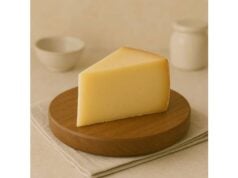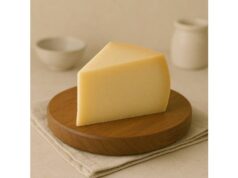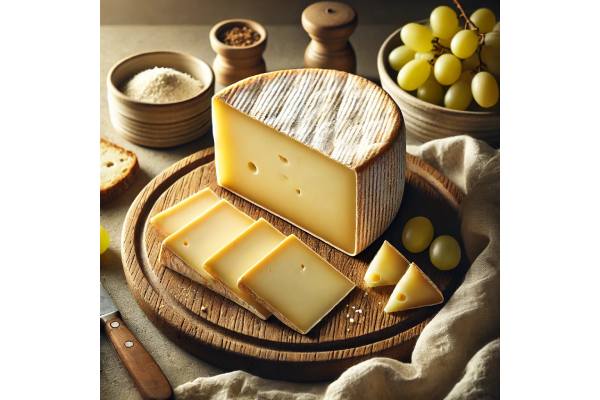
Comté is the flagship Alpine cheese of France’s Jura Mountains—a cooked, pressed wheel with a buttery texture, nutty-sweet aroma, and remarkable depth that grows with age. It’s crafted from raw cow’s milk under strict Protected Designation of Origin (PDO) rules, then matured for months to develop hundreds of aromatic notes. In the kitchen, Comté melts into silken sauces and gratins, lifts soups and savory tarts, and anchors snack boards with fruit, nuts, and crusty bread. Nutritionally, it’s a compact source of high-quality protein, bioavailable calcium, vitamin B12, and zinc, with virtually no carbohydrates. Like most aged cheeses, it’s naturally low in lactose. Because Comté is made from raw milk, food-safety guidance varies by country and by individual risk. Proper refrigeration, mindful portions, and smart pairing can help you enjoy Comté’s flavor and nutrition in everyday meals—from a simple omelet to fondue or croque-monsieur—without overdoing sodium or saturated fat.
Quick Overview
- Dense nutrition: ~25 g protein and ~1,070 mg calcium per 100 g, with minimal carbs.
- Melts beautifully for gratins, sauces, and sandwiches; complex flavor from months of affinage.
- Safety note: made from raw milk; people at higher risk of listeriosis should follow local guidance or cook until steaming hot.
- Typical portion: 30 g (1 oz) once a day or 2–4 times per week, folded into balanced meals.
- Limit or avoid: those on MAOIs (tyramine), strict low-sodium or low-saturated-fat diets, and individuals with milk allergy.
Table of Contents
- Comté cheese: origin, style, making
- Comté nutrition profile (per 100 g)
- Health benefits of Comté cheese
- Risks, allergies and interactions
- Buying, quality, sustainability and storage
- Cooking with Comté and retaining nutrients
- Portions, swaps and common questions
Comté cheese: origin, style, making
Comté is an Alpine “cooked and pressed” cow’s-milk cheese born in the Jura Massif of eastern France. Under PDO rules, milk comes from cows grazing within the designated region, the curd is cooked and pressed to form very large wheels, and affinage (maturation) is long by design. Minimum aging is four months; premium wheels often mature 12–24 months or more. This slow cave aging under controlled humidity and temperature encourages the development of a wide aromatic palette—hazelnut, browned butter, sweet cream, toasted hay, and occasional savory notes—without the overt crystals you might see in very hard grana cheeses.
Comté is always made from raw milk. The milk is collected daily and transformed in small cooperative dairies known as fruitières. After gentle warming and renneting, the curd is cut to rice-size grains, cooked, and pressed in molds to expel whey. Wheels are brined, then brushed and turned frequently as a natural rind forms. Affineurs (maturers) decide when a wheel has reached its potential; they grade appearance, rind integrity, texture, aroma, and flavor. You may see flavor style cues on retail labels—fruity (fruité), nutty, milky, or more intense reserve selections—often tied to seasonality (grassy summer milk versus hay-fed winter milk), altitude, and cave conditions.
Culinarily, Comté is a workhorse: it melts smoothly without oiling off, binds sauces, and contributes balanced umami and sweetness. It’s an ideal choice for classic dishes such as fondue (often blended with other Alpine cheeses), Croque-Monsieur, gratins, quiches, and savory crêpes. Thin shards elevate salads and charcuterie boards; diced cubes pair well with apples, pears, grapes, dried apricots, toasted walnuts, and pickled vegetables. Beverage matches range from dry cider and lager to Chardonnay, Vin Jaune, or light reds like Poulsard and Pinot Noir.
For shoppers, the PDO green bell logo (clochette) signals compliance with production rules. Expect a smooth, satiny paste with tiny openings, not large “eyes,” and a firm yet supple texture that softens near room temperature. Color ranges from pale straw to deeper gold depending on season and age. Rinds are natural and not meant to be eaten when thick and waxy; if thin and clean, some choose to taste them for context, then trim away.
Comté nutrition profile (per 100 g)
Below is an at-a-glance nutrition snapshot for Comté (values per 100 g). Actual composition varies by producer and age. Daily Values (%DV) use current U.S. labeling standards for adults and children ≥4 years.
Macros & Electrolytes (per 100 g)
| Nutrient | Amount | %DV |
|---|---|---|
| Energy | ~429 kcal | — |
| Protein | ~25.0 g | 50% |
| Total fat | ~35.7 g | 46% |
| Saturated fat | ~21.4 g | 107% |
| Carbohydrate | ~0.0 g | 0% |
| Total sugars | ~0.0 g | 0% |
| Dietary fiber | 0 g | 0% |
| Sodium | ~304 mg | 13% |
| Potassium | ~82 mg | 2% |
| Water | ~39 g | — |
Fats & Fatty Acids
| Component | Amount | Notes |
|---|---|---|
| Monounsaturated fat | ~9–10 g | Mostly oleic acid |
| Polyunsaturated fat | ~1–2 g | Small omega-6 and omega-3 fractions |
| Cholesterol | ~107 mg | Labeling reference only; dietary cholesterol is not assigned a %DV |
Protein & Amino Acids
Comté provides complete protein with all essential amino acids. Per 100 g, essential amino acids total roughly 8–9 g combined, with high lysine and leucine that support muscle repair.
Vitamins (per 100 g)
| Vitamin | Amount | %DV |
|---|---|---|
| Vitamin A (RAE) | ~275 µg | 31% |
| Vitamin B12 (cobalamin) | ~1.6 µg | 67% |
| Riboflavin (B2) | ~0.29 mg | 22% |
| Vitamin D | ~0.6 µg | 3% |
| Vitamin K (menaquinones vary) | trace | — |
Minerals (per 100 g)
| Mineral | Amount | %DV |
|---|---|---|
| Calcium | ~1,071 mg | 82% |
| Phosphorus | ~600 mg | 48% |
| Zinc | ~3.9 mg | 35% |
| Selenium | ~15 µg | 27% |
| Iodine | variable | — |
Allergens & Intolerance Markers
- Milk proteins (casein, whey): present.
- Lactose: typically trace to none in well-aged Comté; many lactose-intolerant individuals tolerate small portions.
- Biogenic amines: tyramine/histamine may be high in long-aged wheels.
Glycemic & Acid–Base Metrics
- Carbohydrates: negligible; glycemic index effectively 0.
- PRAL (acid load): positive (acid-forming), as with most cheeses.
Notes: Composition varies with season, herd diet, brining, and age. PDO standards prohibit colorants and preservatives; ingredients are raw cow’s milk, starter cultures, rennet, and salt.
Health benefits of Comté cheese
Dense, bioavailable calcium for bone support. Comté concentrates calcium (~1,070 mg/100 g) and phosphorus (~600 mg/100 g) in a matrix rich in casein phosphopeptides, which may aid mineral availability. When eaten as part of a balanced pattern with fruits, vegetables, and adequate vitamin D, cheese intake can help maintain bone mineral density across adulthood. For children, teens, and older adults with higher calcium needs, small daily portions folded into meals can contribute meaningfully toward the 1,300 mg calcium Daily Value.
High-quality protein that fits mixed diets. With ~25 g protein per 100 g (about 7–8 g per 30 g slice), Comté supports satiety and muscle repair. Pairing a 30 g portion with eggs or legumes easily supplies 20–30 g high-quality protein at breakfast or lunch.
Very low carbohydrate and minimal lactose. Comté’s carbs are essentially zero, and lactose is typically negligible because lactose drains with whey and remaining traces are fermented during maturation. Many with lactose intolerance tolerate aged hard cheeses in modest portions, especially when eaten with other foods.
Oral-health advantages after meals. Chewing firm, aged cheeses stimulates saliva and bathes teeth in calcium and phosphate ions, helping buffer acids after carbohydrate-rich meals. Enjoying a small slice of Comté at the end of a meal can be a practical, tasty way to nudge oral pH upward and reduce post-meal enamel demineralization—without adding sugar.
Nutrient density in small volume. A 30 g serving supplies roughly 240–320 mg calcium (18–25% DV), 7–8 g protein, and appreciable B12 and zinc. For people with smaller appetites or higher needs—e.g., athletes in heavy training or older adults—this makes Comté a compact “boost” food.
Culinary versatility supports diet quality. Because Comté melts smoothly and seasons food well, you can use less added salt while still delivering rich flavor in gratins, soups, and vegetable dishes. A little goes a long way: thin shavings can transform a salad, and a 15–20 g sprinkle can make steamed vegetables more satisfying.
How to apply these benefits safely: keep portions modest; balance higher-fat cheeses with fiber-rich sides; and mind overall saturated fat and sodium targets for the day.
Risks, allergies and interactions
Raw-milk status and listeriosis risk. Comté is made from raw cow’s milk. Hard cheeses have low moisture and are salted, which limits pathogen growth; however, guidance for higher-risk groups varies by country. In some regions, public-health advice says pregnant people should stick to cheeses made from pasteurized milk (or cook cheese until steaming hot). Other national guidelines consider hard cheeses generally safe in pregnancy, even when made from unpasteurized milk, due to low water activity. If you are pregnant, immunocompromised, older, or preparing food for infants: check your local guidance, keep Comté well-refrigerated (≤4 °C/40 °F), avoid cross-contamination, and when in doubt, use Comté in cooked dishes (gratin, soup, hot sandwich) served piping hot.
Allergy to cow’s milk. Comté contains casein and whey proteins that can trigger IgE-mediated allergy. People with confirmed milk allergy should avoid Comté entirely unless cleared by an allergy specialist.
Lactose intolerance. Most aged hard cheeses contain little to no lactose; many people with lactose intolerance tolerate small portions (e.g., 15–30 g) without symptoms when eaten with other foods. Individual tolerance varies; increase slowly and monitor symptoms.
Biogenic amines (tyramine, histamine). Long-aged cheeses can accumulate biogenic amines. People taking monoamine oxidase inhibitors (MAOIs) should follow a low-tyramine diet and avoid aged cheeses like Comté. Those with histamine intolerance may also react; shorter-aged pieces may be better tolerated, but cooking does not reliably reduce amines.
Sodium and saturated fat. Comté is relatively moderate in sodium for a hard cheese (~300 mg/100 g), but total sodium and saturated fat can still add up across a day. If you have hypertension, heart disease, or hyperlipidemia, keep portions small and emphasize vegetables, legumes, whole grains, and unsalted sides in the same meal.
Medication and condition notes.
- MAOIs: avoid aged cheese (tyramine).
- Migraine prone: some individuals report sensitivity to aged cheeses; test cautiously.
- Kidney stones: Comté is low in oxalate but high in calcium and sodium; individualized guidance is best if you form calcium-based stones.
Food safety at home. Buy freshly cut pieces with clean rind, wrap well (breathable paper or wax + loose film), refrigerate, and trim any surface mold on the cut face generously if it develops. Discard if the paste smells markedly ammoniacal or rancid, or if the texture weeps excessively.
Buying, quality, sustainability and storage
What to look for at the counter
- PDO identity: Seek the Comté PDO mark (green bell) and producer/affineur details.
- Age cues: Younger wheels (4–8 months) taste milky and sweet; mid-aged (10–14 months) show toasted nuts and brown-butter notes; older selections (18–24+ months) bring deeper savory, light crystalline crunch, and longer finish.
- Paste and rind: Paste should be smooth, satiny, and uniform from edge to core, with small, scattered openings. The natural rind is brushed, not waxed; excessive stickiness, cracks, strong ammonia, or weeping are red flags.
- Cut and wrap: Ask for a fresh cut. For home storage, rewrap in cheese paper or wax paper with a loose outer layer of film; avoid airtight plastic against the paste.
Sustainability signals
- Regional herds and pasture: PDO rules support localized milk sourcing and seasonal grazing, which can sustain meadow biodiversity. Producers often publish pasture and hay use and minimize silage in summer milk.
- Scale and craftsmanship: Fruitères and independent affineurs keep production decentralized, supporting rural economies.
- Waste-wise shopping: Buy smaller amounts more often to reduce spoilage. Save rinds for stock (strain before serving).
Storage and shelf life
- Temperature: 1–4 °C (34–40 °F) in the fridge; vegetable drawer is ideal.
- Wrapping: Breathable paper or cheese paper; if using plastic, place a paper layer between paste and plastic to reduce sweating.
- Rotation: Rewrap every few days to prevent surface moisture buildup.
- Use-by window: Once cut, aim to finish in 10–14 days for best aroma; older wheels can last longer with diligent care.
- Freezing: Not ideal (texture becomes crumbly), but acceptable for cooked uses: grate, portion, wrap tightly, freeze up to 2 months; thaw slowly in the fridge.
Quality tips
- Taste before you buy when possible.
- Ask your monger about season (summer vs winter milk), cave conditions, and the wheel’s flavor style (fruité vs more savory).
- For boards, combine one younger and one older Comté to showcase range.
Cooking with Comté and retaining nutrients
Heat behavior. Comté melts evenly thanks to its cooked, pressed curd and balanced moisture-fat-protein matrix. It stretches less than mozzarella but more than very hard grana cheeses. Avoid high direct heat that can cause oiling off; moderate, steady heat preserves texture.
Techniques that shine
- Gentle melting: For sauces and fondue, shred or finely dice to increase surface area, then melt over low heat into a starch-stabilized base (béchamel, wine-and-starch fondue). Acid plus starch keeps proteins from clumping.
- Gratins and bakes: Layer thin slices or grated Comté over par-cooked vegetables or potatoes; bake at 175–200 °C (350–400 °F) until bubbling and browned.
- Quick finishes: Off the heat, fold a small handful into omelets, risotto, or polenta for sheen without prolonged cooking.
- Broiling: For croques and tartines, broil briefly to brown the surface while keeping the interior creamy.
- Soups: Whisk shavings into hot pureed soups just before serving to prevent splitting.
Retaining nutrition
- Portion smart: A 15–30 g addition brings flavor and calcium with minimal impact on saturated fat and sodium.
- Pair well: Combine with leafy greens, pulses, mushrooms, onions, and whole grains to add fiber, potassium, and polyphenols.
- Cooked safety option: If you are in a higher-risk group for listeriosis, use Comté only in cooked dishes served steaming hot.
Flavor pairing guide
- Vegetables: leeks, cauliflower, mushrooms, asparagus, spinach, endive.
- Proteins: eggs, chicken, lentils, white beans, ham.
- Carbs: sourdough, buckwheat crêpes, potatoes, farro.
- Acids: Dijon mustard, cider vinegar, dry white wine, apples, cornichons.
Waste-less uses
- Grate heels into soups and sauces.
- Steep clean rinds in stock for 30–45 minutes, then strain for a savory boost.
- Freeze grated odds and ends for weeknight gratins.
Portions, swaps and common questions
How much Comté is a portion?
A practical portion is 30 g (1 oz)—about two thin slices or a small handful of shavings. That brings ~7–8 g protein and ~240–320 mg calcium. Most people can enjoy one portion daily or 2–4 portions per week within an overall pattern that meets saturated fat and sodium goals.
Who should limit Comté?
- People on MAOIs (due to tyramine).
- Those on sodium-restricted diets: keep portions small and emphasize fresh, unsalted sides.
- Individuals with milk allergy: avoid entirely.
- If pregnant or immunocompromised, follow local guidance on raw-milk cheeses; prefer cooked uses when uncertain.
Is Comté low in lactose?
Yes—lactose is typically absent or present only in trace amounts in well-aged hard cheeses. Many lactose-intolerant individuals tolerate small servings, especially with other foods. Start with 10–15 g and increase as tolerated.
How does Comté compare to other cheeses?
- Gruyère: very similar style and nutrition; Comté often tastes slightly fruitier.
- Cheddar: comparable protein; Cheddar tends to be saltier.
- Parmesan: harder, drier, more savory; higher calcium by weight but used in smaller quantities.
- Gouda (aged): sweeter, with caramel notes; can be saltier and firmer when very aged.
Budget-friendly ways to enjoy Comté
- Use half Comté + half milder cheese (e.g., young Gouda) in bakes.
- Grate finely to spread flavor further; 15–20 g can season a whole pan of vegetables.
- Buy ends at the cheese counter for melting and stock.
Quick meal ideas (balanced)
- Buckwheat crêpes with spinach, mushrooms, and 25 g Comté.
- Tomato-leek gratin topped with 20 g grated Comté and whole-grain breadcrumbs.
- Lentil salad with apple, celery, walnuts, and 15 g shaved Comté.
Storage FAQ
- Can I freeze Comté? For cooked dishes, yes: grate, portion, wrap tightly; use within 2 months.
- Is rind edible? It’s a natural rind; many trims are fine for stock, but thick or dirty rinds are best discarded.
References
- Nutrition Facts for Comte – Cheese 2024
- Cheese consumption and multiple health outcomes 2023 (Systematic Review)
- Eating, Diet, & Nutrition for Lactose Intolerance 2025 (Guideline)
- Safer Food Choices for Pregnant Women 2025 (Guideline)
- Foods to avoid in pregnancy 2025 (Guideline)
- Publication of an application for registration of a name pursuant to Article 50(2)(a) of Regulation (EU) No 1151/2012 — Comté (PDO) 2018
Medical Disclaimer
This article is for general education only and is not a substitute for personalized medical advice, diagnosis, or treatment. Nutrient needs and food-safety recommendations vary by age, health status, medication use, pregnancy, and country-specific guidance. Always consult a qualified health professional or registered dietitian about your individual situation, especially if you are pregnant, immunocompromised, managing a chronic condition, or taking medications such as MAOIs.
If you found this guide helpful, please consider sharing it on Facebook, X, or wherever you connect with friends. Your support helps us continue creating accurate, practical nutrition resources.