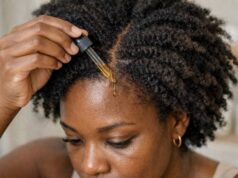
Copper is a trace mineral, but it plays an outsized role in the “invisible” processes that keep hair growing well: iron handling and oxygen delivery, connective-tissue strength around follicles, antioxidant defense, and even melanin production linked to hair color. Because copper is needed in such small amounts, deficiency is uncommon in the average diet—yet it can appear in specific situations, especially when absorption is reduced or when zinc intake is chronically high. On the other end of the spectrum, supplementing without a clear reason can backfire because copper has a narrow window between “enough” and “too much” compared with many other nutrients.
This article helps you use copper thoughtfully. You’ll learn which signs and risk factors make copper worth investigating, how to get more copper from food without overcomplicating meals, what lab tests can and cannot tell you, and how to supplement safely when it is truly indicated. The goal is not to chase a “miracle mineral,” but to remove a nutritional bottleneck that can keep hair from thriving.
Essential Insights
- Copper supports enzymes involved in iron metabolism, connective tissue, antioxidant defense, and melanin pathways relevant to hair quality and color.
- True copper deficiency is uncommon, but risk rises with malabsorption, bariatric surgery, and long-term high-dose zinc.
- Serum copper results can be misleading during inflammation, pregnancy, or estrogen therapy, so interpretation matters.
- Food-first strategies usually meet needs; supplements should be short-term and targeted when deficiency risk is credible.
- If you supplement, avoid stacking multiple products and reassess after 8–12 weeks rather than taking high doses indefinitely.
Table of Contents
- How copper connects to hair growth
- Who should consider copper as a factor
- Best copper-rich foods and practical meals
- Lab testing: how to measure copper status
- Safe supplementing: doses, forms, and interactions
- Realistic expectations and next steps for shedding
How copper connects to hair growth
Copper is not a “hair growth stimulant” in the way people imagine a medication might be. Instead, it supports several biological systems that make healthy hair growth possible. When copper is sufficient, those systems run quietly in the background. When copper is low—or when copper handling is disrupted—hair can become one of the tissues that reflects the imbalance.
1) Copper helps your body use iron efficiently
Hair follicles are metabolically active, especially during the growth (anagen) phase. Oxygen delivery to the follicle depends on healthy red blood cells and iron metabolism. Copper is required for proteins that help move and use iron properly. If copper is very low, iron can be “present” but not utilized effectively, contributing to anemia-like patterns that can worsen shedding, fatigue, and brittle hair. This is one reason copper is sometimes discussed alongside iron when diffuse shedding persists.
2) Copper supports connective tissue and the follicle environment
Copper-dependent enzymes help cross-link collagen and elastin—structural proteins that contribute to skin integrity and the supportive framework around follicles. This does not mean copper “thickens” hair shafts overnight. It means copper participates in the scaffolding that keeps the skin and microvasculature stable, which can matter when hair is already fragile from stress, restrictive dieting, or inflammatory scalp conditions.
3) Copper contributes to antioxidant defense
Hair follicles generate oxidative byproducts as part of normal metabolism. Copper is involved in enzymes that help manage oxidative stress. In practical terms, this is less about a visible “anti-aging” effect and more about resilience: a follicle that can buffer stress signals is less likely to shift prematurely into a shedding phase.
4) Copper is linked to pigmentation pathways
Copper is required for tyrosinase, an enzyme involved in melanin production. Severe copper deficiency can be associated with changes in pigmentation, and copper is often mentioned in conversations about premature graying. The important nuance is that graying is complex and strongly genetic; copper is not a reliable “anti-gray” supplement. But copper sufficiency is part of the nutritional baseline that supports normal melanocyte function.
A helpful perspective is to treat copper as a “supporting mineral.” It rarely acts alone, and the hair story often involves iron, zinc balance, protein intake, thyroid status, and inflammation. Copper matters most when it is the missing piece—not when it is already adequate and simply being pushed higher.
Who should consider copper as a factor
Most people with shedding do not have copper deficiency. The people who benefit from paying attention to copper are those with a credible reason to suspect low intake, poor absorption, or mineral imbalance—especially when standard “hair labs” do not explain the severity or persistence of symptoms.
Higher-risk situations for low copper
- Bariatric surgery or significant gastrointestinal surgery: Copper absorption can decline after procedures that alter the stomach and small intestine. Deficiency may show up months to years later and can include blood-count changes and neurologic symptoms in addition to hair concerns.
- Chronic digestive disorders: Conditions that reduce absorption—persistent diarrhea, inflammatory bowel disease, or severe food restriction due to GI symptoms—can make trace mineral status less reliable over time.
- Long-term restrictive diets: Extremely limited food variety, prolonged very low-calorie diets, or avoidance of major copper sources (seafood, nuts, seeds, legumes) can push intake down.
- Prolonged high-dose zinc supplementation: This is one of the most common modern routes to copper deficiency. Zinc and copper compete for absorption pathways; too much zinc over time can suppress copper absorption. If you have been taking zinc daily for months, especially at higher doses, copper deserves consideration. A focused explanation of how excessive zinc can backfire for hair can help you spot this pattern early.
Symptoms that can fit copper deficiency (but are not specific)
Copper deficiency rarely appears as “hair shedding only.” More often, it clusters with other signs, such as:
- Unexplained fatigue, frequent infections, or pale skin (possible anemia pattern)
- Easy bruising or poor wound healing
- Numbness, tingling, balance changes, or gait changes (neurologic red flags)
- Hair that feels unusually brittle or changes in hair pigmentation
Because these symptoms overlap with many conditions, copper deficiency is usually a diagnosis of context and testing, not guesswork.
Who should be cautious about copper supplements
Supplementing copper “just in case” is not a benign strategy for everyone. It may be risky if you have:
- Known disorders of copper metabolism (such as Wilson disease)
- Significant liver disease or cholestasis
- A history of unexplained high copper levels
- A supplement routine that already includes multiple minerals (stacking raises overdose risk)
If you are unsure whether copper is relevant, start by looking for a strong story: risk factors plus compatible symptoms plus labs that make sense together. Without that, food-first improvements and a broader shedding evaluation are usually the safer path.
Best copper-rich foods and practical meals
Food is the safest way to raise copper because it delivers copper in physiologic amounts alongside other nutrients hair needs. For most people, the simplest goal is not to “hit a copper number,” but to include one or two copper-rich foods most days while keeping overall nutrition steady.
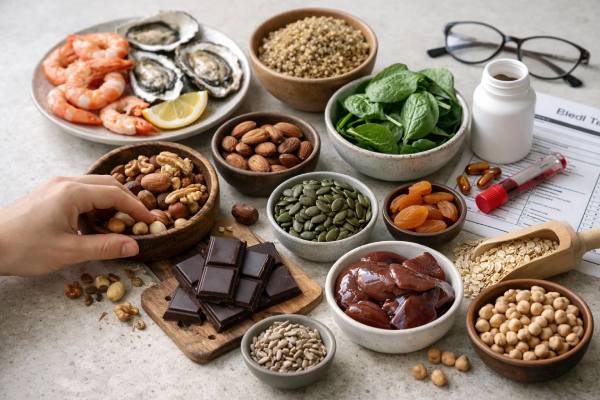
Copper-rich foods that fit real life
- Shellfish (especially oysters): among the most copper-dense options
- Organ meats (especially liver): very high copper, but not needed often; small servings go a long way
- Nuts and seeds: cashews, sesame, sunflower, pumpkin seeds
- Legumes: lentils, chickpeas, beans
- Cocoa and dark chocolate: a copper source, best treated as a “bonus” rather than a strategy
- Whole grains: particularly wheat bran and some whole-grain cereals
- Mushrooms and potatoes: moderate copper and easy to add to meals
- Tofu and tempeh: helpful for plant-forward patterns
How to build a copper-supportive day without tracking
Here are three low-effort templates:
- Breakfast: oatmeal topped with seeds and nut butter, or a whole-grain toast with tahini
- Lunch: lentil soup or chickpea salad with a whole-grain side
- Dinner: salmon or shellfish with roasted vegetables, or tofu stir-fry with mushrooms and sesame
If you prefer plant-based eating, copper intake can be excellent—legumes, seeds, and whole grains are strong sources. The bigger challenge in plant-based patterns is often overall protein adequacy, iron availability, and B12 consistency, which can indirectly affect shedding. If this is your context, nutrition priorities for vegan hair health can help you keep copper in the right place: important, but not isolated from the bigger picture.
Absorption factors that matter
- Very high zinc intake can reduce copper absorption over time.
- High-dose iron supplements can compete with copper if taken together; spacing minerals out is often wiser when you are supplementing.
- Food variety protects you. Copper deficiency is more likely when the diet is narrow, repetitive, and low in both animal and plant copper sources.
A practical “food-first” trial
If copper is a concern but not proven, try 8–12 weeks of consistent copper-rich foods. Track changes in shedding by monthly photos and a simple “wash-day impression” rather than daily hair counts. If shedding improves, you may have removed a mild nutritional bottleneck without adding supplement risk. If it does not, you still gained overall nutrition—an outcome hair follicles rarely dislike.
Lab testing: how to measure copper status
Copper testing is useful, but it is also easy to misinterpret. The two most common blood markers—serum copper and ceruloplasmin—can shift for reasons unrelated to true copper status. That does not make them worthless. It means you need context.
The common tests and what they suggest
- Serum copper: reflects copper circulating in blood, much of it bound to ceruloplasmin. Low serum copper can support deficiency, but “normal” does not always rule it out in complex cases.
- Ceruloplasmin: a copper-carrying protein. Low ceruloplasmin plus low serum copper can point toward copper deficiency, but ceruloplasmin can rise with inflammation, infection, pregnancy, and estrogen therapy.
- Complete blood count and iron indices: copper deficiency can present with anemia or other blood-count abnormalities. Looking at copper in isolation can miss the bigger pattern.
- Additional testing in selected cases: some clinicians use 24-hour urine copper, liver function tests, or specialized copper fractions in specific diagnostic questions.
Why results can be confusing
Ceruloplasmin behaves like an “acute phase” protein, meaning it can increase when the body is under inflammatory stress. That can raise measured serum copper even if dietary copper is not high. Conversely, copper can be low in deficiency states without dramatic hair symptoms, while hair symptoms can be prominent with only mild lab shifts if other triggers are present.
Because hair shedding is multifactorial, copper testing is often most helpful as part of a broader workup, especially when shedding is persistent or severe. If you are building a practical lab plan for diffuse shedding, a structured overview like blood tests commonly used in hair loss evaluation can help you understand how copper fits alongside iron, thyroid function, and other nutrient markers.
What about hair mineral analysis
Hair testing is appealing because it feels “hair-specific,” but hair mineral content is influenced by external contamination (water, dye, sweat, product residue) and does not reliably reflect internal copper status for medical decision-making. If a hair test suggests low copper, it can be a prompt to evaluate diet and consider blood testing, but it should not be used alone to justify high-dose supplementation.
When to test rather than guess
Consider copper testing when:
- You have a high-risk history (bariatric surgery, malabsorption, prolonged high-dose zinc)
- Shedding persists despite correcting more common issues
- There are neurologic symptoms, significant fatigue, or unexplained anemia patterns
- A clinician is evaluating copper metabolism disorders or liver-related concerns
Good testing does not replace clinical judgment. It supports it. The goal is to avoid both extremes: dismissing copper when it is truly low, and supplementing aggressively when the labs are elevated for other reasons.
Safe supplementing: doses, forms, and interactions
Copper supplements can be helpful when deficiency is likely or confirmed, but they should be treated like a targeted medical tool, not a forever habit. The safest approach is to match the dose and duration to the reason—and to avoid stacking multiple products that silently push copper too high.
When supplementing is reasonable
- Confirmed low copper status on labs, especially with compatible symptoms
- High-risk malabsorption patterns where food-first changes are unlikely to be enough
- Clinician-directed repletion after bariatric surgery or other GI conditions
- Correcting a zinc-driven imbalance when zinc is medically necessary and monitored
A cautious dosing mindset
Many people assume “more is faster.” With copper, that is a mistake. Typical daily needs are under 1 mg for most adults, and long-term intakes far above that can increase toxicity risk. In practical terms:
- Mild deficiency patterns may be addressed with low single-digit milligram doses for a limited period under guidance.
- Long-term high-dose copper without monitoring is rarely appropriate.
Because copper and zinc compete, supplementation often involves balancing both minerals rather than pushing one upward indefinitely. If you are using zinc for immunity, acne, or hair support, consider whether you are also inadvertently creating copper stress—especially if your zinc dose is high or continuous.
Forms you may see on labels
- Copper gluconate, copper sulfate, copper citrate, and chelated forms (such as bisglycinate) are common.
- Copper oxide is sometimes used in low-quality products and is generally less desirable as a primary source.
Timing and interactions
- Separate copper from high-dose zinc and high-dose iron by at least a couple of hours if you take them, to reduce absorption competition.
- Take copper with food if it causes nausea.
- Avoid combining multiple “hair supplements” unless you have checked the total copper amount across all products.
Safety red flags
Stop and reassess if you develop:
- Persistent nausea, vomiting, abdominal pain, or a metallic taste after starting copper
- New unexplained fatigue, yellowing of the skin or eyes, dark urine, or right-sided abdominal discomfort
- Worsening headaches or unusual neurologic symptoms
Also avoid copper supplementation without specialist guidance if you have a known copper metabolism disorder or significant liver disease.
How to choose a supplement wisely
The supplement aisle is crowded with “hair formulas” that combine many nutrients at unclear doses. If you decide to supplement, choose a product with transparent dosing, avoid proprietary blends, and resist the urge to stack. For a practical framework on spotting marketing traps and dosing excess, red flags in hair growth supplements can help you keep your plan both safer and more effective.
Copper can support hair health when it corrects a real deficiency or imbalance. It becomes risky when it turns into an unmonitored experiment.
Realistic expectations and next steps for shedding
Even when copper is part of the problem, the hair timeline is slower than the supplement timeline. Hair follicles cycle over months, and shedding often reflects what happened 8–12 weeks earlier. That means the best way to judge progress is not day-to-day hair counts, but trends over time.
What improvement can look like
If copper deficiency or imbalance is contributing to shedding, early signs of recovery often include:
- Less dramatic shedding on wash days over 6–12 weeks
- Improved hair texture and reduced breakage (especially if overall nutrition improves)
- Better energy and fewer deficiency-related symptoms if they were present
- Gradual thickening of ponytail feel over several months, not weeks
What copper will not fix on its own
Copper is not a direct treatment for:
- Pattern hair loss driven by hormones and genetics
- Autoimmune hair loss disorders
- Scarring alopecias
- Breakage from heat, bleach, or traction
In many people, copper is one piece of a broader nutritional and medical picture. If your shedding is chronic, the most common nutritional driver is still low iron stores, often with normal hemoglobin. If you want to compare copper’s role to the more frequent iron pattern, ferritin and iron deficiency-related hair loss can help you decide what deserves priority in your workup.
A step-by-step plan that avoids overcorrection
- Clarify your risk: bariatric surgery, malabsorption, prolonged high-dose zinc, restrictive diet, or multiple deficiency symptoms.
- Choose food-first when risk is low: add copper-rich foods consistently for 8–12 weeks before supplementing.
- Test when risk is moderate to high: serum copper and ceruloplasmin, plus a broader shedding panel guided by symptoms.
- Supplement only with a clear rationale: keep dose modest, avoid stacking, and set a reassessment point.
- Recheck and rebalance: if you supplement, confirm that copper status improves and that you are not creating a new imbalance (especially with zinc).
When to seek care sooner
Get prompt evaluation if you have neurologic symptoms (numbness, gait changes), severe fatigue with abnormal blood counts, patchy hair loss, scalp pain with scale, or shedding that is rapidly worsening. Those patterns deserve medical assessment rather than trial-and-error supplementation.
Copper can be a meaningful lever when it is truly low. The best outcomes come from targeted correction, steady monitoring, and resisting the temptation to treat hair shedding with “more of everything.”
References
- Copper – Health Professional Fact Sheet 2022 (Government Fact Sheet)
- Is Copper Still Safe for Us? What Do We Know and What Are the Latest Literature Statements? 2024 (Review)
- Trends of copper deficiency following one anastomosis gastric bypass and Roux-en-Y gastric bypass 2025 (Observational Study)
- Quantitative Analysis of Selected Circulating Hematological Biomarkers, Essential Minerals, Vitamins, and Thyroid Hormones in Females Affected by Hair Loss 2025 (Observational Study)
Disclaimer
This article is for educational purposes and does not provide medical advice, diagnosis, or treatment. Hair shedding and thinning can have many causes, including genetic pattern hair loss, hormonal conditions, nutritional deficiencies, malabsorption, inflammatory scalp disorders, and medication effects. Copper supplements can be harmful if taken unnecessarily or in high doses, and they may be inappropriate for people with certain liver conditions or disorders of copper metabolism. Do not start or stop prescribed medications based on this article. If you have significant fatigue, neurologic symptoms, abnormal blood counts, patchy hair loss, scalp pain, or shedding that is severe or worsening, seek prompt evaluation from a qualified healthcare professional.
If this article helped you approach copper and hair health more safely, consider sharing it on Facebook, X (formerly Twitter), or your preferred platforms so others can avoid unnecessary supplement risks and focus on smarter next steps.