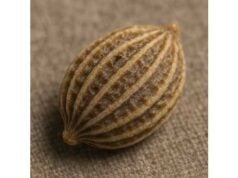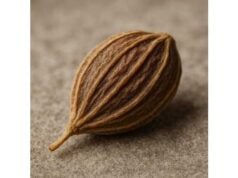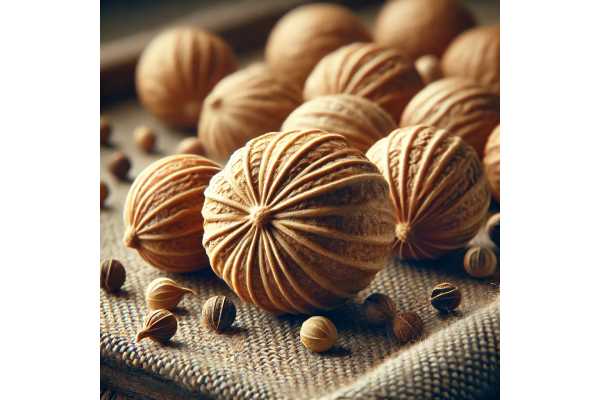
Coriander seeds—dried fruits of Coriandrum sativum—add warm, citrusy notes to dishes from garam masala and ras el hanout to pickles, breads, and chorizo. Beyond flavor, they deliver notable fiber and minerals, plus aromatic compounds like linalool and petroselinic acid that shape their culinary and potential wellness roles. In small amounts, the seeds can support digestion, contribute iron and magnesium, and bring depth to savory and sweet recipes. Whole seeds keep their quality longer than pre-ground powder, and a quick toast unlocks a nutty, orange-like aroma that blends well with cumin, fennel, black pepper, and citrus zest. While culinary use is widely well-tolerated, spice allergies and cross-reactions can occur in pollen-sensitized people, and concentrated extracts may interact with glucose or blood-pressure medications. This guide explains coriander seeds with practical detail—how to select, store, and cook them; what the nutrition looks like per 100 g and per kitchen-realistic servings; the current state of evidence on benefits; and when to be cautious.
Fast Facts
- High-fiber spice: ~42 g fiber per 100 g; a 2 g teaspoon contributes ~0.8 g.
- Preliminary evidence supports digestive comfort and antioxidant activity; limited human trials suggest niche skin-calming effects with seed oil.
- Safety: possible cross-reactivity in pollen food syndrome; concentrated extracts may lower blood sugar or blood pressure.
- Typical use: 1–2 teaspoons (2–4 g) ground, or 1 tablespoon (5–6 g) whole, a few times per week.
- Limit or avoid: individuals with known spice allergies, significant birch/mugwort pollen allergies, or those on glucose-/blood-pressure–lowering drugs without medical guidance.
Table of Contents
- Coriander Seeds: Detailed Overview
- Coriander Seeds Nutrition Profile
- Evidence-Based Benefits of Coriander
- Risks, Allergies and Interactions
- Selecting Quality, Sustainability and Storage
- Preparation, Cooking and Nutrient Retention
- Portions, Comparisons and FAQs
Coriander Seeds: Detailed Overview
Coriander seeds are the small, round, beige-to-tan dried fruits of Coriandrum sativum. When crushed, they release a bright, lemony aroma balanced by warm, nutty undertones—very different from the leafy herb cilantro. Their essential oil is rich in linalool, which provides the floral-citrus top note, while the fixed oil (pressed seed oil) features petroselinic acid, a monounsaturated fatty acid typical of Umbellifer seeds. Together, these compounds explain why lightly toasted, freshly ground seeds smell like orange peel and roasted nuts, and why they sit comfortably with cumin, fennel, black pepper, ginger, garlic, and citrus zest.
Culinarily, coriander seeds show up in dozens of spice blends and techniques: tempering (tadka) in South Asian cooking, blooming in hot oil for North African stews, cracking for pickling spice, grinding into Mexican adobos, or perfuming European sausages and rye breads. In baking, a small pinch elevates gingerbread and biscotti; in beverages, crushed seeds accent syrups, vermouth, and certain gins. Whole seeds provide texture in chutneys and quick pickles; ground seeds thicken and flavor curries, stews, and soups. Because volatile aroma compounds dissipate with time and light, buying whole and grinding just before use yields the most vivid flavor.
From a nutrition standpoint, coriander seeds are unusually high in dietary fiber for a spice. They also supply meaningful amounts of iron, magnesium, calcium, potassium, and several B vitamins per 100 g, though typical kitchen servings are small. That said, the fiber density means even a teaspoon adds nontrivial fiber to meals. In traditional medicine systems, seeds are used as carminatives (digestion-soothing agents), and modern lab and preliminary clinical research explores antioxidant, metabolic, and skin-calming angles—useful to know but best viewed as complementary to a balanced diet, not as a stand-alone therapy.
In the sections ahead, you will find a complete per-100 g nutrient breakdown with % Daily Value (%DV), evidence-based benefits (and where evidence is still early), safety considerations (including pollen-related reactions), and practical buying, storing, and cooking guidance to get the most from this versatile spice.
Coriander Seeds Nutrition Profile
How to read these tables: Values are per 100 g to standardize comparisons across foods and brands; %DV uses general U.S. Daily Values for adults. Typical home servings are 2–6 g (see Section 7 for per-teaspoon/tablepoon estimates). Natural variability occurs by cultivar, climate, and processing. No values reflect fortification.
Macros and Electrolytes (per 100 g)
| Nutrient | Amount | %DV |
|---|---|---|
| Energy | 346 kcal | — |
| Water | 15 g | — |
| Protein | 12.4 g | 25% |
| Total fat | 17.8 g | 23% |
| Saturated fat | 1.0 g | 5% |
| Carbohydrate (available) | 13.1 g | 5% |
| Dietary fiber | 42.0 g | 150% |
| Total sugars | 0 g | 0% |
| Sodium | 35 mg | 2% |
| Potassium | 1,267 mg | 27% |
Carbohydrates (per 100 g)
| Component | Amount | Notes |
|---|---|---|
| Starch | ~10 g | Slowly digested fraction; contributes to body and binding in dishes. |
| Sugars (total) | 0 g | Naturally negligible in dried seeds. |
| Fiber | 42.0 g | Mostly insoluble; adds bulk and helps satiety. |
Fats and Fatty Acids (per 100 g)
| Fatty Acid Class | Amount | Notes |
|---|---|---|
| Monounsaturated fat | ~13.6 g | Dominated by petroselinic acid in pressed seed oil. |
| Polyunsaturated fat (omega-6) | ~1.8 g | Mainly linoleic acid. |
| Saturated fat | ~1.0 g | Low for a seed. |
| Cholesterol | 0 mg | Plant food; contains phytosterols in trace amounts. |
Vitamins (per 100 g)
| Vitamin | Amount | %DV |
|---|---|---|
| Thiamin (B1) | 0.24 mg | 20% |
| Riboflavin (B2) | 0.29 mg | 22% |
| Niacin (B3) | 2.1 mg | 13% |
| Vitamin C | 21 mg | 23% |
| Vitamin A (RAE) | 0 µg | 0% |
| Vitamin K | — | — |
Minerals (per 100 g)
| Mineral | Amount | %DV |
|---|---|---|
| Calcium | 709 mg | 55% |
| Iron | 16.3 mg | 91% |
| Magnesium | 330 mg | 79% |
| Phosphorus | 409 mg | 33% |
| Zinc | 4.7 mg | 43% |
| Copper | 0.98 mg | 109% |
| Selenium | 26 µg | 47% |
| Sodium | 35 mg | 2% |
Bioactives / Phytonutrients
- Aroma (essential oil): linalool predominates; contributes citrusy-floral aroma.
- Fixed oil: rich in petroselinic acid (a monounsaturated fatty acid typical of Apiaceae seeds).
- Polyphenols: various phenolic acids and flavonoids; antioxidant capacity varies by origin and extraction.
Allergens and Intolerance Markers
- Apiaceae spice allergens: proteins (e.g., profilins) can cross-react in those sensitized to birch or mugwort pollen (see Section 4).
- FODMAPs: negligible at culinary doses; spices are typically used in grams.
Footnote: Values represent typical unfortified, dried coriander seeds. Nutrient composition can differ across databases depending on whether fiber is included within “carbohydrates” or listed separately; here, fiber is shown separately for clarity.
Evidence-Based Benefits of Coriander
1) Digestive comfort and culinary functionality
Coriander seeds are classically used as a carminative—ingredients that help relieve gas and support comfortable digestion. The aromatic oil (rich in linalool) is one reason: warming, fragrant spices stimulate salivation and gastric secretions, while the high fiber content adds bulk and softness to stool. In practice, pairing ground coriander with ginger or cumin in bean dishes, lentils, or crucifers (cabbage, broccoli) can make fiber-rich meals easier to enjoy.
2) Antioxidant and anti-inflammatory potential
Laboratory and integrative reviews describe antioxidant capacity from coriander polyphenols and terpenes. Mechanistically, extracts can scavenge free radicals and modulate inflammatory signaling in cell and animal models. This does not make the seeds a “cure,” but it supports their role as part of an overall eating pattern that favors herbs, spices, vegetables, pulses, and whole grains.
3) Metabolic markers: cautious optimism
Preclinical studies and early human work suggest coriander preparations may influence glucose handling and lipids. Proposed mechanisms include effects on carbohydrate-digesting enzymes, insulin signaling, and hepatic lipid metabolism. While the direction of effect is promising in models and small trials, dose forms vary (whole seed, extracts, oils), and study sizes are modest. For everyday cooking, the realistic contribution is as a supportive, flavorful component of balanced meals—not a replacement for medical care or prescribed therapy.
4) Skin reactivity: niche evidence for seed oil
A randomized, placebo-controlled pilot trial of virgin coriander seed oil (200 mg/day) in women with reactive skin reported improvements in induced redness/itching and self-perceived sensitivity over 4–8 weeks. This pertains to a specific oil supplement under study conditions. Culinary use of the spice is not equivalent; nonetheless, it shows how unique fatty acids (notably petroselinic acid) may have targeted effects that are being investigated.
5) Micronutrient support in small packages
Per 100 g, coriander seeds pack high amounts of iron, magnesium, calcium, potassium, and copper. Typical servings are small, but even teaspoons contribute fiber and traces of minerals to meals that might otherwise be low in these nutrients (e.g., refined-grain dishes).
Practical bottom line
Coriander seeds shine as a flavor-forward way to increase dietary variety and fiber, with intriguing—yet still developing—research on antioxidant, metabolic, and skin-calming fronts. Use them to make healthy foods more delicious and to add small but worthwhile amounts of fiber and minerals to everyday cooking.
Risks, Allergies and Interactions
Allergy and cross-reactivity
Spice allergy exists, though it is less common than milk, egg, or nut allergy. Coriander belongs to the Apiaceae family (with cumin, fennel, anise). Some individuals with pollen food syndrome—especially those sensitized to birch or mugwort pollens—experience oral itching, tingling lips, or throat symptoms after consuming certain raw plant foods and spices due to cross-reactive proteins (e.g., profilins). Symptoms are often mild and limited to the mouth; systemic reactions are less common but can occur. Anyone with a known spice allergy or a history of pollen-related reactions should discuss coriander with an allergy-aware clinician and introduce new spices cautiously.
Medication interactions and medical conditions
Concentrated seed extracts and oils—not typical kitchen amounts—may influence blood sugar and blood pressure. People on insulin, sulfonylureas, GLP-1 receptor agonists, SGLT2 inhibitors, ACE inhibitors, ARBs, or beta-blockers should avoid self-supplementing with coriander extracts without medical guidance. Culinary use in small amounts is usually acceptable. If you monitor glucose or blood pressure, note any changes when adding new supplements.
Pregnancy, lactation, and pediatric use
Culinary use is generally considered compatible with pregnancy and breastfeeding. However, avoid high-dose extracts and essential oils due to limited safety data. For children, small culinary amounts in age-appropriate foods are typical; for any history of food allergy, consult a clinician first.
Digestive tolerance
As a high-fiber spice, large amounts (well beyond typical recipe use) could cause bloating or loose stools in sensitive individuals. Start with small amounts and distribute intake across meals.
Quality and contaminants
Spices should be purchased from reputable suppliers to minimize risks like poor hygiene during drying/handling. Store in airtight containers away from moisture to prevent spoilage. Choose whole seeds when possible to reduce the risk of adulteration and keep aroma longer.
Top takeaways on safety
- Known pollen-related food reactions or spice allergy: use caution and consider supervised testing.
- Diabetes or hypertension treatment: avoid concentrated coriander supplements unless cleared by your clinician.
- Culinary doses in mixed dishes are the norm; very high intakes can cause GI discomfort.
Selecting Quality, Sustainability and Storage
How to choose
- Whole vs. ground: Whole seeds keep flavor and aroma longer; ground coriander is convenient but fades quickly.
- Appearance: Look for plump, evenly colored seeds without cracks, dust, or signs of moisture. A warm, citrusy scent indicates freshness.
- Aroma test: Crush a seed between fingers—fresh coriander should smell bright, slightly sweet, and orange-like with a nutty base.
- Organic or conventional: Choose based on preference and availability; prioritizing reputable, transparent brands often matters more than the label alone.
Sustainability notes
Coriander is an annual herb often grown in rotation with cereals or pulses, supporting diversified cropping. It is relatively drought-tolerant, and seed harvest/storage are low-temperature processes compared with energy-heavy ingredients. Choosing regional sources when available and buying only what you’ll use within a year reduces waste.
Storage and shelf life
- Whole seeds: Store airtight, away from heat, light, and humidity. Best quality for 12–24 months.
- Ground coriander: Best within 3–6 months after opening. Keep lids tightly sealed; consider decanting into small jars to limit air exposure.
- Freezing: Not typically necessary. If done, use moisture-proof packaging and return only what you need to room temperature before opening.
- Rancidity check: A flat, dusty, or stale aroma means the spice has faded—toast lightly to test; if aroma doesn’t bloom, replace.
Avoiding adulteration and off-flavors
Buy from suppliers who disclose origin or harvest year, and prefer whole seeds you grind yourself. If a jar smells musty or “off,” it may have absorbed moisture or odors—discard and replace.
Kitchen economy
A modest investment in whole coriander and a small spice grinder or mortar-and-pestle yields fresher flavor and better value than frequently replacing pre-ground jars.
Preparation, Cooking and Nutrient Retention
Quick techniques that unlock flavor
- Toast whole seeds in a dry pan over medium heat for 60–90 seconds until fragrant. Swirl or stir to avoid scorching.
- Crack or grind just before cooking. For pickles, crush coarsely; for stews and rubs, grind to a medium powder.
- Bloom in fat (oil, ghee) for 15–30 seconds to carry aroma into the dish; add garlic, onions, or tomato paste afterward.
- Layer with complementary spices: cumin (earthy), fennel (sweet), black pepper (pungent), turmeric (warm), cardamom (floral).
- Finish with freshness: add a final pinch near the end of cooking to lift citrusy top notes.
Applications and pairings
- Bean and lentil dishes: coriander eases “beany” notes; pair with cumin and bay.
- Vegetables: especially carrots, cabbage, cauliflower, squash, and beets; toss roasted veg with a coriander-cumin-garlic oil.
- Proteins: chicken, pork, lamb, firm tofu, paneer, and oily fish; use in spice rubs or marinades.
- Breads and baking: rye, soda breads, gingerbread; a pinch adds complex citrus-nutty depth.
- Pickles and chutneys: coarsely cracked seeds bring texture and bursts of aroma.
- Beverages and syrups: simmer in simple syrup for mocktails, shrubs, or to perfume fruit salads.
Maximizing nutrients and aroma
- Volatile loss: Aroma compounds evaporate with prolonged high heat. Toast lightly and add ground coriander later in cooking.
- Fiber preservation: Fiber is stable; culinary heat does not degrade it meaningfully.
- Oil sensitivity: The fixed oil (petroselinic-rich) can oxidize with long storage; keep seeds cool and airtight.
- Extraction hacks: For dressings or sauces, briefly warm ground coriander in oil to solubilize aroma, then whisk in acid (lemon/vinegar) to lock brightness.
Do-this-now ideas
- Everyday sprinkle: mix 1 tsp ground coriander with 1 tsp ground cumin and ½ tsp smoked paprika; use 1–2 tsp per pan of roasted vegetables.
- Citrus rub: crush 1 tbsp coriander seeds with 1 tsp black pepper and 1 tsp orange zest; rub onto chicken before roasting.
- Quick pickle: smash 2 tsp seeds, add to vinegar-salt-sugar brine with sliced cucumbers and onions; chill 2–4 hours.
Common mistakes
Burning (turns bitter), using stale pre-ground jars, or piling coriander with too many competing sweet spices can mute its brightness. Keep it simple; let the citrus-nutty note lead.
Portions, Comparisons and FAQs
Practical portions
- Teaspoon (2 g) ground: ~5 kcal, ~0.8 g fiber, ~0.25 g fat, ~0.25 g protein, negligible sugars.
- Tablespoon (5–6 g) whole or ground: ~17–21 kcal, ~2.1–2.5 g fiber.
- Suggested frequency: Use 1–2 teaspoons (2–4 g) in meals a few times weekly as taste and tolerance allow.
How coriander seeds compare to similar spices
- Coriander vs. cumin: coriander is citrusy-nutty; cumin is earthy-pungent. Both are fiber-dense; cumin tastes stronger in small amounts.
- Coriander vs. fennel: coriander leans lemony; fennel is sweet-anise. Pairing them brings lift plus sweetness.
- Coriander vs. celery seed: coriander is softer and more floral; celery seed is sharper and more savory-bitter.
- Whole vs. ground coriander: whole keeps aroma 3–4× longer; ground integrates faster into sauces and rubs.
FAQs
- Are coriander seeds the same as cilantro?
They come from the same plant. “Cilantro” refers to the fresh leaves; “coriander” in many countries means the seeds. Flavor profiles differ markedly. - Can I substitute ground for whole seeds?
Yes. Use 1 teaspoon ground for about 1½–2 teaspoons whole, as whole seeds occupy more volume and release flavor more slowly. - Do coriander seeds contain gluten or caffeine?
Naturally gluten-free and caffeine-free. Cross-contact can happen via processing lines—choose certified products if needed. - Do coriander seeds lower blood sugar or cholesterol?
Early human trials and animal studies suggest potential effects, but culinary doses should be seen as supportive to a healthy diet, not a therapy. People on related medications should avoid supplements unless advised by a clinician. - What about tea or infusions?
Lightly crushed seeds steeped in hot water for 5–10 minutes yield a gentle citrus-herbal infusion. Start with ½–1 teaspoon per cup. - How long do they keep?
Whole seeds: best quality 12–24 months; ground: 3–6 months. Trust your nose—if aroma is flat, replace.
Smart use recap
Leverage coriander for flavor first. Let its fiber and micronutrients be a bonus, and reserve supplements or concentrated oils for medically appropriate contexts.
References
- Coriander (Coriandrum sativum) Polyphenols and Their Nutraceutical Value Against Obesity and Metabolic Syndrome 2023 (Systematic Review)
- Effect of the supplementation of virgin coriander seed oil on reducing reactivity in healthy women with sensitive skin: a randomized double-blind placebo-controlled pilot clinical study 2022 (RCT)
- Coriander seeds 2024
- USDA National Nutrient Database-Total Dietary Fiber 2018
- Pollen Food Syndrome (PFS): A common food allergy in children and adults with increasing prevalence 2024 (Guidance)
Disclaimer
This article is for general information and education. It is not a substitute for personalized medical advice, diagnosis, or treatment. Always consult a qualified healthcare professional about dietary changes, supplements, or managing conditions such as allergies, diabetes, or hypertension.
If you found this guide useful, please consider sharing it with friends or colleagues—on Facebook, X (formerly Twitter), or any platform you prefer. Your support helps us continue creating clear, trustworthy nutrition resources.