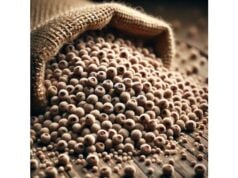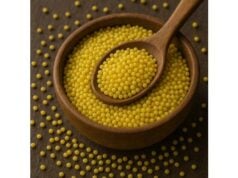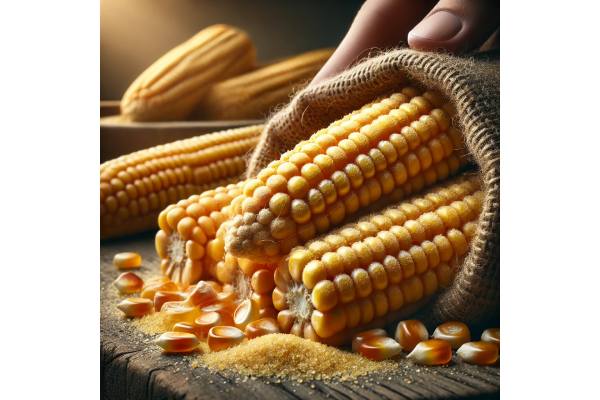
Corn is one of the world’s most versatile foods—eaten fresh off the cob, popped into a light snack, or milled into masa, polenta, and cornmeal. Beyond its comfort and cultural pull, corn provides steady energy from complex carbohydrates, dietary fiber for digestion, and notable micronutrients like magnesium, phosphorus, folate, and vitamin C. Yellow corn naturally contains lutein and zeaxanthin, two carotenoids linked to eye health, while traditional processing (such as nixtamalization for tortillas) can improve the bioavailability of certain nutrients. In the kitchen, corn adapts to every season: quick-sautéed kernels, pressure-cooked grits, stovetop popcorn, and slow-simmered pozole. As with most grains, choosing whole-grain corn products wherever possible supports better fiber intake and longer-lasting fullness. This guide brings you balanced, practical answers: what corn offers nutritionally, who benefits, how to select and store it well, the safest ways to cook it while preserving nutrients, and how it compares with other staple grains. If you enjoy people-first, evidence-centered guidance, this is your complete resource on corn.
Fast Facts
- Whole corn and popcorn provide fiber (2.7–7.3 g per 100 g) and carotenoids (lutein and zeaxanthin) that support eye health.
- Dried kernels and cornmeal keep well; store airtight in a cool, dry place to reduce mycotoxin risk.
- Typical serving: 1 ear (100–150 g cooked kernels) or 3 cups air-popped popcorn; enjoy several times weekly as part of a varied diet.
- People with confirmed corn allergy or on low-mycotoxin diets (per medical advice) should limit or avoid certain corn products.
Table of Contents
- Corn basics: types and uses
- Corn nutrition profile (per 100 g)
- Evidence-based health benefits
- Risks, allergies and interactions
- Selecting, quality, sustainability and storage
- Preparation, cooking and nutrient retention
- Portions, comparisons and FAQs
Corn basics: types and uses
Corn (maize) is a cereal grain domesticated in Mesoamerica and now cultivated across climates worldwide. While it’s easy to think of “corn” as one food, there are distinct types bred for different textures, flavors, and uses:
- Sweet corn: Harvested in the milk stage for juicy, tender kernels and natural sweetness. Eaten fresh, frozen, or canned; common cooking methods include boiling, steaming, grilling, and sautéing.
- Flint and dent corn: Starchy field varieties used for dry kernels, milling, and traditional foods like hominy and masa (the base for tortillas and tamales).
- Popcorn: A special flint type with a hard hull and dense starch that explosively expands when heated.
- Waxy corn and specialty hybrids: Used in industry and some culinary niches (e.g., high-amylopectin starch).
- Colored corns (blue, red, purple): Rich in pigments such as anthocyanins; often used in traditional cuisines and regional specialties.
Processing techniques shape nutrition and culinary behavior. Nixtamalization—cooking and steeping dried kernels in an alkaline solution (typically calcium hydroxide)—loosens hulls, enhances dough properties, can improve niacin bioavailability, and contributes calcium to the finished masa. Dry milling yields cornmeal and grits with varying degrees of bran and germ; whole-grain versions retain more fiber, minerals, and flavor. Wet milling separates components (starch, oil, and protein fractions) for food and industrial applications.
Culinary applications are vast. Fresh kernels deliver crunch to salads and sautés, while frozen kernels offer convenience with minimal prep. Coarse grits or polenta form creamy bases for sauces and braises; masa becomes tortillas, sopes, and tamales; cornmeal bakes into cornbread or coats fish and vegetables for crisp searing. Popcorn provides a whole-grain snack when air-popped or cooked in a small amount of oil. With savory, sweet, and neutral preparations, corn adapts to low-effort weeknights and elaborate weekend cooking alike.
When you choose corn products, the main nutritional pivot is whole-grain vs. refined. Whole-grain cornmeal/grits and air-popped popcorn provide more fiber and minerals than refined cornmeal or highly processed snacks. Yellow varieties offer lutein and zeaxanthin, carotenoids concentrated in the corn endosperm that contribute to the grain’s golden color.
Corn nutrition profile (per 100 g)
Important: Nutrient values vary by variety, growing conditions, and processing. The tables below provide representative, unfortified values per 100 g for raw yellow sweet corn (kernels) and whole-grain yellow cornmeal. Percent Daily Values (%DV) use U.S. adults’ reference DVs (e.g., fiber 28 g/day, potassium 4,700 mg/day). Energy has no %DV.
Raw yellow sweet corn — per 100 g
Macros & Electrolytes
| Nutrient | Amount | %DV |
|---|---|---|
| Energy | 86 kcal | — |
| Carbohydrate | 19.0 g | 7% |
| Dietary fiber | 2.7 g | 10% |
| Total sugars | 3.2 g | — |
| Protein | 3.2 g | 6% |
| Total fat | 1.2 g | 2% |
| Saturated fat | 0.18 g | 1% |
| Sodium | 15 mg | 1% |
| Potassium | 270 mg | 6% |
Vitamins
| Vitamin | Amount | %DV |
|---|---|---|
| Thiamin (Vitamin B1) | 0.20 mg | 17% |
| Niacin (Vitamin B3) | 1.7 mg | 11% |
| Folate (DFE) | 46 µg | 12% |
| Vitamin C | 6.8 mg | 8% |
| Vitamin A (RAE) | 13 µg | 1% |
Minerals
| Mineral | Amount | %DV |
|---|---|---|
| Magnesium | 37 mg | 9% |
| Phosphorus | 89 mg | 7% |
| Iron | 0.52 mg | 3% |
| Zinc | 0.45 mg | 4% |
Fats & Fatty Acids (summary)
| Component | Amount | %DV |
|---|---|---|
| Polyunsaturated fat | ~0.6 g | — |
| Monounsaturated fat | ~0.3 g | — |
Bioactives/Phytonutrients
- Yellow sweet corn contains lutein and zeaxanthin, carotenoids associated with macular pigment; amounts vary widely by variety and handling.
Whole-grain yellow cornmeal — per 100 g
Macros & Electrolytes
| Nutrient | Amount | %DV |
|---|---|---|
| Energy | 362 kcal | — |
| Carbohydrate | 76.9 g | 28% |
| Dietary fiber | 7.3 g | 26% |
| Protein | 8.1 g | 16% |
| Total fat | 4.4 g | 6% |
| Saturated fat | 0.62 g | 3% |
| Sodium | 7 mg | 0% |
| Potassium | 350 mg | 7% |
Minerals
| Mineral | Amount | %DV |
|---|---|---|
| Magnesium | 155 mg | 37% |
| Phosphorus | 294 mg | 24% |
| Iron | 4.21 mg | 23% |
| Zinc | 2.22 mg | 20% |
Carbohydrates
| Component | Amount | Notes |
|---|---|---|
| Starch | predominant | Slowly digested vs. refined cornflour; some resistant starch forms when cooled (e.g., set polenta). |
| Total sugars | ~0.8 g | Naturally occurring; negligible added sugars unless sweetened. |
Allergens & Intolerance Markers (overview)
- Gluten: Naturally gluten-free; check cross-contamination if medically required.
- FODMAPs: Generally modest in typical servings; canned creamed corn may be higher due to additives.
- Anti-nutrients: Phytates present in whole-grain corn can reduce mineral absorption; soaking/nixtamalization/cooking lowers levels.
Footnote: Values reflect typical, unfortified entries; fortified products (e.g., some cornflakes or masa flours) may add iron, folic acid, or B-vitamins—always check labels.
Evidence-based health benefits
1) Digestive regularity and fullness
Whole-grain cornmeal, grits, and popcorn supply meaningful fiber that supports bowel regularity and satiety. A 100 g portion of whole-grain cornmeal provides roughly a quarter of daily fiber needs, and a typical snack of air-popped popcorn (about 3 cups, ~16 g) delivers several grams in a low-calorie, whole-grain form. Fiber also slows carbohydrate absorption, aiding steady post-meal energy.
2) Eye-focused carotenoids (yellow corn)
Yellow corn contributes lutein and zeaxanthin, the macular xanthophylls that accumulate in the retina. Diets supplying these carotenoids are associated with better macular pigment levels and support for visual function as part of an overall healthy pattern. While eggs, leafy greens, and orange produce are well-known sources, yellow corn—fresh, frozen, or minimally processed—can add convenient, family-friendly servings.
3) Cardiometabolic support from whole-grain patterns
Swapping refined starches for whole-grain corn options (whole-grain cornmeal, 100% whole-grain tortillas, air-popped popcorn) helps elevate fiber intake and reduce highly refined carbohydrate load. Over time, these changes tie to healthier weight management behaviors and better diet quality. In everyday terms: a bowl of creamy whole-grain polenta or a side of elote-style grilled corn helps build a more satisfying plate with fewer ultra-processed fillers.
4) Nixtamalization advantages
Traditional alkaline processing of dried corn (nixtamalization) offers several functional benefits: improved dough performance for tortillas, reductions in some anti-nutrients, increased calcium content of masa, and better availability of certain B-vitamins, notably niacin. When your staple corn food is masa-based, especially from quality dry masa flour or traditionally prepared kernels, you get a more nutritionally reliable product than unprocessed field corn.
5) Versatility for diverse diets
Corn is naturally gluten-free, making it a valuable staple for people with celiac disease or non-celiac gluten sensitivity—provided cross-contamination is controlled. It also fits vegetarian and omnivorous patterns; pairing corn with legumes (e.g., black beans) complements essential amino acids for robust protein quality at the meal level.
6) Budget-friendly nutrient density
Frozen kernels, bagged popcorn, and bulk whole-grain cornmeal offer high value per euro or dollar. With careful storage, they maintain quality and reduce food waste. Budget kitchen swaps—like replacing part of white rice with polenta, or chips with popcorn—can meaningfully raise fiber and micronutrients while saving money.
Practical tip: Think in frameworks. Aim for several whole-grain corn servings per week, varied across kernels, tortillas made from whole-grain masa, polenta/grits, and popcorn. Combine with vegetables, legumes, healthy fats, and lean proteins for balanced meals.
Risks, allergies and interactions
Allergy and intolerance
True corn allergy exists but is uncommon; it may present with hives, itching, gastrointestinal symptoms, or (rarely) anaphylaxis. People with seasonal allergies sometimes react to corn pollen, which is distinct from food allergy to kernels or processed corn. If you suspect corn allergy, seek evaluation and personalized advice from an allergist. For medically strict gluten-free diets, confirm cross-contamination status (shared equipment with wheat/rye/barley) before purchasing cornmeal, masa harina, tortillas, and popcorn.
Mycotoxins and storage safety
Like other cereals, improperly stored corn can grow molds that produce mycotoxins (e.g., aflatoxins, fumonisins, deoxynivalenol). Risk rises with warm, humid conditions and poor drying. Household steps to reduce exposure include: buying from reputable suppliers, choosing intact packaging, storing in airtight containers in cool, dry places, rotating stock (first-in, first-out), and discarding visibly moldy or off-odor products. Cooking does not reliably destroy mycotoxins; prevention and proper storage are key. Commercial supply chains monitor and regulate allowable levels, with stricter limits for infant foods.
Blood sugar considerations
Corn products span a wide range of glycemic effects: whole kernels, al dente polenta, and air-popped popcorn tend to have lower to moderate impacts compared with refined cornflour or sugary corn snacks. Meal context matters—fiber, protein, and fats blunt post-meal spikes. People managing diabetes can portion carefully (see Portions section) and pair corn with non-starchy vegetables and protein.
Digestive comfort
Large servings of high-fiber popcorn or coarse whole-grain cornmeal can cause bloating in sensitive individuals. Introduce gradually and hydrate well. Some processed corn foods contain added sugars, sodium, or emulsifiers; read labels if you are salt-sensitive or following a minimally processed pattern.
Medication and nutrient interactions
Corn contains phytates that can reduce absorption of iron and zinc, most relevant in diets heavily reliant on cereal staples. Soaking, fermenting, nixtamalizing, sprouting, or simply cooking and cooling (then reheating) can lower anti-nutrient effects and yield some resistant starch, which the gut microbiota ferment into short-chain fatty acids.
Who should be cautious or avoid?
- Individuals with a confirmed corn allergy.
- Infants and those on medically indicated low-mycotoxin diets should rely on products tested and approved for their age group.
- People on very low-carbohydrate therapeutic diets may need to limit portions and choose higher-fiber corn options sparingly.
Selecting, quality, sustainability and storage
Selecting fresh corn
- Husk: Bright green and snug, with moist silk that’s pale to light brown.
- Kernels: Plump and tightly packed to the tip; press a kernel gently—fresh kernels should release milky fluid.
- Smell: Clean and grassy, never sour or musty.
Selecting packaged corn products
- Kernels (frozen): Choose plain kernels without added salt, sugar, or sauces; check for minimal ice crystals (avoid thaw-refreeze history).
- Canned corn: Opt for no-salt-added when available; rinse before use to cut sodium.
- Cornmeal/grits/polenta: Look for “whole-grain” on the label to retain bran and germ. For masa harina or ready-to-press tortillas, prioritize brands that disclose nixtamalization.
- Popcorn: Buy plain kernels; season at home to control sodium and oils.
Sustainability notes
Corn is a major global crop. Environmental impacts vary with irrigation demands, fertilizer inputs, and monoculture intensity. As a consumer, you can meaningfully improve the footprint by:
- Favoring locally grown or regionally milled products when feasible.
- Choosing whole-grain formats to reduce processing and raise nutritional yield.
- Reducing waste by storing grains properly and planning portions.
- Exploring heirloom or colored corns from small producers; diversity supports resilient agriculture.
Storage and food safety
- Fresh ears: Refrigerate (unshucked) and use within 2–3 days for optimal sweetness.
- Cooked kernels: Refrigerate in an airtight container for 3–4 days or freeze up to 3 months.
- Dry cornmeal/grits/polenta: Store airtight in a cool, dark pantry for up to 6 months; whole-grain products (with germ) keep better in the refrigerator or freezer to prevent rancidity.
- Popcorn kernels: Keep dry and sealed; avoid heat sources that drive off moisture needed for popping.
- Visually inspect for moisture, clumping, off-odors, or visible mold; when in doubt, discard.
Label literacy
“Stone-ground” often indicates more of the bran and germ remain (more fiber and flavor). “Degerminated” signals a longer shelf life but lower vitamin E and essential fatty acids. For tortillas, “whole-grain corn” or “100% corn masa harina” can guide higher-fiber choices. If you require gluten-free, look for certification and “processed in a gluten-free facility.”
Preparation, cooking and nutrient retention
Cooking fresh or frozen kernels
- Quick steam or sauté (5–7 minutes): Helps preserve water-soluble vitamins compared with long boiling. Add a squeeze of lime or a pat of butter/olive oil plus herbs for flavor without heavy sauces.
- Grill whole ears (10–15 minutes): Charred notes add depth; brush lightly with oil and season after cooking.
- Boil judiciously: Use minimal water and avoid overcooking to reduce nutrient loss.
Polenta/grits
- Low-and-slow: Simmer whole-grain polenta (1 part cornmeal: 4–5 parts water/stock) 40–60 minutes, stirring; finish with olive oil or a little cheese.
- “No-stir” method: Use the oven or a pressure cooker for hands-off cooking with similar creaminess.
- Cool-then-reheat: Cooling lets resistant starch form; reheating doesn’t negate its benefits and can improve texture for slicing and grilling.
Masa and tortillas
- Nixtamalization at home: Simmer dried kernels in water with culinary lime (calcium hydroxide), then steep, rinse, and grind. This process improves dough performance and can elevate mineral availability.
- Store-bought masa harina: Hydrate with warm water and a pinch of salt; rest dough 20–30 minutes before pressing and cooking to allow full hydration.
Popcorn
- Air-popping or stovetop with a small amount of oil maximizes whole-grain benefits. Season with herbs, spices, nutritional yeast, or a light drizzle of extra-virgin olive oil. Avoid heavy butter-sugar coatings for everyday snacking.
Retention strategies
- Use shorter heat times and gentler methods for carotenoids and vitamin C.
- Cook-in-liquid methods (soups, stews) capture nutrients leached into the broth.
- Pair corn with vitamin C–rich ingredients (peppers, citrus) to support non-heme iron absorption from plant meals.
- For mineral bioavailability, consider soaking, fermenting, or nixtamalizing whole corn and choosing whole-grain cornmeal to start with higher baselines.
Food safety
- Keep hot foods above 60°C and cold foods below 5°C.
- Cool large batches quickly (shallow containers).
- Reheat leftovers to steaming hot; do not re-refrigerate foods kept at room temperature for more than 2 hours.
Portions, comparisons and FAQs
Practical portions
- Fresh kernels or on the cob: 1 ear (about 100–150 g cooked kernels) as a side; 2 ears (~200–300 g) as a main carb.
- Polenta/grits: ¾–1 cup cooked per person as a side (about 150–200 g).
- Popcorn: 3 cups air-popped (~16 g kernels) for a whole-grain snack.
- Whole-grain tortillas: Typically 1–2 (15–30 cm) depending on fillings and energy needs.
How does corn compare with other staples?
- Corn vs. white rice: Whole-grain corn options generally provide more fiber and magnesium per 100 g cooked; white rice is lower in fiber unless enriched with resistant starch (cooled rice).
- Corn vs. wheat: Whole-grain wheat bread/pasta often contains more protein and sometimes more fiber per 100 g than cornmeal, but corn is gluten-free and can offer higher lutein/zeaxanthin (yellow varieties).
- Corn vs. potatoes: Potatoes contribute vitamin C and potassium; corn adds carotenoids and can be lower glycemic when prepared as intact kernels or set, cooled polenta.
Is sweet corn “high sugar”?
No. Per 100 g, sweet corn has ~3 g natural sugars—similar to many vegetables. Its sweetness comes from balanced starch-to-sugar ratios, not dessert-level sugar loads.
Can I eat corn if I have diabetes?
Yes, in planned portions and whole-grain forms, paired with protein, fiber, and healthy fats. Intact kernels, whole-grain tortillas, cooled-then-reheated polenta, and air-popped popcorn often fit more easily than refined cornflour snacks.
What about genetically engineered (GE) corn?
Many field corns are GE for agronomic traits. Safety assessments and regulations govern approved uses. If you prefer to avoid GE ingredients, choose products labeled organic or non-GMO verified.
Best everyday swaps
- Replace a portion of white pasta or rice with whole-grain polenta.
- Swap chips for air-popped popcorn seasoned at home.
- Use 100% corn tortillas to diversify grains on tacos and tostadas.
- Keep frozen kernels on hand to add vegetables and fiber to weeknight meals.
References
- USDA FoodData Central 2024.
- Nutritional assessment of nixtamalized maize tortillas produced from dry masa flour, landraces, and high yield hybrids and varieties 2023.
- Bioaccessibility and Cellular Uptake of Lutein, Zeaxanthin and Ferulic Acid from Muffins and Breads Made from Hairless Canary Seed, Wheat and Corn Blends 2023.
- Mycotoxin exposure in a changing European climate 2025.
- Mycotoxins 2023.
Disclaimer
This article is for general education and is not a substitute for personalized medical advice, diagnosis, or treatment. If you have a health condition, food allergy, or specific dietary need, consult a qualified healthcare professional or registered dietitian before making significant changes to your diet. If you suspect a foodborne illness or allergic reaction, seek medical care promptly.
If you found this guide helpful, please consider sharing it with friends or on Facebook or X to support our ongoing work in creating high-quality, evidence-based nutrition resources. Thank you.