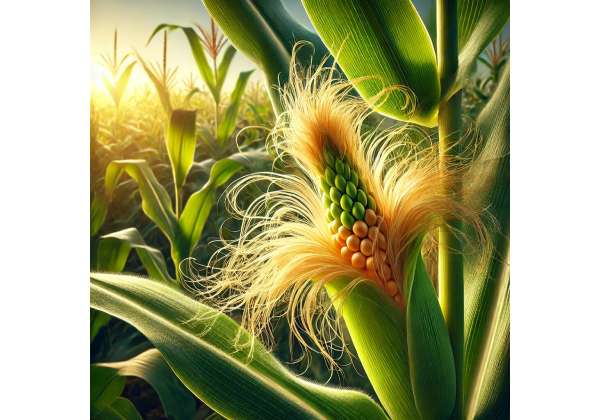
Corn silk is the soft, thread-like “silks” that sit beneath a corn husk and connect each kernel to the plant. In herbal traditions, it has long been used as a gentle tea for urinary comfort—especially when you want steady hydration support without harsh stimulation. Modern interest focuses on corn silk’s naturally occurring flavonoids, polysaccharides, and minerals that may help explain its soothing, diuretic-leaning reputation.
People most often reach for corn silk to support normal fluid balance, help ease occasional urinary irritation, and complement lifestyle approaches for metabolic health. It is not a quick-fix herb, and it is not a substitute for medical care when symptoms are intense or persistent. Still, when used appropriately, corn silk can be a practical, mild option—especially as a warm infusion—because it combines palatability with a safety profile that is typically manageable for healthy adults.
Quick Overview
- May support comfortable urination and normal fluid balance when paired with adequate hydration.
- Often used as a mild, soothing tea for occasional urinary irritation.
- Typical tea range: 2–4 g dried corn silk per cup, 1–3 times daily.
- Avoid if you use lithium or prescription diuretics unless a clinician approves.
- People with kidney disease, pregnancy-related swelling, or uncontrolled diabetes should consult a clinician first.
Table of Contents
- What is corn silk?
- Corn silk active compounds
- Does corn silk help?
- How to use corn silk
- How much corn silk per day?
- Side effects and interactions
- What the evidence says
What is corn silk?
Corn silk refers to the long, silky strands (the stigmas) found at the top of an ear of corn. Botanically, each strand is part of the flower structure that receives pollen and helps form the kernels. In traditional use, these strands are harvested fresh or dried and prepared as an infusion (tea), decoction, or extract. You may also see corn silk listed as Zea mays stigma, stigma maydis, or simply “corn tassel silk” in some herbal products.
From a practical standpoint, corn silk’s reputation is tied to how it feels in the body: it is often described as mild, moistening, and supportive for urinary comfort. That “gentle” impression matters—many people who dislike stronger diuretic herbs choose corn silk because it can be used as a warm beverage without a sharp “push” that feels dehydrating. In home herbalism, it is typically used for:
- Occasional urinary burning or irritation (as supportive care, not as a cure for infection).
- Mild water retention related to diet, heat, or inactivity.
- General “flush and soothe” support when hydration habits have been inconsistent.
Corn silk is also a culinary byproduct: most kitchens discard it. That makes it unusual among herbal remedies—accessible, inexpensive, and easy to prepare. The tradeoff is variability. Fresh silk, dried silk, tea bags, and standardized extracts can differ widely in strength, taste, and bioactive content. The age of the plant, drying method, and storage conditions all influence the final profile.
The key to using corn silk well is to match its strengths: think steady, gentle support over days—not an immediate effect in hours. If you have fever, flank pain, blood in urine, severe swelling, or urinary symptoms that persist beyond a short window, those are not situations for self-treatment. Corn silk can be supportive, but it should not delay evaluation when symptoms point to infection, stones, kidney disease, or pregnancy complications.
Corn silk active compounds
Corn silk contains a mix of plant compounds that can support its traditional roles. The most discussed groups include flavonoids, phenolic acids, polysaccharides, and minerals. While the exact profile varies by cultivar and processing, these categories show up consistently across chemical analyses.
Flavonoids and related polyphenols are the headline constituents in many discussions. Corn silk can contain flavones and flavonols (including compounds often discussed as maysin-related derivatives), along with other phenolic components. In the body, these compounds are commonly studied for antioxidant signaling and their ability to influence inflammatory pathways. “Antioxidant” here does not mean “detox” in a marketing sense—it means the compounds may help buffer oxidative stress and support normal cellular responses to irritation.
Polysaccharides (complex carbohydrates) are another major focus. In herbal practice, polysaccharide-rich plants often feel “soothing,” and corn silk fits that pattern. From a research perspective, polysaccharides are explored for their effects on immune modulation, gut microbiome dynamics, and metabolic signaling. They may also contribute to the “demulcent-like” quality people describe when sipping corn silk tea, although corn silk is not as mucilaginous as classic demulcents.
Minerals (including potassium) are relevant to the herb’s fluid-balance reputation. Potassium is central to normal electrolyte balance and vascular function. If a person is generally healthy, potassium-containing plant foods can support normal physiology. But for those with kidney impairment or people using medications that alter potassium handling, the “mineral” angle becomes a safety consideration rather than a benefit.
Other components sometimes reported include plant sterols, volatile traces, and small amounts of vitamins. These are usually not the primary reason corn silk is used, but they add to the overall profile.
A helpful way to think about corn silk’s chemistry is that it is not a single “active ingredient” herb. It behaves more like a gentle botanical matrix: multiple compound families each nudge a small piece of the overall effect—hydration support, mild diuretic leaning, and comfort for irritated tissues. That also means results can be subtle, and product quality matters more than with highly standardized single-compound supplements.
If you want an herb with a clearer “one compound, one effect” story, corn silk may feel vague. If you want a mild daily tea that supports hydration habits and urinary comfort, this multi-compound profile can be exactly the point.
Does corn silk help?
Corn silk is most often used for urinary comfort and fluid balance, with additional interest in metabolic and inflammatory pathways. The key is to keep expectations realistic: much of the strongest evidence is preclinical, while human evidence is more limited and tends to be indirect (symptom-based, small trials, or traditional use patterns).
Urinary comfort and “soothing” support
Corn silk is commonly chosen when urination feels irritated—burning, tickly, or uncomfortable—especially if dehydration, caffeine, or a very salty diet seems to be part of the story. In these cases, the benefit may come from a combination of warm fluid intake and corn silk’s gentle plant matrix. It can be especially useful as a supportive drink alongside the basics: hydration, avoiding bladder irritants (alcohol, very spicy foods, excess caffeine), and not “holding” urine too long.
If your goal is broader urinary tract support, you may also compare approaches like uva ursi for urinary health, which tends to be stronger and more conditional in use, while corn silk is milder and more beverage-like.
Mild diuretic-leaning effects and fluid balance
Corn silk is traditionally described as a mild diuretic. For healthy adults, that often translates to “I urinate a bit more freely,” not “I lose pounds of water overnight.” People sometimes use it when they feel puffy from travel, heat, or dietary sodium. When it helps, the effect is usually modest and works best when paired with consistent water intake.
Metabolic support and inflammation
Corn silk extracts and isolated polysaccharides are studied for effects on glucose regulation, lipid metabolism, and inflammatory markers—primarily in animal models. These findings do not mean corn silk treats diabetes or high cholesterol, but they do suggest it may complement lifestyle strategies. In practical terms, corn silk tea may be most useful for people who want a low-risk daily habit that supports hydration and replaces sugary beverages—an indirect but meaningful metabolic win.
What it is not ideal for
Corn silk is not a reliable stand-alone intervention for:
- Urinary tract infections with fever, worsening pain, or systemic symptoms.
- Kidney stones with severe flank pain, nausea, or blood in urine.
- Significant edema (swelling) from heart, kidney, or liver disease.
- Uncontrolled hypertension or uncontrolled blood sugar.
In those situations, self-treatment can delay care. Corn silk may still be used as a comfort measure if your clinician agrees, but it should not replace diagnosis and treatment.
How to use corn silk
Corn silk is flexible: it can be prepared fresh, dried, or as an extract. Your best choice depends on what you want—gentle daily support (tea) versus convenience and consistency (capsules or tincture).
Tea (infusion) for daily, gentle use
Tea is the most traditional and often the most practical form. It encourages hydration, provides mild support, and lets you “feel” your response quickly. Dried corn silk is typically steeped in hot water; some people simmer it briefly if it is coarse or very fibrous.
To make it more effective and pleasant:
- Use enough herb (a light sprinkle rarely does much).
- Cover the cup while steeping to preserve volatile traces.
- Drink it warm if irritation is part of your goal; warmth can be soothing.
Flavor is mild, slightly sweet-grassy. If you dislike the taste, blend with gentle herbs (for example, a small amount of mint or chamomile) without turning it into a strong diuretic mix.
Tinctures and glycerites
Alcohol tinctures are convenient for travel or when you do not want multiple cups of tea. They may extract some polyphenols well, though polysaccharides are often better represented in water-based preparations. Glycerites can be a non-alcohol alternative, but quality varies by brand.
Capsules and standardized extracts
Capsules are useful when you want repeatable dosing. Look for products that clearly state:
- Plant part (stigma/corn silk).
- Extract ratio or standardized marker (if provided).
- Serving size in mg and number of servings per container.
If a product gives no meaningful details, assume variability. With corn silk, transparency is a quality signal.
Food-style uses
Some people add dried corn silk to broths or steep it like a culinary tea. This is generally fine, but dosing becomes hard to estimate. If you are managing a health condition or medications, use measured preparations.
If urinary comfort is the goal, corn silk is often paired with hydration-focused strategies. For example, some people also use cranberry support strategies as part of a broader urinary-health routine. Keep combinations simple so you can tell what is helping and so you do not accidentally stack multiple diuretic-leaning agents.
How much corn silk per day?
Corn silk dosage depends heavily on form. The ranges below are typical for otherwise healthy adults using corn silk for general support. If you are pregnant, have kidney disease, or use prescription medications that affect fluids, blood pressure, or glucose, use clinician guidance rather than generic ranges.
Dried corn silk tea (most common)
A practical, measurable starting range:
- 2–4 g dried corn silk in 250 mL (about 1 cup) hot water
- Steep 10–15 minutes
- Drink 1–3 cups daily
If you are using it for urinary comfort, many people prefer 2 cups daily for a few days, then reassess. If you feel lightheaded, overly thirsty, or notice muscle cramping, reduce use and prioritize electrolytes and fluids.
Fresh corn silk tea
Fresh silk contains more water and can be bulkier. A typical approach:
- A small loose handful (often roughly 5–10 g fresh) per cup
- Steep 10–15 minutes
- 1–2 cups daily
Fresh preparations can spoil quickly; refrigerate and use within a day.
Tinctures
Because tincture concentrations vary widely, follow label instructions. A common range for many herbal tinctures is:
- 2–4 mL, 1–3 times daily
If the label does not provide mg-equivalents or an extract ratio, start low.
Capsules or extracts
Common supplemental ranges often fall around:
- 300–1,000 mg per day (sometimes divided)
This is a broad category. If the product is an extract (not just powdered herb), potency can be higher at lower mg.
Timing and duration
Corn silk is usually taken with the day’s hydration rhythm:
- Morning and early afternoon are often easier than late evening (to avoid sleep disruption).
- For occasional use, many people try 3–10 days, then pause and reassess.
- For ongoing daily use, take periodic breaks (for example, a few days off each month) and monitor how you feel.
If you are choosing corn silk specifically for fluid balance, it can help to compare it with other mild approaches, such as dandelion use and safety considerations. The goal is not to stack many diuretic-leaning herbs; it is to find the mildest option that meets your needs without side effects.
Side effects and interactions
Corn silk is generally considered gentle, but “gentle” does not mean risk-free—especially when you combine it with medications or when your kidneys and electrolytes are already under strain.
Common side effects
Most side effects are mild and often related to fluid shifts:
- Increased urination (expected, but can be inconvenient).
- Lightheadedness if you do not replace fluids.
- Mild stomach upset in sensitive individuals.
- Headache or fatigue if you become mildly dehydrated.
If you notice dizziness when standing, unusually dry mouth, or rapid heartbeat, stop and rehydrate. Persistent symptoms should be assessed.
Medication interactions to take seriously
Because corn silk is used for fluid balance and may influence metabolic markers in preclinical research, the most relevant interactions are:
- Diuretics (water pills): May amplify fluid and electrolyte loss.
- Lithium: Any diuretic-leaning herb can potentially increase lithium levels by altering renal handling. This combination is best avoided unless your prescriber explicitly approves and monitors levels.
- Blood pressure medications: If corn silk contributes to lower blood pressure in you, pairing it with antihypertensives could increase lightheadedness.
- Diabetes medications: If you use insulin or glucose-lowering drugs, monitor blood sugar when adding new supplements. Even modest changes in appetite, hydration, or inflammation can shift readings.
Who should avoid corn silk or use only with clinician guidance
Corn silk is not a good self-care experiment for:
- Pregnancy-related swelling (edema): Swelling in pregnancy can be normal, but it can also signal serious conditions. Do not self-treat.
- Chronic kidney disease or reduced kidney function: Fluid and electrolyte balance is already delicate.
- Heart failure or significant edema from medical causes: Diuretic decisions should be supervised.
- History of severe allergic reactions to corn: Corn silk is part of the plant; sensitivity is possible.
If potassium balance is a concern for you (kidney disease, certain blood pressure medications, or a history of abnormal potassium labs), it is worth understanding how potassium behaves in the body before using diuretic-leaning herbs. A related overview is potassium supplement benefits and sources, which can help you discuss safety with your clinician.
Red flags that need medical evaluation
Stop self-care and seek evaluation if you have:
- Fever, chills, vomiting, or flank pain with urinary symptoms.
- Blood in urine, severe pelvic pain, or inability to urinate.
- Rapidly worsening swelling, shortness of breath, or chest discomfort.
Corn silk can be supportive, but it should never mask symptoms that require diagnosis.
What the evidence says
Corn silk sits in an interesting evidence gap: it is widely used and chemically well-characterized, but high-quality human trials for specific outcomes are limited. This does not mean it “does not work”—it means the most confident claims should stay modest.
Where the evidence is strongest
Phytochemistry and biological plausibility are relatively strong. Reviews consistently describe corn silk as rich in polyphenols and polysaccharides, which are common in plants studied for inflammatory signaling and metabolic pathways. This supports why corn silk might feel soothing and why it is studied for glucose, lipid, and inflammatory markers.
Preclinical models (cell and animal studies) are also abundant. These studies often report improvements in oxidative stress markers, inflammatory mediators, gut microbiome patterns, or metabolic indicators. The challenge is translation: doses used in animal models can be far higher than what someone gets from a cup of tea.
Where evidence is limited
Human clinical evidence is the weak link. You may find small trials, mixed-herb studies, or traditional-use claims that suggest diuretic or metabolic benefits, but large, independent, well-controlled trials are not a major part of the corn silk literature.
For practical use, that means:
- Tea is reasonable for gentle support and hydration routines.
- Claims about treating disease (UTIs, diabetes, kidney stones, hypertension) should be avoided.
- If you feel a benefit, it may be partly from hydration behavior and partly from the plant matrix—both can matter.
How to use evidence wisely
A simple, evidence-aligned approach looks like this:
- Choose a clear goal (for example, “urinary comfort while I improve hydration”).
- Use a measured dose for a short window (3–10 days).
- Track a few markers (comfort, frequency, sleep disruption, dizziness).
- Stop if side effects appear or if symptoms suggest infection or stones.
- Treat corn silk as supportive, not curative.
Corn silk earns its place as a low-intensity herbal option—best suited to mild, everyday support and habit-building. When your symptoms are intense, persistent, or medically complex, the evidence base supports choosing clinical evaluation over stronger self-treatment.
References
- An Umbrella Insight into the Phytochemistry Features and Biological Activities of Corn Silk: A Narrative Review 2024 (Narrative Review)
- From waste to wonder: exploring the hypoglycemic and anti-inflammatory effects of corn silk polyphenols and polysaccharides: a comprehensive review 2024 (Review)
- Zea mays leaf and corn silk extracts influence miRNA, inflammation, and gut microbiome in high-fat diet-induced obesity in mice 2023 (Preclinical Study)
Disclaimer
This article is for educational purposes and does not replace medical advice, diagnosis, or treatment. Herbs and supplements can affect medications, lab values, and medical conditions—especially those involving the kidneys, blood pressure, and blood sugar. If you are pregnant or breastfeeding, have a chronic medical condition, or take prescription medications (including diuretics, lithium, anticoagulants, or diabetes drugs), talk with a qualified clinician before using corn silk or any herbal product. Seek urgent care for fever, flank pain, blood in urine, severe swelling, or worsening symptoms.
If you found this guide helpful, consider sharing it with friends or family on Facebook, X (formerly Twitter), or your favorite platform so others can make safer, more informed choices.