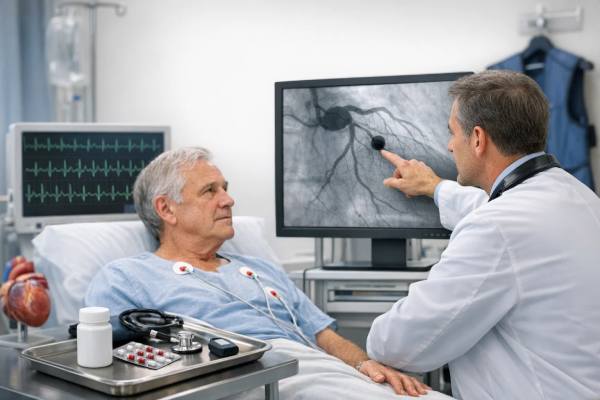
A coronary artery embolism happens when material traveling in the bloodstream suddenly lodges inside a coronary artery and blocks blood flow to heart muscle. Unlike classic coronary artery disease—where a cholesterol plaque slowly narrows the vessel—an embolism is an abrupt “plug,” often coming from the heart (such as a clot related to atrial fibrillation) or from an infected heart valve. The result can look and feel exactly like a heart attack, but the best prevention and long-term treatment may be different because the real problem is the embolus source, not just the coronary vessel itself.
This article explains what coronary artery embolism is, who is most at risk, how symptoms typically appear, how clinicians confirm the diagnosis, and what treatment and day-to-day management usually involve.
Table of Contents
- What is coronary artery embolism?
- What causes it, and who is at risk?
- Symptoms, complications, and red flags
- How doctors diagnose coronary embolism
- Treatment options and what to expect
- Long-term management, prevention, and when to seek care
What is coronary artery embolism?
Coronary artery embolism (sometimes shortened to “coronary embolism”) means a blockage in a coronary artery caused by something that formed elsewhere and traveled (“embolized”) into the coronary circulation. The “something” is most often a blood clot, but it can also be infected material (vegetations from infective endocarditis), tumor fragments, or—rarely—foreign material introduced during a procedure.
The key idea is location versus origin:
- Location: the coronary artery is where the blockage ends up.
- Origin: the blockage started somewhere else, commonly inside the heart.
When a coronary artery suddenly plugs, heart muscle downstream loses oxygen. If the blockage is complete and lasts long enough, it can cause a myocardial infarction (heart attack). Clinically, the presentation often mirrors other emergencies: chest pressure, shortness of breath, nausea, sweating, and abnormal ECG changes. This is why coronary embolism is usually managed as an acute coronary syndrome first—because time matters for heart muscle survival.
Where coronary embolism differs is in its “story.” A person may have few or no traditional plaque-related risk factors (no long smoking history, no long-standing diabetes), but they may have a strong embolic risk: atrial fibrillation, a mechanical heart valve, a recent large heart attack with clot formation in the left ventricle, or active endocarditis. Coronary angiography may show a sudden “cutoff” in an otherwise fairly normal-looking artery, rather than a long, irregular narrowing typical of atherosclerosis.
It also differs from in-situ coronary thrombosis, where a clot forms directly on a plaque rupture or erosion in the coronary artery itself. In practice, the two can look similar—both are clots causing blockage—so clinicians rely on a combination of history, imaging features, and sometimes analysis of aspirated clot to decide whether an embolus was the trigger.
Understanding the difference matters because preventing recurrence often depends on preventing clots at their source—especially with anticoagulation—rather than focusing only on cholesterol and stents.
What causes it, and who is at risk?
Coronary embolism is less common than plaque-driven coronary artery disease, but it is an important diagnosis because the “upstream” cause is frequently treatable. Most cases fall into a few major categories:
1) Heart rhythm and chamber-related clots (cardioembolic sources)
- Atrial fibrillation (AF): Irregular atrial contraction can allow clots to form in the left atrial appendage. While AF is better known for causing stroke, it can also send clots to other arteries, including coronary arteries.
- Left ventricular thrombus: After a large heart attack, severe cardiomyopathy, or myocarditis, weak contraction can lead to clot formation inside the left ventricle.
- Dilated cardiomyopathy or severe heart failure: Sluggish blood flow and enlarged chambers increase clot risk.
2) Valve-related causes
- Infective endocarditis: Bacteria or fungi can form vegetations on valves. Pieces can break off and travel as septic emboli, causing coronary blockage and potentially spreading infection.
- Mechanical prosthetic valves: Clots may form if anticoagulation is inadequate or fluctuates.
- Severe calcific valve disease: Less commonly, calcific or degenerative material may embolize.
3) Paradoxical embolism (venous clot crossing to the arterial side)
A clot from the leg or pelvis (deep vein thrombosis) can cross through a heart defect—often a patent foramen ovale (PFO)—from the right to left side, then travel to coronary arteries. This is uncommon, but worth considering when coronary blockage occurs alongside unexplained DVT or pulmonary embolism.
4) Procedure-related and iatrogenic causes
Catheter-based procedures can rarely dislodge clot or plaque from the aorta, or introduce air or foreign material. Cardiac surgery and device placement can also create short-term prothrombotic conditions.
Risk factors that should raise suspicion
- Known AF (especially if not anticoagulated or anticoagulation has been interrupted)
- Recent hospitalization for infection with fevers, new murmur, or positive blood cultures (endocarditis clues)
- Recent large heart attack or severely reduced ejection fraction
- Mechanical valve or history of valve surgery
- Known clotting disorders or active cancer (hypercoagulability)
- A heart attack occurring in a person with few classic plaque risk factors, particularly at a younger age
Because coronary embolism is often sudden, triggers can include dehydration, acute illness, stopping anticoagulants for a procedure, or a new-onset arrhythmia. Many patients, however, have no single “event”—just a background risk that finally results in embolization.
Symptoms, complications, and red flags
Most people with coronary embolism experience symptoms that resemble a typical heart attack, because the heart muscle does not care why blood flow stopped—only that it did. The most common symptoms include:
- Chest pressure, tightness, heaviness, or burning, often lasting more than a few minutes
- Pain spreading to the left arm, both arms, back, neck, or jaw
- Shortness of breath, sometimes without strong chest pain (more common in older adults and people with diabetes)
- Sweating, nausea, vomiting, lightheadedness, or a feeling of impending doom
- Palpitations (rapid, irregular heartbeat), especially if AF is the underlying cause
- Unusual fatigue or reduced exercise tolerance in the days leading up to the event (not always present)
When endocarditis is involved, symptoms may be a blend of heart attack signs and infection signs:
- Fever or chills
- Unexplained weight loss or night sweats
- New or changing heart murmur
- Small skin findings (such as tiny red or purple spots), though these are not always present
Complications can be immediate and serious
Coronary emboli can lodge in a major artery (like the left anterior descending artery) or in smaller branches. A larger embolus can cause:
- Ventricular arrhythmias (dangerous rhythms), including ventricular tachycardia or fibrillation
- Cardiogenic shock, where the heart cannot pump enough blood to support vital organs
- Acute heart failure with fluid in the lungs
- Mechanical complications after a large infarct (rare but severe)
Even smaller emboli can create problems if they break into multiple fragments or if they block supply to the heart’s electrical system, leading to conduction problems.
Red flags that warrant urgent or emergency evaluation
Seek emergency care immediately (call local emergency services) for:
- Chest discomfort lasting more than 5–10 minutes, especially at rest
- Chest pain plus shortness of breath, fainting, or severe sweating
- New neurologic symptoms (one-sided weakness, speech trouble), which may indicate simultaneous embolic events
- Ongoing palpitations with dizziness or near-fainting
- Fever with chest pain in someone with a prosthetic valve, prior endocarditis, or a known heart murmur
A practical point: coronary embolism is often suspected after the emergency is stabilized. So your job as a patient or caregiver is not to self-diagnose the cause—your job is to treat symptoms as a true emergency and get rapid evaluation.
How doctors diagnose coronary embolism
Because coronary embolism can mimic ordinary coronary artery disease, diagnosis is usually a stepwise process that begins with treating the situation as a heart attack and then asking, “What caused this blockage?”
1) Immediate heart-attack evaluation
Clinicians typically start with:
- ECG (electrocardiogram): looks for ST elevation, ST depression, or other ischemic changes
- Cardiac troponin blood tests: show heart muscle injury patterns over time
- Basic labs and imaging: kidney function, blood counts, electrolytes, and often a chest X-ray
2) Coronary imaging
If the presentation suggests an acute coronary syndrome, the key test is often coronary angiography (a catheter-based dye study). Findings that can raise suspicion for embolism include:
- A sudden cutoff in a coronary branch with little or no plaque elsewhere
- A large intraluminal filling defect consistent with clot
- Blockage in a distal segment without diffuse atherosclerosis
- Multiple territories affected (more than one coronary artery involved), which can occur with embolic showers
In some cases, clinicians use intravascular imaging—such as intravascular ultrasound (IVUS) or optical coherence tomography (OCT)—to look for evidence of plaque rupture or erosion. If the vessel wall looks relatively intact without a ruptured plaque, embolism becomes more likely.
3) Finding the source: “Where did the embolus come from?”
Once the coronary event is controlled, attention shifts to identifying the upstream origin:
- Transthoracic echocardiogram (TTE): evaluates heart pumping function, valve structure, and visible clots
- Transesophageal echocardiogram (TEE): gives a closer view of the left atrial appendage and valves; often used when AF, endocarditis, or valve prosthesis is a concern
- Heart rhythm monitoring: looks for AF or other arrhythmias; sometimes requires longer monitoring after discharge
- Blood cultures: crucial if endocarditis is suspected (especially fever, valve disease, or prosthetic material)
4) Considering mimics and overlaps
Several conditions can cause a heart attack without classic plaque narrowing:
- Coronary vasospasm
- Spontaneous coronary artery dissection (SCAD)
- Coronary thrombosis related to clotting disorders
- Microvascular dysfunction
A careful history matters: recent childbirth, connective tissue disorders, stimulant use, autoimmune disease, or an infection may shift the differential.
5) Why diagnosis can be “probable,” not absolute
Even with high-quality angiography and echocardiography, the embolus source is not always obvious. Clinicians sometimes categorize cases as definite or probable based on clinical criteria and imaging patterns. The practical goal is to choose the safest plan to prevent a second event—often by addressing arrhythmias, valve disease, infection, and anticoagulation needs.
Treatment options and what to expect
Treatment has two tracks: restore coronary blood flow quickly and prevent another embolus by treating the source.
1) Emergency treatment: restoring flow
In the acute setting, management often resembles heart-attack care:
- Rapid assessment, oxygen if needed, pain control, and stabilization of blood pressure and rhythm
- Antithrombotic therapy is common, but the exact mix may differ depending on bleeding risk and suspected cause
- Urgent coronary angiography when indicated
When embolism is suspected or seen during angiography, physicians may consider:
- Aspiration thrombectomy: using a catheter to suction clot from the coronary artery. This can quickly improve flow and may help clarify the diagnosis when clot is retrieved.
- Balloon angioplasty or stenting: sometimes needed if there is underlying plaque, persistent narrowing, or vessel injury. In “pure” embolism with a normal underlying artery, a stent may be avoidable—but this decision is individualized.
- Thrombolysis (clot-busting drugs): may be used in specific circumstances when urgent catheter care is not available, but it is not a universal solution and can be risky in some embolic contexts (for example, certain endocarditis scenarios).
If endocarditis is involved, treatment urgency expands beyond the coronary artery:
- Intravenous antibiotics started promptly after blood cultures
- Early consultation with cardiology, infectious disease, and sometimes cardiac surgery teams
2) Treating the source: the part that prevents recurrence
After the acute event, preventing another embolus is often the defining step. Plans may include:
- Anticoagulation for AF, mechanical valves, left ventricular thrombus, or other high-risk cardioembolic conditions
- Rhythm and rate management in AF (medication, cardioversion in selected cases, and longer-term strategies)
- Treatment of structural heart disease: valve repair/replacement, management of severe cardiomyopathy, or closure of a PFO in carefully selected paradoxical embolism cases
- Addressing hypercoagulable states: evaluation for cancer-associated thrombosis, antiphospholipid syndrome, or inherited clotting disorders if clinically appropriate
3) Balancing anticoagulants with antiplatelets
If a patient receives a coronary stent, they often need antiplatelet therapy to prevent stent thrombosis. If they also need anticoagulation for the embolic source, clinicians must balance:
- Reducing clot risk in the heart and stent
- Minimizing major bleeding risk
This balance is one reason coronary embolism requires a tailored plan rather than a one-size-fits-all “heart attack protocol.”
4) What recovery can look like
Recovery depends on infarct size, heart function afterward, and whether the embolic source is controlled. Many people regain good functional capacity with cardiac rehabilitation, careful medication management, and consistent follow-up. Others may need longer-term heart failure therapy if significant muscle injury occurred.
Long-term management, prevention, and when to seek care
Long-term care focuses on three priorities: protect the heart muscle you have, prevent repeat emboli, and reduce overall cardiovascular risk—even when plaque is not the primary cause.
1) Follow-up plan and monitoring
Most patients benefit from structured follow-up, typically including:
- Repeat assessment of left ventricular function (often an echocardiogram weeks to months later)
- Rhythm evaluation for AF burden (especially if AF was new or suspected but not confirmed)
- Medication review for side effects, interactions, and adherence
- If endocarditis was involved, confirmation of infection cure and surveillance for valve complications
2) Anticoagulation: staying consistent matters
If your clinicians prescribe anticoagulation, the most important “daily” success factor is consistency:
- Take medication at the same time each day.
- Discuss missed doses immediately rather than improvising.
- Before any dental work, surgery, or invasive procedure, coordinate in advance; sudden interruption can raise embolic risk.
- If warfarin is used, maintain regular INR monitoring as directed.
3) Lifestyle supports that reduce recurrence risk
Even when coronary embolism is the main diagnosis, a heart attack can accelerate broader cardiovascular risk. Practical targets often include:
- Blood pressure control with home checks (a few readings per week can be more informative than one clinic number)
- Regular activity building toward moderate-intensity movement most days of the week, as cleared by your care team
- Cardiac rehabilitation when offered—this is a structured way to rebuild stamina safely
- Sleep and alcohol moderation, because both can influence AF triggers
- Smoking cessation and avoidance of recreational stimulants, which can worsen arrhythmias and vascular stress
4) Prevention depends on the cause
- AF-related embolism: focus on anticoagulation, AF management, and trigger reduction (illness, dehydration, binge alcohol).
- Left ventricular thrombus: anticoagulation duration is individualized; follow-up imaging often guides how long therapy continues.
- Endocarditis: complete antibiotic course, monitor valve function, and follow prevention advice tailored to your valve condition and procedure risk.
- Paradoxical embolism: investigation for venous clots and, in selected patients, decisions about PFO closure and long-term antithrombotic therapy.
5) When to seek urgent help after discharge
Call emergency services for:
- New chest pressure or pain, especially at rest
- Fainting, severe shortness of breath, or rapid worsening swelling
- Fast, irregular heartbeat with dizziness
- Signs of stroke (face droop, arm weakness, speech difficulty)
Call your clinician promptly for: - New bruising, black stools, prolonged bleeding, or severe headache while on blood thinners
- Fever or chills if endocarditis was part of your history
- Any interruption in anticoagulation or major medication confusion
Living with coronary embolism is not only about avoiding another event—it is also about restoring confidence. A clear plan, regular follow-up, and attention to the embolic source can meaningfully lower recurrence risk and support a full, active life.
References
- Coronary artery embolism and acute coronary syndrome: A critical appraisal of existing data – PubMed 2024 (Review)
- Atrial Fibrillation Related Coronary Embolism: Diagnosis in the Focus – PubMed 2023
- Coronary embolism resulting in myocardial infarction: diagnosis and treatment – PMC 2025
Disclaimer
This article is for educational purposes only and does not provide medical advice, diagnosis, or treatment. Coronary artery embolism can present as a medical emergency and requires prompt evaluation by qualified clinicians. Treatment choices—especially those involving anticoagulants, antiplatelet medicines, procedures, or surgery—must be individualized based on your medical history, test results, bleeding risk, and other medications. If you have chest pain, severe shortness of breath, fainting, or stroke-like symptoms, seek emergency care immediately.
If you found this article helpful, please consider sharing it on Facebook, X (formerly Twitter), or any platform you prefer, and following us on social media. Your support through sharing helps our team continue producing clear, trustworthy health content.