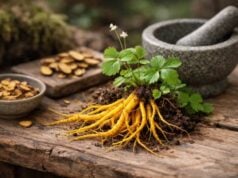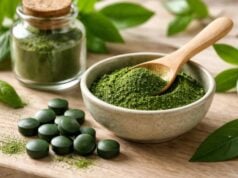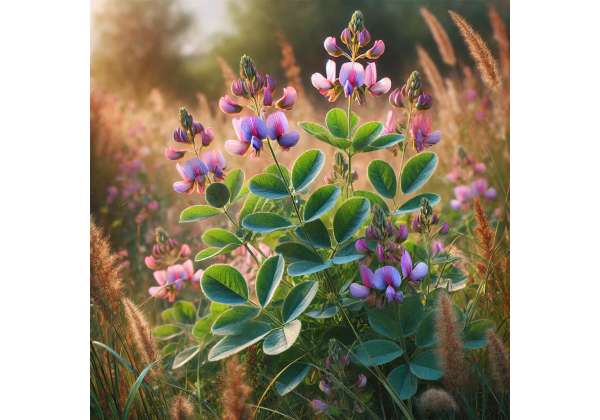
Coronilla varia—more widely known as crown vetch—is a flowering legume that many people recognize from roadsides and embankments, where it’s planted for erosion control. In herbal searches, it often appears because of its long history in folk discussions of “heart-strengthening” plants and because modern studies have examined its chemical profile. That mix can be confusing: Coronilla varia contains biologically active compounds, but “active” does not automatically mean “safe” or “appropriate for self-use.”
What makes coronilla especially important to approach carefully is that it may contain cardiac glycosides (heart-acting compounds) and nitrotoxins that can affect nerves and metabolism. At the same time, laboratory extracts have shown antioxidant and antimicrobial activity—findings that sometimes get overstated online. This guide focuses on what coronilla is, what’s in it, what benefits are realistic, and why safety and dosing deserve extra caution before anyone considers it as a remedy.
Essential Insights for Coronilla
- Lab studies of coronilla extracts suggest antioxidant and antimicrobial activity, but human benefits are not established.
- Do not ingest coronilla as a home remedy; it may contain heart-acting glycosides and neurotoxic compounds.
- If handled topically in a controlled product, keep concentrations conservative (about 0.5–1% extract in a carrier) and patch-test first.
- Avoid coronilla if pregnant, breastfeeding, managing heart rhythm issues, or taking cardiac medicines such as digoxin.
Table of Contents
- What is coronilla?
- Key ingredients and medicinal properties
- Does coronilla have health benefits?
- Traditional and practical uses today
- How much coronilla per day
- Side effects, interactions, and toxicity
- What the evidence says
What is coronilla?
Coronilla varia is a perennial legume in the pea family (Fabaceae). In many modern plant databases, you’ll also see it listed under the updated name Securigera varia. Common names include crown vetch, purple crownvetch, and sometimes scorpion vetch. It has clustered pink-to-purple flowers, pinnate leaves, and a growth habit that spreads quickly—one reason it has been widely used for roadside stabilization and erosion control.
From a health perspective, coronilla sits in an unusual category. It is not a mainstream culinary herb, and it is not widely used as a regulated dietary supplement. Instead, most interest comes from two places:
- Traditional reputation: Older herbal discussions sometimes grouped certain legumes and wild plants into “cardiotonic” categories based on observed physiological effects. The trouble is that heart-acting plants often have a narrow safety margin, and traditional use does not guarantee safe self-dosing.
- Laboratory research: Researchers have analyzed coronilla for bioactive constituents (including compounds that can affect the heart and nervous system) and for broader phytochemicals such as phenolics and flavonoids.
It’s also important to understand why a plant like coronilla would produce potent chemistry in the first place. Many legumes make defensive compounds to reduce grazing pressure by insects and animals. That evolutionary advantage can become a human safety issue when people assume “wild plant” equals “gentle herb.”
Another practical point: coronilla is sometimes confused with other plants that share similar common names or grow in the same environments. If someone is harvesting plants from the wild (not recommended here), misidentification becomes a real risk—especially when heart-acting glycosides are part of the discussion.
If you’re used to legumes as nourishing foods, it helps to remember that the legume family includes both nutritious plants and species with significant anti-nutritional or toxic factors; alfalfa’s nutrition and safety profile is a good example of how the same plant family can produce very different “health” outcomes depending on the species and the part used.
Key ingredients and medicinal properties
Coronilla’s chemistry is the reason it shows up in medicinal conversations—yet it’s also the reason caution matters. The plant can contain several categories of compounds that behave very differently in the body.
Cardiac glycosides (heart-acting compounds)
One of the most discussed coronilla constituents is a group called cardiac glycosides. These compounds can influence the strength and rhythm of heart contractions by affecting ion balance in heart cells. In medicine, closely related molecules have been used as prescription drugs—but they require careful dosing and monitoring because the therapeutic window can be narrow.
In coronilla, specific cardiac glycosides have been identified in seeds and other plant parts in various studies, and some have been explored for cellular effects. From a “medicinal properties” viewpoint, this is why older texts may describe coronilla as cardiotonic. From a modern safety viewpoint, it’s also why self-treatment is risky: the difference between “an effect” and “too much effect” can be uncomfortably small when the heart is involved.
Nitrotoxins and neuroactive compounds
Another category associated with crown vetch is 3-nitropropionic acid (3-NPA) and related forms that may occur as sugar esters in some legumes. 3-NPA is known for its ability to interfere with mitochondrial energy production through effects on succinate dehydrogenase—an enzyme central to cellular respiration. When compounds disrupt energy metabolism in nerve tissue, neurological symptoms can follow.
Not every plant sample has the same profile, and different growing conditions can change concentrations. Still, the possibility of neuroactive nitrotoxins is enough to treat coronilla as a “do not self-dose” plant.
Polyphenols, flavonoids, and coumarins (general bioactivity)
Like many wild plants, coronilla also contains more familiar phytochemicals:
- Flavonoids and phenolic acids that contribute antioxidant capacity in lab assays
- Coumarins and related compounds that can affect inflammation signaling and microbial behavior in vitro
- Tannins and saponins in some extracts, which may influence digestion or skin feel but can also irritate sensitive tissues
This is where people can get misled: antioxidant or antimicrobial activity in a petri dish does not automatically translate into a safe, effective human remedy—especially when stronger toxin categories may be present in the same plant. A balanced interpretation is that coronilla is chemically interesting, but its “medicinal properties” are not the kind most people should try to access directly.
Does coronilla have health benefits?
If you’re searching coronilla for “health benefits,” it helps to separate what has been observed in laboratory research from what is reasonable to do in real life.
Potential benefits seen in research settings
In controlled studies using extracts (not raw plant use), coronilla has shown signals in a few areas:
- Antioxidant activity: Extracts may neutralize free radicals in standard lab assays. This is common for plants with phenolic compounds and does not necessarily indicate a unique advantage over safer herbs and foods.
- Antimicrobial activity: Certain extracts have inhibited microbial growth in vitro. That can be useful for scientific screening, but it does not mean the plant treats infections when ingested or applied casually.
- Enzyme interaction signals: Some studies explore plant extracts for effects on enzymes linked to metabolic pathways. These findings are early-stage and often depend on extraction method, dose, and model.
These are plausible “benefits” in the sense that the plant contains bioactive chemistry. But the step from “bioactive” to “beneficial and safe” is exactly where coronilla struggles as a self-care option.
The biggest limiting factor: safety and practicality
For a plant to be a practical wellness herb, you want:
- consistent composition,
- a clear dosing range, and
- strong evidence that benefits outweigh risks.
Coronilla does not check those boxes for typical home use. The presence of heart-acting glycosides and potential neurotoxic constituents shifts the risk-benefit equation sharply. Even if a compound from coronilla is scientifically interesting, it does not follow that the whole plant is appropriate as a tea, tincture, or capsule.
What to do instead if your goal is heart support
Many people end up on coronilla pages because they want gentler cardiovascular support—better circulation, oxidative stress support, or a calmer “pounding” feeling during stress. For those goals, it makes more sense to start with herbs that have a clearer safety tradition and a stronger human evidence base. hawthorn for cardiovascular and antioxidant support is one example that aligns better with “supportive care” rather than “pharmacologically forced effects.”
The most honest takeaway: coronilla’s “benefits” are primarily research-level observations, while the everyday reality is that it is not a smart choice for self-medication.
Traditional and practical uses today
Coronilla varia is far more common as a land management plant than as a modern herbal remedy. Understanding that context can prevent a lot of misuse.
Practical uses outside herbalism
Crown vetch has been used for:
- Erosion control and slope stabilization (highly vigorous ground cover)
- Nitrogen fixation (as a legume, it enriches soil nitrogen through symbiosis with bacteria)
- Pollinator forage (flowers can attract bees and other insects)
These uses explain why coronilla is widespread—yet they also explain why people run into it without realizing it is not a culinary plant. In some regions, crown vetch is considered invasive because it can outcompete native species and form dense mats. If you’re managing it in a yard, it’s wise to treat it as a functional ground cover rather than a “free medicine cabinet.”
Traditional medicinal talk: why it exists, and why it’s risky
Historical references to coronilla as a cardiotonic likely come from the same observation that made digitalis famous: certain plants can noticeably affect heart function. The modern lesson from that history is not “use heart-acting plants at home,” but rather “heart-acting plants require precision and respect.”
Traditional use patterns also varied widely by region, and many older claims were made before modern toxicology was well developed. Even when a tradition exists, it may not reflect what is safest today—especially if a plant’s chemistry includes compounds with narrow margins of error.
Safer “practical use” for wellness-minded people
If you’ve encountered coronilla while looking for gentle herbal support—such as mild fluid balance support, general detox-like feelings, or metabolic comfort—consider pivoting to plants with a clearer safety profile and established preparation methods. For example, dandelion’s uses and safety considerations offer a more straightforward framework for people who want traditional herbal routines without stepping into cardiotonic or neurotoxic territory.
Handling guidance for gardeners and households
Even if you never ingest it, you may still want practical guardrails:
- Wear gloves if you have sensitive skin or tend to touch your face while gardening.
- Keep pets from chewing on roadside plants and unknown yard ground covers.
- Avoid “wildcraft experiments,” especially with plants associated with cardiac glycosides.
- If crown vetch is in hay or forage (a known issue in some contexts), remove contaminated bales and consult a veterinarian for animal exposure concerns.
In short: coronilla’s best “use” today is ecological and ornamental—not medicinal.
How much coronilla per day
For most herbs, this section would give a practical oral dosing range. With coronilla, the safest guidance is different: there is no established safe, evidence-based human dose for self-treatment, and intentional ingestion is not recommended.
Why standard dosing is not appropriate here
Two issues make coronilla difficult to dose responsibly:
- Variable composition: Plant chemistry changes with growing conditions, plant part, harvest time, and processing. Seeds, leaves, and flowers may differ meaningfully in constituent profile.
- Potential high-risk compounds: Cardiac glycosides and nitrotoxins are not “dose-forgiving.” With heart-acting molecules, small changes in dose can produce disproportionate effects in sensitive people.
That means you do not have the usual safety scaffolding that exists for common supplements (standardization, routine toxicology data, and clinical dosing studies).
The most practical “dosage” guidance
- Oral use: Not recommended for home use; avoid teas, tinctures, powders, and DIY capsules.
- Incidental exposure: If someone accidentally tastes or swallows part of the plant, treat it as a potential poisoning risk rather than a “wait and see” situation—especially for children, older adults, and anyone with heart conditions.
- Topical exposure from handling: Washing with soap and water is typically sufficient for plant contact. Avoid rubbing eyes and avoid applying unknown plant juices to broken skin.
If you see coronilla in a product
Occasionally, coronilla may appear in niche formulations or as a research extract rather than a common retail supplement. If you ever encounter a coronilla-containing product:
- Choose products with clear standardization and concentration labeling.
- Favor topical-only formats if any use is considered.
- Keep concentrations conservative (a practical, cautious range used in many plant-extract topicals is roughly 0.5–1% extract in a carrier base), and patch-test.
Timing and duration (if a clinician is involved)
If coronilla-derived compounds are being considered in a clinical or research context, dosing would be individualized and monitored. In those settings, “how long to take it” depends on the compound, the formulation, and the safety monitoring plan—not on general wellness routines.
Bottom line: for self-care, coronilla’s safest dose is effectively none. If your goal is daily herbal support, it is wiser to choose a plant with a well-defined dosing tradition and modern safety guidance.
Side effects, interactions, and toxicity
This is the most important section for coronilla. When a plant may contain cardiac glycosides and nitrotoxins, the question is not only “does it work,” but “what could it do that you don’t want.”
Possible side effects from ingestion
Potential effects depend on the part ingested, the amount, and individual sensitivity, but concerning symptoms may include:
- nausea, vomiting, abdominal cramping, and diarrhea
- dizziness, weakness, sweating, or unusual fatigue
- palpitations, slowed heart rate, or a sense of an “irregular beat”
- confusion, unsteady walking, tremor, or unusual muscle tightness
Heart-acting glycosides are particularly concerning because rhythm changes can become dangerous. If you want context for how seriously medicine treats this compound class, compare coronilla’s risk category to plants like foxglove and its cardiac compounds—a reminder that some “herbal” chemistry belongs in tightly controlled medical settings, not DIY dosing.
Interaction risks (especially for anyone on heart medications)
Avoid coronilla entirely if you use:
- digoxin or other cardiac glycoside medications
- antiarrhythmics (medicines prescribed for rhythm control)
- beta blockers or medicines that slow heart rate
- diuretics, especially if they affect electrolyte balance (electrolytes can amplify rhythm vulnerability)
- complex regimens where dehydration or low potassium is possible
Because coronilla’s chemistry is not standardized like prescription drugs, the interaction risk is inherently unpredictable.
Who should avoid coronilla
Coronilla should be avoided for self-treatment by:
- pregnant or breastfeeding people
- children and adolescents
- people with heart rhythm disorders, heart failure, or a history of fainting episodes
- people with neurologic conditions where mitochondrial stress could worsen symptoms
- anyone with significant liver or kidney disease (reduced clearance can raise risk with many toxins)
What to do if exposure happens
- If swallowed: do not induce vomiting. Contact local poison control or emergency services promptly, especially with symptoms or in high-risk groups.
- If skin exposure causes irritation: wash thoroughly with soap and water and avoid applying multiple products over the area.
- If eye exposure occurs: rinse with clean water for several minutes and seek medical guidance if pain or blurred vision persists.
Because the stakes involve the heart and nervous system, it’s better to treat coronilla exposure as medically relevant rather than “just a plant.”
What the evidence says
Coronilla research is real—but it is not the kind of evidence that usually supports consumer “supplement use.” Most of what we know comes from three lanes of study, each with important limits.
1) Chemical identification and quality studies
Researchers have identified specific cardiac glycosides and measured potentially neuroactive compounds in related legumes, including crown vetch. This work is valuable because it clarifies what the plant can contain and why “casual dosing” is not reasonable. It also highlights a key reality: composition can vary, so the safest assumptions are conservative ones.
2) In vitro and animal-model screening
Extracts have been tested for antioxidant, antimicrobial, and enzyme-related activity. These experiments answer questions like:
- Does an extract inhibit bacterial growth in a dish?
- Does it reduce oxidative markers in a model system?
- Does it interact with enzymes involved in inflammation or metabolism?
Those are legitimate research questions, but they are not the same as human outcomes. Lab assays often use concentrations that are not achievable—or not safe—in the human body through ingestion. And when a plant has high-risk toxin categories, “promising activity” can easily be the same thing as “dangerous potency.”
3) Translational interest in isolated compounds
Some coronilla constituents have been explored for pharmacologic potential, including cellular anticancer signals in tightly controlled studies. When this lane is successful, the end product is typically not “drink the plant,” but rather:
- isolate a compound,
- characterize it,
- determine dosing and toxicology,
- and potentially develop a regulated therapeutic.
That’s a very different path than home herbalism.
How to interpret coronilla claims online
A helpful filter is to ask:
- Is the claim based on a whole-plant remedy, or an isolated compound?
- Is the study human, animal, or in vitro?
- Does the source discuss toxicity as seriously as it discusses benefits?
If the answers are “isolated compound,” “not human,” and “toxicity barely mentioned,” the claim is not a good basis for personal use.
The evidence picture, taken as a whole, supports a cautious conclusion: coronilla is a chemically active plant with research interest, but it is not an appropriate self-care herb for most people.
References
- Steroid Glycosides Hyrcanoside and Deglucohyrcanoside: On Isolation, Structural Identification, and Anticancer Activity 2021 (Review)
- Analysis of 3‐nitropropionic acid in Fabaceae plants by HPLC‐MS/MS 2022
- Phytochemical Profile and Microbiological Activity of Some Plants Belonging to the Fabaceae Family 2021
- Progress on 3-Nitropropionic Acid Derivatives 2025 (Review)
- Quo vadis Cardiac Glycoside Research? 2021 (Review)
Disclaimer
This article is for educational purposes only and does not provide medical advice, diagnosis, or treatment. Coronilla (crown vetch) may contain compounds that can affect heart rhythm and nervous system function, and it is not a suitable herb for self-medication. If you are pregnant or breastfeeding, have a heart condition, take prescription medicines (especially cardiac medicines), or suspect any exposure or poisoning, seek guidance from a qualified clinician or local poison control promptly.
If you found this guide helpful, please share it on Facebook, X (formerly Twitter), or any platform you prefer so others can make safer, better-informed decisions.