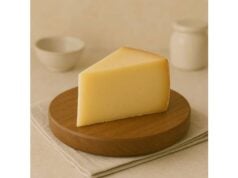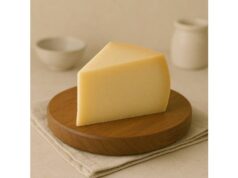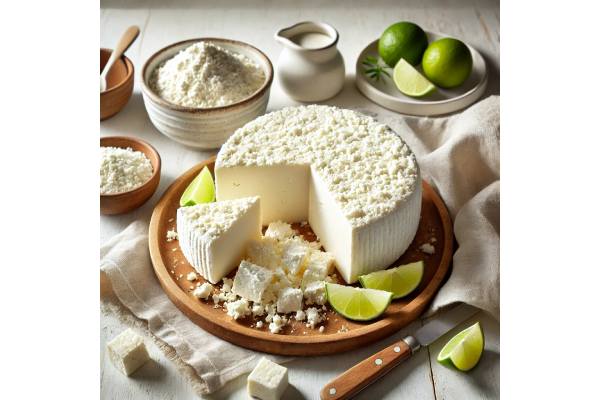
Cotija cheese brings bright, briny flavor to Mexican cooking and beyond. Crumbled over grilled corn, mixed into salads, or shaved across soups, it delivers a savory punch in small amounts. As a firm, aged cow’s milk cheese, Cotija is naturally rich in high-quality protein and calcium, with notable vitamin B12 and zinc. It is also salty and relatively high in saturated fat, so portions matter. You will find two broad styles: younger Cotija (more crumbly, moist, and tangy) and Cotija añejo (aged longer, drier, and sharper, often grateable like Parmesan). Because it does not melt smoothly, Cotija is prized for finishing dishes—adding texture and umami without disappearing into the sauce. In this guide, you will learn how Cotija fits into a balanced diet, what nutrients it offers per 100 g, who should be cautious, how to choose quality wedges, and the best ways to store and use it so you enjoy maximum flavor with minimal waste.
Fast Facts
- Provides dense protein (≈20 g/100 g) and calcium (≈800 mg/100 g) to support muscles and bones.
- Salty and high in saturated fat; track sodium and sat-fat within daily limits.
- Typical serving: 28 g (1 oz) grated or crumbled, enjoyed a few times per week.
- Avoid or limit if you have a milk allergy, are on MAOIs (tyramine sensitivity), or need strict low-sodium diets.
Table of Contents
- Cotija cheese: detailed overview
- Cotija nutrition profile (per 100 g)
- Evidence-based health benefits
- Risks, allergies and interactions
- Selecting quality, sustainability and storage
- Preparation, cooking and nutrient retention
- Portions, comparisons and FAQs
Cotija cheese: detailed overview
Cotija (pronounced koh-TEE-hah) is a traditional Mexican cow’s-milk cheese named for the town of Cotija in Michoacán. It is typically dry-salted and aged, which concentrates flavor and creates its signature crumbly yet firm texture. Two common styles reach home kitchens:
- Fresh/younger Cotija: Tangy, moist, and easily crumbles. It’s ideal for sprinkling over elote (Mexican street corn), black bean bowls, and enchiladas after baking.
- Cotija añejo (aged): Drier, saltier, and more intensely savory. You can grate or shave it like Parmesan to finish soups, roasted vegetables, and pastas.
Unlike melty cheeses (e.g., Oaxaca, mozzarella), Cotija does not liquefy; it softens slightly with heat but retains shape. That non-melt behavior makes it a “finisher” rather than a “binder,” perfect for adding contrast and umami at the end of cooking.
Flavor profile. Expect a clean dairy base layered with brine, light nuttiness, and a lingering savoriness. Aged wheels lean sharper and more concentrated. Because salting occurs early and heavily, sodium is higher than in many semi-soft cheeses—part of what gives Cotija its bright snap, but also the reason for mindful portions.
Production basics. Pasteurized cow’s milk is set with rennet, curds are cut and heavily salted, then pressed and aged. Aging ranges from a few weeks (fresh-style) to several months (añejo). Industrial grated Cotija sometimes includes anti-caking agents (e.g., cellulose or potato starch) and surface mold inhibitors (e.g., natamycin). If you prefer additive-minimal options, choose block or wedge forms and check ingredient lists.
Culinary roles. Cotija’s salty, concentrated taste means a little goes far. It’s excellent:
- Crumbled on grilled corn, chilaquiles, tacos, tostadas, and ceviche.
- Grated over roasted zucchini, tomato soups, pozole, and bean stews.
- Sprinkled into chopped salads or grain bowls to replace feta or Parmesan.
Storage snapshot. Store tightly wrapped in parchment plus a loose outer layer of foil or reusable wrap to manage moisture without suffocation. Keep it in the refrigerator’s cheese drawer or a covered box. Harder, aged pieces keep longer than fresh crumbles; see detailed guidance in Section 5.
Dietary fit. For many with lactose intolerance, aged cheeses like Cotija are easier to tolerate than milk because lactose declines during fermentation and aging. However, tolerance is individual. People with milk allergy must avoid it entirely.
Cotija nutrition profile (per 100 g)
Below is a concise, label-style snapshot based on industry-standard data for Cotija. Values are per 100 g with % Daily Value (%DV) shown where an official U.S. Daily Value exists. Reasonable rounding is applied.
Macros & Electrolytes (per 100 g)
| Nutrient | Amount | %DV |
|---|---|---|
| Energy | 360 kcal | — |
| Protein | 20.0 g | 40% |
| Total Fat | 30.0 g | 38% |
| Saturated Fat | 17.6 g | 88% |
| Monounsaturated Fat | 8.3 g | — |
| Polyunsaturated Fat | 1.2 g | — |
| Omega-3 Fatty Acids | 0.2 g | — |
| Omega-6 Fatty Acids | 1.0 g | — |
| Carbohydrate (total) | 4.0 g | 1% |
| Total Sugars | 0 g | 0% |
| Dietary Fiber | 0 g | 0% |
| Sodium | 1,400 mg | 61% |
| Potassium | 126 mg | 3% |
| Cholesterol | 100 mg | — |
Vitamins (per 100 g)
| Vitamin | Amount | %DV |
|---|---|---|
| Vitamin A (RAE) | 230 µg | 26% |
| Vitamin D | 0.6 µg | 3% |
| Riboflavin (B2) | 0.40 mg | 31% |
| Vitamin B12 | 2.2 µg | 92% |
| Folate (DFE) | 10 µg (approx.) | 3% |
Minerals (per 100 g)
| Mineral | Amount | %DV |
|---|---|---|
| Calcium | 800 mg | 62% |
| Phosphorus | 730 mg | 58% |
| Zinc | 3.8 mg | 35% |
| Selenium | 17.8 µg | 32% |
| Iron | 0 mg | 0% |
Allergens & Intolerance Markers
- Contains milk proteins (casein, whey) and milk fat; a major allergen.
- Lactose: typically low in aged Cotija; individual tolerance varies.
Fats & Fatty Acids—what it means. Cotija’s saturated fat is high (≈88% DV per 100 g). Portions of 28 g (1 oz) provide ≈5.3 g saturated fat (≈27% DV). Use Cotija as a flavor accent rather than a primary fat source.
Sodium—how to manage. At ≈1,400 mg/100 g, sodium is concentrated. A 28 g portion has ≈390 mg (≈17% DV). Balance menus with unsalted ingredients (beans, vegetables, grains) and limit other salty toppings.
Notes: DVs used—Fat 78 g; Saturated Fat 20 g; Carbohydrate 275 g; Fiber 28 g; Protein 50 g; Sodium 2,300 mg; Potassium 4,700 mg; Calcium 1,300 mg; Phosphorus 1,250 mg; Zinc 11 mg; Selenium 55 µg; Vitamin A 900 µg RAE; Vitamin D 20 µg; Riboflavin 1.3 mg; Vitamin B12 2.4 µg. Values reflect non-fortified cheese. Brand-name grated products may include anti-caking agents and show different sodium or moisture levels.
Evidence-based health benefits
1) Efficient protein for satiety and repair. Cotija supplies roughly 20 g of complete protein per 100 g, with all essential amino acids. Even modest amounts (e.g., 14 g—about a heaping tablespoon of grated cheese) add a few grams of high-quality protein to meals, nudging total intake toward targets for muscle maintenance and recovery, especially when paired with beans, eggs, or grains.
2) Calcium and phosphorus for bone strength. Per 100 g, Cotija provides ≈800 mg calcium (62% DV) and ≈730 mg phosphorus (58% DV)—a balanced mineral pair central to bone mineralization. For adults who struggle to meet calcium needs without drinking milk, small, frequent sprinkles of Cotija across meals can meaningfully contribute. If you avoid lactose due to intolerance, Cotija’s aging process typically lowers lactose to more tolerable levels compared with milk, improving practicality.
3) Vitamin B12 and riboflavin for energy metabolism. Cotija contains ≈2.2 µg vitamin B12 (≈92% DV) per 100 g and ≈0.4 mg riboflavin (≈31% DV)—nutrients required for red blood cell formation and mitochondrial energy pathways. While a single tablespoon won’t cover daily needs, using Cotija several times a week can help close nutrient gaps, particularly in diets low in animal-source foods.
4) Flavor leverage to improve diet quality. Because Cotija is intensely savory and salty, small amounts elevate satisfaction, which can make vegetable-forward or legume-based meals more appealing. In practice, a light Cotija finish can reduce the urge to add larger quantities of oils or salty condiments. This “flavor-per-gram” effect is a practical behavior strategy—even though the cheese itself is not “low sodium,” it can enable lower-sodium meals when used as a targeted accent.
5) Pairing synergy with plant foods. In classic dishes—e.g., elote with lime and Cotija, calabacitas (zucchini) with Cotija, or bean-and-corn salads—the cheese’s umami and saltiness amplify sweet, sour, and bitter notes from vegetables and citrus. Combining Cotija with beans or whole grains also improves the overall amino acid profile of the meal and supports sustained fullness.
What Cotija does not do. It is not a low-fat or low-sodium cheese and should not be used as the primary protein or calcium source for the day. It lacks significant vitamin D and potassium. As with all aged cheeses, it may contain biogenic amines (e.g., histamine, tyramine), which matter for sensitive groups (see Risks).
Bottom line. Cotija can be a nutrient-dense garnish—supporting protein, calcium, and B-vitamins—when you keep portions modest and round out the plate with vegetables, legumes, and whole grains.
Risks, allergies and interactions
Sodium and saturated fat. Cotija is intentionally salty and relatively high in saturated fat. Frequent, large servings can push you past recommended limits. People managing hypertension, heart disease, or chronic kidney disease should monitor sodium closely and work with a clinician or dietitian to set individualized targets.
Milk allergy. Cotija contains casein and whey proteins and is unsafe for anyone with a confirmed cow’s milk allergy. Allergy is different from lactose intolerance; if you have a milk allergy, avoid Cotija entirely and check ingredient lists for hidden dairy.
Lactose intolerance. Most aged cheeses are lower in lactose than milk, and many people with lactose intolerance tolerate small amounts as part of a mixed meal. Tolerance varies; start with 7–14 g (about 1–2 teaspoons grated) and assess symptoms. If you need strict lactose avoidance, choose lactose-free alternatives.
Biogenic amines (histamine, tyramine). Aged cheeses can accumulate histamine and tyramine as proteins break down during fermentation and storage. Sensitive individuals may experience flushing, headaches, or blood pressure changes. If you take monoamine oxidase inhibitors (MAOIs), you must limit high-tyramine foods, including aged cheeses; discuss specific thresholds with your prescriber. Fresh-style Cotija may have lower tyramine than longer-aged versions, but levels vary by producer and storage.
Food safety—Listeria context. Hard, aged cheeses like Cotija are generally lower risk than high-moisture soft cheeses, yet contamination can occur during production or handling. Public health investigations have linked queso fresco-type and Cotija cheeses to listeriosis outbreaks. Pregnant people, older adults, and those with weakened immunity should choose cheeses made from pasteurized milk, buy from reputable sources, refrigerate promptly, and keep opened cheese no longer than recommended. When in doubt, discard.
Sourcing and additives. Pre-grated Cotija may include cellulose or potato starch (anti-caking) and natamycin (a surface mold inhibitor). These are widely used and considered safe at permitted levels, but if you prefer additive-minimal products, opt for block Cotija and grate as needed.
Drug and condition interactions.
- MAOIs: Avoid or strictly limit aged cheeses because of tyramine.
- Sodium-restricted diets: Choose small portions and balance with low-sodium sides.
- Hyperlipidemia: Emphasize small amounts as a garnish; favor unsaturated fats elsewhere in the day.
Cross-contact at restaurants. In shared prep spaces, Cotija crumbles can contact non-dairy items. If you require strict avoidance, notify staff and ask for fresh utensils and toppings prepared separately.
Selecting quality, sustainability and storage
How to choose Cotija at the store
- Block vs. pre-grated: Blocks or wedges typically deliver cleaner ingredient lists (milk, salt, cultures, rennet). Pre-grated offers convenience but can include anti-caking agents and sometimes higher sodium.
- Fresh vs. añejo: Fresh Cotija is moist and crumbly with a gentle tang; añejo is drier, saltier, and more intense—great for grating. Match the style to your dish.
- Pasteurized milk: For households with pregnant people, older adults, or immunocompromised members, choose products made from pasteurized milk.
- Sensory cues: Look for a firm, dense texture without cracking or excessive dryness. Aroma should be clean, dairy-savory; sharp or ammonia-like notes suggest age or storage issues. Avoid packages with condensation, bloating, or visible mold (beyond a cleanable surface speck on a hard rind).
Sustainability pointers
- Use-what-you-buy: Cotija’s concentrated flavor means small amounts go far—reduce waste by buying smaller wedges and grating only what you need.
- Packaging: Choose minimal or recyclable packaging where possible. A single larger wedge that you portion and wrap at home can reduce total plastic compared with multiple small tubs of crumbles.
- Menu pairing: Balance animal-source foods with plant proteins (beans, lentils) across the week; you keep the cultural flavor while moderating environmental footprint.
Best-practice storage
- Wrapping method: Wrap in breathable paper (cheese paper or parchment) to manage moisture, then place in a loose layer of foil or a reusable wrap. Avoid tight plastic wrap directly on the cut surface for long storage; it traps moisture and can encourage off-aromas.
- Container: Store in a dedicated cheese box or a covered container in the vegetable/cheese drawer to limit drying and odor transfer.
- Refrigeration time: Once opened, hard, aged cheeses often keep quality for 3–4 weeks when properly wrapped; fresher, moister Cotija crumbles are best within 1–2 weeks. Re-wrap after each use. Discard if you notice off-smells, sliminess, or pink/black mold.
- Freezing: You can freeze grated Cotija in small bags for cooking; expect texture changes (more crumbly). Use within 2–3 months for best flavor. Thaw in the refrigerator.
- Mold management: If surface mold appears on a solid wedge, trim at least 2.5 cm (1 inch) around and below the spot, avoiding contact between knife and mold. For pre-crumbled cheese, discard if mold is visible.
Food safety at home
- Keep Cotija at or below 4°C (40°F).
- Do not leave cheese out for more than 2 hours (or 1 hour if above 32°C/90°F).
- Use clean utensils to prevent cross-contamination.
Preparation, cooking and nutrient retention
Cotija’s role in the pan. Because Cotija does not melt into strings, treat it as a finishing cheese. Heat softens it slightly but preserves structure. Add it near the end of cooking to keep flavor bright and avoid unnecessary fat separation.
Smart ways to use small amounts
- Finishers: Sprinkle over tacos, pozole, roasted vegetables, elote, and enchiladas after baking.
- Creamy contrast: Mix a spoonful into crema, yogurt, or ricotta for a sauce that clings to vegetables without excessive oil.
- Salads and bowls: Toss warm grains or beans with lime juice, chopped cilantro, and a tablespoon of grated Cotija to distribute salt evenly.
- Soups: Grate thin “snow” over tomato-based soups or tortilla soup just before serving.
Portion-control techniques
- Use a microplane to create fluffy shavings that cover more surface area with less cheese.
- Pre-portion 28 g (1 oz) servings into small containers for quick use.
- Combine Cotija with fresh herbs, chilies, citrus zest, and toasted pepitas; the extra aromatics boost flavor while keeping the cheese amount modest.
Keeping nutrients on the plate
- Calcium stays put. Most minerals (calcium, phosphorus, zinc) remain in the cheese regardless of light heating. Nutrient loss is minimal when Cotija is added at the end.
- Fat management. Adding Cotija as a topper rather than melting it into sauces reduces pooling and helps you measure portions precisely.
- Sodium balance. Skip added salt elsewhere in the dish. Acids (lime, vinegar) and bitter greens (arugula, radish tops) enhance perceived saltiness so you can use less cheese without losing impact.
Kitchen substitution guide
- Instead of feta: Similar crumble and tang, but Cotija is usually saltier. Start with 75% of the feta amount and adjust.
- Instead of Parmesan: For sprinkling over soups or roasted veg, aged Cotija works well; it’s less nutty but more briny.
- Vegan swap: Try finely crumbled firm tofu sautéed with olive oil, lemon, and salt; or a nut-seed sprinkle (almonds, pepitas, nutritional yeast) for umami.
Food safety tips while cooking
- Add Cotija after foods reach safe internal temperatures.
- Use clean, dry hands or utensils when crumbling.
- Return unused cheese to the refrigerator promptly.
Portions, comparisons and FAQs
How much Cotija counts as a serving?
A practical serving is 28 g (1 oz)—about ¼ cup grated or a generous tablespoon of fine shavings. This delivers ≈110–120 kcal, ≈5–6 g saturated fat, ≈7–8 g protein, and ≈390 mg sodium (numbers vary by brand and moisture). Enjoying 1–3 servings per week fits easily into many balanced diets, especially when the rest of the day is rich in vegetables, legumes, fruits, and unsalted whole grains.
Who should limit or avoid Cotija?
- Anyone with a milk allergy (complete avoidance).
- People on MAOI medications (limit high-tyramine aged cheeses).
- Individuals on strict sodium-restricted plans—use small amounts and consider lower-sodium alternatives.
- Those with lactose intolerance can often tolerate small portions, but individual limits vary.
Cotija vs. similar cheeses (per 28 g, general patterns)
- Cotija (aged): ≈7–8 g protein; ≈5–6 g saturated fat; saltiest of the group; does not melt.
- Feta: ≈4–5 g protein; ≈4 g saturated fat; briny, tangy; semi-soft; crumbles; moderate salt but often high.
- Parmesan/Grana Padano: ≈9–10 g protein; ≈4–5 g saturated fat; very hard, nutty; excellent for grating; usually lower moisture and intense umami.
- Queso fresco: Fresh, mild, higher moisture; lower salt than Cotija; soft crumbles; minimal aging; more perishable.
Can I eat Cotija while pregnant?
Yes—if it is made with pasteurized milk and handled safely. Hard, aged cheeses are generally lower risk than soft, high-moisture varieties. Always refrigerate promptly and respect use-by dates. When eating out, ask whether the cheese is pasteurized.
Does Cotija contain lactose?
Aged cheeses typically contain lower lactose than milk due to fermentation and drainage. Many people with lactose intolerance tolerate small amounts of Cotija, especially with meals. Start with 1–2 teaspoons, note symptoms, and adjust.
Is Cotija vegetarian?
Traditional Cotija often uses animal rennet. Some brands use microbial or vegetable rennet. If this matters to you, check the ingredient list or contact the producer.
How do I make dishes taste salty with less cheese?
Use acidity (lime, vinegar), herbs, chilies, and citrus zest to amplify perceived saltiness. Grate Cotija finely over hot foods so aromas bloom, letting you use less.
Quick meal ideas using 1 oz (28 g) Cotija
- Black bean, roasted sweet corn, and jalapeño bowl with lime and cilantro; finish with grated Cotija.
- Roasted zucchini and tomatoes with oregano; shower with Cotija and toasted pepitas.
- Tortilla soup topped with shredded cabbage, radish, and Cotija snow.
- Warm quinoa with charred poblanos, green onions, and Cotija; a squeeze of lime to brighten.
When should I discard Cotija?
If it smells ammonia-like, turns slimy, tastes bitter, or grows colored mold on crumbles, discard. For solid wedges, you can trim surface mold with a wide margin (see Section 5); if in doubt, throw it out.
References
- How Listeria Spread: Soft Cheeses and Raw Milk | Listeria Infection | CDC 2025 (Guidance)
- Listeria Outbreak Linked to Queso Fresco and Cotija Cheese – February 2024 | Listeria Infection | CDC 2025 (Outbreak Summary)
- Eating, Diet, & Nutrition for Lactose Intolerance – NIDDK 2025 (Guideline)
- A Comprehensive Review on the Biogenic Amines in Cheeses: Their Origin, Chemical Characteristics, Hazard and Reduction Strategies – PubMed 2024 (Systematic Review)
- Nutrition Facts for Queso Cotija 2025 (Nutrition Database)
Disclaimer
This article provides general nutrition and food-safety information for educational purposes and is not a substitute for personalized medical advice, diagnosis, or treatment. Always speak with your healthcare professional or a registered dietitian about your specific health needs, allergies, medications (including MAOIs), and dietary goals.
If you found this guide helpful, we’d be grateful if you shared it with friends or on Facebook, X, or any platform you prefer. Your support helps us keep producing practical, trustworthy nutrition content.