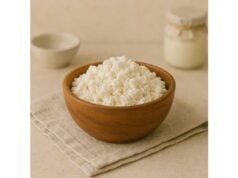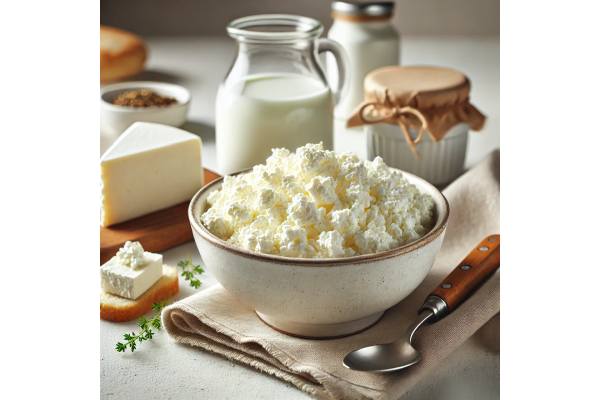
Cottage cheese is a fresh, soft-curd cheese known for its mild flavor, spoonable curds, and impressive protein-to-calorie ratio. It is made by curdling pasteurized cow’s milk, draining whey, and often dressing the curds with cream to reach nonfat, low-fat (1–2%), or regular (4%) milkfat levels. Because it is not aged, cottage cheese keeps a clean, lactic tang and a tender bite that works in both savory and sweet dishes. Nutritionally, it delivers high-quality complete protein, calcium, phosphorus, and B vitamins with relatively few carbohydrates; the main trade-offs are sodium and, for some people, lactose. In the kitchen, it’s a power ingredient: blend it silky for sauces, fold it into eggs or pancake batter for moisture, or use it as a ricotta swap in lasagna and baked pasta. Modern brands range from plain to fruit-mixed, high-protein, and low-sodium. This guide explains what to know about cottage cheese—from nutrition and health effects to shopping, storage, and easy ways to cook with it—so you can get the most from every cup.
Fast Facts
- Delivers ~10–12 g complete protein per 100 g with modest calories.
- Naturally rich in calcium, phosphorus, riboflavin, selenium, and iodine.
- Typical serving: ½ cup (≈110–120 g), enjoyed daily or several times weekly as part of a balanced diet.
- Contains lactose (~4 g per 100 g); choose lactose-free versions if sensitive.
- People who should limit: those on low-sodium plans, with milk allergy, or advised to avoid unpasteurized dairy.
Table of Contents
- Cottage Cheese at a Glance
- Nutrition Profile
- Evidence-Based Health Benefits
- Risks, Allergies and Interactions
- Selecting, Quality, Sustainability and Storage
- Preparation, Cooking and Nutrient Retention
- Portions, Comparisons and FAQs
Cottage Cheese at a Glance
Cottage cheese is a fresh cheese made by coagulating milk (acid- or culture-set, sometimes with rennet), cutting the curd, gently cooking, then draining off much of the whey. The result is tender curds dressed with either cream or a light milk mixture; salt is usually added for flavor. Because it is not pressed or aged, cottage cheese retains a high moisture content and a light, milky tang rather than the deeper savor of aged cheeses. The most common styles include nonfat (no cream dressing), low-fat (1–2% milkfat), and regular (≈4% milkfat). Curds may be “small” (cut more finely) or “large” (cut less), which changes texture but not core nutrition. “Dry curd” cottage cheese, also called farmer cheese, is curd without cream dressing; it is leaner and lower in sodium.
What sets cottage cheese apart is its protein density and kitchen flexibility. Per 100 g, it typically provides roughly 10–12 g of complete, highly bioavailable milk protein along with calcium, phosphorus, riboflavin (vitamin B2), selenium, and iodine. It contains modest carbohydrates (mainly lactose) and relatively little fat in low-fat versions. The trade-offs are notable: sodium can be high, and lactose can bother sensitive individuals. Many brands now offer “no-salt-added,” low-sodium, or lactose-free options to address these concerns.
In cooking, cottage cheese does double duty as both ingredient and topping. Blend it smooth to replace part of the cream cheese in dips, whip it with herbs as a savory spread, or stir it into scrambled eggs and pancake batters to add moisture and protein without heaviness. It can stand in for ricotta in lasagna or stuffed shells (drain it first for thicker texture), and it shines in protein bowls with fruit and nuts or savory bowls with tomatoes, cucumbers, and olive oil. It won’t melt like cheddar—its curds soften but do not become stringy—so use it where creaminess, not stretch, is the goal.
Flavor-wise, expect clean dairy notes with gentle acidity; low-fat versions can taste slightly tangier, while regular milkfat styles feel richer. Quality cues include plump, intact curds, a fresh aroma, and a short ingredient list (milk, cultures, salt, optional cream). Some brands add stabilizers such as guar or locust bean gum for consistency; others rely on technique alone. Choose according to your texture preference and dietary needs.
For shoppers, the growing variety—high-protein cultured, lactose-free, organic, grass-fed, or low-sodium—means you can fit cottage cheese into many eating patterns, from calorie-conscious to high-protein, vegetarian, or Mediterranean-style diets. As a fresh dairy product, it is widely available, reasonably priced, and easy to portion, making it a practical staple for breakfast, snacks, and quick meals.
Nutrition Profile
Reference product: low-fat cottage cheese (≈2% milkfat), plain. Values below are per 100 g. Actual numbers vary by brand (especially sodium and calcium). %DV uses standard U.S. Daily Values for adults.
Macros & Electrolytes (per 100 g)
| Nutrient | Amount | %DV |
|---|---|---|
| Energy | 81 kcal | — |
| Protein | 10.4 g | 21% |
| Total Fat | 2.3 g | 3% |
| Saturated Fat | 1.2 g | 6% |
| Carbohydrate | 4.8 g | 2% |
| Total Sugars (mostly lactose) | 4.0 g | — |
| Dietary Fiber | 0 g | 0% |
| Sodium | 308 mg | 13% |
| Potassium | 125 mg | 3% |
| Water | 82 g | — |
Vitamins (per 100 g)
| Vitamin | Amount | %DV |
|---|---|---|
| Vitamin A (RAE) | 68 µg | 8% |
| Riboflavin (B2) | 0.25 mg | 19% |
| Pantothenic Acid (B5) | 0.52 mg | 10% |
| Vitamin B6 | 0.05 mg | 3% |
| Folate (DFE) | 8–9 µg | 2% |
| Vitamin B12 | 0.47 µg | 20% |
| Choline | 16 mg | 3% |
| Vitamin D | 0 µg | 0% |
| Vitamin K | 0 µg | 0% |
Minerals (per 100 g)
| Mineral | Amount | %DV |
|---|---|---|
| Calcium | 111 mg | 9% |
| Phosphorus | 150 mg | 12% |
| Magnesium | 9 mg | 2% |
| Zinc | 0.5 mg | 4% |
| Selenium | 11.9 µg | 22% |
| Iodine | ~37 µg | 25% |
| Iron | 0.13–0.15 mg | 1% |
Fats & Fatty Acids (per 100 g)
| Component | Amount |
|---|---|
| Total Saturated Fatty Acids | ~1.24 g |
| Total Monounsaturated Fatty Acids | ~0.52–0.58 g |
| Total Polyunsaturated Fatty Acids | ~0.09 g |
| Cholesterol | ~12 mg |
Protein & Amino Acids (per 100 g)
Milk proteins (casein and whey) provide a complete amino acid profile. Typical essential amino acids per 100 g include approximately: leucine ~1.05–1.20 g, lysine ~0.85–1.00 g, valine ~0.70–0.80 g, threonine ~0.45–0.55 g, tryptophan ~0.14–0.16 g, methionine ~0.25–0.30 g, phenylalanine ~0.55–0.65 g, histidine ~0.30–0.35 g, isoleucine ~0.55–0.65 g.
Carbohydrates
Total carbohydrate is modest and largely lactose (~3.8–4.0 g per 100 g). Many lactose-free versions use lactase to convert lactose into glucose and galactose, reducing intolerance symptoms without meaningfully changing calories.
Allergens & Intolerance Markers
Contains milk proteins (casein, whey) and lactose. Some brands add stabilizers (e.g., guar or locust bean gum) and potassium sorbate; check labels if sensitive.
Glycemic & Acid–Base Metrics
Glycemic impact is typically low due to modest carbohydrate and high protein. Potential Renal Acid Load (PRAL) is mildly positive for most cottage cheese (protein and minerals contribute).
Additives & Fortification
Unlike milk, cottage cheese is rarely vitamin D-fortified. “No-salt-added” products reduce sodium substantially; “high-protein” versions may concentrate protein via ultrafiltration.
Notes on variability
- Sodium can range widely (≈200–450 mg per 100 g).
- Calcium depends on curd washing and cream dressing (≈70–130 mg per 100 g).
- Fat varies by style: nonfat ≈0.5 g/100 g; 4% milkfat ≈4–5 g/100 g.
Evidence-Based Health Benefits
1) High-quality protein for satiety and muscle maintenance
Cottage cheese provides complete milk proteins (casein and whey) that contain all essential amino acids in proportions your body can use effectively. Per 100 g, you get about 10–12 g protein; a typical ½-cup serving (~115 g) provides ~12 g. Protein is the most satiating macronutrient for many people and supports lean mass, especially when combined with resistance training. Casein’s slower digestion profile can also help curb hunger between meals. Practically, swapping a sugary snack for cottage cheese with fruit delivers longer-lasting fullness for comparable calories.
2) Bones and teeth: calcium, phosphorus, and protein together
Bone is protein scaffolding mineralized with calcium and phosphorus. Cottage cheese supplies all three: roughly 111 mg calcium, 150 mg phosphorus, and 10+ g protein per 100 g. While not as calcium-dense as hard cheeses or milk, cottage cheese makes an easy add-on in bowls, eggs, and pasta, helping daily totals. Pair with vitamin D sources (e.g., eggs, fortified milk, or safe sun exposure) to support calcium absorption.
3) B vitamins and selenium for energy metabolism and antioxidant defense
Riboflavin (B2) and vitamin B12 help convert the food you eat into cellular energy and maintain nerve and red blood cell health. Cottage cheese delivers meaningful amounts of riboflavin (~19% DV per 100 g) and B12 (~20% DV per 100 g) with very few carbohydrates. Selenium (~22% DV per 100 g) supports antioxidant enzymes (e.g., glutathione peroxidases), and iodine (~25% DV per 100 g) supports thyroid hormone production.
4) Weight-management support when replacing lower-protein foods
Higher-protein meals can increase diet-induced thermogenesis and help preserve lean mass during weight loss. Cottage cheese is a handy way to raise meal protein without large calorie increases, especially in low-fat or nonfat styles. For example, mixing ½ cup cottage cheese into oatmeal or pancake batter boosts protein by 10–12 g while adding moisture and tenderness.
5) Cardiometabolic neutrality within a balanced diet
Despite containing saturated fat and sodium, moderate cheese intake—within overall calorie, fat, and sodium goals—is generally compatible with cardiometabolic health for most people. The “dairy matrix” concept suggests that nutrients in cheese interact within the whole food (proteins, calcium, fermentation by-products), which may blunt expected adverse effects from isolated nutrients. Choosing low-sodium and low-fat versions where appropriate further aligns cottage cheese with heart-healthy patterns (Mediterranean-style, DASH-inspired).
How to put the benefits to work
- Make a protein-rich breakfast bowl with cottage cheese, berries, and chopped nuts.
- Blend savory whipped cottage cheese with lemon and herbs for a vegetable dip.
- Stir into scrambled eggs off heat for extra creaminess and protein.
- Swap for ricotta in lasagna, draining first for a thicker texture.
- Build a post-workout snack: cottage cheese plus fruit and pumpkin seeds for carbs, protein, and minerals.
Remember, health outcomes depend on the full diet and lifestyle. Cottage cheese can be a helpful tool when it replaces lower-protein, higher-sugar snacks and fits your sodium and lactose tolerance.
Risks, Allergies and Interactions
Lactose intolerance
Cottage cheese contains lactose (≈4 g per 100 g). Many people with lactose intolerance can tolerate small amounts—especially with meals—while others experience symptoms with even modest portions. Practical options include: choosing lactose-free cottage cheese (treated with lactase), limiting portion size (e.g., ¼–½ cup), and pairing with other foods. If you avoid dairy entirely, ensure adequate calcium, iodine, and vitamin B12 from other sources or supplements under professional guidance.
Milk allergy
True milk allergy involves immune reactions to casein or whey proteins and can cause hives, wheezing, vomiting, or anaphylaxis. Anyone with diagnosed milk allergy should avoid cottage cheese and products containing milk, including “hidden” ingredients such as caseinate. Always check labels and consult an allergist about emergency plans.
Sodium
Standard cottage cheese is often salty (≈300–450 mg sodium per 100 g), contributing 13–20% of a day’s sodium in a typical ½-cup serving. If you have high blood pressure or are advised to limit sodium, choose low-sodium or no-salt-added versions (often 40–60% less sodium), drain and briefly rinse curds, and balance the rest of the day’s meals accordingly.
Saturated fat and calories
Regular (4%) cottage cheese contains more fat and calories than low-fat styles. That may be welcome for satiety in some eating patterns, but if you are targeting lower saturated fat, pick nonfat or 1–2% versions most of the time. As always, consider the overall diet—cheese can fit when portioned thoughtfully.
Food safety: pasteurization and high-risk groups
Most commercial cottage cheese is made from pasteurized milk and is considered safe when refrigerated and within date. However, people at higher risk for severe foodborne illness (pregnant people, adults over 65, and those with weakened immune systems) should avoid cheeses made from unpasteurized milk and follow storage guidance. If in doubt, verify that a product is pasteurized.
Medication and nutrient interactions
- Thyroid hormone (levothyroxine): calcium can reduce absorption. Take medication on an empty stomach and separate dairy by at least 4 hours (follow your clinician’s instructions).
- Tetracycline and quinolone antibiotics: calcium may bind these drugs and reduce absorption; dose spacing is typically advised.
- Iron supplements: calcium can modestly reduce non-heme iron absorption; spacing can help if iron status is a concern.
Additives and individual sensitivities
Some brands include stabilizers (e.g., guar gum, locust bean gum), enzymes, or preservatives such as potassium sorbate. These are generally recognized as safe but may bother a subset of people. If you prefer fewer additives, select brands with short ingredient lists (milk, cultures, salt, optional cream).
Who should limit or avoid
- Individuals with milk allergy (avoid).
- People with severe lactose intolerance not responding to portion control or lactose-free products.
- Those on strict sodium restrictions unless using low-sodium versions.
- Anyone advised to avoid unpasteurized dairy due to pregnancy, age, or immune status.
Selecting, Quality, Sustainability and Storage
How to choose
- Style and fat level: Pick nonfat for very lean, 1–2% for balance, or 4% for extra creaminess and richness. If you want a thicker, ricotta-like texture, drain cottage cheese in a fine mesh strainer for 10–20 minutes.
- Curd size: “Small-curd” tends to be creamier; “large-curd” has more chew. Texture is largely preference.
- Sodium and lactose: If you’re monitoring sodium, look for no-salt-added or low-sodium labels. If lactose-sensitive, choose lactose-free versions.
- Cultures: Products labeled “with live and active cultures” may have a tangier flavor and yogurt-like notes. This is optional and not universal in cottage cheese.
- Ingredients: Short lists (milk, cultures, salt, cream) indicate minimal processing. Stabilizers aren’t inherently negative; they improve consistency during transport. Choose what fits your preferences.
- Add-ins: Fruit-mixed cups are convenient but can add sugar. Combine plain cottage cheese with fresh fruit to control sweetness.
Sustainability notes
Dairy’s environmental footprint varies by farm practices, feed, manure management, and packaging. If sustainability matters to you, consider:
- Local sourcing to reduce transport.
- Brands reporting animal welfare, pasture access, or methane-reduction initiatives.
- Packaging you can recycle in your area (check local rules).
Storage and food safety
- Refrigeration: Keep at ≤4°C (≤40°F). Store on an inner shelf rather than the door.
- After opening: Use clean utensils to scoop; reseal tightly. Consume within 5–7 days (or manufacturer guidance), sooner if the aroma turns sour or curds appear watery or discolored.
- Freezing: Not recommended for best texture—curds may become grainy after thawing. If you must freeze, use in cooked dishes where texture loss matters less.
- Cross-contamination: Treat like other ready-to-eat dairy—keep away from raw meat juices, and mind “use by” dates.
- Travel: For picnics or lunch boxes, use an insulated bag with an ice pack. Return leftovers to refrigeration promptly.
Quality cues
Fresh cottage cheese smells clean and milky, with plump curds and a consistent cream dressing. Reject swollen containers, off odors, excessive whey pooling, or curds that look slimy or pinkish. Buy last on your grocery trip and keep it cold on the way home.
Preparation, Cooking and Nutrient Retention
Do you need to cook it?
No. Cottage cheese is ready to eat. Heating is optional and mostly about texture. Because its proteins coagulate when hot, intense heat can make curds firm or grainy. For creamy results, add cottage cheese off heat or blend it smooth first.
Techniques that work
- Blending for sauces and spreads: Buzz cottage cheese in a blender or food processor until silky. Fold into pesto, ranch-style dips, or Alfredo-like sauces to replace part of the cream cheese or cream. Add it near the end of cooking to avoid separation.
- Baking and batters: Stir into pancake or waffle batter (½ cup per batch) for moisture and protein. In quick breads or muffins, swap ¼–½ of the yogurt or sour cream with blended cottage cheese.
- Egg dishes: Mix ¼–½ cup into scrambled eggs or frittata fillings off heat for creamier curds.
- Pasta and bakes: Substitute for ricotta in lasagna or stuffed shells; drain first for 10–20 minutes for a thicker, less watery filling.
- Bowls and toast: Spoon over toast with tomatoes and herbs, or build bowls with fruit, nuts, and a drizzle of honey or olive oil.
- Smoothies: Blend ½ cup with fruit, milk, and ice for a shake-like texture and 12–15 g extra protein.
Maximizing nutrition
- Protein quality: Cottage cheese already supplies complete protein; pairing with legumes or grains provides additional fiber and micronutrients.
- Bone nutrients: Combine with vitamin D sources (e.g., eggs, salmon, fortified milk) to support calcium absorption.
- Sodium management: Choose low-sodium versions or rinse briefly in a fine strainer to reduce surface salt before use in savory dishes.
- Lactose comfort: If lactose-sensitive, pick lactose-free products or limit portion size and enjoy with meals.
- Add-ins for balance: For bowls, include fruit for potassium and polyphenols; add nuts or seeds for unsaturated fats and magnesium.
What not to do
- Prolonged high heat: Boiling or simmering curds can toughen texture.
- Acid + heat without blending: Tomato sauces can cause curdling if cottage cheese is added directly over heat. Blend first, then temper into warm sauce off heat.
Quick flavor ideas
- Savory: Whipped cottage cheese with lemon zest, garlic, parsley, and black pepper; top roasted vegetables or grain bowls.
- Spicy: Stir in harissa or chili crisp; finish with cucumbers and herbs.
- Sweet: Mix with diced pineapple or berries; sprinkle cinnamon or cocoa and a few chopped nuts.
Portions, Comparisons and FAQs
Portions and frequency
- A typical serving is ½ cup (about 110–120 g), providing ~12 g protein and ~90 kcal for low-fat styles.
- Enjoy daily or several times weekly within your calorie, saturated fat, and sodium goals. People with lactose intolerance may tolerate smaller portions better, especially with meals.
- For children and teens, portion sizes depend on age, appetite, and diet pattern; consult pediatric guidance for dairy servings.
Comparisons with similar foods (per 100 g, typical values)
- Cottage cheese (2%): ~81 kcal, protein ~10–12 g, fat ~2–3 g, carbs ~5 g, sodium ~300 mg, calcium ~70–120 mg.
- Ricotta (part-skim): ~138 kcal, protein ~11 g, fat ~7–10 g, carbs ~3–6 g, sodium ~100–200 mg, calcium ~200 mg.
- Greek yogurt (2% plain): ~73 kcal, protein ~9–10 g, fat ~2 g, carbs ~3–4 g, sodium ~40–60 mg, calcium ~110 mg.
- Quark or skyr (plain): similar calories, protein ~11–12 g, usually lower sodium than cottage cheese.
- Cream cheese: higher fat and calories with lower protein; better for spreads than protein boosts.
FAQs
Is cottage cheese good for weight loss?
It can be—mainly because it offers high protein with modest calories. Use it to replace lower-protein snacks, keep portions consistent, and pair with fiber-rich foods.
Is it okay during pregnancy?
Yes—if made with pasteurized milk and kept refrigerated. Avoid unpasteurized dairy and follow safe handling guidelines.
Does rinsing reduce sodium?
A brief rinse can lower surface salt in cream-dressed curds. Expect a mild flavor change and slightly drier texture. For the largest impact, buy no-salt-added products.
What about lactose?
Cottage cheese contains moderate lactose. Many with lactose intolerance can tolerate small portions with meals. Lactose-free versions are widely available and taste similar.
Is dry curd cottage cheese healthier?
Dry curd (farmer cheese) is leaner and often lower in sodium because it lacks cream dressing. It’s useful for very low-fat or low-sodium diets but is drier and tangier.
Can I eat it if I have high blood pressure?
Yes, with planning. Choose low-sodium products, mind overall daily sodium, and pair with potassium-rich foods like fruits and vegetables.
How long does it keep after opening?
Use within 5–7 days if kept cold, and discard if it smells off, tastes sour, or shows discoloration.
References
- Nutrition Facts for Lowfat Cottage Cheese (2%) 2025 (Data resource).
- Safer Food Choices for Pregnant Women | Food Safety | CDC 2025 (Guidance).
- How Listeria Spread: Soft Cheeses and Raw Milk | Listeria Infection | CDC 2025 (Guidance).
- Eating, Diet, & Nutrition for Lactose Intolerance – NIDDK 2018 (Guidance).
- The Dairy Matrix: Its Importance, Definition, and Current Status 2024 (Systematic Review).
Disclaimer
This article is for general education and is not a substitute for personalized medical advice, diagnosis, or treatment. Always consult a qualified healthcare professional about your specific health needs, allergies, medications, and dietary goals. If you are pregnant, immunocompromised, or have a chronic condition requiring dietary restrictions (such as low-sodium plans), seek individualized guidance before changing your diet.
If you found this guide helpful, please consider sharing it on Facebook, X (formerly Twitter), or your favorite platform. Your support helps us continue creating clear, evidence-based nutrition content. Thank you.