Pink eye can feel deceptively simple—just a red, watery eye—but the cause shapes what you should do next. COVID-19 can be associated with conjunctivitis (inflammation of the clear membrane over the white of the eye), and for some people it shows up early in the illness or alongside other viral symptoms. For others, eye redness appears later, when fatigue, dehydration, screen time, and frequent face-touching stress the eye surface.
The good news is that most COVID-related conjunctivitis is mild and improves with supportive care. The more important question is how to recognize patterns that suggest something else, such as allergic conjunctivitis, bacterial infection, or corneal irritation—conditions that may need different treatment. This article explains what “COVID conjunctivitis” looks like, how contagious it may be, how long symptoms usually last, and which warning signs mean you should be evaluated promptly.
Quick Overview of COVID-Related Pink Eye
- COVID-19 can be linked to conjunctivitis, usually as a mild, self-limited viral red eye.
- Burning, gritty discomfort and watery tearing are more typical than intense itching.
- Treat it as potentially contagious and reduce hand-to-eye contact and shared linens.
- Significant pain, light sensitivity, thick discharge, or vision change should be evaluated promptly.
- Use preservative-free lubricating drops and cool compresses, and pause contact lenses until fully recovered.
Table of Contents
- Can COVID-19 cause pink eye
- What COVID conjunctivitis usually feels like
- How contagious it is and how long it lasts
- Home care that protects the eye surface
- When to get checked and urgent warning signs
- How to prevent spread and avoid common mistakes
Can COVID-19 cause pink eye
Yes—COVID-19 can be associated with conjunctivitis, although it is not the most common symptom and it is not specific enough to diagnose COVID on its own. Conjunctivitis simply means inflammation of the conjunctiva, the thin tissue that covers the white of the eye and lines the inside of the eyelids. When it becomes inflamed, small surface blood vessels widen and the eye looks pink or red.
COVID-related conjunctivitis typically falls under the broader category of viral conjunctivitis. The virus or the immune response can irritate the ocular surface, and the “spillover” from upper respiratory inflammation can add to discomfort. In real life, a red eye during COVID is often influenced by several converging factors that do not require direct viral infection of the eye to matter:
- Illness-related dehydration that destabilizes the tear film
- More screen time and fewer full blinks during recovery
- Nasal congestion and mouth breathing that increase tear evaporation
- More face-touching and eye rubbing when people feel unwell
- Medication side effects, such as dryness from decongestants or antihistamines
This explains why eye redness during COVID can look different from person to person. Some notice a mild watery, irritated eye that fades quickly. Others feel gritty discomfort that lingers as the surface slowly re-stabilizes. And some people develop redness that is actually allergic or dryness-related and happens to coincide with COVID infection.
A practical takeaway is that “pink eye” is a surface pattern, not a single diagnosis. If you also have fever, sore throat, cough, or fatigue—and a new watery red eye—COVID-related conjunctivitis becomes more plausible. If your eye symptoms are dominated by intense itching and both eyes flare after exposure to pollen, dust, or pets, allergies are more likely even if you also have a viral illness.
Because COVID can coincide with other eye problems, the safest approach is to treat a new red eye as potentially contagious, use gentle supportive care, and watch for red flags that suggest the cornea or deeper eye structures are involved.
What COVID conjunctivitis usually feels like
COVID conjunctivitis usually feels similar to other viral “pink eye” illnesses: uncomfortable, watery, and irritating rather than severely painful. Many people describe a gritty or sandy sensation, mild burning, tearing, and eyelid heaviness. The eye may look glassy and red, and the redness can be more noticeable after waking or after long periods on screens.
Symptoms that commonly fit a viral pattern include:
- Watery tearing (sometimes with mild stringy mucus)
- A gritty sensation that improves briefly after blinking or lubricating drops
- Mild eyelid swelling or puffiness
- Redness that starts in one eye and spreads to the other within a couple of days
- Mild light sensitivity, especially in bright indoor lighting
Discharge matters. Viral conjunctivitis tends to produce watery or lightly sticky discharge. If you see thick yellow-green discharge, eyelids stuck shut all day, or rapidly increasing swelling, do not assume it is “just COVID pink eye.” Those features raise concern for bacterial involvement or another diagnosis.
Another helpful distinction is the dominant sensation. Viral conjunctivitis typically produces burning and grit. Allergic conjunctivitis typically produces strong itching and an urge to rub. People can experience both sensations, but the one that stands out most often points to the driver.
COVID-related eye redness can also overlap with dryness. During illness and recovery, the tear film often becomes unstable, causing fluctuating blur. If your vision clears for a moment after blinking and then smears again, that is a strong clue the surface is dry and the tear film is breaking up quickly. This does not mean the infection is worsening—it often means the surface needs lubrication and rest.
Symptoms that are less typical for uncomplicated COVID conjunctivitis and deserve extra attention include:
- Moderate to severe pain (not just irritation)
- Significant light sensitivity that makes it hard to keep the eye open
- A distinct drop in vision that does not clear with blinking
- A visible white or gray spot on the clear front of the eye
Those features suggest corneal involvement or deeper inflammation, which should be evaluated promptly.
Finally, remember that appearance can be misleading. Some viral conjunctivitis looks dramatic but feels mild. Other cases feel severe even when the eye looks only slightly red, especially if corneal nerves are irritated. How you feel—and how symptoms change over time—often matters more than the mirror.
How contagious it is and how long it lasts
If conjunctivitis occurs during COVID-19, it should be treated as potentially contagious. Contagiousness is not only about tears; it is also about behavior. When eyes are irritated, people touch their face more often, and that increases the likelihood of spreading virus to hands, household surfaces, shared linens, and close contacts.
COVID spreads primarily through respiratory routes, but the eye can still be part of the transmission chain in practical ways: droplets can land on the ocular surface, and contaminated hands can transfer virus to the eye and then to other surfaces. The key prevention goal is to reduce hand-to-eye contact and avoid sharing items that come into contact with the face.
Duration varies, but uncomplicated viral conjunctivitis generally follows a recognizable arc:
- The first 1–3 days often bring the most redness and tearing.
- Symptoms may remain bothersome for several more days.
- Many people feel clearly improved by 7–10 days, although mild dryness or irritation can linger longer.
COVID conjunctivitis may appear early in the course of illness or later, and recovery can overlap with fatigue and dehydration that prolong dryness. If the main driver becomes tear-film instability rather than active infection, people sometimes interpret lingering blur or scratchiness as “the infection is still there.” In reality, the surface may simply be recovering.
A practical way to judge progress is to look for small daily improvements: less tearing, less redness in the morning, fewer “spikes” of irritation, and longer periods of comfortable screen use. Viral conjunctivitis can fluctuate during the day, but the overall trend should gradually improve.
Certain situations can extend symptoms:
- Continuing to wear contact lenses or resuming them too soon
- Heavy screen time with reduced blinking
- Dry indoor air, fans, or heating vents directed toward the face
- Repeated eye rubbing, especially with allergy overlap
- Using irritating eye drops or using drops far more frequently than recommended
If symptoms persist beyond 10–14 days without a clear improvement trend, it is worth being evaluated. Persistence can mean ongoing dryness, eyelid inflammation, an allergic component, or a different diagnosis that was present from the beginning.
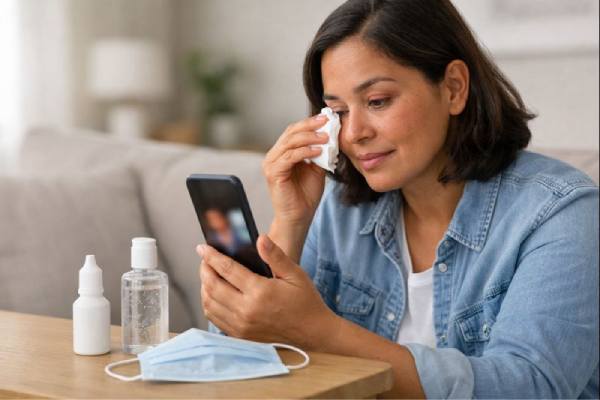
If you are isolating due to COVID, hygiene becomes part of eye care. Clean pillowcases regularly, avoid shared towels, and consider keeping your lubricating drops personal rather than communal in the household. Small steps reduce spread and help the eye surface heal with fewer setbacks.
Home care that protects the eye surface
Most COVID-related conjunctivitis is managed with supportive care. The goal is to calm irritation, protect the cornea, and reduce behaviors that spread infection. The best plan is simple, consistent, and gentle.
Start with measures that help both viral conjunctivitis and dryness:
- Use preservative-free lubricating drops 4–6 times per day. If you need drops more frequently, preservative-free products are usually better tolerated.
- Apply cool compresses for 5–10 minutes, up to several times daily. Cooling reduces burning, swelling, and the urge to rub.
- Pause contact lenses until the eyes are white, comfortable, and discharge-free for at least a full day.
- Avoid eye makeup during symptoms and discard any eye makeup that was used while the eye was inflamed.
- Rest your eyes during screen time: every 20 minutes, look across the room for 20 seconds and do several slow, complete blinks.
If you wake with crusting, avoid scrubbing the eye itself. Instead, soften debris with a clean, cool compress and gently wipe outward. Wash hands before and after. If your eyelids feel gritty at the lash line, gentle eyelid hygiene can help, but keep it mild and avoid harsh soaps near the eye.
Hydration is part of ocular recovery. During illness, dehydration thickens tears and makes the tear film less stable. Drinking fluids regularly and reducing caffeine and alcohol while recovering can improve comfort.
If you suspect an allergic overlap (for example, intense itching plus a known seasonal pattern), focus on exposure control: shower after outdoor exposure, keep windows closed during high pollen times, and avoid rubbing. Cool compresses and lubrication remain useful even when allergies are present.
Avoid common “quick fixes” that can backfire:
- Redness-reliever drops used repeatedly can cause rebound redness and dryness.
- Leftover prescription drops, especially steroid drops, can worsen certain infections if used without guidance.
- Topical numbing drops should not be used at home because they can delay healing and mask worsening disease.
A reasonable at-home trial is 48–72 hours of consistent lubrication, cool compresses, and strict hygiene. If symptoms are gradually improving, continue until resolved. If they are worsening—or if pain, light sensitivity, or vision changes develop—seek evaluation rather than escalating home treatments.
When to get checked and urgent warning signs
Most cases of conjunctivitis during COVID-19 improve without complications, but the eye has a short list of symptoms that should lower your threshold for urgent care. The reason is simple: problems involving the cornea can progress quickly and can affect vision if treatment is delayed.
Seek urgent evaluation (same day if possible) if you notice any of the following:
- Moderate to severe eye pain, especially if it is worsening
- Significant light sensitivity that makes it hard to keep the eye open
- A meaningful drop in vision that does not clear with blinking or lubricating drops
- A white or gray spot on the clear front of the eye
- Thick yellow-green discharge or rapidly increasing swelling
- One eye becoming much worse than the other over hours to a day
- Contact lens wear with redness and pain, even if discharge is mild
These features are not typical for uncomplicated viral conjunctivitis and can indicate corneal infection, corneal inflammation, or other serious conditions.
You should also schedule a routine check if:
- Symptoms persist longer than 10–14 days without a clear improvement trend
- Redness keeps recurring or seems tied to chronic eyelid irritation
- You cannot return to contact lenses comfortably after recovery
- You have immune suppression, poorly controlled diabetes, recent eye surgery, or a history of corneal problems
If you are unsure, focus on trajectory. Viral conjunctivitis may fluctuate during the day, but it should show gradual overall improvement. If each day feels worse than the last—or if new features appear, such as strong light sensitivity—do not keep waiting for a turning point.
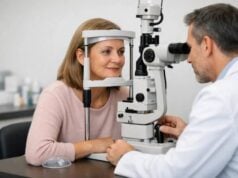
Before your visit, note details that help clinicians triage quickly: contact lens use, the order symptoms started (one eye first versus both together), the type of discharge, whether you have fever or respiratory symptoms, and whether vision is affected. Those specifics often guide what the clinician checks first and whether they treat for infection, dryness, allergy, or a combination.
Finally, avoid self-treating with stronger or multiple medicated drops when symptoms are unclear. The safest escalation is professional evaluation, especially when pain or vision changes are involved.
How to prevent spread and avoid common mistakes
When conjunctivitis happens during COVID-19, prevention serves two goals: protecting others from infection and protecting your cornea from avoidable irritation. The most effective strategies are not complicated, but they require consistency.
Hygiene steps that reduce spread and reinfection include:
- Wash hands before and after touching your face or applying eye drops.
- Do not share towels, washcloths, pillowcases, eye cosmetics, or eye drops.
- Change pillowcases frequently during active symptoms, especially if tearing is heavy.
- Clean high-touch surfaces like phone screens, keyboards, and door handles.
- Avoid touching or rubbing your eyes, even if they itch or feel gritty.
Contact lenses deserve special caution. Even if you feel well enough to wear them, conjunctivitis and dryness make lens wear riskier. The safest approach is to pause lenses until the eye is white and comfortable and you no longer have discharge. When you restart, keep wear time short for the first day and stop immediately if redness or discomfort returns. Replace lenses on schedule, keep the case clean, and avoid any water exposure with lenses.
Common mistakes that prolong symptoms include:
- Resuming contact lenses too soon because the eye “looks better”
- Rubbing the eyes to relieve itch, which worsens inflammation and increases contamination
- Using redness-reliever drops repeatedly instead of lubricating drops
- Using leftover antibiotics or steroid drops without guidance
- Assuming any red eye during COVID must be COVID conjunctivitis, which can delay recognition of allergy or corneal problems
A helpful mindset is to treat the ocular surface like healing skin. Gentle lubrication, cooling, rest, and reduced irritation often do more than aggressive interventions. If symptoms are mild and improving, patience is part of the treatment. If symptoms intensify or shift toward pain, light sensitivity, and reduced vision, speed matters more than patience.
If you live with others, consider creating a simple “eye care kit” for yourself: your own lubricating drops, tissues, and a clean compress cloth that is not shared. It reduces accidental cross-use and makes it easier to stay consistent when you are tired.
The goal is not perfection. The goal is to shorten the course, protect your cornea, and reduce the chance that your eye symptoms become the reason you keep touching your face during a contagious illness.
References
- Ocular manifestations of COVID-19: A systematic review of current evidence 2024 (Systematic Review)
- The Review of Ophthalmic Symptoms in COVID-19 2024 (Review)
- Ophthalmic Presentations and Manifestations of COVID-19: A Systematic Review of Global Observations 2023 (Systematic Review)
- COVID-19 and eye care 2024 (Scientific Brief)
Disclaimer
This article is for general educational purposes and does not provide medical advice, diagnosis, or treatment. Eye redness and discharge can have multiple causes, including viral conjunctivitis (which may occur with COVID-19), allergies, bacterial infections, and corneal conditions that can threaten vision if not treated promptly. Seek urgent evaluation if you develop significant eye pain, marked light sensitivity, a noticeable drop in vision, a white or gray spot on the eye, or thick discharge—especially if you wear contact lenses or have underlying health conditions. Do not use leftover prescription eye drops, particularly steroid drops, unless directed by a qualified clinician.
If you found this article helpful, please consider sharing it on Facebook, X (formerly Twitter), or any platform you prefer.