Eye symptoms during COVID-19 can be confusing because they often sit at the intersection of infection, inflammation, and everyday strain. Some people notice watery redness that resembles viral conjunctivitis. Others develop dryness, burning, or fluctuating blur that feels more like an irritated eye surface than an “eye infection.” Timing matters: eye symptoms can show up before respiratory symptoms, alongside them, or during recovery—especially when dehydration, fever, medications, and heavy screen time destabilize the tear film.
A clear timeline helps you decide what to do next. In most cases, COVID-related eye symptoms are mild and improve with supportive care. The more important goal is recognizing when a symptom pattern does not fit the typical course, particularly if pain, light sensitivity, or a true drop in vision develops. This guide walks through what tends to appear when, how long common symptoms last, and practical checkpoints for getting evaluated.
Key Timeline Takeaways
- Mild dryness, burning, and watery irritation often cluster around the first week of illness or the first week of recovery.
- Redness that starts in one eye and spreads to the other within 1–3 days often behaves like viral conjunctivitis and usually improves over 7–14 days.
- Blurry vision that clears with blinking commonly reflects tear-film instability rather than deeper eye disease.
- Significant pain, strong light sensitivity, or a persistent vision drop is not typical and should be checked promptly.
- Pause contact lenses until the eyes are white, comfortable, and discharge-free for at least a full day, then restart gradually.
Table of Contents
- Which eye symptoms people report most
- When eye symptoms start relative to COVID
- How long common eye symptoms usually last
- Why some people have longer eye recovery
- Stage-by-stage care you can actually follow
- When to get checked and what to expect
- Reducing spread and protecting your eyes
Which eye symptoms people report most
COVID-19 can be associated with a wide range of eye complaints, but most fall into a few practical categories. Knowing which “bucket” your symptoms fit into makes the rest of the timeline easier to interpret.
1) Ocular surface irritation (the most common pattern)
This includes dryness, burning, grittiness, and a foreign-body sensation (the feeling that something is in the eye). People may describe “tired eyes,” stinging with airflow, or discomfort that fluctuates through the day. A hallmark clue is blur that improves right after blinking and then returns—this usually points to tear-film breakup rather than a deeper eye problem.
2) Watery red eye that resembles viral conjunctivitis
This often feels scratchy or mildly burning, with watery tearing and pink redness. Discharge is usually watery or lightly sticky, not thick. It may start in one eye and spread to the other over a couple of days.
3) Itching and eyelid puffiness (often overlap with allergies)
Some people experience COVID and seasonal allergies at the same time. If itching is the dominant sensation, especially in both eyes, an allergic component is likely contributing. Rubbing then amplifies redness and swelling and can prolong symptoms.
4) Eye pain, marked light sensitivity, or a true vision drop (uncommon, higher concern)
These symptoms are not typical of uncomplicated conjunctivitis or dryness. They raise concern for corneal involvement or deeper inflammation. They can occur for reasons unrelated to COVID but may be noticed during illness.
5) Neuro-ophthalmic and vascular symptoms (rare, urgent if present)
Sudden vision loss, a curtain-like shadow, new double vision, or a severe headache with visual changes should be treated as urgent, regardless of COVID status.
One reason COVID eye symptoms feel “all over the map” is that illness changes behavior. Fever and dehydration thicken tears. Congestion promotes mouth breathing and tear evaporation. Screen time increases while resting, and blink rate drops. Medications such as decongestants can worsen dryness. The result is that many people have a real eye-surface problem even without a dramatic-looking red eye.
When eye symptoms start relative to COVID
Eye symptoms can occur before, during, or after the onset of classic COVID symptoms. That range is one of the reasons eye complaints alone cannot diagnose COVID. Instead, timing helps you estimate what is driving the symptom: active viral irritation, immune response, or recovery-related dryness.
Before systemic symptoms (roughly 1–3 days before)
A smaller portion of people report ocular irritation or redness shortly before fever, sore throat, or fatigue begins. When this happens, it often looks like early viral conjunctivitis or early tear-film disruption. Practically, the safest assumption is that you may be contagious—so prioritize hand hygiene and avoid touching your eyes.
At the same time as systemic symptoms (days 0–3)
Many people who develop eye symptoms notice them around the same time as the main illness starts. In this window, three patterns are common:
- watery redness and tearing that resembles viral conjunctivitis
- burning and grittiness that worsens with screens
- “filmy” blur that clears after blinking
This is also when people rub their eyes more because they feel unwell, which can worsen inflammation and spread germs within the household.
After systemic symptoms begin (often days 1–7)
A large share of reported eye symptoms begin after fever, congestion, or cough is already present. This timing fits the idea that eye symptoms may reflect a combination of immune activation, congestion-related tear evaporation, and lifestyle changes during illness. In surveys, the most common interval reported is within the first week after systemic symptoms start.
During recovery (often week 2 and beyond)
Some people feel “better” systemically but notice eyes that remain dry, sensitive, and easily irritated—especially in heated or air-conditioned rooms. This stage is often driven by tear-film instability rather than active conjunctivitis. The timeline can feel frustrating because the eyes lag behind the rest of the body.
A helpful way to interpret timing is to ask: What is my dominant symptom—redness and tearing, or dryness and fluctuating blur?
- Redness and watery tearing suggest a viral conjunctivitis-like course.
- Dryness and intermittent blur suggest the ocular surface needs time and lubrication to stabilize.
If your eye symptoms start later and are mostly dry and gritty, the plan may be less about “treating pink eye” and more about protecting the cornea, reducing evaporation, and preventing setbacks from contact lenses, rubbing, and harsh drops.
How long common eye symptoms usually last
Most COVID-related eye symptoms improve gradually, but the duration depends on what the symptom represents. Think of it as two overlapping timelines: inflammation (often shorter) and surface recovery (sometimes longer).
Watery red eye (viral conjunctivitis-like pattern): typically 7–14 days
Redness and tearing often peak in the first few days, then steadily improve. It is common for one eye to start first and the second to join in within 1–3 days. Even when the eye looks much better, mild scratchiness can linger for several more days. If you resume contact lenses too soon, symptoms often rebound.
Dryness, burning, and foreign-body sensation: commonly days to several weeks
Dryness can appear early and persist into recovery. The first week is often the worst because fever, congestion, poor sleep, and medications destabilize the tear film. After that, the eye surface usually improves—unless the environment is very dry, screens dominate your day, or eyelid inflammation develops.
A key point: dryness-related blur is often intermittent. If your vision clears after blinking, lubricating drops, or stepping away from a screen, the cornea is usually intact but under-lubricated. That is reassuring, but it still deserves attention because an unstable surface is more vulnerable to irritation and infection.
Itching and swelling (often allergy overlap): variable, tied to triggers
If itching dominates, symptom duration depends on exposure and rubbing behavior. Without reducing triggers, itching can persist well beyond the viral illness and keep the eyes inflamed.
Eye pain and light sensitivity: should improve quickly or be evaluated
Mild light sensitivity can occur with conjunctivitis, but strong sensitivity that makes you want to keep the eye closed is a different category. Pain that is more than irritation, especially if one eye is clearly worse, should not be expected to “run its course.”
Blurry vision: minutes-to-hours vs persistent changes
- Blur that comes and goes, clearing with blinking, usually follows the dryness timeline.
- Blur that is persistent, worsening, or paired with pain or light sensitivity needs evaluation.
A realistic “normal” recovery arc
- Days 1–3: irritation, redness, tearing may peak
- Days 4–7: symptoms fluctuate but should trend better
- Week 2: redness usually fades; dryness may remain
- Weeks 2–4: residual dryness gradually improves with consistent care
If your symptoms are not improving by the end of the second week, or if they are worsening at any point, it is reasonable to get checked—especially if you wear contact lenses, have immune suppression, or have a history of corneal problems.
Why some people have longer eye recovery
When eye symptoms linger, it is usually not because the eye is “still infected.” More often, the ocular surface is slow to regain stability, or a second factor is keeping inflammation active. Understanding these drivers can help you shorten the tail end of recovery.
Tear-film instability and evaporative stress
The tear film is a delicate layered structure. Illness disrupts it in several ways:
- dehydration reduces tear volume and changes tear composition
- congestion and mouth breathing increase evaporation
- fever and poor sleep impair normal surface repair
- screen time lowers blink rate and causes incomplete blinks
These influences can persist for weeks, especially in winter indoor air or dry climates. The surface then becomes more sensitive, so normal stimuli—wind, fans, bright light—feel irritating.
Medication effects
Some medications commonly used during respiratory illness can worsen dryness or redness in sensitive people:
- decongestants may increase dryness
- antihistamines can reduce tear production
- some cough and cold combinations contribute to overall dehydration
If your eyes feel dramatically drier on days you take a particular medication, consider whether it is necessary, and discuss alternatives with a clinician if needed.
Contact lenses and lens habits
Contact lenses amplify friction and alter tear exchange. Wearing lenses while the eye is inflamed increases the chance of corneal irritation and infection. Resuming lenses too early is one of the most common reasons symptoms relapse. Even after recovery, you may need a “ramp up” period.
Blepharitis and meibomian gland dysfunction
Eyelid margin inflammation can flare during illness and masquerade as conjunctivitis. If you notice crusting at the lash line, oily debris, or a burning sensation that worsens on waking, the eyelids may be a major contributor. This tends to prolong symptoms unless addressed.
Allergy overlap and eye rubbing
Itching drives rubbing, and rubbing drives inflammation. Even if allergies are not the original cause, they can keep symptoms active. People often underestimate how much rubbing alone can sustain redness and swelling.
Severity of systemic illness and hospitalization
People with more severe COVID, oxygen support, or prolonged bed rest often experience more dryness and ocular surface damage. Reduced blinking, medications, and environmental exposure in clinical settings can all contribute.
Underlying eye disease
Pre-existing dry eye, autoimmune disease, prior corneal injury, or previous eye surgery can lengthen recovery. In these cases, “typical timelines” still apply, but symptoms may be more intense and may require a more structured plan.
The practical takeaway is that a longer eye timeline usually has a reason you can influence: lubrication, environment, lid health, and lens behavior. The sooner you protect the surface, the less likely symptoms are to linger.
Stage-by-stage care you can actually follow
A timeline is only useful if it leads to clear actions. The goal of home care is to protect the cornea, reduce inflammation, and prevent behaviors that prolong symptoms.
Stage 1: Early illness (days 0–3)
Focus on hygiene and calming irritation.
- Wash hands before and after touching your face or using eye drops.
- Use preservative-free lubricating drops 4–6 times daily.
- Apply cool compresses for 5–10 minutes, up to several times daily.
- Avoid rubbing; if itching is intense, use cool compresses and minimize triggers.
- Stop contact lenses immediately if you develop redness, tearing, or discomfort.
If you have a watery red eye, treat it as contagious: do not share towels, pillowcases, or cosmetics.
Stage 2: Peak symptoms and fluctuation (days 4–7)
This is when screen time and dehydration often make eyes feel worse.
- Keep lubricating drops consistent; do not “chase” discomfort with frequent medicated drops.
- Use the 20–20–20 approach: every 20 minutes, look across the room for 20 seconds and do several slow, complete blinks.
- Reduce airflow to the face from fans or vents.
- Prioritize fluids and sleep; both are eye-surface treatments in disguise.
Avoid redness-reliever drops as a routine strategy. They can temporarily whiten the eye but may worsen dryness and rebound redness with repeated use.
Stage 3: Early recovery (week 2)
This is the stage where redness may fade, but dryness lingers.
- Continue preservative-free lubrication, especially before screens and before sleep.
- If you wake with gritty eyes, use a lubricating drop on waking and again mid-morning.
- If eyelids feel inflamed or crusty, consider gentle lid hygiene, but keep it mild and avoid harsh soaps near the eye.
Stage 4: Returning to normal (weeks 2–4)
If symptoms are improving but not gone, you can gradually return to normal habits.
- Resume contact lenses only when eyes are white, comfortable, and discharge-free for at least a full day.
- Start with short wear time and stop immediately if discomfort returns.
- Replace disposable lenses as scheduled and keep cases clean and dry.
Throughout all stages, the north star is symptom trajectory. Mild fluctuation is normal; a worsening trend is your cue to escalate care rather than doubling down on home remedies.
When to get checked and what to expect
Most COVID-related eye symptoms are mild, but certain features should lower your threshold for evaluation because they may signal corneal involvement or deeper inflammation.
Get checked promptly (same day if possible) if you have:
- moderate to severe pain (not just irritation)
- strong light sensitivity that makes it hard to keep the eye open
- a noticeable drop in vision that does not clear with blinking
- a white or gray spot on the clear front of the eye
- thick yellow-green discharge or rapidly increasing swelling
- a contact lens–related red eye, especially with pain
- one eye much worse than the other, worsening over hours to a day
Schedule a non-urgent evaluation if:
- symptoms persist beyond 10–14 days without clear improvement
- redness keeps recurring after temporary improvement
- you cannot comfortably return to contact lenses after recovery
- you have immune suppression, poorly controlled diabetes, or a history of corneal disease
What an eye clinician may do
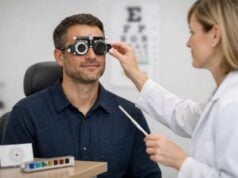
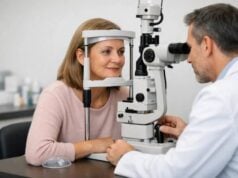
A focused exam often includes:
- visual acuity testing (how your vision measures, not just how it feels)
- slit-lamp evaluation of the conjunctiva, cornea, and tear film
- staining the cornea to look for surface defects
- checking eyelid margins for blepharitis or gland dysfunction
If a corneal infection is suspected—especially in contact lens wearers—testing and treatment may be started quickly. If the pattern fits dryness and inflammation, the plan often focuses on lubrication, environmental control, and eyelid care. The key value of an exam is not only treatment; it is reassurance when the cornea is healthy and a clear plan to prevent relapse.
How to prepare for the visit
Bring details that shorten the path to the right diagnosis:
- when symptoms started and whether one eye began first
- whether discharge is watery or thick
- whether vision clears after blinking
- contact lens type and how long you wore them during symptoms
- any new medications started during illness
If you are still contagious or recently ill, ask about infection-control procedures before arriving. Many clinics can adapt scheduling or provide guidance on safer timing, especially if your symptoms are mild and improving.
Reducing spread and protecting your eyes
Eye symptoms can increase face-touching, which increases the odds of spreading respiratory viruses within a household. Protecting your eyes and protecting others often involve the same habits.
Hygiene that reduces spread
- Wash hands before and after applying eye drops.
- Avoid touching your eyes unless necessary.
- Do not share towels, washcloths, pillowcases, or eye cosmetics.
- Change pillowcases regularly during periods of heavy tearing.
- Clean high-touch items like phones and keyboards, especially if you use them while symptomatic.
Contact lens safety during COVID-related eye symptoms
If your eyes become red, watery, or irritated during illness, switch to glasses. This reduces eye touching and lowers the risk of corneal complications. When you restart lenses:
- ensure eyes are white and comfortable and discharge-free for at least a full day
- start with limited wear time
- stop immediately if pain, light sensitivity, or redness returns
- keep lenses away from water exposure and maintain strict case hygiene
Avoid common mistakes that prolong symptoms
- using leftover prescription drops without guidance, especially steroid drops
- overusing redness-reliever drops instead of lubricants
- rubbing itchy eyes rather than cooling and lubricating them
- assuming all red eyes during COVID are the same diagnosis
- resuming contact lenses too soon because the eye “looks better”
A practical household approach
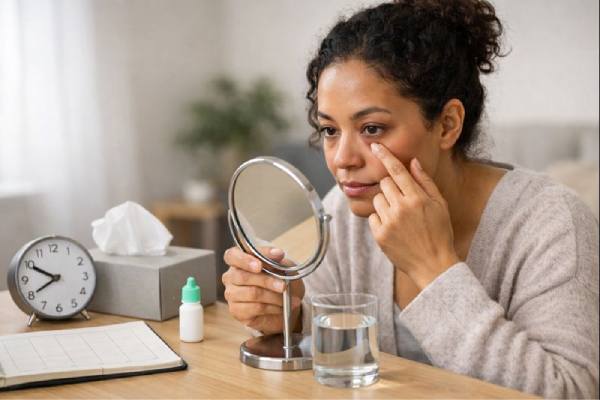
Create a simple personal “eye kit”: your own lubricating drops, tissues, and a clean compress cloth. Keeping these separate reduces accidental sharing and makes it easier to follow good habits when you are tired.
Finally, watch the direction of change. Most benign eye symptoms during COVID move toward improvement. When symptoms shift into pain, strong light sensitivity, or persistent vision changes, it is not a failure of home care—it is a signal that your eye deserves a closer look.
References
- Ocular manifestations of COVID-19: A systematic review of current evidence 2024 (Systematic Review)
- Characteristics of ocular findings of patients with coronavirus disease 2019 in China 2025 (Observational Study)
- Ocular manifestations of COVID-19 2024 (Review)
- Ophthalmic Manifestations of Coronavirus (COVID-19) 2024 (Clinical Review)
Disclaimer
This article is for general educational purposes and does not provide medical advice, diagnosis, or treatment. COVID-19 can be associated with eye symptoms such as dryness or conjunctivitis, but similar symptoms can also result from allergies, bacterial infections, contact lens–related problems, and corneal or inflammatory conditions that may threaten vision if not treated promptly. Seek urgent evaluation if you develop significant eye pain, marked light sensitivity, a persistent decrease in vision, a white or gray spot on the eye, or thick discharge—especially if you wear contact lenses or have underlying health conditions. Do not use leftover prescription eye drops, particularly steroid drops, unless directed by a qualified clinician.
If you found this article useful, please consider sharing it on Facebook, X (formerly Twitter), or any platform you prefer.