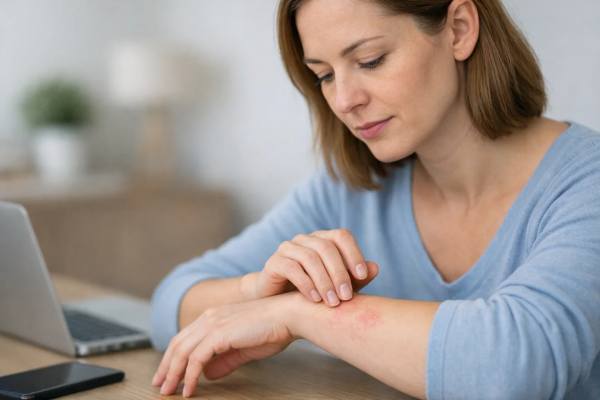
A new rash can feel like an extra layer of uncertainty during an illness—especially when COVID is in the mix. While fever, cough, and fatigue get most of the attention, the skin can also react to infection, immune activation, and even the medications people take while recovering. COVID-related rashes are usually self-limited, but they can be surprisingly varied: itchy hives, measles-like blotches, small blisters, and the well-known “COVID toes” pattern. In some cases, a rash can be an early clue of infection or a sign that inflammation is affecting blood vessels. In other cases, it is not COVID at all, but a drug reaction, contact allergy, or another virus.
This article explains what COVID rashes commonly look like, how to interpret timing and accompanying symptoms, and when a rash should prompt medical evaluation.
Top Highlights
- Many COVID rashes are short-lived and improve with basic skin care and itch control.
- Patterns like hives, morbilliform rash, and chilblain-like toes can occur with COVID, but none are diagnostic on their own.
- A rash plus trouble breathing, facial swelling, blistering, or mouth sores needs urgent medical attention.
- Tracking when the rash started, where it spread, and any new medications helps clinicians identify the cause faster.
- For symptom relief, use cool compresses and fragrance-free moisturizer, and consider an antihistamine for itch if appropriate.
Table of Contents
- How common are COVID rashes
- COVID rash patterns you may see
- Timing clues and common mimics
- Home care for itch and discomfort
- Red flags and when to get checked
- What evaluation and treatment look like
How common are COVID rashes
COVID rashes are real, but they are not the most common feature of infection. In large reviews that combine multiple studies, a meaningful minority of people with COVID develop a skin change at some point—often reported around the “one in five to one in three” range in some settings, with wide variation between studies. That range is not a contradiction; it reflects how differently rashes are counted. Some studies rely on self-report, others use dermatologist-confirmed cases. Some include only hospitalized patients, while others include outpatients. Variant waves, vaccination status, and access to testing can also shift who ends up in a dataset.
A useful way to interpret the numbers is this: a COVID rash is common enough to recognize, but uncommon enough that most people with COVID will never have one. And because many rashes look similar across different illnesses, a rash is not a reliable “yes or no” sign of COVID. It is a clue that becomes more meaningful when paired with other details—recent exposure, fever, respiratory symptoms, loss of taste or smell, and timing.
Why COVID can affect skin
Skin findings are usually driven by one or more of these processes:
- Immune signaling: When the immune system is activated, it releases chemicals that can trigger redness, swelling, itch, and hive-like reactions.
- Inflammation in small blood vessels: Some patterns appear related to changes in circulation or inflammation in tiny vessels, which can create net-like discoloration, purpura, or toe and finger lesions.
- Clotting and vascular stress in severe illness: In more serious cases, skin changes may reflect reduced blood flow or clot-related issues, often accompanied by other systemic warning signs.
- Heat, sweat, friction, and barrier disruption: Fever and bed rest can lead to sweat retention, pressure-related irritation, and flare-ups of eczema or acne.
- Medication reactions: Antibiotics, anti-inflammatory drugs, supplements, and some antivirals can trigger rashes that resemble viral exanthems.
How rashes show up in real life
Some people notice a rash during active infection. Others develop it late—when they feel mostly better. A rash may itch intensely or be minimally noticeable. It may spread quickly or remain localized. Because of that variability, the practical goal is not to label a rash instantly. The goal is to decide whether it looks like a straightforward, self-limited reaction or whether it has features that require evaluation.
COVID rash patterns you may see
Clinicians often describe COVID-related rashes by pattern rather than by “cause,” because the same infection can produce different skin responses. Several patterns appear repeatedly in reports. If you are trying to match what you see to a description, focus on the overall shape, location, and symptoms like itch, pain, or tenderness.
Hive-like rash (urticaria)
This pattern looks like raised, itchy welts that can change location over hours. Individual spots may fade and reappear elsewhere. It may come with facial flushing or swelling around the eyes. Hives can occur with viral illness, but they can also signal an allergic reaction—so context matters, especially if a new medication or food is involved.
Morbilliform or maculopapular rash
This is a “measles-like” scatter of pink or red spots and small bumps, often on the trunk and limbs. It may feel warm and itchy. It can appear during feverish days or as the immune response ramps up. Similar rashes occur with many respiratory viruses and with drug eruptions.
Vesicular rash
Some people develop small fluid-filled blisters that can resemble mild chickenpox, often on the trunk. These can be itchy or mildly painful. Because other infections can cause blistering rashes, a vesicular pattern deserves closer attention if you have significant pain, rapidly spreading blisters, or lesions around the eyes or mouth.
Chilblain-like lesions (often called “COVID toes”)
These appear as red, purple, or dusky patches on toes (sometimes fingers), with swelling, tenderness, burning, or itch. They often occur in younger, otherwise healthy people and may appear late in illness—or even after minimal other symptoms. The look can overlap with cold-induced chilblains and circulation disorders, so persistent or recurrent cases should be assessed.
Livedo-like and purpuric patterns
A net-like, lacey discoloration (livedo) or non-blanching purplish spots (purpura or petechiae) can suggest involvement of blood vessels or clotting pathways. These patterns are less common and more concerning when they are painful, spreading, associated with fever that persists, or accompanied by shortness of breath, chest pain, or confusion.
Where COVID rashes commonly appear
Location is not definitive, but patterns can lean toward typical areas:
- Trunk and limbs: common for morbilliform rashes and vesicular eruptions
- Face and neck: possible with hives and flushing patterns
- Hands and feet: often in chilblain-like lesions
- Pressure and sweat areas: irritation and heat-related rashes, especially during fever
A key point: many COVID rashes are uncomfortable but benign. The appearance matters, but the “when to worry” decision depends heavily on associated symptoms and rapid changes.
Timing clues and common mimics
Rash timing is one of the most useful tools you have. Two rashes can look similar and mean very different things depending on when they started and what else was happening that day—fever, new medications, a change in detergent, or a long outdoor walk in cold weather.
Timing clues that fit COVID
COVID rashes may:
- Begin around the time of other symptoms, such as fever, sore throat, fatigue, or cough
- Appear several days into illness, as inflammation increases
- Show up late, when respiratory symptoms are resolving
- Flare with heat, sweating, and friction, especially during fever
- Occur alongside other immune-driven symptoms, such as body aches or headache
However, “fits COVID” does not mean “is COVID.” It simply means COVID remains plausible.
Medication rashes: the most important mimic
Drug eruptions can look like viral rashes and are easy to miss. Consider this strongly if a rash starts within days of:
- A new antibiotic
- A new anti-inflammatory medication
- A new supplement or herbal product
- A change in dose of an existing medication
Drug rashes often begin on the trunk and spread, and they can be itchy. Some medication reactions are mild. Others are medical emergencies, especially if blistering or mouth sores appear.
Contact dermatitis and irritation
If the rash is sharply limited to an area of contact—under a watch band, along mask lines, where a topical product was applied, or in a rectangular patch—contact dermatitis becomes more likely. In COVID recovery, frequent handwashing, sanitizers, and new soaps commonly trigger eczema-like flares.
Other viral rashes
Many viruses cause similar “pink blotchy” rashes. If multiple family members have fever and rash, or if a child has classic features like mouth sores plus a hand-and-foot rash, another virus may be responsible. A good rule is to avoid assuming one explanation when the household pattern suggests another.
A simple sorting checklist
When a rash appears, write down:
- The first day you noticed it (and whether it was sudden or gradual)
- Any new medication started in the last 1–2 weeks
- Whether spots move (hives) or stay fixed
- Whether the rash blanches with pressure (many inflammatory rashes do; purpura often does not)
- Any mouth, eye, or genital involvement
- Fever trend and breathing symptoms
This short list often gives clinicians enough context to decide whether the rash is likely benign, needs a medication adjustment, or needs urgent assessment.
Home care for itch and discomfort
Most COVID-related rashes improve with supportive care. The best approach is gentle: protect the skin barrier, reduce inflammation triggers, and treat itch so scratching does not create infection or prolonged irritation. If you are unsure whether a rash is COVID-related, these steps are still safe for many common rashes—provided you are not ignoring red flags.
Start with skin-barrier basics
- Use lukewarm showers and keep them brief. Hot water can intensify itch and dryness.
- Choose fragrance-free cleanser or use less soap on affected areas.
- Moisturize twice daily with a thick, fragrance-free cream or ointment, especially after bathing.
- Wear breathable fabrics and avoid tight clothing that traps heat and sweat.
Even when a rash is immune-driven, barrier support often reduces symptoms faster than people expect.
Relieving itch safely
- Cool compresses for 10–15 minutes can calm itch and swelling.
- Oral antihistamines can reduce hive-like itch and nighttime scratching in some people. Choose options carefully if you are older, prone to falls, or sensitive to sedation.
- Low-strength topical steroid cream can reduce inflammation for many itchy rashes, especially eczema-like flares, but it should be used sparingly and not on broken skin, around the eyes, or on large areas for long periods without guidance.
- Avoid scratching by keeping nails short and using a clean, cool compress when the urge hits.
When “drying it out” backfires
A common mistake is using harsh astringents or frequent alcohol-based products on inflamed skin. These can worsen dryness and prolong redness. If you are washing hands often, protect them with moisturizer after washing and consider a gentle, fragrance-free hand cream that absorbs well.
What to avoid
Avoid self-treating at home without guidance if you have:
- Blistering or skin peeling
- Mouth sores, eye redness with pain, or genital sores
- Significant swelling of lips or face
- A rapidly spreading, painful rash
- Non-blanching purple spots, especially with fever or feeling very unwell
Also be careful with “multi-ingredient” topical products that contain fragrances, botanical extracts, or numbing agents. They can trigger contact allergy and make the rash harder to interpret.
Comfort strategies that help the whole body
Because itch and inflammation worsen with poor sleep and dehydration, simple supports matter:
- Hydrate steadily, especially if fever is present
- Keep the room cool at night
- Use light bedding to reduce heat-related flares
Home care is appropriate for many rashes, but it should never delay evaluation when warning signs are present.
Red flags and when to get checked
A COVID rash is usually not dangerous by itself. The situations that need medical attention are those where the rash signals a severe allergic reaction, serious inflammation, infection of the skin, or systemic illness. When in doubt, act on the most urgent symptoms first—especially breathing and swelling.
Get urgent care immediately
Seek emergency evaluation if the rash is accompanied by:
- Trouble breathing, wheezing, chest tightness, or throat tightness
- Swelling of the lips, tongue, face, or eyelids
- Fainting, confusion, or severe weakness
- A rapidly spreading rash with severe pain
- Extensive blistering, skin peeling, or raw, painful skin
- Mouth sores, eye pain or light sensitivity, or genital sores
These features raise concern for severe allergic reactions or serious drug-related syndromes that require urgent treatment.
Seek prompt medical advice
Arrange evaluation soon (same day or within 24–48 hours, depending on severity) if you have:
- A non-blanching rash (purple spots that do not fade with pressure), especially with fever
- Rash with persistent high fever, severe headache, stiff neck, or a very ill appearance
- Rash plus new shortness of breath, chest pain, or significant dizziness
- Worsening rash after starting a new medication
- Signs of skin infection: increasing warmth, expanding redness with tenderness, pus, or fever that rises instead of improving
- Rash that is widespread and intense, or itch that is severe enough to disrupt sleep for multiple nights
Special situations in children and teens
Children can develop rashes with many viruses, and most are mild. However, persistent fever plus rash and systemic symptoms should be assessed. Concerning combinations include:
- Fever lasting several days with abdominal pain, vomiting, diarrhea, red eyes, or unusual fatigue
- A child who is difficult to wake, refusing fluids, or showing signs of dehydration
- Chest pain, fast breathing, or bluish lips
These patterns can signal significant inflammatory responses and should not be managed with home care alone.
When the rash is not improving
If a rash persists beyond about 2–3 weeks, recurs repeatedly, or leaves bruised-looking patches, it deserves evaluation even if you feel otherwise well. Persistent skin changes can reflect ongoing inflammation, circulation issues, or an unrelated dermatologic condition that simply happened to appear during or after COVID.
A practical rule: if you feel compelled to take repeated photos because it keeps changing in a worrying way, that is often a sign it is time to be assessed.
What evaluation and treatment look like
When a clinician evaluates a possible COVID rash, the process is usually straightforward: identify the pattern, determine how urgent it is, and look for triggers—especially medications and systemic symptoms. Many people are relieved by how quickly a likely explanation becomes clear once the right questions are asked.
What you will likely be asked
Expect questions about:
- Onset date, how quickly it spread, and whether it comes and goes
- Itch, pain, burning, or tenderness
- Fever pattern and other COVID symptoms
- Recent exposures, travel, and close contacts
- New medications started in the past 1–2 weeks
- History of eczema, hives, autoimmune disease, or circulation problems
- Any mouth sores, eye symptoms, or swelling
Clinicians may also ask you to press on the rash or may do it themselves to assess blanching and to look for non-blanching purpura.
Common tests
Testing depends on the overall picture. Possibilities include:
- A COVID test if infection status is unclear or timing matters
- Basic blood work if systemic illness is suspected (for example, inflammation markers, blood counts, or clotting measures)
- Swabs for blistering lesions if another infection is possible
- A skin scraping or biopsy in unusual, persistent, or severe cases
Many mild rashes require no testing at all once serious causes are excluded.
Typical treatments
Treatment is guided by pattern and severity:
- Hives: antihistamines are often first-line, with careful escalation if symptoms persist
- Eczema-like flares or irritant dermatitis: moisturizers, trigger avoidance, and short courses of anti-inflammatory topical therapy when appropriate
- Chilblain-like lesions: warmth, barrier care, and symptom control; evaluation is important if lesions are painful, ulcerating, or persistent
- Vascular or purpuric patterns: evaluation for systemic involvement; management is individualized and may include referral
If a medication reaction is suspected, the plan often involves stopping the likely trigger and choosing safer alternatives—guided by a clinician. Do not discontinue prescription medications abruptly without advice, especially if they protect heart, lungs, or clotting risk.
What recovery can look like
Many COVID rashes fade within days to a couple of weeks, sometimes leaving temporary discoloration that slowly resolves. Itch may linger after visible redness fades, especially if skin became very dry. If you have repeated rashes after respiratory infections, it can be helpful to develop a personal action plan—what products you tolerate, which antihistamine works for you, and what symptoms should trigger urgent care.
The goal of evaluation is not only to name the rash. It is to make sure you are not missing a serious reaction, and to help you get comfortable again as quickly as possible.
References
- Prevalence of skin manifestations in patients with COVID-19: a systematic review and meta-analysis – PubMed 2024 (Systematic Review and Meta-Analysis)
- COVID-19 and cutaneous manifestations: A review of the published literature – PubMed 2023 (Review)
- Pathobiology of Cutaneous Manifestations Associated with COVID-19 and Their Management – PMC 2022 (Review)
- 9 Common symptoms | COVID-19 rapid guideline: managing the long-term effects of COVID-19 | Guidance | NICE 2024 (Guideline)
Disclaimer
This article is for general educational purposes and does not replace medical advice, diagnosis, or treatment from a qualified healthcare professional. Skin rashes can have many causes, including viral infections, allergic reactions, medication side effects, and inflammatory or vascular conditions. Seek urgent medical care if a rash is accompanied by trouble breathing, facial or throat swelling, severe weakness or fainting, rapidly spreading pain, blistering or skin peeling, or sores affecting the mouth, eyes, or genitals. If you are pregnant, immunocompromised, caring for a young child, or taking medications that affect immunity or clotting, contact a healthcare professional promptly for individualized guidance.
If you found this article helpful, please consider sharing it on Facebook, X (formerly Twitter), or any platform you prefer.