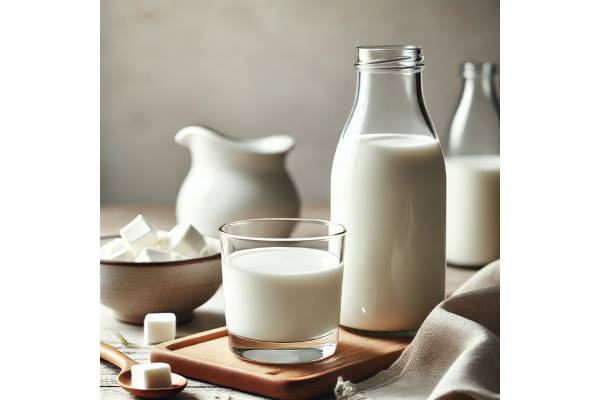
Cow milk is one of the world’s most versatile staple foods. From a glass at breakfast to the backbone of yogurt, cheese, and countless sauces, it brings complete protein, bioavailable calcium, and a package of nutrients that many people struggle to get elsewhere. Modern dairying has also made milk more consistent and, in many countries, fortified with vitamin D to support bone health. At the same time, milk is not for everyone: lactose intolerance is common, raw (unpasteurized) milk carries infection risks, and sustainability questions matter to many households. This guide gives you a clear, practical view of cow milk—what it offers nutritionally, how it can fit into different diets, where the risks lie, and everyday ways to buy, store, and cook it well while preserving nutrients. Whether you prefer whole, 2%, or skim, or you are comparing dairy to plant-based alternatives, you will find straightforward answers here to help you choose with confidence, based on your preferences, health needs, and budget.
Quick Overview
- Provides complete protein (≈3.2 g/100 g) and bioavailable calcium (≈113 mg/100 g).
- Pasteurized milk reduces pathogen risk; raw milk is not recommended for safety.
- Typical serving: 1 cup (240 ml) once daily for most adults; adjust for energy needs.
- Those with lactose intolerance, milk allergy, or specific medical advice should limit or avoid.
Table of Contents
- Cow milk overview and origins
- Cow milk nutrition profile
- Evidence-based health benefits
- Cow milk risks, allergies and interactions
- Selecting quality, sustainability and storage
- Preparation, cooking and nutrient retention
- Portions, comparisons and FAQs
Cow milk overview and origins
Cow milk is the liquid secreted by the mammary glands of cattle, naturally designed to nourish calves. Humans have consumed it for millennia, developing fermentation and aging techniques that gave rise to yogurt, kefir, butter, and a stunning diversity of cheeses. Nutritionally, cow milk is unusual in that it packages high-quality protein (a complete amino acid profile) with minerals—especially calcium and phosphorus—in a fluid that most people find easy to incorporate into meals. The ratio of casein to whey proteins averages around 80:20, a pattern linked with steady amino acid delivery and functional properties in cooking (think foaming, thickening, and emulsifying).
Milk is typically categorized by fat content—whole (≈3.25% milkfat), reduced-fat (2%), low-fat (1%), and fat-free (skim). The choice mainly affects energy and saturated fat while keeping core micronutrients similar, because calcium, potassium, riboflavin (vitamin B2), and vitamin B12 remain present across fat levels. In many countries, milk is fortified with vitamin D (and sometimes vitamin A in reduced-fat and skim) to support calcium absorption and bone health. Fortification levels vary by region and brand, so label reading is your friend.
Safety processing matters. Pasteurization briefly heats milk to kill harmful bacteria while preserving taste and nutrients. Ultra-high temperature (UHT) processing extends shelf life further and allows storage at room temperature until opened. Homogenization breaks fat globules to create an even texture and prevent cream separation; it does not meaningfully change nutritional value.
Flavor and nutrition can vary with breed, feed, season, and handling. For example, grass-fed herds may yield slightly different fatty acid profiles, including modestly higher omega-3s, although the absolute amounts remain small compared with fish or dedicated omega-3 sources. “A2” milk refers to cows producing a specific beta-casein variant; while some individuals report improved tolerance, robust, consistent clinical benefits have not been established for the general population. Finally, milk’s culinary range is vast: it enriches oatmeal, blends smoothly into smoothies and soups, steams beautifully for coffee, and forms the base of puddings, custards, and bechamel.
In short, cow milk can be a nutrient-dense, convenient food when chosen and handled wisely. The remaining sections detail its nutrition numbers per 100 g, the strongest evidence for benefits, who should take care, and practical tips to buy, store, and cook it well.
Cow milk nutrition profile
Below is a consolidated, label-style snapshot for plain, pasteurized whole cow milk (≈3.25% milkfat), per 100 g. Values can vary by brand, season, and fortification; use packaging as the final authority for your purchase.
Macros & Electrolytes (per 100 g)
| Nutrient | Amount | %DV |
|---|---|---|
| Energy | 61 kcal | — |
| Water | 88.1 g | — |
| Protein | 3.2 g | 6% |
| Total fat | 3.3 g | 4% |
| Saturated fat | 1.9 g | 9% |
| Trans fat | 0 g | — |
| Carbohydrate (total) | 4.8 g | 2% |
| Total sugars (as lactose) | 5.1 g | — |
| Dietary fiber | 0 g | 0% |
| Cholesterol | 10 mg | 3% |
| Sodium | 43 mg | 2% |
| Potassium | 132 mg | 3% |
Fats & Fatty Acids (per 100 g)
| Component | Amount | Notes |
|---|---|---|
| Monounsaturated fat | ~0.81 g | Mostly oleic acid |
| Polyunsaturated fat | ~0.20 g | Small amounts of linoleic and omega-3 |
| Omega-3 total | ~0.08 g | Very modest source |
| Butyric + short-chain SFAs | ~0.15 g | Naturally present in dairy fat |
Protein & Amino Acids
| Aspect | Value | Why it matters |
|---|---|---|
| Protein quality | Complete (all essentials) | Supports growth and maintenance |
| Casein:whey ratio | ≈ 80:20 | Useful for texture and satiety |
| Leucine (per 100 g) | ~0.30 g | Key trigger for muscle protein synthesis |
Vitamins (per 100 g)
| Vitamin | Amount | %DV |
|---|---|---|
| Vitamin A (RAE) | ~46 µg | 5% |
| Riboflavin (B2) | ~0.17 mg | 13% |
| Vitamin B12 | ~0.45 µg | 19% |
| Pantothenic acid (B5) | ~0.37 mg | 7% |
| Folate | ~5 µg | 1% |
| Choline | ~14 mg | 3% |
| Vitamin D (fortified)* | ~1.0 µg | 5% |
Minerals (per 100 g)
| Mineral | Amount | %DV |
|---|---|---|
| Calcium | ~113 mg | 9% |
| Phosphorus | ~84–95 mg | 7% |
| Potassium | ~132 mg | 3% |
| Magnesium | ~10 mg | 2% |
| Zinc | ~0.37 mg | 3% |
| Selenium | ~3.7 µg | 7% |
Allergens & Intolerance Markers
- Lactose: ~5.1 g/100 g (≈12.3 g per 240 ml cup).
- Milk proteins: caseins and whey proteins are common allergens.
Glycemic & Acid–Base Metrics
- Glycemic index (GI): generally low (≈30 ± 5).
- Glycemic load: small for typical servings.
- PRAL (acid load): around +0 to +1 per 100 g (slightly acid-forming).
Fortification note: Vitamin D fortification levels vary. Some regions also add vitamin A to low-fat and skim milk. Check the label for exact amounts.
Variability note: Iodine in milk can vary widely with feed and season; dairy is a meaningful iodine source, but specific values per 100 g are not consistent enough for a single universal figure.
What changes with lower fat? Reduced-fat (2%), low-fat (1%), and skim milks lower calories and saturated fat while keeping protein, calcium, B2, B12, and potassium similar. Fortified vitamin D is commonly matched across fat levels.
Evidence-based health benefits
1) Bone support from a complete package
Cow milk supplies calcium and phosphorus together with protein and, when fortified, vitamin D—a combination that supports bone mineralization. Unlike supplements, milk delivers these nutrients within a “food matrix” that may influence how they are absorbed and utilized. For individuals who struggle to meet calcium needs through leafy greens, legumes, or fortified foods alone, a daily serving of milk or fermented dairy can be a practical bridge. This is particularly relevant for adolescents building peak bone mass and older adults aiming to slow bone loss when overall diet quality is monitored.
2) High-quality protein for satiety and muscle maintenance
At roughly 3.2 g protein per 100 g, milk’s complete amino acid profile supports tissue repair and maintenance. Leucine—an amino acid that triggers muscle protein synthesis—appears in useful amounts even in a standard 240 ml glass. For athletes or older adults, milk after resistance exercise can contribute to daily protein targets, whether consumed directly or via yogurt, kefir, or smoothies.
3) Cardiometabolic neutrality or benefit in balanced diets
A growing body of research indicates that dairy intake, within energy-appropriate diets, is neutral or modestly beneficial for several cardiometabolic markers. Fermented dairy (e.g., yogurt) may show stronger associations with weight management and cardiometabolic health than non-fermented milk, but milk still contributes protein, potassium, and bioavailable minerals while offering a relatively low glycemic impact. Substituting milk for sugar-sweetened beverages is a practical step that can reduce added sugars while supplying nutrients most people underconsume.
4) Dental health and meal balance
Milk offers lactose rather than free sucrose and contains calcium and phosphorus, which—alongside good oral hygiene—can support enamel remineralization. In meals, milk pairs well with fiber-rich foods (oats, whole-grain breads, fruit), helping build balanced plates that stabilize appetite between meals.
5) Versatility that encourages nutrient-dense eating
Because milk adapts seamlessly across sweet and savory dishes, it helps people include other nutrient-dense foods: whole-grain porridges, vegetable purées, legume soups, and protein-rich smoothies. This “culinary leverage” is an often-overlooked benefit: foods you enjoy consistently tend to be the ones that sustain long-term dietary patterns.
How much is sensible?
For most healthy adults, 1 cup (240 ml) of milk per day can fit comfortably into calorie and saturated-fat budgets, especially if combined with other dairy choices like yogurt or cheese. Choose fat level to match your needs: whole milk emphasizes taste and energy density; low-fat or skim reduces calories and saturated fat while preserving key micronutrients.
Who benefits most?
- Adolescents and young adults building peak bone mass.
- People with low calcium intakes who prefer food-first strategies.
- Active individuals and older adults seeking convenient, high-quality protein.
- Those replacing sugary drinks with nutrient-dense alternatives.
Cow milk risks, allergies and interactions
Allergy vs. intolerance
A true milk allergy is an immune reaction to proteins (casein or whey). It can provoke hives, wheezing, vomiting, and, rarely, anaphylaxis. Strict avoidance under medical guidance is required, and “baked milk tolerance” protocols should only be attempted with an allergist. Lactose intolerance is different: it reflects low lactase enzyme activity in the small intestine. Symptoms—bloating, gas, or diarrhea—vary with dose and individual tolerance. Many people tolerate small portions with meals, choose lactose-free milk (lactase-treated), or switch to fermented dairy such as yogurt and kefir, which naturally contain less lactose.
Raw (unpasteurized) milk
Raw milk can carry pathogens (e.g., Listeria, Campylobacter, Salmonella) that pasteurization is designed to inactivate. Illness risk is higher for pregnant people, young children, older adults, and those with weakened immunity. Pasteurization does not make milk “ultra-processed” in the nutritional sense; it is a basic safety step with minimal impact on vitamins and minerals.
Saturated fat and calorie balance
Whole milk contains more saturated fat and calories than low-fat or skim. For individuals managing LDL cholesterol or total energy intake, selecting 1% or skim can help align with personal goals while preserving protein, calcium, and potassium. If you prefer whole milk, consider overall diet quality—plenty of vegetables, fruits, whole grains, legumes, nuts, and unsaturated fats—and keep portions reasonable.
Medication and condition interactions
- Antibiotics (e.g., tetracyclines, some fluoroquinolones): minerals like calcium can reduce absorption if taken together. Take such medications away from dairy when instructed by your clinician or pharmacist.
- Iron supplements: calcium may inhibit non-heme iron absorption; spacing iron tablets from milk can improve uptake.
- Kidney stones (calcium oxalate): dietary calcium from food (including milk) can actually reduce oxalate absorption when consumed with meals, whereas high-dose calcium supplements may increase risk for some people. Personalized advice is important.
- Lactose-restricted diets: lactose-free milk provides similar nutrients without lactose, useful for those with symptoms.
Special populations
- Infants under 12 months: do not use cow milk as a primary drink; breast milk or infant formula meets needs. Small amounts in complementary foods may be acceptable per pediatric guidance.
- Pregnancy: choose pasteurized milk and dairy to avoid infections; check total vitamin A intake if using high-dose supplements plus fortified foods.
- Immune-compromised individuals and older adults: avoid unpasteurized milk and soft cheeses made from raw milk.
Environmental and ethical concerns
Some readers avoid dairy for sustainability or animal welfare reasons. If you choose plant-based alternatives, look for unsweetened products fortified with calcium (≈300 mg per cup) and vitamin D, and aim to include other reliable protein sources.
Selecting quality, sustainability and storage
Buying tips
- Match fat level to your goals: whole (taste, energy), 2% (middle ground), 1% or skim (lower energy and saturated fat).
- Check fortification: many milks add vitamin D; low-fat and skim may also be fortified with vitamin A.
- Expiration vs. “best by”: “sell by” dates guide retailers; properly refrigerated milk often remains good for several days after, provided it smells and tastes fresh.
- Lactose-free options: choose products treated with lactase enzyme; they taste slightly sweeter because lactose is split into glucose and galactose.
- UHT/aseptic boxes: handy for pantries and travel; refrigerate after opening and use within 7–10 days.
Label reading essentials
- Saturated fat: compare across fat levels and brands; small differences add up.
- Added sugars: plain milk should have 0 g added sugar; flavored milks list added sugars.
- Protein: most plain milks deliver ~8 g per cup; higher-protein filtered milks concentrate this further.
- Sodium and potassium: moderate sodium and useful potassium contribute to overall electrolyte balance.
Sustainability pointers
- Choose right-sized containers: wasting milk has a larger footprint than packaging differences.
- Local and seasonal: local dairies can reduce transport emissions and support regional economies.
- Grass-fed or organic: may reflect farming practices you value; nutrition differences exist but are modest for most consumers.
- Compare to alternatives: life-cycle analyses differ by region, but minimizing waste, selecting lower-impact packaging when possible, and choosing unsweetened, fortified alternatives when going plant-based all help optimize nutrition and footprint.
Storage and food safety
- Refrigeration: store at ≤4°C (≤40°F). Keep milk in the main fridge, not the door, to avoid temperature swings.
- After opening: use within 5–7 days for pasteurized milk; UHT milk within 7–10 days.
- Avoid cross-contamination: cap tightly; pour into a clean glass rather than drinking from the carton.
- Freeze? You can freeze milk in airtight containers, leaving headspace for expansion. Thawed milk works best in cooking or baking due to texture changes.
- Spoilage signs: sour odor, off-flavors, or curdling. When in doubt, throw it out.
Preparation, cooking and nutrient retention
Heat effects
Pasteurization causes minimal nutrient loss; B vitamins and vitamin C (already low in milk) are most heat-sensitive, but the practical impact is small. Extended high heat (e.g., long boiling) can alter flavor (Maillard browning) and texture and slightly reduce heat-labile vitamins. Calcium, phosphorus, potassium, riboflavin, and B12 are stable under ordinary cooking.
Best uses to keep nutrients (and taste) intact
- Gentle heating: warm milk slowly for cocoa, coffee steaming, and custards to prevent scorching or film formation.
- Thickening without heavy cream: simmer with a roux (flour and butter) for classic bechamel; the milk’s protein and lactose contribute body and browning.
- Blending: use cold milk as a base for smoothies with fruit, oats, and nut butter. This preserves vitamins and adds fiber from other ingredients.
- Soaking grains and legumes: using milk in porridges or creamy polenta adds protein and minerals to staple foods.
- Culturing at home: yogurt and kefir reduce lactose and add probiotics. Use pasteurized milk for safety; maintain clean equipment and follow reliable fermentation temperatures and times.
Managing lactose and flavor
- Pair with meals: many people tolerate milk better with food than on an empty stomach.
- Portion control: start with ½ cup and increase as tolerated if you have lactose sensitivity.
- Choose fermented dairy: yogurt and kefir often sit better due to live cultures and lower lactose.
- Try lactose-free milk: nutritionally comparable, slightly sweeter taste.
Culinary substitutions
- Baking: milk improves browning and crumb tenderness through lactose and proteins. If swapping plant-based milks, use unsweetened, fortified varieties and add structure with eggs or additional protein sources when needed.
- Cream alternatives: evaporated milk or milk thickened with a cornstarch slurry can lighten creamy soups while maintaining mouthfeel.
- Coffee drinks: for stable foam, use fresh, cold milk and clean steam wands; proteins are key to microfoam quality.
Reducing waste
- Cook near date: transform near-date milk into puddings, custards, cheese sauces, and creamy soups.
- Freeze in portions: ice-cube trays for smoothies or small sauces. Label with the date.
Portions, comparisons and FAQs
How much milk should I drink?
For most adults, 1 cup (240 ml) daily can be a simple, balanced starting point. Adjust up or down based on calorie needs, protein targets, and other dairy in your diet (yogurt, cheese). Children, teens, and older adults may benefit from 2–3 dairy servings across the day depending on overall dietary pattern. If you do not enjoy milk, you can meet nutrient needs with other foods or fortified alternatives.
Which fat level is best?
It depends on your goals and preferences:
- Whole milk: richer taste and texture, higher energy and saturated fat.
- 2% and 1%: middle options that lower saturated fat while retaining taste.
- Skim: least calories and saturated fat; some find the mouthfeel less satisfying.
All are nutritious; pick the one you’ll use consistently within your calorie and lipid goals.
Cow milk vs. plant-based milks
- Protein: cow milk ≈8 g/cup; many plant milks (almond, rice) supply 1–3 g unless protein-fortified (soy and pea often match 7–8 g).
- Calcium and vitamin D: ensure fortification (≈300 mg calcium and 2–3 µg vitamin D per cup).
- Added sugars: choose unsweetened versions.
- Taste and performance: cow milk excels in foaming, browning, and baking structure due to proteins and lactose; plant milks vary.
Choose the product that fits your ethics, tolerance, and nutrition targets, and build the rest of your diet accordingly.
Can I drink milk if I have lactose intolerance?
Many people tolerate small amounts with meals, choose lactose-free milk, or opt for yogurt and kefir. Individual thresholds vary; practical testing with ½ cup steps is reasonable unless your clinician advises strict restriction. Enzyme tablets (lactase) before a dairy-containing meal can help some individuals.
Is organic or grass-fed “healthier”?
Nutrient differences are modest for most consumers. Grass-fed milk may have slightly different fatty acid profiles (including a bit more omega-3s), but absolute amounts are small. Your choice may reflect farming practices, taste, or local availability more than major nutritional shifts.
Does milk cause mucus or acne?
Perceived mucus after milk is usually due to texture changes in saliva; it is not the same as increased respiratory mucus production in healthy individuals. Acne is multifactorial; some people report flares with certain dairy products, but evidence is mixed and often stronger for skim milk than for whole milk or yogurt. If you notice a pattern, experiment with type and amount, and focus on overall dietary quality and skincare.
What about A2 milk?
A2 milk contains a specific beta-casein variant. Some people report improved tolerance, but evidence for broad benefits is not conclusive. If A2 milk feels better for you and fits your budget, it’s a reasonable personal choice.
Budget tips
- Buy larger containers you can finish before expiry.
- Use shelf-stable UHT boxes for backups.
- Rotate recipes that use up milk near its date (soups, sauces, puddings).
References
- Raw Milk | Food Safety | CDC 2025
- Effects of Dairy Intake on Markers of Cardiometabolic Health in Adults: A Systematic Review with Network Meta-Analysis – PubMed 2023
- The Dairy Matrix: Its Importance, Definition, and Current Application in the Context of Nutrition and Health – PubMed 2024
- Eating, Diet, & Nutrition for Lactose Intolerance – NIDDK 2018
- Milk, whole, 3.25% milkfat, without added vitamin A and vitamin D 2025
Disclaimer
This article is for general education and is not a substitute for personalized medical advice, diagnosis, or treatment. If you have a medical condition, food allergy, symptoms after consuming milk, or questions about medications interacting with dairy, consult a qualified healthcare professional or registered dietitian. Nutrition needs vary by age, health status, and overall diet.
If you found this guide helpful, please consider sharing it on Facebook, X (formerly Twitter), or your preferred platform. Your support helps us continue creating clear, evidence-based nutrition resources. Thank you.