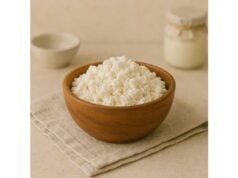
Yogurt made from cow’s milk is one of the most versatile staple foods in home kitchens. It delivers a balanced mix of complete protein, bioavailable calcium, and live cultures that support a healthy dietary pattern. With styles ranging from drinkable kefir-like yogurt to extra-thick strained “Greek,” it adapts to breakfast bowls, savory sauces, baked goods, and marinades. Plain, unsweetened yogurt offers a low-glycemic, minimally processed base that pairs well with fruit, grains, herbs, and spices, while flavored yogurts can add convenience—though they often include added sugars. Beyond convenience, cow milk yogurt brings culinary advantages: it tenderizes meats, adds tang to dressings, and brings creaminess to soups without heavy cream. It’s also widely accessible, budget-friendly, and easy to store. This guide explains what’s in yogurt, how it can fit different goals (from muscle maintenance to gut-friendly eating), how to choose among styles, how to cook with it without curdling, and what to know about allergens, lactose, and safety. If you enjoy simple, nutrient-dense foods that punch above their weight in the kitchen, yogurt deserves a regular place on your table.
Fast Facts
- Plain cow milk yogurt supplies complete proteins and bioavailable calcium per 100 g, with live cultures in products labeled “contains live and active cultures.”
- Choose pasteurized yogurt to reduce foodborne illness risk; raw (unpasteurized) dairy is not recommended for vulnerable groups.
- Typical serving: 170 g (about 3/4 cup); enjoy 3–7 times per week as part of a balanced diet.
- Limit or avoid: people with cow’s milk allergy; those immunocompromised, pregnant, very young, or older adults should avoid unpasteurized dairy.
Table of Contents
- Cow Milk Yogurt: Detailed Overview
- Cow Milk Yogurt Nutrition Profile
- Health Benefits of Cow Milk Yogurt
- Risks, Allergies and Interactions
- Selecting Cow Milk Yogurt: Quality, Sustainability and Storage
- Cooking with Yogurt and Nutrient Retention
- Portions, Comparisons and FAQs
Cow Milk Yogurt: Detailed Overview
Cow milk yogurt is a fermented dairy food produced by culturing pasteurized milk with specific starter bacteria—typically Lactobacillus delbrueckii subsp. bulgaricus and Streptococcus thermophilus. These cultures ferment lactose (milk sugar) into lactic acid, which lowers pH, thickens the milk, and creates yogurt’s characteristic tang. When labels say “contains live and active cultures,” it means the product retains viable bacteria at the time of manufacture; many refrigerated yogurts maintain these cultures through their shelf life when kept cold and within date.
There are several styles differing in water content and texture:
- Regular (set or stirred): Fermentation happens in the cup (set) or in a vat then packaged (stirred). Protein is typically ~3–4 g per 100 g.
- Greek/strained: Whey is strained to increase solids, raising protein (often ~9–10 g per 100 g) and thickening the texture.
- Icelandic (skyr): Similar to strained, high in protein, traditionally made with skim or low-fat milk, very thick.
- Drinkable: Thinner viscosity for sipping; protein varies.
- Whole, low-fat, nonfat: Fat level influences calories, mouthfeel, and fat-soluble vitamins.
Ingredient lists may include milk, cultures, and sometimes milk powder or cream for texture; flavored yogurts can include added sugars, fruit, thickeners (e.g., pectin), or stabilizers. None of these are inherently “good” or “bad”; choose based on needs (e.g., added sugars if you’re managing glucose intake, or higher fat for satiety and culinary uses).
Yogurt aligns well with many dietary patterns: Mediterranean, flexitarian, higher-protein, and vegetarian. It’s widely used worldwide—raita and lassi in South Asia, cacık and ayran in the Eastern Mediterranean, labneh in the Levant, and sauces like Greek tzatziki. In baking, yogurt’s acidity reacts with baking soda for lift; in savory cooking, it tenderizes meat and stabilizes emulsions for creamy dressings and dips.
From a practical standpoint, yogurt is a nutrient-dense convenience food. A 170 g single-serve cup of plain Greek yogurt commonly provides around 15–17 g protein with modest calories and sodium. Whole-milk yogurt offers creaminess and a gentle lipid matrix that can enhance satiety and flavor. Ultimately, the “best” yogurt is the one you enjoy and use often—ideally plain or lightly sweetened, with toppings like fruit, nuts, seeds, herbs, or spices to match your taste and nutrition goals.
Cow Milk Yogurt Nutrition Profile
Below you’ll find scannable tables for plain cow milk yogurt per 100 g. Values vary by brand and style; use them as typical ranges and check your label for exact numbers. %DV is based on U.S. labeling DVs (adults and children ≥4 years): Fat 78 g, Saturated Fat 20 g, Carbohydrate 275 g, Fiber 28 g, Added Sugars 50 g, Protein 50 g, Sodium 2300 mg, Calcium 1300 mg, Potassium 4700 mg, Phosphorus 1250 mg, Riboflavin 1.3 mg, Vitamin B12 2.4 µg, Vitamin A 900 µg RAE, Vitamin D 20 µg.
Plain Yogurt (Whole Milk), per 100 g (typical)
| Nutrient | Amount | %DV |
|---|---|---|
| Energy | 61 kcal | — |
| Water | 88 g | — |
| Protein | 3.5 g | 7% |
| Total Fat | 3.3 g | 4% |
| Saturated Fat | 2.1 g | 11% |
| Carbohydrate | 4.7 g | 2% |
| Total Sugars (mostly lactose) | 4.7 g | — |
| Dietary Fiber | 0 g | 0% |
| Sodium | 46 mg | 2% |
| Calcium | 121 mg | 9% |
| Potassium | 155 mg | 3% |
| Phosphorus | 95–120 mg | 8–10% |
| Riboflavin (Vitamin B2) | ~0.14 mg | 11% |
| Vitamin B12 | ~0.4–0.5 µg | 17–21% |
| Vitamin A (RAE) | ~27 µg | 3% |
| Vitamin D | 0–0.1 µg | 0% |
Greek (Strained) Yogurt, Whole Milk, per 100 g (typical)
| Nutrient | Amount | %DV |
|---|---|---|
| Energy | 97 kcal | — |
| Protein | 9.0 g | 18% |
| Total Fat | 5.0 g | 6% |
| Saturated Fat | 2.4 g | 12% |
| Carbohydrate | 4.0 g | 1% |
| Total Sugars | 4.0 g | — |
| Sodium | 35 mg | 1% |
| Calcium | 100 mg | 8% |
| Potassium | 141 mg | 3% |
| Phosphorus | 120–140 mg | 10–11% |
| Riboflavin (Vitamin B2) | ~0.18 mg | 14% |
| Vitamin B12 | ~0.5 µg | 21% |
Fats and Fatty Acids (per 100 g, whole milk yogurt)
| Fatty Acid | Amount |
|---|---|
| Saturated Fat | ~2.1–2.4 g |
| Monounsaturated Fat | ~0.9–1.2 g |
| Polyunsaturated Fat | ~0.09–0.15 g |
| Trans Fat (naturally occurring) | ~0–0.1 g |
Protein and Amino Acids (per 100 g)
Casein and whey proteins provide all essential amino acids. Strained yogurt concentrates protein, raising leucine per serving (useful for muscle protein synthesis). Exact amino acid profiles vary, but expect roughly 8–11% essential amino acids by weight of protein, with leucine typically ~0.3–0.8 g per 170 g serving depending on style.
Carbohydrates & Glycemic Considerations
Regular yogurt retains more lactose; strained yogurt removes some whey (and lactose). Unsweetened yogurt generally has a low glycemic impact compared with sweetened versions. Added sugars can raise total carbohydrates and energy density—check the “Added Sugars” line on your label.
Electrolytes & Minerals
Yogurt is a practical source of calcium and phosphorus for bone health. It also provides potassium with modest sodium—helpful for people aiming to maintain a favorable potassium-to-sodium ratio.
Bioactives and Cultures
Products that say “live and active cultures” typically contain viable L. bulgaricus and S. thermophilus at manufacture, and sometimes added strains (e.g., Lactobacillus, Bifidobacterium). Heat-treated yogurts (sometimes labeled “long-life”) are shelf-stable but do not contain live cultures.
Footnotes on fortification & additives: Some brands fortify with vitamin D or add stabilizers (e.g., pectin, gelatin) for texture. Fortified vitamin D will appear on the label with higher µg values. Stabilizers help reduce whey separation and are safe for most consumers.
Health Benefits of Cow Milk Yogurt
1) Supports a balanced cardiometabolic pattern. When eaten as part of overall healthy eating, yogurt contributes nutrient density (high-quality protein, calcium, potassium) without excessive sodium or added sugars (if you choose plain). Research across randomized trials suggests that higher dairy intake—encompassing milk, yogurt, and cheese—does not show consistent harm on key markers like blood lipids or blood pressure, and strained or fermented dairy (e.g., yogurt) may offer small advantages for triglycerides, HDL cholesterol, and waist measures compared with control foods. These effects are modest and depend on the rest of the diet, but they support yogurt as a sensible everyday food.
2) Convenient protein for muscle maintenance. A single 170 g cup of plain Greek yogurt commonly supplies ~17 g protein with ~1.3–1.8 g leucine—enough to meaningfully contribute toward the ~2–3 g leucine “trigger” per meal when combined with other protein foods. Protein helps maintain muscle during energy restriction or aging, and cultured dairy offers a palatable, easy-to-digest option.
3) Bone-friendly calcium and phosphorus. With ~100–130 mg calcium per 100 g (and more per typical cup), yogurt provides bioavailable calcium and phosphorus in a favorable ratio. Pairing yogurt with vitamin D sources (e.g., fortified foods, sensible sunlight, or supplements as advised by your clinician) supports bone remodeling. For people who dislike milk, yogurt can be a more appealing way to meet daily calcium targets.
4) Tolerability in lactose concerns. Many people with lactose maldigestion tolerate yogurt better than milk because fermentation reduces some lactose and the live cultures provide lactase activity that aids digestion of the lactose present. For individuals with lactose intolerance, plain yogurt is often a practical, better-tolerated dairy choice than fresh milk, especially when eaten with meals.
5) Satiety and weight management. Yogurt’s combination of protein, texture, and tang can increase satiety compared with lower-protein snacks. Choosing unsweetened varieties and adding fiber-rich toppings (berries, chia, oats) can help manage appetite while keeping added sugars in check.
6) Culinary replacement for higher-calorie ingredients. Plain yogurt pleasantly substitutes for sour cream or mayonnaise in dips, dressings, and toppings. Whole-milk yogurt provides creaminess and a satisfying mouthfeel while keeping ingredient lists short.
7) Potential associations with long-term outcomes. Observational research links higher yogurt intake with lower risks of all-cause and cardiovascular mortality compared with lower intake, particularly up to about 1/2 serving per day. While such studies don’t prove cause and effect and benefits likely reflect the broader dietary pattern, they suggest yogurt is a smart anchor for balanced meals.
Putting it into practice.
- Use a cup of plain yogurt in smoothies instead of juice.
- Swap yogurt for part of the oil or butter in muffins to reduce saturated fat and add moisture.
- Stir yogurt into bean soups after cooking for creaminess without heavy cream.
- Top spicy dishes (chili, curry) with a spoonful of whole-milk yogurt to temper heat and add protein.
Risks, Allergies and Interactions
Milk allergy (IgE-mediated). People with a confirmed cow’s milk allergy must avoid all dairy, including yogurt, unless an allergist provides a supervised plan. Common triggers are whey and casein proteins; reactions can range from hives to anaphylaxis.
Lactose intolerance. This is not an allergy. Symptoms (bloating, gas, diarrhea) result from lactose maldigestion. Many individuals tolerate plain yogurt better than milk because live cultures help digest lactose and the semi-solid texture slows gastric transit. Tolerance is individual—start with small amounts (e.g., 1/4–1/2 cup) and eat yogurt with other foods.
Unpasteurized (raw) dairy. Avoid yogurt made from raw milk, especially if you’re pregnant, older than 65, immunocompromised, or serving children under 5. Raw dairy can carry pathogens that cause serious illness. Choose products labeled pasteurized.
Added sugars and sodium. Flavored yogurts can contain significant added sugars. If managing blood glucose, dental health, or energy balance, favor unsweetened or “lightly sweetened” options or portion flavored cups mindfully. Sodium is usually modest, but seasoned or savory yogurts may include salt—check labels if you track sodium.
Medication and nutrient interactions.
- Antibiotics: May reduce survival of live yogurt cultures temporarily; yogurt still offers protein and minerals.
- Thyroid meds (levothyroxine): Calcium in yogurt can interfere with absorption; separate by at least 4 hours unless your clinician says otherwise.
- Bisphosphonates and some iron supplements: Take on an empty stomach away from calcium-rich foods; follow prescription instructions.
- Histamine intolerance: Fermented foods can be problematic for some; monitor individual response.
Special populations.
- Pregnancy: Pasteurized yogurt is a safe, nutrient-dense choice; avoid raw dairy.
- Children: Full-fat or whole-milk yogurt can support energy needs in toddlers; watch added sugars.
- Renal disease: If on potassium- or phosphorus-restricted diets, discuss portion sizes with your renal dietitian.
- Low-FODMAP phase: Plain lactose-free yogurt or small test portions of regular yogurt may be better tolerated; guidance from a GI dietitian helps.
Quality and labeling cues.
“Contains live and active cultures” indicates viable cultures at manufacture; storage and time can reduce counts. Heat-treated yogurts are shelf-stable but lack live cultures—fine for culinary use, but they won’t confer culture-related digestibility advantages.
Selecting Cow Milk Yogurt: Quality, Sustainability and Storage
How to read labels
- Ingredients: Ideal plain yogurt lists milk and cultures. Thickening agents (pectin, gellan) are acceptable for texture.
- Live cultures: Look for “contains live and active cultures” or named strains.
- Fat level: Whole (creamy, more satiating), low-fat (lighter), nonfat (leanest). Choose based on taste and goals rather than outdated fears of moderate dairy fat.
- Added sugars: For flavored cups, prefer products with ≤7–9 g added sugar per 100 g or use plain yogurt plus fruit/honey to control sweetness.
- Protein target: For a higher-protein snack, choose Greek/strained (aim ≥9 g per 100 g).
- Fortification: Some brands add vitamin D; handy if your intake is low.
Sourcing and sustainability
- Local dairies and certified farms may reduce transport emissions and support animal welfare standards.
- Organic vs conventional: Nutrient differences are small; choose based on priorities (pesticide use, farming practices).
- Packaging: Large tubs reduce plastic per serving; reusable glass or recyclable options are eco-friendlier.
- Food waste: Yogurt is forgiving: whey separation is normal—stir it back in. Explore recipes (labneh, dressings) to use up near-date tubs.
Storage and handling
- Keep at ≤4°C (≤40°F).
- Store unopened yogurt until the “use by” date; many products remain safe a few days beyond if cold and sealed, but quality may decline.
- After opening, consume within 5–7 days for best taste and culture viability.
- Avoid temperature abuse: return the cup to the fridge promptly; don’t leave at room temperature >2 hours.
Signs of spoilage
- Off-odors (rancid, yeasty), visible mold, bloated packaging, or curdling with unpleasant aroma. When in doubt, discard.
Budget and convenience tips
- Buy plain in large tubs and flavor at home; it’s cheaper per gram and lets you control sugars.
- Strain plain yogurt through a lined sieve to make labneh—thick, spreadable, and longer-lasting.
- Freeze yogurt in ice-cube trays for smoothie portions; thaw gently.
Culinary pairing ideas
- Savory: garlic-herb yogurt over roasted vegetables; cumin-yogurt sauce for grilled meats.
- Sweet: yogurt parfait with oats, berries, and nuts; a spoon of yogurt on fruit crisps.
- Global: tzatziki, raita, cacık, borani, and ayran.
Cooking with Yogurt and Nutrient Retention
Keep cultures alive (when desired). If you’re seeking the benefits of live cultures, add yogurt after high-heat steps. Gentle warming is fine, but prolonged boiling destroys bacteria.
Prevent curdling.
- Temper: Whisk warm liquid into yogurt gradually before adding to hot dishes.
- Stabilize: Mix in a little starch (cornstarch/flour) or egg yolk to prevent separation.
- Use whole-milk yogurt: Fat helps emulsify; strained yogurt is also more stable.
- Acidity and salt: Add acidic ingredients or salt after incorporating yogurt to reduce curdling risk.
Marinades and tenderizing. Yogurt’s lactic acid and calcium activate endogenous enzymes in meat, gently tenderizing without mushiness. A 2–8 hour marinade window is usually sufficient for poultry and lamb; wipe off excess before high-heat cooking to prevent burning.
Baking substitutions.
- Replace buttermilk with a mix of yogurt and water (3:1) for pancakes and quick breads.
- Swap up to 50% of butter or oil with whole-milk yogurt in muffins or cakes to reduce saturated fat and add moisture.
- Use Greek yogurt for cream-cheese-like fillings in no-bake desserts.
Retaining nutrients.
- Calcium and phosphorus are heat-stable.
- B vitamins (e.g., riboflavin, B12) can degrade with prolonged high heat; fold yogurt in at the end when possible.
- Protein quality is preserved; extreme heat can denature proteins but does not reduce amino acid content.
Smart flavor building.
- Balance tang with sweetness (honey, ripe fruit) or richness (olive oil, tahini).
- Layer spices: yogurt carries aromatics like garlic, cumin, coriander, dill, and mint beautifully.
- Texture contrasts: add crunchy toppings (toasted seeds, nuts) to creamy yogurt bases.
Quick recipes (frameworks).
- Ten-minute tzatziki: Grated cucumber (squeezed dry), whole-milk Greek yogurt, olive oil, garlic, lemon, dill, salt.
- Herbed yogurt dressing: Yogurt, lemon juice, Dijon, olive oil, chives/parsley, pepper, a pinch of salt.
- Overnight savory bowl: Yogurt, cooked grains, chopped herbs, cherry tomatoes, roasted chickpeas, drizzle of olive oil.
Portions, Comparisons and FAQs
Portion guidance
- Everyday snack/side: 170 g (3/4 cup) plain yogurt.
- Protein boost: 170–200 g Greek yogurt for ~17–20 g protein.
- Cooking measure: 2–4 tablespoons (30–60 g) to enrich sauces, dressings, or marinades.
Comparisons
- Yogurt vs milk: Similar nutrients per 100 g, but yogurt often digests more comfortably for those with lactose maldigestion, and strained styles deliver more protein per bite.
- Greek vs regular: Greek (strained) is thicker, with roughly 2–3× the protein of regular yogurt per 100 g and slightly fewer carbs due to whey removal.
- Whole vs low-fat/nonfat: Whole-milk yogurt is creamier and may increase satiety; nonfat is lowest in calories. Choose the version that helps you stick to your overall eating pattern without exceeding energy needs.
- Yogurt vs plant alternatives: Fortified soy “yogurt” can approach dairy protein quality; many other plant versions are lower in protein and calcium unless fortified. Always read labels.
Frequently asked questions
Does yogurt “fix” lactose intolerance?
No—lactose intolerance reflects low lactase activity. However, many people tolerate yogurt because the cultures help digest lactose in the product itself and yogurt’s texture slows digestion. Tolerance is personal; start small.
Is raw-milk yogurt healthier?
Raw dairy can harbor harmful microbes. Pasteurization safeguards against pathogens and preserves nearly all nutrients. If you value live cultures, choose pasteurized yogurt labeled with live and active cultures.
What about probiotics?
Many yogurts contain only the two starter cultures; some add probiotic strains. If you want specific probiotic benefits, look for named strains and amounts on the label. Yogurt still provides nutrient density even without added probiotics.
Can I eat yogurt daily?
Yes. For most people, 1 cup per day of plain or lightly sweetened yogurt fits comfortably within calorie and saturated fat limits—especially if the rest of your diet emphasizes vegetables, fruits, whole grains, legumes, nuts, and lean proteins.
How long is yogurt safe after opening?
Best within 5–7 days refrigerated and sealed. Discard if you see mold, strong off-odors, or bloated packaging.
Does fat level affect nutrients?
Fat increases calories and helps carry fat-soluble flavors and mouthfeel. Protein and minerals remain strong across fat levels; Greek/nonfat often maximizes protein per calorie.
Can I cook with yogurt without it breaking?
Yes—temper with warm liquid, use whole-milk or strained yogurt, and add toward the end of cooking. Avoid prolonged boiling.
References
- Effects of Dairy Intake on Markers of Cardiometabolic Health in Adults: A Systematic Review with Network Meta-Analysis 2023 (Systematic Review)
- Yogurt consumption and risk of mortality from all causes, CVD and cancer: a comprehensive systematic review and dose-response meta-analysis of cohort studies 2023 (Systematic Review)
- Talking to Patients about Unpasteurized (Raw) Milk and Highly Pathogenic Avian Influenza 2024 (Guidance)
- Scientific Opinion on the substantiation of health claims related to live yoghurt cultures and improved lactose digestion (ID 1143, 2976) pursuant to Article 13(1) of Regulation (EC) No 1924/2006 2010 (Guideline/Opinion)
- Nutrition Facts for Plain Greek Yogurt (Whole Milk, Full Fat) 2024 (Database)
Medical Disclaimer
This article is for general education and does not replace personalized medical advice, diagnosis, or treatment. Always consult your physician or a registered dietitian about food choices, allergies, intolerances, or supplements, especially if you are pregnant, breastfeeding, managing a medical condition, immunocompromised, or taking prescription medications.
If you found this guide helpful, please consider sharing it with friends or colleagues on Facebook, X (formerly Twitter), or your preferred platform. Your support helps us continue creating clear, evidence-based nutrition content.