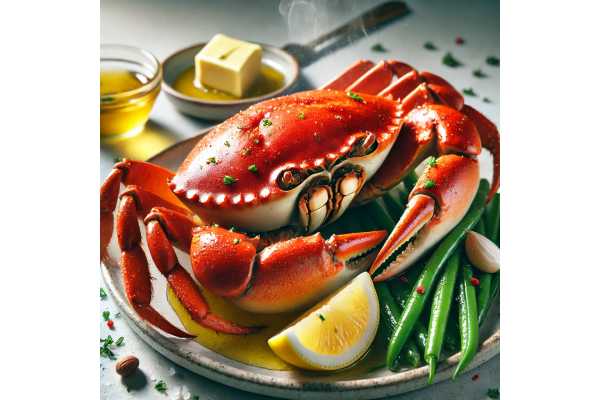
Crab is one of the most versatile shellfish you can cook: sweet and delicate when steamed, rich and briny in bisques, and satisfyingly meaty in cakes and stir-fries. Across species—blue, Dungeness, snow, king—crab meat delivers lean, complete protein with very little fat, standout vitamin B12, and useful minerals such as zinc, copper, and selenium. It fits weeknight meals and celebration menus alike, and its mild flavor pairs with citrus, herbs, chiles, garlic, and buttery sauces. Like all seafood, buying well matters: legal, sustainably harvested crab supports healthy fisheries and tends to taste better, too. Food safety matters as well—improperly handled or undercooked shellfish can carry pathogens, and people with shellfish allergy should avoid crab entirely. This guide brings together crab’s nutrition profile, evidence-backed benefits, risks and interactions, how to select and store it, and cooking strategies that keep its tenderness, sweetness, and nutrients front and center.
Quick Overview
- Per 100 g cooked, crab is high in protein with notable vitamin B12, zinc, copper, and selenium.
- Shellfish allergy and foodborne illness from raw or undercooked crab are key safety concerns.
- Typical serving is 85–100 g cooked (3–3.5 oz), enjoyed 1–2 times weekly within varied seafood choices.
- People who should limit or avoid: anyone with shellfish allergy; those who are pregnant or immunocompromised should avoid raw preparations.
Table of Contents
- Crab: Detailed Overview
- Crab Nutrition Profile
- Evidence-Backed Benefits of Crab
- Risks, Allergies and Interactions
- Selecting Quality Sustainability and Storage
- Preparation Cooking and Nutrient Retention
- Portions, Comparisons and FAQs
Crab: Detailed Overview
Crab is a crustacean with more than 4,000 species worldwide. What most home cooks buy falls into a few culinary categories:
- Blue crab (Atlantic and Gulf): mild, slightly sweet, prized for lump and jumbo lump; iconic in crab cakes.
- Dungeness crab (Pacific): sweet and slightly nutty; often sold whole, steamed, or as leg clusters.
- Snow crab (North Atlantic and North Pacific): long, slender legs; delicate meat that shreds into salads and pastas.
- King crab (North Pacific): thick, rich leg meat with large flakes; a celebratory choice due to price and size.
Across species, crab meat is composed mainly of water and high-quality protein, with minimal fat and virtually no carbohydrate. The flavor is naturally sweet because of free amino acids (like glycine) and a touch of glycogen in the muscles. The texture ranges from delicate shreds (snow crab) to large, tender flakes (king and Dungeness). Because the meat is already cooked in many products (especially pasteurized refrigerated crab), gentle reheating is often all that is needed.
Crab fits many nutrition goals. It supplies complete protein for tissue repair and satiety, vitamin B12 for blood and nerve function, and minerals—notably zinc (immune function), copper (iron metabolism and connective tissue), and selenium (antioxidant enzymes). It also contributes modest amounts of long-chain omega-3 fatty acids (EPA and DHA) that support cardiovascular and cognitive health, though not at levels found in oily fish.
From a sustainability perspective, crab fisheries vary. Some stocks (for example, certain blue crab fisheries) are managed with size limits, seasons, and traps that reduce bycatch. Others face environmental pressures or closures. Labels that verify harvest area and management—plus a vendor that can correctly name the species—help you align values, safety, and quality.
Culinarily, crab is forgiving if you remember two rules: handle gently (to preserve lumps and texture) and avoid overcooking (which can dry the meat and mute sweetness). Because it is lean, crab benefits from complementary fats (olive oil, butter, mayonnaise) and bright acids (lemon, lime, vinegar) that lift flavor without overpowering it.
Crab Nutrition Profile
Basis: cooked crab, typical commercial species (e.g., Dungeness/queen), per 100 g edible portion. Values vary by species, harvest area, and whether the product is fresh, frozen, or pasteurized. Sensible rounding used. %DV are U.S. Daily Values.
Macros and Electrolytes (per 100 g)
| Nutrient | Amount | %DV |
|---|---|---|
| Energy | ~110 kcal | — |
| Protein | ~22.3 g | —* |
| Total Fat | ~1.2 g | 2% |
| Saturated Fat | ~0.17 g | 1% |
| Carbohydrate | ~1.0 g | 0% |
| Fiber | 0 g | 0% |
| Cholesterol | ~71 mg | 24% |
| Sodium | ~378 mg | 16% |
| Potassium | ~410 mg | 9% |
| Water | ~75 g | — |
*Protein %DV is shown on labels only when a Protein %DV claim is made; crab provides complete, high-quality protein.
Fats and Fatty Acids (per 100 g)
| Fatty Acid | Amount |
|---|---|
| Monounsaturated Fat | ~0.18 g |
| Polyunsaturated Fat | ~0.35 g |
| Omega-3 EPA (eicosapentaenoic acid) | ~0.28 g |
| Omega-3 DHA (docosahexaenoic acid) | ~0.11 g |
Vitamins (per 100 g)
| Vitamin | Amount | %DV |
|---|---|---|
| Vitamin B12 (Cobalamin) | ~10.4 µg | ~433% |
| Niacin (Vitamin B3) | ~3.6 mg | 23% |
| Riboflavin (Vitamin B2) | ~0.20 mg | 15% |
| Vitamin B6 (Pyridoxine) | ~0.17 mg | 10% |
| Folate (DFE) | ~42 µg | 11% |
| Vitamin C | ~3 mg | 3% |
| Vitamin A (RAE) | ~26 µg | 3% |
| Choline | small amounts (varies) | — |
| Vitamin D | 0 µg | 0% |
| Vitamin K | ~0.3 µg | 0% |
Minerals (per 100 g)
| Mineral | Amount | %DV |
|---|---|---|
| Zinc | ~5.4 mg | 49% |
| Copper | ~0.73 mg | 81% |
| Selenium | ~48 µg | 87% |
| Phosphorus | ~175 mg | 14% |
| Magnesium | ~58 mg | 14% |
| Calcium | ~59 mg | 5% |
| Iron | ~0.4 mg | 2% |
Protein and Amino Acids (per 100 g)
Crab provides all essential amino acids; lysine, methionine, and threonine are present in useful amounts that complement grain- and legume-based proteins in mixed meals.
Carbohydrates
Crab contains very little carbohydrate (roughly 1 g/100 g), virtually no sugars, and no fiber. Glycemic impact comes from accompanying foods (breadcrumbs in cakes, buns, sauces), not from crab itself.
Contaminants and Residues
Crab is generally low in mercury relative to larger predatory fish. Sodium reflects both natural content and added salt in processed forms; pasteurized crab can be higher in sodium than fresh or frozen cooked meat. Some products may include preservatives (e.g., citric acid), which should be listed on the label.
Notes on fortification and additives
Crab meat itself is not fortified. Pasteurized cans or tubs sometimes include antioxidants or acidity regulators to protect color and flavor; check the ingredient list if you are sensitive to additives.
Bottom line: In 100 g, crab delivers lean, complete protein with exceptional vitamin B12 and meaningful zinc, copper, and selenium—a high nutrient-to-calorie ratio that fits many dietary patterns.
Evidence-Backed Benefits of Crab
1) Sustained, high-quality protein with minimal fat
Crab supplies ~22 g protein per 100 g with only ~1 g fat. This ratio supports muscle maintenance, repair after exercise, and satiety without adding much saturated fat. For people moderating calories or saturated fat, substituting crab for higher-fat meats can reduce energy density while preserving meal satisfaction.
2) Excellent vitamin B12 for blood and nerve health
Vitamin B12 is essential for red blood cell formation, DNA synthesis, and healthy nerves. Crab delivers roughly 10 µg B12 per 100 g, exceeding four times the Daily Value. Since B12 absorption saturates at typical meal-sized doses, distributing intake across meals and days is reasonable; crab is a practical whole-food source for omnivores who rarely eat red meat.
3) Immune and antioxidant support from zinc, copper, and selenium
- Zinc (~5 mg/100 g) supports innate and adaptive immunity, wound healing, and taste perception.
- Copper (~0.7 mg/100 g) helps mobilize iron and supports connective tissue enzymes.
- Selenium (~48 µg/100 g) is incorporated into antioxidant enzymes (glutathione peroxidases and thioredoxin reductases) that help maintain normal redox balance.
This trio works alongside B vitamins to support normal metabolism and resilience.
4) Cardio-friendly nutrient pattern
Crab is very low in saturated fat and provides marine omega-3s (EPA and DHA) in modest amounts compared with fatty fish. Incorporating crab in a weekly rotation with oily fish (e.g., salmon, sardines) can help you reach seafood recommendations while keeping menus varied and interesting. Replacing processed meats with crab in sandwiches, salads, and pasta dishes can also lower sodium and saturated fat if you season with herbs, citrus, and olive oil rather than heavy sauces.
5) Weight-management flexibility
Because crab is lean, recipes scale up or down without large calorie swings. A 100 g portion (about 3.5 oz cooked) contributes ~110 kcal yet feels substantial thanks to protein and texture. Combining crab with high-volume vegetables (cucumber, fennel, leafy greens) and whole grains (farro, brown rice) creates meals that are filling and nutrient-dense.
6) Culinary versatility that supports healthier patterns
Crab adapts to many cooking methods—steaming, gentle sautéing, broiling, and quick stir-fries—that preserve nutrients and limit added fats. Its natural sweetness means you can use less sugar in dressings and rely more on aromatics (garlic, chili, ginger, citrus zest) for flavor.
Practical uses
- Protein swap: Use crab in place of high-fat processed meats in lunchtime salads or wraps.
- High-protein soup: Add crab to tomato or corn chowders; you capture minerals and B vitamins in the broth.
- Balanced bowl: Toss crab with quinoa, roasted vegetables, olive oil, and lemon; top with herbs for a satisfying, balanced plate.
Risks, Allergies and Interactions
Shellfish allergy
Crab is a crustacean. Crustacean allergy is among the most common adult food allergies and can trigger symptoms ranging from hives and swelling to anaphylaxis. Major allergens include tropomyosin and related muscle proteins that can show cross-reactivity with other crustaceans. People with confirmed shellfish allergy should avoid crab and foods prepared in shared fryers or utensils to reduce cross-contact.
Raw and undercooked crab
As with other shellfish, eating raw or undercooked crab carries risk from bacteria such as Vibrio. Those at higher risk of severe illness include people with liver disease, diabetes, immune suppression, hemochromatosis, or low stomach acid. Cooking crab thoroughly, avoiding cross-contamination, and washing hands after handling raw shellfish are core safeguards.
Pregnancy, breastfeeding, and children
Seafood is recommended for its nutrients; the general advice is 8–12 oz (225–340 g) of a variety of lower-mercury seafood per week for those who are pregnant or breastfeeding. Choose fully cooked crab and avoid raw seafood preparations for infants, children, and during pregnancy. Rotate among clearly low-mercury choices and follow local advisories for wild harvests.
Sodium and seasoning
Plain crab meat is naturally moderate in sodium, but seafood boils, seasoned brines, and sauces can push sodium high. If you are on a sodium-restricted diet, opt for unseasoned crab and control the salt in the cooking liquid and dips.
Purines and gout
Crab contains purines like most animal proteins. People with gout who are sensitive to purine-rich foods may need to moderate portions and frequency and follow their clinician’s advice on overall management, medication, and hydration.
Medication and nutrient considerations
- Anticoagulants/antiplatelets: No direct interaction with crab; watch sodium and vitamin K from side dishes rather than crab itself (vitamin K is negligible in crab).
- Copper or zinc restrictions: Crab is relatively rich in both minerals; account for total daily intake if you have condition-specific limits.
Food safety checklist
- Keep cold (0–4°C / 32–39°F); refrigerate promptly.
- Do not leave cooked crab at room temperature for more than 2 hours (1 hour if above 32°C / 90°F).
- Reheat gently to steaming hot; avoid repeated reheating cycles.
Selecting Quality Sustainability and Storage
Forms you will see
- Live whole crab: Typically blue or Dungeness; cook the day of purchase.
- Cooked whole or clusters: Often Dungeness, snow, or king; steam to reheat.
- Picked meat (fresh or pasteurized): Labeled as jumbo lump, lump, backfin, special, claw—graded by muscle location and flake size. Jumbo lump is most delicate (great for cakes where visible pieces matter); claw is darker, flavorful, and budget-friendly for soups and stir-fries.
- Imitation crab (surimi): A fish-based product; nutrition profile differs (more carbs/sodium, less micronutrients compared with real crab).
Quality cues
- Smell: Clean, ocean-like. Avoid sour, ammonia, or “fishy” odors.
- Appearance: Moist, pearly white (and naturally pinkish or brown in claw); no drying, graying, or sliminess.
- Packaging: For pasteurized tubs, check seal integrity, pack date, and cold-chain handling. For frozen, watch for excessive ice crystals (potential thaw-refreeze).
Sustainability and legality
- Species and origin matter. Ask for the exact species (blue, Dungeness, snow, king) and harvest area. Responsible fisheries use pot/trap methods with escape rings and size/sex restrictions to protect breeding stocks.
- Traceability: Reputable vendors can tell you where and when the crab was harvested and whether it is wild-caught or farmed (most crab is wild).
- Seasonality: Many regions set seasons and size limits; buying in-season often means better quality and value.
- Shell purchases: If buying shells for stock or crafts, ensure they are legal to sell in your area.
Storage
- Live: Keep cool and moist, not submerged; cook the same day.
- Cooked whole/clusters: Refrigerate and use within 2–3 days; freeze for up to 2–3 months for best quality.
- Picked meat (fresh): Use within 2–3 days of opening.
- Pasteurized tubs: Unopened, they keep refrigerated for weeks; once opened, use within 2–3 days.
- Freezing tips: Portion meat tightly packed in freezer-safe bags with minimal air; label with date.
Smart buying questions
- What species is this, and where was it harvested?
- Is the meat fresh, frozen-thawed, or pasteurized?
- When was it processed, and how has it been stored?
- Are there any added ingredients (salt, preservatives)?
Preparation Cooking and Nutrient Retention
General strategy
Crab is lean and already delicate, so focus on gentle heat and minimal handling to keep lumps intact and prevent drying. If you start with cooked meat, you are reheating—not “cooking through.” When working with live or whole cooked crab, avoid prolonged boiling that can wash out flavor and minerals; steam instead.
Best methods
- Steaming (live or pre-cooked clusters):
Add 2–3 cm (1 inch) of water with aromatics (bay, lemon). Steam whole Dungeness 12–18 minutes depending on size; clusters 5–7 minutes until hot and fragrant. Why it works: limits leaching, preserves texture, and retains minerals. - Gentle sauté:
For picked lump meat destined for pastas or sautés, warm aromatics (garlic, shallot) in oil or butter, then fold in crab at the end for 1–2 minutes. Why it works: short exposure protects B vitamins and keeps lumps intact. - Broil or grill finish:
Brush clusters with olive oil, lemon, and herbs; broil 3–5 minutes just to caramelize. Why it works: quick, high heat adds flavor without overcooking. - Soups and stews:
Simmer the base first, then add crab during the last 3–5 minutes. Why it works: captures any nutrient losses in the broth and avoids rubbery texture. - Crab cakes (structure without heaviness):
Use minimal binder: 450 g (1 lb) crab, 1 lightly beaten egg, 2–3 Tbsp breadcrumbs or crushed crackers, 1–2 Tbsp mayonnaise or Greek yogurt, mustard, herbs, and a squeeze of lemon. Chill patties 20–30 minutes so they set. Pan-sear in a thin film of oil 3–4 minutes per side. Tip: handle sparingly to preserve jumbo lumps.
Nutrient retention tips
- Prefer steaming and brief sautéing to prolonged boiling to reduce water-soluble vitamin loss.
- If boiling is unavoidable, reuse the cooking liquid in sauces or soups to reclaim minerals and B vitamins.
- Add crab late in cooked dishes; residual heat finishes it.
- Avoid repeated reheating; portion leftovers into small containers and chill quickly.
Food safety practices
- Keep cold until cooking; do not leave at room temperature.
- Separate raw shellfish from ready-to-eat foods; use dedicated boards and knives.
- Wash hands and surfaces after handling raw crabs or shells.
- Discard any crab with off odors or that remains mushy after cooking.
Flavor pairings
- Bright: lemon, lime, orange, vinegar, capers, fresh herbs (parsley, tarragon, dill).
- Aromatic: garlic, scallion, chives, ginger.
- Heat: Aleppo, chili flakes, Fresno or Thai chiles—use sparingly to avoid overpowering sweetness.
- Umami: miso, soy sauce, fish sauce, tomato paste.
- Textural allies: crisp vegetables (celery, fennel), whole grains (farro, bulgur), and tender greens.
Portions, Comparisons and FAQs
What is a typical serving of crab?
A practical serving is 85–100 g (3–3.5 oz) cooked. That provides ~19–23 g protein with about 90–115 kcal, depending on species.
How often can I eat crab?
Within a varied seafood pattern, enjoying crab 1–2 times per week works well for most adults. If you are pregnant or breastfeeding, aim for 8–12 oz (225–340 g) per week of a variety of fully cooked lower-mercury seafood; include crab among other choices.
Is crab low in carbohydrates?
Yes. Crab has roughly 1 g carbohydrate per 100 g. Carbohydrate load in crab dishes comes from starches in sides or binders (breadcrumbs in cakes, pasta, brioche buns).
How does crab compare with other seafood?
| 100 g cooked | Calories | Protein | Total Fat | Vitamin B12 | Zinc | Selenium |
|---|---|---|---|---|---|---|
| Crab (typical cooked) | ~110 kcal | ~22.3 g | ~1.2 g | ~10.4 µg | ~5.4 mg | ~48 µg |
| Shrimp | ~99 kcal | ~24 g | ~0.3 g | ~1.1 µg | ~1.3 mg | ~38 µg |
| Scallops | ~111 kcal | ~23 g | ~0.8 g | ~1.6 µg | ~1.3 mg | ~24 µg |
| Salmon (Atlantic, farmed) | ~206 kcal | ~22 g | ~13 g | ~3.2 µg | ~0.6 mg | ~36 µg |
Are all crab products the same nutritionally?
No. Pasteurized picked meat is convenient but can be higher in sodium than fresh cooked clusters. Imitation crab (surimi) has more carbohydrates and often added sugar and salt; it is not nutritionally equivalent to real crab.
What about mercury?
Crab is typically low in mercury, making it a good choice for routine rotation. Still, diversify seafood choices each week and follow local advisories for wild harvests.
Does crab contain omega-3s?
Yes, in modest amounts relative to fatty fish: roughly 0.28 g EPA and 0.11 g DHA per 100 g cooked for species like Dungeness. That contribution complements, but does not replace, oily fish.
Can I eat crab if I am allergic to other shellfish?
Crustacean allergies often cross-react (e.g., shrimp, crab, lobster). If you have any shellfish allergy, consult an allergist before considering crab, and avoid it unless tolerance is clearly established.
Budget and availability tips
- Choose claw meat for robust flavor at a lower price; reserve jumbo lump for cakes or salads where appearance matters.
- Buy frozen clusters at peak season and thaw as needed.
- Stretch smaller amounts in soups, fried rice, or whole-grain salads to make nutrient-dense meals at lower cost.
References
- Nutrition Facts for Cooked Dungeness Crab 2025
- Advice about Eating Fish 2024 (Guidance)
- Preventing Vibrio Infection 2024 (Guidance)
- Blue Crab 2025 (Species status)
- Diagnosis and management of shrimp allergy 2024 (Review)
Disclaimer
This guide is educational and is not a substitute for personalized medical advice, diagnosis, or treatment. Seafood choices and portion sizes should reflect your health status, life stage (including pregnancy), allergies, and clinician guidance. Always buy from reputable sources and follow food safety practices for handling and cooking shellfish.
If this article helped you, please consider sharing it on Facebook, X, or your preferred platform to support our team in creating clear, evidence-based nutrition resources. Thank you.