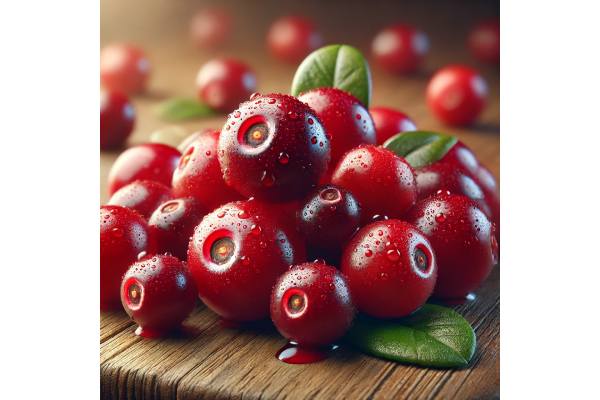
Cranberry brings far more to the table than a holiday sauce. This tart North American fruit offers a distinct mix of vitamin C, modest fiber, and rare A-type proanthocyanidins—polyphenols studied for urinary tract health. Fresh berries are naturally low in sugar; their snap brightens salads, salsas, grain bowls, and baked goods. Unsweetened 100% cranberry juice delivers concentrated flavor and bioactives for those who enjoy the tang, while sweetened dried cranberries provide convenience and texture (with added sugars to consider). Beyond the kitchen, cranberries have become a focus in research on bacterial anti-adhesion and oral health. Still, not every product is equally useful; form, dose, and added sugars matter. In this guide, you’ll learn how cranberries differ across fresh, dried, and juice varieties; how to use them creatively; what the latest evidence says about benefits; and how to shop, store, and cook for maximum quality and minimal waste. You’ll also find practical portions and clear safety notes for people with specific medical needs.
At a Glance
- Fresh cranberries are low in sugar and provide vitamin C, fiber, and unique A-type proanthocyanidins.
- Standardized cranberry products used for UTI risk reduction typically target 36 mg proanthocyanidins per day.
- Typical servings: 100 g fresh cranberries, 30–40 g sweetened dried cranberries, or 240 ml 100% unsweetened juice; enjoy several times weekly within a balanced diet.
- People on warfarin or with kidney disease should discuss cranberry intake (especially juices or supplements) with their clinician.
- Those with a history of recurrent kidney stones or on potassium-restricted diets should moderate large volumes of juice and choose fresh fruit portions.
Table of Contents
- Cranberry: Detailed Overview
- Cranberry Nutrition Profile
- Evidence-Based Health Benefits of Cranberry
- Cranberry Risks, Allergies and Interactions
- Selecting, Quality, Sustainability and Storage
- Preparation, Cooking and Nutrient Retention
- Portions, Comparisons and FAQs
Cranberry: Detailed Overview
Cranberries (Vaccinium macrocarpon) are native to North America and thrive in cool climates where low-lying vines sprawl across sandy bogs. Contrary to popular imagery, they do not grow submerged; growers flood bogs only to ease harvesting and protect the vines from frost. The fruit itself is firm, buoyant, and intensely tart because its organic acids outpace its natural sugars. That tartness is why many commercial cranberry foods are sweetened, and why it’s helpful to distinguish among fresh berries, sweetened dried fruit, 100% unsweetened juice, and blends or cocktails.
Common forms and how they differ
- Fresh cranberries: Sold October through January (and frozen year-round), they’re low in sugar, high in water, and provide vitamin C and polyphenols. Their snap makes them great in relishes, slaws, chutneys, and quick sautés with greens.
- Sweetened dried cranberries (SDC): Convenient and shelf-stable, but usually contain added sugar or apple juice concentrate. They’re best seen as a garnish (think: salads, pilafs, trail mix), with portions scaled to your overall added-sugar budget.
- 100% cranberry juice (unsweetened): Highly tart; some drink it straight, others dilute with sparkling water. Its concentrated solids provide a higher polyphenol density per volume than fresh fruit but lack fiber.
- Cranberry juice cocktail: Typically 27% juice plus water and added sugar; flavor is milder, but added sugars can be substantial.
- Cranberry capsules or tablets: Used when people want a defined daily amount of proanthocyanidins (PACs). Quality varies; look for products that disclose PAC content and the measurement method.
Flavor and culinary roles
- Acid balance: Cranberry’s bright acid can sharpen rich dishes (roast meats, root vegetables) and balance sweet flavors in baked goods without making them cloying.
- Color and aroma: Anthocyanins give cranberries their ruby hue, which deepens with heat. Citrus, ginger, cinnamon, rosemary, and orange zest pair especially well.
- Savory uses: Fold chopped cranberries into meatballs, quinoa-herb stuffings, or pan sauces; add a spoonful of cranberry relish to grain bowls and sandwiches.
- Sweet uses: Bake into muffins and quick breads, simmer with orange and a pinch of cardamom for a lower-sugar sauce, or deglaze a skillet with unsweetened juice for a tart syrup.
Context for health
Cranberries are not a cure-all; their benefits depend on form, dose, and dietary pattern. Fresh and frozen berries add low-sugar fruit servings to your day. Dried cranberries are flavorful accents best used modestly. Standardized PAC supplements can support specific goals for some people but should complement—not replace—medical care.
Cranberry Nutrition Profile
The tables below give representative values per 100 g with % Daily Value (%DV) based on a 2,000-kcal diet. Actual values vary by variety, growing conditions, product brand, and processing. Use package labels for precise data.
Cranberries, raw (per 100 g)
| Category | Amount | %DV |
|---|---|---|
| Energy (kcal) | 46–51 | — |
| Water (g) | ~87.4 | — |
| Macros & Electrolytes | ||
| Carbohydrate (g) | ~12.0–13.2 | 4–5% |
| Dietary fiber (g) | ~3.6–4.0 | 13–14% |
| Total sugars (g) | ~4.0–4.7 | — |
| Protein (g) | ~0.5 | 1% |
| Total fat (g) | ~0.1 | 0% |
| Sodium (mg) | ~2 | 0% |
| Potassium (mg) | ~88 | 2% |
Vitamins & minerals (per 100 g)
| Nutrient | Amount | %DV |
|---|---|---|
| Vitamin C (mg) | ~14–16 | 15–18% |
| Vitamin E (mg) | ~1.3–1.5 | 9–10% |
| Vitamin K (µg) | ~5 | 4–5% |
| Manganese (mg) | ~0.26–0.29 | 11–13% |
| Copper (mg) | ~0.06 | 7% |
| Iron (mg) | ~0.25 | 1% |
| Magnesium (mg) | ~6–7 | 2% |
| Phosphorus (mg) | ~12 | 1% |
Cranberries, sweetened dried (per 100 g)
(values vary widely by brand and sweetener)
| Category | Amount | %DV |
|---|---|---|
| Energy (kcal) | ~300–320 | — |
| Carbohydrate (g) | ~80–83 | 29–30% |
| Total sugars (g) | ~65–70 (mostly added) | — |
| Dietary fiber (g) | ~5–6 | 18–21% |
| Protein (g) | ~0.3–0.5 | 1% |
| Total fat (g) | ~1–1.5 | 1–2% |
| Sodium (mg) | ~3–5 | 0% |
| Potassium (mg) | ~40–70 | 1–2% |
Cranberry juice, 100% unsweetened (per 100 g)
| Category | Amount | %DV |
|---|---|---|
| Energy (kcal) | ~46 | — |
| Carbohydrate (g) | ~12.2 | 4% |
| Total sugars (g) | ~12.0 | — |
| Dietary fiber (g) | ~0.2 | <1% |
| Protein (g) | ~0.4 | 1% |
| Total fat (g) | ~0.1 | 0% |
| Sodium (mg) | ~2 | 0% |
| Potassium (mg) | ~75–80 | 2% |
| Vitamin C (mg) | ~9–10 | 10–11% |
Bioactives/phytonutrients (qualitative)
- Proanthocyanidins (PACs) with A-type linkages are distinct to cranberry among common fruits and are studied for anti-adhesion activity against uropathogenic E. coli.
- Anthocyanins (red pigments) and flavonols add to total polyphenol content; levels rise with ripeness and concentrate in juices/extracts.
- Commercial supplements may disclose PAC content per serving; look for standardized labeling and third-party testing.
Glycemic & acid–base metrics
- Fresh cranberries have low glycemic load due to modest sugars and fiber.
- Unsweetened juice has a modest glycemic impact; juice cocktails with added sugar have higher glycemic load.
- PRAL (acid–base) for fresh cranberries is mildly alkaline to neutral.
Allergens & additives
- Cranberry is not a common allergen.
- Dried cranberries may include oils or juice concentrates; read ingredient lists.
- Some cranberry beverages are fortified (e.g., with vitamin C). Fortification and additives should be clearly labeled.
Evidence-Based Health Benefits of Cranberry
Urinary tract health: where cranberry helps—and where it may not
The most robust research for cranberry involves prevention of recurrent urinary tract infections (UTIs) in specific groups. Contemporary systematic reviews of randomized controlled trials report that cranberry products can reduce the risk of symptomatic, culture-verified UTIs for women with recurrent UTIs, for some children, and for individuals with procedure-related susceptibility. Results are not consistent across all populations; evidence has not shown meaningful benefit in pregnancy, in most older adults in institutional settings, or in people with significant bladder-emptying dysfunction. As with many botanicals, product quality and adherence influence outcomes.
Why cranberries are different
Cranberries contain A-type proanthocyanidins (PACs) that appear to reduce bacterial adhesion to the uroepithelium—an early step in infection. This mechanism does not kill bacteria; it makes it harder for certain strains (notably E. coli with P-fimbriae) to stick and multiply. Because adhesion is a repeated risk, benefits depend on regular intake rather than one-time use.
What “dose” seems effective?
Clinical meta-analyses and dose-focused reviews suggest that products standardized to deliver ~36 mg PACs per day (quantified by validated methods) are commonly used in trials showing benefit, often over 12–24 weeks. Juice cocktails are typically not standardized and often contain added sugars, making them less reliable for this purpose. 100% unsweetened juice concentrates and capsules with disclosed PAC content make dosing clearer. For people who dislike tart liquids, capsules can improve adherence.
Important boundaries
- Cranberry is preventive, not a treatment for an active UTI. New symptoms—burning, urgency, fever, flank pain—require prompt medical evaluation.
- Not all urinary pathogens respond equally to anti-adhesion effects.
- Some individuals simply do not experience benefit even with appropriate products and durations; alternative prevention strategies should be discussed with a clinician.
Beyond UTIs: emerging but mixed findings
- Oral health: Pilot studies suggest cranberry polyphenols may reduce adherence of certain oral bacteria in vitro; real-world dental benefits remain investigational.
- Cardiometabolic markers: Small trials exploring effects on LDL-cholesterol, HDL, and inflammation show inconsistent changes; cranberry foods can fit a heart-healthy pattern primarily because they replace higher-sugar desserts, not because they act like a lipid-lowering drug.
- Gut health: Polyphenols reach the colon where microbes transform them; fermentation byproducts may contribute to local benefits, but clinical endpoints are still under study.
Practical takeaways
- For everyday eating, choose fresh or frozen cranberries and keep sweets in check.
- For UTI risk reduction in appropriate groups, consider a standardized product targeting ~36 mg PACs/day for at least 12 weeks, alongside hydration, voiding habits, and clinician-recommended strategies.
- Track your responses and discuss with your healthcare professional; adjust or discontinue if you see no benefit after a fair trial period.
Cranberry Risks, Allergies and Interactions
Added sugars and calories
Dried cranberries and many cranberry beverages are sweetened. Per 100 g, sweetened dried cranberries can provide ~65–70 g of sugars. That’s fine as an occasional garnish but too concentrated to count as a low-sugar fruit serving. If you enjoy them in salads or trail mix, balance with nuts or seeds and measure portions (30–40 g).
Medication considerations
- Warfarin: Case reports and safety communications have raised concerns about cranberry products altering warfarin effects in some individuals. While controlled data are mixed, a prudent approach is to keep intake consistent and report any cranberry supplements or major juice changes to your clinician. If you start or stop cranberry products while on warfarin, request an extra INR check.
- Other drugs: Cranberry is not a known strong inducer or inhibitor of common drug-metabolizing enzymes at typical dietary intakes. Nonetheless, if you use anticoagulants, antiplatelets, or multiple medications, coordinate changes with your care team.
Kidney and electrolyte cautions
- Kidney stones: Cranberries contain organic acids and oxalate. People with a history of calcium oxalate stones should avoid high-volume cranberry beverages and instead emphasize adequate calcium at meals, hydration, and individualized advice from a kidney dietitian.
- Potassium management: 100% cranberry juice contains modest potassium compared with orange or tomato juice, but those on potassium-restricted diets should still account for liquid volumes across the day.
Allergy and intolerance
True cranberry allergy is rare. More commonly, people experience gastric upset if they consume large amounts of tart juice quickly. Dilute with water or sparkling water and sip slowly. If you have a documented salicylate sensitivity, test tolerance cautiously; cranberries contain natural salicylates in small amounts.
Special populations
- Pregnancy: Cranberry foods are generally considered safe in typical culinary amounts. Research has not demonstrated preventive benefits for UTIs in pregnancy, and supplements should be discussed with a clinician.
- Children: Small, age-appropriate portions of unsweetened cranberry products can be used in pediatric UTI prevention in some cases under professional guidance. Watch for added sugars.
Food safety and quality
Store fresh cranberries refrigerated; discard berries that are soft, shriveled, or leaky. For juice, choose pasteurized products. For supplements, select brands that disclose PAC content, provide a lot number, and use independent testing.
Selecting, Quality, Sustainability and Storage
How to select excellent cranberries
- Color & firmness: Look for deep red berries that feel firm and springy. Pale or soft berries tend to be underripe or aging.
- Package checks: In bags, scan for broken skins or juice in the bottom—signs of damage. For bulk bins, choose evenly colored fruit and avoid wrinkled berries.
- Frozen berries: Choose unsweetened whole cranberries; they should be free-flowing, not clumped with ice crystals (a sign of thaw-refreeze).
Reading labels—what matters
- Dried cranberries: Scan ingredient lists. Many include sugar or apple juice concentrate plus a small amount of oil to prevent sticking. Compare added sugar per serving and choose lower-sugar options when available.
- Juices: “100% cranberry juice” or “100% juice blend” differs from “juice cocktail.” If you prefer unsweetened, look for “no added sugar” on the front and confirm 0 g added sugars on the Nutrition Facts panel.
- Supplements: Reliable products list PAC mg per serving and the quantification method. Favor products that disclose A-type PAC content and use validated methods.
Sustainability and origin
Cranberries are primarily grown in the United States and Canada. Many growers practice flood recycling and water management to reduce waste; some are investing in wetland conservation and renewable energy for processing plants. To support responsible practices:
- Seek brands that publish sustainability reports or certifications on water stewardship and habitat protection.
- Choose recyclable packaging where possible (cans, glass, select plastics).
- Reduce food waste: buy frozen berries if you use them sporadically; freeze leftover fresh berries before they soften.
Smart storage
- Fresh berries: Refrigerate in original packaging up to 3–4 weeks; sort periodically and remove any soft berries to prevent spread.
- Frozen berries: Keep at −18°C; use within 10–12 months for best quality.
- Dried cranberries: Store airtight in a cool, dark place 6–12 months; refrigerate after opening if your kitchen is warm.
- Juice (unopened): Shelf-stable bottles keep until the “best by” date; refrigerate after opening and use within 7–10 days.
- Prepared sauces: Refrigerate 5–7 days; freeze up to 2 months.
Buying tips to save money
- Stock up on fresh or frozen during fall promotions; freeze extra.
- Replace part of pricey nuts or cheeses in salads with a measured sprinkle of dried cranberries for sweetness and color.
- For baking, swap half the chocolate chips for cranberries to cut sugars and add tart contrast.
Preparation, Cooking and Nutrient Retention
Quick prep basics
- Rinse and sort: Wash cranberries in cold water; pick out stems and soft fruit.
- Freeze for later: Spread on a tray to freeze individually; transfer to bags. Frozen berries go straight into batters, sauces, and sautés—no thawing needed.
- Slice or chop: A brief pulse in a food processor creates even pieces for relishes and muffins without crushing.
Foundational techniques
- Bright cranberry relish (no-cook): Pulse 100 g cranberries with orange segments and zest; sweeten lightly with dates or a little honey; rest 30 minutes to meld. No cooking means vitamin C retention and fresher acidity.
- Stovetop sauce (lower-sugar): Simmer 300 g cranberries with 120–180 ml water, citrus zest, and spices. Start with minimal sugar, then add to taste at the end; a pinch of salt and splash of orange juice can reduce the need for sweetener.
- Sheet-pan roasting: Toss cranberries with diced winter squash, onion, olive oil, and rosemary; roast until cranberries just burst, creating tangy pan juices.
- Savory pan sauce: Deglaze roasted poultry drippings with unsweetened cranberry juice and stock; whisk in a small knob of cold butter to finish.
Maximizing nutrients and minimizing sugar
- Respect the tartness: Use acidity amplifiers (citrus, vinegar) and aroma boosters (ginger, vanilla, warm spices) so you can use less sugar.
- Add whole fruit to batters: Fold halved berries into pancakes or muffins to include fiber and reduce the need for sweeteners.
- Balance dried fruit: Pair measured amounts of dried cranberries with protein- and fat-rich foods (yogurt, nuts, seeds) to moderate glycemic response.
Culinary substitutions
- Swap part of raisins with cranberries in granola to cut total sugar without losing texture.
- Use unsweetened cranberry juice 1:1 with red wine in pan sauces for a non-alcoholic option with similar acidity and color.
- Replace vinegar with a splash of unsweetened juice in salad dressings for fruity brightness.
Food safety
- Cranberries are low-risk for pathogens; still, handle cleanly and refrigerate leftovers promptly.
- For home canning, use tested recipes and proper acidity/sugar for shelf stability.
Portions, Comparisons and FAQs
Practical portions (typical adults)
- Fresh cranberries: 100 g (about 1 cup whole) adds tart fruit with minimal sugar; aim for several fruit servings per day from a variety of options.
- Sweetened dried cranberries: 30–40 g (3–4 tbsp) as a garnish. Count toward your added-sugar budget.
- 100% unsweetened juice: 120–240 ml (½–1 cup), diluted to taste; consider dental care (rinse or use a straw) to reduce acid contact.
- Standardized supplement: Products commonly used in trials target ~36 mg PACs/day; discuss timing and duration with your clinician.
How do cranberries compare to other fruits?
- Versus blueberries: Blueberries are sweeter and often eaten fresh in larger quantities; cranberries are tarter with distinct A-type PACs.
- Versus raisins: Raisins are naturally sweet and more calorie-dense than fresh cranberries; sweetened dried cranberries include added sugars, so portions should be smaller.
- Versus orange juice: Orange juice is higher in vitamin C and potassium; cranberry juice is tarter with less potassium and different polyphenols.
Frequently asked questions
Can cranberries cure a UTI?
No. Cranberry products do not treat an active infection. They may help reduce repeat episodes in certain groups when used consistently—and only as part of a prevention plan set with your clinician.
What form is “best” for urinary tract health?
The most reliable approach uses standardized products that disclose PAC content (~36 mg/day) and use validated measurement methods. If you dislike tart liquids, consider capsules with verified PAC content.
Are dried cranberries “bad” because of sugar?
They can fit into a balanced pattern in small portions. Think of them as a flavorful garnish—measure, mix with nuts/seeds, and consider lower-sugar varieties.
Is 100% cranberry juice too acidic for teeth?
It’s tart and acidic. Dilute with water, drink with meals, avoid sipping all day, and consider rinsing afterward. Good oral hygiene mitigates risk.
Can children use cranberry products?
Under pediatric guidance, some children at risk of recurrent UTIs may use cranberry products. Emphasize unsweetened forms and age-appropriate doses; do not use for treatment of an active infection.
What about interactions with supplements like vitamin C or probiotics?
Cranberry pairs safely with most foods. If you’re also taking vitamin C or probiotics for UTI prevention, discuss with your clinician to avoid duplicative or unnecessary regimens.
References
- Cranberries for preventing urinary tract infections 2023 (Systematic Review).
- Cranberry: Usefulness and Safety 2024 (Guidance).
- Nutrition Facts for Cranberries 2025.
- Daily Value on the Nutrition and Supplement Facts Labels 2024.
- Preventive effect of cranberries with high dose of proanthocyanidins on urinary tract infections: a meta-analysis and systematic review 2024 (Systematic Review).
Disclaimer
This guide is for educational purposes and is not a substitute for personalized medical advice, diagnosis, or treatment. Always consult your healthcare professional about diet changes, supplements, or symptom management—especially if you take anticoagulants, manage kidney disease or kidney stones, are pregnant, or are considering cranberry products for UTI prevention. If you develop UTI symptoms, seek timely care.
If this article helped you, please consider sharing it with friends or on Facebook or X. Your support helps us keep producing clear, evidence-based nutrition content. Thank you.