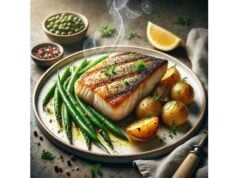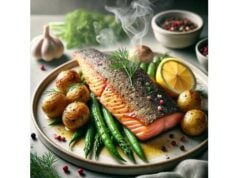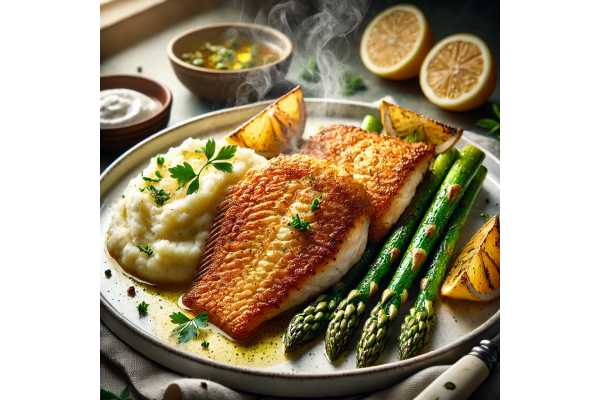
Crappie is a mild-tasting freshwater fish prized by anglers and home cooks for its tender, flaky fillets and quick cooking time. Lean and protein-dense, it fits easily into heart-smart and weight-conscious meal plans. While it is lower in omega-3s than oily fish, crappie still delivers meaningful protein, B-vitamins, selenium, and other minerals with very few calories. Its neutral flavor accepts almost any seasoning and method—pan-searing, baking, grilling, or a classic cornmeal fry. Because crappie live in lakes and reservoirs, quality depends on freshness, handling, and the water body where it was caught. This guide walks you through the real-world benefits, a detailed nutrition profile per 100 g, evidence-based health effects, safety considerations (including mercury and local advisories), how to buy or handle wild-caught fillets, cooking techniques that retain nutrients, and smart portions. You will also find practical comparisons to other popular fish and concise answers to common questions.
Fast Facts
- Lean, high-protein freshwater fish; about 100–120 g cooked fillet makes one serving 2–3 times per week.
- Generally low in mercury; still follow local water-body advisories and trim skin and dark muscle.
- Useful source of vitamin B12 and selenium; modest omega-3s compared with salmon or sardines.
- People who are or may become pregnant, breastfeeding, and young children should choose “lower-mercury” options and observe serving limits.
Table of Contents
- Detailed Overview
- Nutrition Profile
- Evidence-Based Health Benefits
- Risks, Allergies and Interactions
- Selecting, Quality, Sustainability and Storage
- Preparation, Cooking and Nutrient Retention
- Portions, Comparisons and FAQs
Crappie at a Glance: Taste, Types, and Everyday Uses
Crappie refers to two closely related North American sunfish: white crappie (Pomoxis annularis) and black crappie (Pomoxis nigromaculatus). Both inhabit freshwater lakes, reservoirs, and slow rivers, feeding on insects and small fish. For the cook, the difference is small: fillets are thin, pale, and delicate, with a mild, slightly sweet flavor that takes well to quick heat and light coatings. Compared with firm ocean fish like cod, crappie flakes sooner and benefits from gentle handling. Compared with catfish, it is leaner and a touch sweeter, without the “muddy” notes that can occur in bottom-feeders from warm waters.
Because crappie is lean, its calories largely come from high-quality protein. That makes it an easy anchor for balanced plates with vegetables and whole grains. Seasoning is flexible: lemon, garlic, paprika, black pepper, and herbs; or Cajun and Old Bay blends; or a minimalist approach with just salt and olive oil. Classic American preparations include shallow-frying in a cornmeal crust, pan-searing in a neutral or olive oil, or oven-baking with breadcrumbs. Globally inspired takes—ginger-scallion, harissa, miso-glaze, or chimichurri—work equally well.
Freshness matters. Wild-caught crappie are typically cleaned soon after landing. If you buy from a fishmonger, look for translucent, moist flesh with no browning, a clean ocean-like (not “fishy”) smell, and firm texture that springs back when pressed. If you harvest your own fish, chilling on ice and prompt filleting make a big difference in flavor and safety.
Nutritionally, crappie provides complete protein (containing all indispensable amino acids), B-vitamins for energy metabolism, selenium for antioxidant function, phosphorus for bones and teeth, and a modest amount of marine omega-3s (EPA and DHA). While the omega-3 content is lower than in salmon or sardines, crappie can still contribute to your total weekly seafood intake alongside other species.
Crappie also adapts to many dietary patterns: Mediterranean-style menus (olive oil, herbs, legumes), diabetes-friendly plates (non-starchy vegetables and intact grains), high-protein weight management plans, and gluten-free diets (use cornmeal or almond flour for coating). For those reducing sodium, crappie’s natural sodium is low; use citrus, spices, and fresh herbs in place of heavy salt.
Finally, crappie is one of the more approachable “starter fish” for kids and hesitant seafood eaters: its mild flavor, thin bones (removed in filleting), and quick cooking help it fit into family meals without fuss.
Nutrition Profile
How to read this section: Values below are typical for raw, boneless, skinless crappie (lean freshwater fillet) per 100 g. Actual composition varies with species (white vs black), season, habitat, and diet. Cooking reduces water and concentrates many nutrients per serving. %DV uses current U.S. Daily Values for adults and children ≥4 years unless noted.
Macros and Electrolytes (per 100 g)
| Nutrient | Amount | %DV |
|---|---|---|
| Energy | 80–95 kcal | — |
| Protein | 17–20 g | 34–40% |
| Total Fat | 0.8–2.0 g | 1–3% |
| Saturated Fat | 0.2–0.5 g | 1–3% |
| Carbohydrates | 0 g | 0% |
| Dietary Fiber | 0 g | 0% |
| Sugars | 0 g | — |
| Sodium | 40–70 mg | 2–3% |
| Potassium | 250–320 mg | 5–7% |
| Cholesterol | 50–70 mg | — |
Notes: Protein varies with age and size of fish. Sodium is naturally low. Cholesterol has no %DV on labels but is relevant for some medical diets.
Fats and Fatty Acids (per 100 g)
| Component | Amount | %DV |
|---|---|---|
| Omega-3 EPA+DHA | ~0.15–0.30 g | — |
| Omega-6 (total) | ~0.05–0.15 g | — |
| Monounsaturated Fat | ~0.2–0.6 g | — |
| Polyunsaturated Fat | ~0.3–0.8 g | — |
| Trans Fat | 0 g | — |
Interpretation: Crappie is a lean fish. For higher omega-3 intake, rotate with oily fish (e.g., salmon, sardines) in your weekly plan.
Protein and Amino Acids (per 100 g)
| Metric | Value |
|---|---|
| Complete Protein | Yes |
| Indispensable Amino Acids | Adequate relative to adult reference patterns |
Why it matters: Fish muscle proteins are highly digestible and typically meet or exceed amino acid requirements—useful where high-quality protein per calorie is a priority.
Vitamins (per 100 g)
| Vitamin | Amount | %DV |
|---|---|---|
| Vitamin B12 (cobalamin) | ~1.0–2.0 µg | 42–83% |
| Niacin (B3) | ~2.5–4.0 mg | 16–25% |
| Vitamin B6 | ~0.2–0.3 mg | 12–18% |
| Riboflavin (B2) | ~0.1–0.2 mg | 8–15% |
| Vitamin D | variable, often low in lean freshwater species | — |
Tip: Do not rely on crappie for vitamin D; oily ocean fish generally provide more.
Minerals (per 100 g)
| Mineral | Amount | %DV |
|---|---|---|
| Selenium | ~25–35 µg | 45–64% |
| Phosphorus | ~200–250 mg | 16–20% |
| Magnesium | ~25–30 mg | 6–7% |
| Zinc | ~0.3–0.6 mg | 3–5% |
| Iron | ~0.3–1.0 mg | 2–6% |
| Calcium | ~10–30 mg | 1–2% |
Selenium spotlight: Fish-derived selenium supports antioxidant enzymes (glutathione peroxidases) and helps counter oxidative stress.
Contaminants and Residues
- Mercury: Crappie is generally categorized among lower-mercury freshwater fish, though levels vary by water body.
- Environmental residues: Local advisories may flag PCB or pesticide residues in certain lakes or rivers.
- Action step: Check your state or regional fish consumption advisory before eating frequently from a single water source.
Footnote: Values reflect typical lean freshwater crappie and comparable sunfish; per-portion calculations can be estimated from per-100 g values.
Evidence-Based Health Benefits
1) Supports heart-smart eating patterns.
Replacing higher-saturated-fat meats with fish like crappie can help balance dietary fats and increase seafood frequency toward guideline targets. While crappie is not an omega-3 heavyweight, rotating it with higher-EPA/DHA species contributes to a pattern linked with better cardiovascular outcomes. Research across trials and large cohorts indicates marine omega-3s (EPA and DHA) can reduce triglycerides and may lower cardiovascular risk in specific contexts. Food-first intake—two or more seafood meals weekly—remains the most consistent, practical route for most people.
2) High-quality protein with excellent satiety per calorie.
At roughly 80–95 kcal and 17–20 g protein per 100 g (raw weight), crappie offers a high protein-to-calorie ratio. Protein increases fullness, helps protect lean mass during weight loss, and supports recovery from exercise or illness. Because the fat content is low, portions can be generous without overshooting calories.
3) Nutrient density beyond protein.
Crappie supplies vitamin B12, niacin (B3), vitamin B6, selenium, and phosphorus—nutrients involved in energy metabolism, red blood cell production, thyroid function, and bone health. Paired with vegetables and whole grains, a crappie-based meal becomes a micronutrient-rich plate.
4) Flexible for sodium- and calorie-conscious cooking.
Unprepared fillets are naturally low in sodium and cook fast with minimal added fat. Techniques like baking on parchment, air-frying with a light spray, or pan-searing in a measured teaspoon of oil keep sodium and calories in check while preserving moisture.
5) Family-friendly seafood gateway.
The mild taste and tender texture make crappie a reliable choice for kids and “seafood skeptics.” Introducing fish in approachable formats—taco fillings, lightly breaded bites, or simple lemon-garlic fillets—can increase seafood acceptance and broaden diet variety over time.
6) Role in diverse dietary patterns.
Crappie integrates smoothly into Mediterranean, DASH-style, diabetes-friendly, and gluten-free patterns. It can anchor balanced plates with legumes and vegetables or pair with intact grains like farro or brown rice for fiber and mineral synergy.
What about supplements versus food?
While omega-3 supplements have specific clinical uses, routine supplement use for otherwise healthy individuals shows mixed results and, at higher doses, may carry atrial fibrillation risk. Prioritize food-based seafood intake (including some oily fish weekly) unless your clinician advises a targeted supplement for a defined indication.
Risks, Allergies and Interactions
Fish allergy:
Crappie is a finfish. People with diagnosed finfish allergy should avoid it unless cleared by an allergist. Cross-contact in shared fryers or grills can expose sensitive individuals, even if ordering another item.
Mercury and local contaminants:
Freshwater fish can accumulate methylmercury and, in some regions, PCBs or legacy pesticides. Crappie is typically in the lower-mercury category compared with predatory species, but levels vary with the watershed. To minimize exposure:
- Follow your state or provincial fish consumption advisory for the specific water body.
- Trim skin and the darker lateral muscle before cooking, and avoid using pan drippings from the skin/dark meat if you harvest locally.
- Vary the species you eat, mixing in other lower-mercury fish across the week.
Pregnancy, breastfeeding, and young children:
Seafood is encouraged for growth and development due to its nutrients. Choose a rotation of lower-mercury fish and observe age-appropriate serving sizes. Crappie commonly appears as a “good choice” when local advisories are clear and favorable, but always check local guidance first if the fish is self-caught.
Medication and nutrient interactions:
- Anticoagulants/antiplatelets: Normal dietary fish portions are fine for most people. Very high-dose omega-3 supplements (not typical food intake) are the interaction concern; discuss with your clinician before starting capsules.
- Sodium-restricted diets: Unseasoned crappie is naturally low in sodium; watch prepared coatings, sauces, or restaurant versions.
- Histamine sensitivity: Fish spoilage can raise histamine. Buy very fresh fish, keep cold, and cook the same day when possible.
Food safety:
Keep fish at ≤4 °C (≤40 °F), cook to 63 °C (145 °F) until opaque and flaky, and refrigerate leftovers within 2 hours. If you handle your own catch, gut and ice promptly, and avoid cross-contamination with ready-to-eat foods.
Selecting, Quality, Sustainability and Storage
Buying tips
- Appearance: Look for moist, translucent fillets with no browning or drying at the edges. Flesh should spring back when pressed.
- Smell: Clean, briny, or neutral; avoid sour or “fishy” odors.
- Cut: Thin crappie fillets cook fast—choose evenly sized pieces for uniform doneness.
- Wild vs local: If you or a fishmonger harvests locally, ask about water-body advisories and seasonality.
Sustainability notes
- Crappie are wild-harvested by recreational anglers; there’s limited large-scale commercial pressure compared with many ocean species. Good local stewardship—slot limits, seasons, and responsible take—helps maintain healthy populations. Where available, consult regional fisheries notices on limits and lake health.
Storage and handling
- Refrigerate: Store on ice or the coldest shelf and cook within 24 hours.
- Freeze: Pat fillets dry, wrap tightly (vacuum-seal if possible), and freeze up to 6 months.
- Thaw: Overnight in the refrigerator or under cold running water in a sealed bag; never at room temperature.
- Pre-prep: If sensitive to off-flavors, remove any dark lateral muscle (grayish strip) before cooking.
Quality cues when cooking
- Flesh turns opaque and flakes easily at the thickest point.
- Overcooking dries crappie quickly; remove from heat as soon as it flakes with a fork.
Flavor pairings
- Bright and herbal: Lemon, parsley, dill, tarragon.
- Smoky-spicy: Paprika, cayenne, Cajun blends.
- Umami-savory: Miso, soy, ginger-scallion, browned butter with capers (go light for calories).
- Crunchy coatings: Cornmeal, panko, crushed whole-grain crackers, or almond flour for gluten-free.
Preparation, Cooking and Nutrient Retention
Goal: Keep moisture, limit unnecessary fat, and preserve delicate micronutrients.
Smart techniques
- Pan-sear, then finish off-heat.
Pat fillets dry, season lightly, and sear 1–2 minutes per side in a thin sheen of oil. Kill the heat and cover for 1 minute. Residual heat finishes the center without drying. - Oven-bake on high heat.
Preheat to 220 °C (425 °F). Place on parchment, brush with 1–2 tsp oil per pound, add spices, and bake 8–10 minutes depending on thickness. - Air-fry with a light crust.
Spray the basket, coat fillets in seasoned cornmeal or panko, mist lightly with oil, and air-fry at 200 °C (400 °F) for 6–8 minutes, flipping once. Crisp texture with minimal oil. - Grill on foil or a perforated pan.
Because crappie is thin, use foil or a grill pan to avoid tearing. Oil lightly and grill 2–3 minutes per side over medium-high heat. - Poach in aromatics.
Simmer water with lemon, peppercorns, and herbs; slip in fillets and cook gently 4–6 minutes. Very tender, no browning, excellent for salads or tacos.
Retention pointers
- Avoid overcooking: Protein toughens and juices are lost, taking water-soluble B-vitamins with them.
- Use minimal added fat: Lean fish doesn’t need much oil; measure it.
- Sodium control: Season generously with herbs, citrus, and spices rather than salt.
- If frying: Keep oil at 175–185 °C (350–365 °F) so the crust seals quickly. Drain on a rack (not paper towels that cause steaming). Choose coatings that adhere well to minimize oil uptake.
Simple marinade (30 minutes max)
2 tsp olive oil, 1 tsp lemon zest, 1 tbsp lemon juice, 1 tsp Dijon, 1 small grated garlic clove, 1 tsp chopped dill, black pepper. Toss, chill 20–30 minutes, then sear or bake. Longer marinades can “cook” thin fillets and affect texture.
Food-safe internal temperature
Cook to 63 °C (145 °F) until opaque and flaky. For very thin fillets, visual cues plus an instant-read thermometer at the thickest point are best.
Portions, Comparisons and FAQs
Typical portion and frequency
- Adults: One serving = about 100–120 g cooked (≈140–170 g raw). Aim for 2 seafood meals per week, mixing crappie with higher-omega-3 choices.
- Children: Serving sizes scale by age (roughly 28–85 g cooked). Choose lower-mercury fish and follow local advisories.
How does crappie compare?
- Versus salmon: Salmon is higher in omega-3s (EPA/DHA) and vitamin D; crappie is leaner and milder.
- Versus cod or tilapia: Similar leanness and protein; crappie often has a touch more flavor and flakes more delicately.
- Versus catfish: Crappie is leaner; catfish can have more fat depending on farming and feed.
- Versus sardines: Sardines far exceed crappie in omega-3s and calcium (if bones are eaten) but have a stronger taste.
Budget tips
- Cook once, eat twice: double a baked batch for next-day tacos or grain bowls.
- Buy in season or freeze your own fresh fillets to avoid price spikes.
- Use crumbs from whole-grain bread or cornmeal you already have for coatings.
FAQ
Is crappie a good source of omega-3s?
It provides some EPA/DHA but less than oily fish. Use crappie as part of your total weekly seafood pattern and include higher-omega-3 species on other days.
Can I eat crappie while pregnant?
Yes—if it is from waters without restrictive advisories and within recommended weekly amounts for lower-mercury fish. Rotate species and follow local guidance for self-caught fish.
What’s the best way to avoid “fishy” flavors?
Freshness is key: buy close to the catch, keep cold, pat dry, remove any dark lateral muscle, and cook the same day.
Do I need to skin crappie?
Most fillets are skinned. If not, skin will crisp when seared but can hold residues in some waters; trimming skin and dark meat is a common precaution with self-caught freshwater fish.
How long does cooked crappie keep?
Up to 3 days refrigerated, 2–3 months frozen for best quality.
References
- Advice about Eating Fish 2024 (Guideline)
- Fish and Omega-3 Fatty Acids: Sex and Racial Differences in Cardiovascular Disease Risk Reduction 2023 (Systematic Review)
- Effect of omega-3 fatty acids on cardiovascular outcomes 2021 (Systematic Review and Meta-analysis)
- Regular use of fish oil supplements and course of cardiovascular disease: prospective study of UK Biobank participants 2024 (Prospective Cohort)
- FoodData Central Foundation Foods Documentation 2024 (Technical Documentation)
Disclaimer
This information is for general education and is not a substitute for personalized medical advice, diagnosis, or treatment. Nutrient values and safety guidance may vary by location and individual health status. If you are pregnant, breastfeeding, have a medical condition, take prescription medications, or plan to consume self-caught fish frequently, consult a qualified healthcare professional and review your local fish consumption advisories.
If you found this guide helpful, please consider sharing it on Facebook, X, or wherever you spend time online—your support helps us keep creating useful, evidence-based resources.